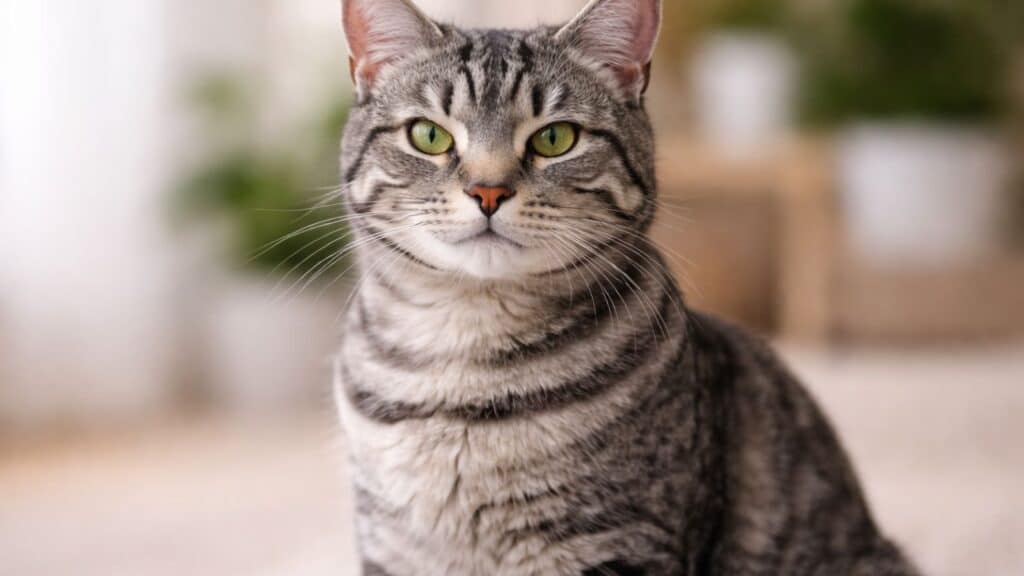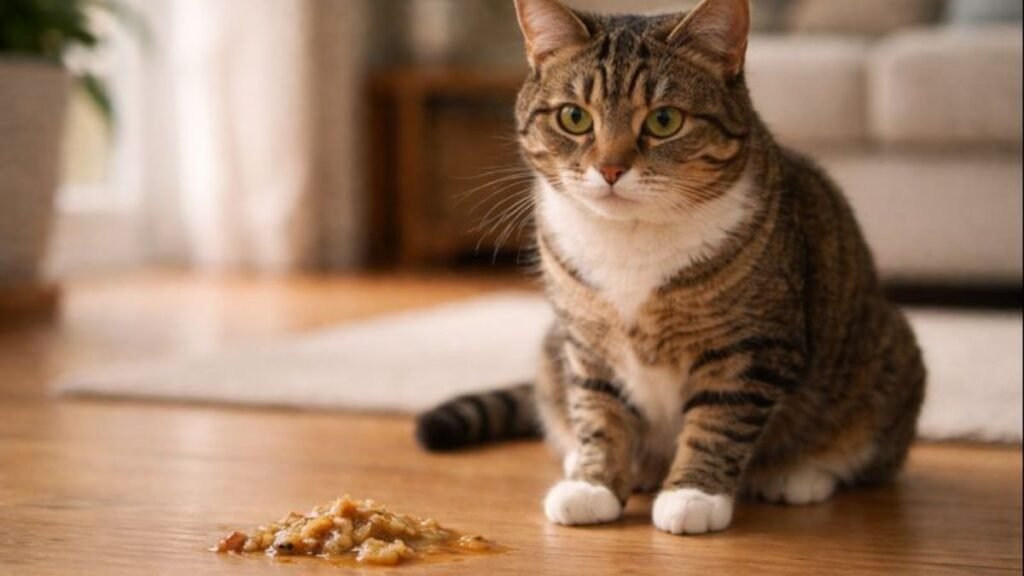
Early signs of kidney disease in cats are quiet, slow, and dangerously easy to miss. Your cat drinks more water than usual. The litter box fills faster. Their once-sleek coat looks dull and rough. These quiet changes are easy to dismiss as normal aging — but they could be the earliest warning signs of one of the most serious health threats facing cats today. This guide will walk you through every warning sign, every stage, and every action you need to take — before the situation becomes a real emergency for your beloved companion.
What Exactly Is Kidney Disease in Cats?
Kidney disease in cats — also called chronic kidney disease or feline CKD— is the persistent, progressive loss of kidney function over time. Unlike many illnesses that strike suddenly, cat kidney failure develops gradually, often silently, over months or years before any outward signs appear. The kidneys contain thousands of tiny filtering units called nephrons, and once those nephrons are damaged, they cannot regenerate or repair themselves.
Chronic kidney disease is the most common metabolic disease of domesticated cats, affecting up to 40% of cats over 10 years old and 80% of cats over 15 years old. That’s an extraordinary number, making feline kidney disease one of the most important health topics every cat owner needs to understand thoroughly before problems arise.
The Early Signs of Kidney Disease in Cats — What to Watch For
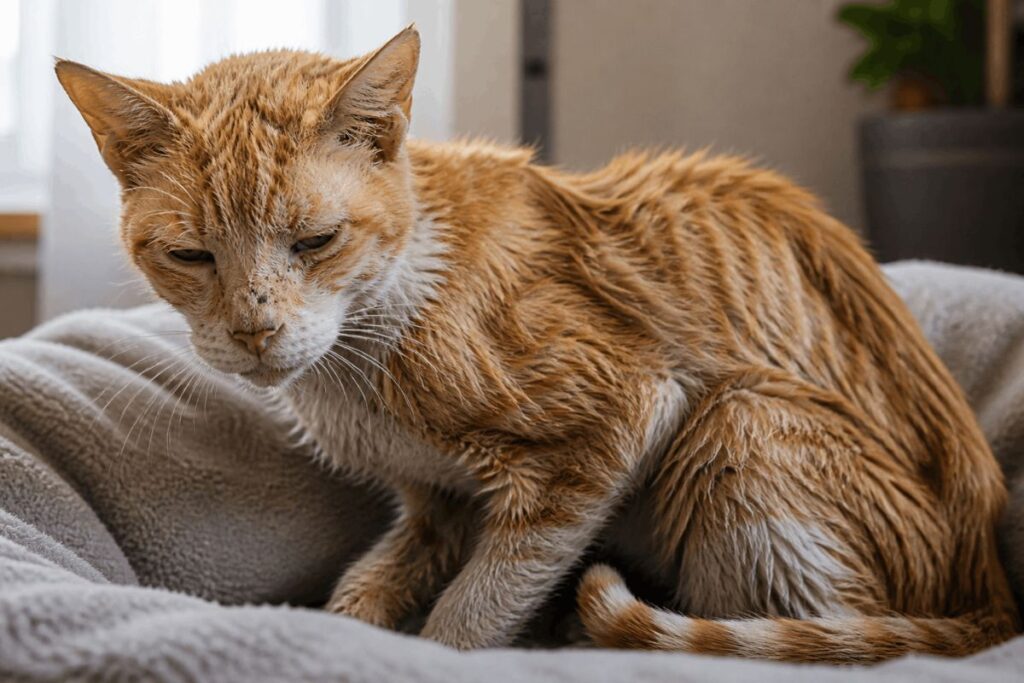
In the early stages of kidney disease in cats, it is very common for cats to show no obvious clinical signs as their bodies compensate for the decrease in kidney function. That silent progression is exactly what makes early detection of cat kidney disease so critical. Most owners miss the window where intervention matters most — because the signs are subtle, slow, and easy to confuse with normal aging.
Here are the most important early warning signs every owner must know:
| Early Warning Sign | What It Means |
| Increased water drinking | Kidneys losing ability to concentrate urine |
| More frequent urination | Kidneys compensating for lost function |
| Gradual weight loss | Toxin buildup suppressing appetite |
| Dull or rough coat | Dehydration affecting skin and fur quality |
| Reduced appetite | Nausea from waste product accumulation |
| Lethargy and low energy | Toxins building in bloodstream |
Increased Thirst and Urination — The First Red Flag
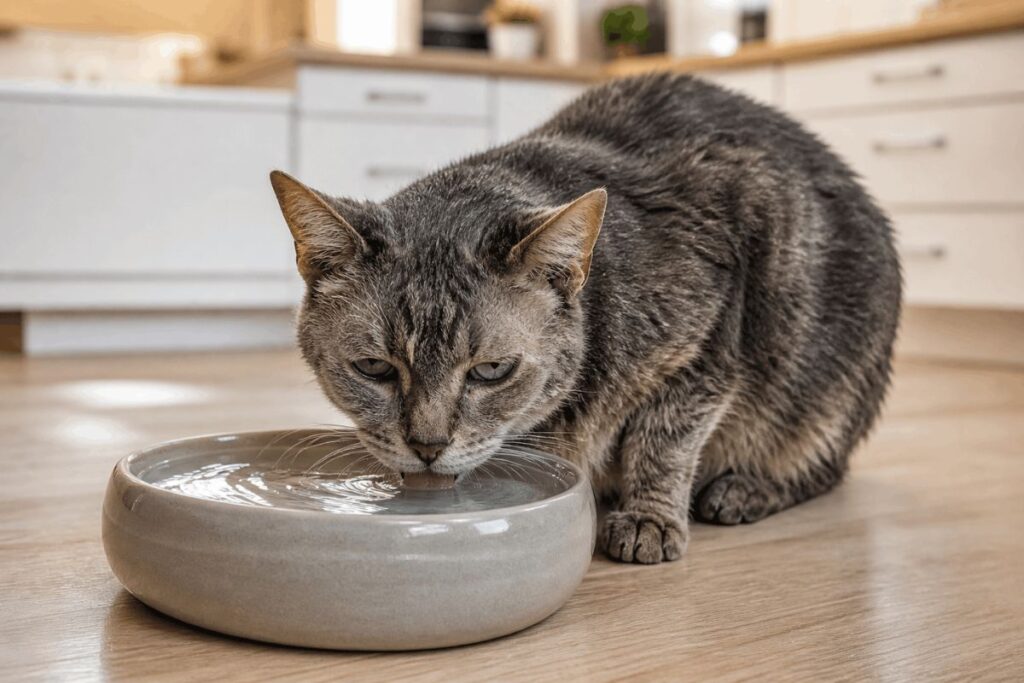
What are the very first signs of kidney failure in cats? Increased thirst and urination top the list consistently. As the kidneys lose their ability to concentrate urine effectively, cats may begin to urinate greater volumes and drink more water to compensate. You’ll notice the water bowl emptying faster and litter box clumps growing noticeably larger — two changes most owners initially ignore completely.
Extra trips to the water bowl, unexplained vomiting, or gradual weight loss can all be early indicators of feline kidney disease. As one owner shared, “I thought my cat just loved water. I had no idea her kidneys were already struggling.” That’s the quiet danger of cat kidney disease early signs — they look harmless until they aren’t.
Weight Loss and Poor Coat — Easy Signs to Miss
Early signs of disease, such as weight loss and poor coat quality, are often dismissed as normal aging changes. Don’t make that mistake. Gradual weight loss in cats, alongside a dull, greasy, or patchy coat, is your body’s early signal that something serious is happening internally.
Cats with kidney disease often stop grooming as they feel unwell. Dehydration can also dry out the skin, making fur greasy, patchy, or rough. If your cat’s coat looks different from a few months ago, take that change seriously and book a vet appointment immediately without waiting any longer.
The 4 Stages of Cat Kidney Disease — Full Breakdown
Feline kidney disease is measured in four stages based on recommendations from the International Renal Interest Society. Staging is based on monitoring and measuring key kidney values, including creatinine and SDMA, urine protein levels, and blood pressure.
Here is a clear breakdown of all four stages:
| Stage | Kidney Function | Key Signs |
| Stage 1 | Minimal loss | No visible symptoms — bloodwork only |
| Stage 2 | Mild loss | Subtle thirst increase, slight weight loss |
| Stage 3 | Moderate loss | Vomiting, appetite loss, significant weight loss |
| Stage 4 | Severe loss | Severe vomiting, collapse, disorientation |
With proper management, some cats live for many years after being diagnosed — but that outcome depends almost entirely on how early detection occurs and how consistently treatment is followed by the owner every single day.
Which Cats Are Most at Risk
Feline CKD is mainly a problem in mature and senior cats, seven years and older. It affects an estimated 30 to 40% of cats over 10 years and 81% of cats over 15 years. Only about 10% of cases occur in cats less than three years old.
Here’s a simple risk table:
| Risk Factor | Detail |
| Age 7+ | Primary risk factor — annual screening needed |
| Persian cats | Prone to polycystic kidney disease |
| Maine Coon | Higher genetic risk |
| Abyssinian | Elevated hereditary risk |
| Toxin exposure | Lilies, antifreeze, ibuprofen — immediate risk |
During wellness visits, veterinarians assess breed predispositions, review diet and hydration habits, and screen for early signs before clinical illness develops. Annual screening after age seven is genuinely non-negotiable for any responsible cat owner.
How Vets Diagnose Kidney Disease in Cats
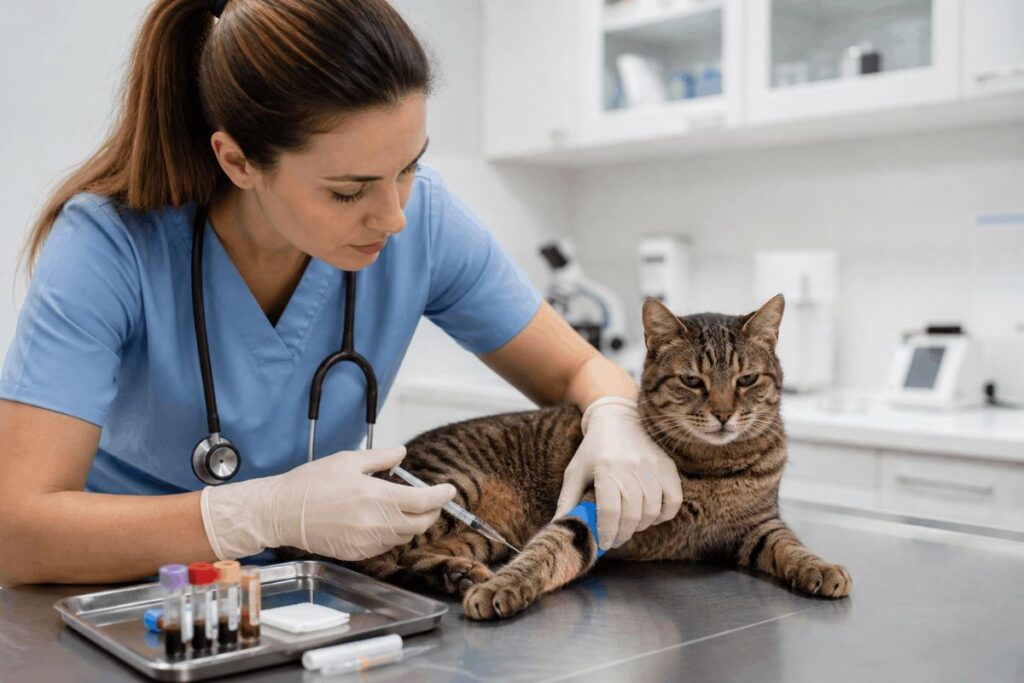
How is kidney disease diagnosed in cats? Your vet uses a combination of blood tests, urinalysis, and imaging to confirm and stage the diagnosis accurately. Your vet can evaluate your cat’s kidney function with a blood test and urine analysis. To collect urine, your vet will use a needle to collect it directly from the bladder.
Key blood markers include:
| Test | What It Measures |
| Creatinine | Waste product filtered by healthy kidneys |
| SDMA | Earlier, more sensitive kidney damage marker |
| BUN | Blood urea nitrogen — toxin buildup |
| Phosphorus | Elevated levels indicate kidney stress |
| Urinalysis | Measures urine concentration and protein leakage |
Cats will often show no obvious clinical signs in the early stages of CKD, but early diagnosis gives the best chance for a longer and healthier life. If your cat is over seven years old and hasn’t had bloodwork in the last twelve months — book that appointment this week without delay.
Can Kidney Disease in Cats Be Treated
Can kidney disease in cats be reversed? Though you may be able to slow the progression, kidney tissue cannot regenerate, and CKD cannot be reversed. That’s the honest answer. However, “cannot be reversed” is very different from “cannot be managed.” Many cats diagnosed with early-stage CKD live comfortable, high-quality lives for three to five years or more with consistent proactive management every single day.
Treatment goals focus on slowing progression, managing symptoms, and maintaining the best possible quality of life. Here’s what your vet will typically recommend:
| Treatment | Purpose |
| Prescription renal diet | Low phosphorus — slows disease progression |
| Increased hydration | Prevents dehydration and kidney stress |
| Blood pressure medication | Controls hypertension that accelerates damage |
| Phosphorus binders | Reduces phosphorus absorption from food |
| Subcutaneous fluids | Home fluid therapy for hydration support |
| Regular bloodwork | Monitors disease progression every 3 months |
Diet and Home Care for Cats With Kidney Disease
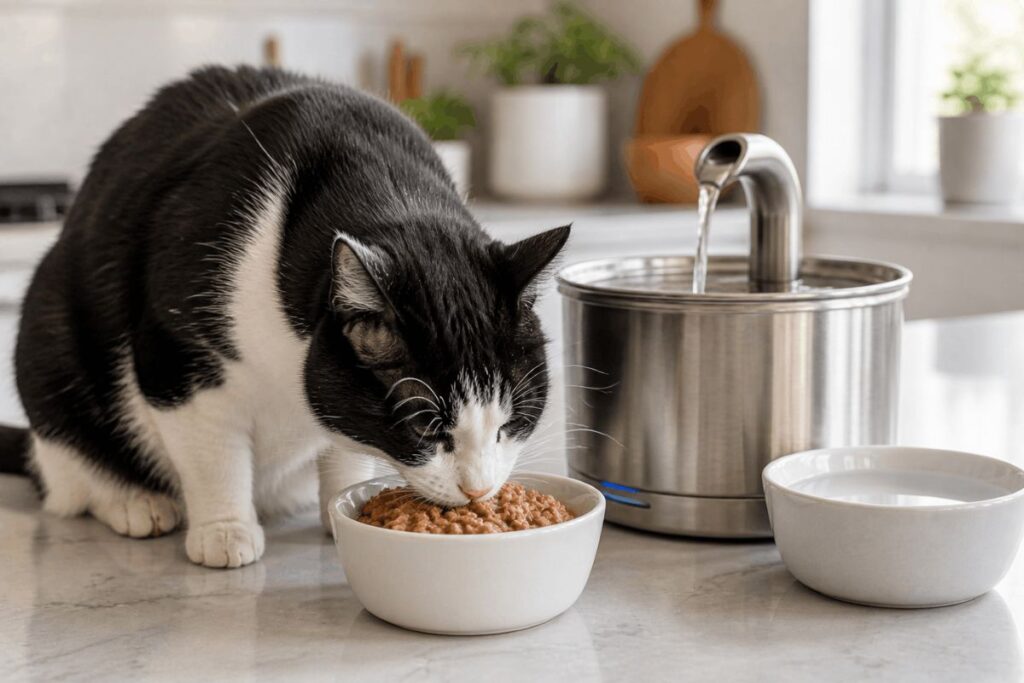
What should cats with kidney disease eat? A kidney-specific prescription diet is the single most important treatment tool available. Dietary modification is an important and proven aspect of CKD treatment. Kidney diets are low in phosphorus and carefully restricted in protein quantity while maintaining high protein quality throughout every meal.
Here are practical home care tips every owner should follow consistently:
Fresh water availability at multiple locations throughout your home encourages drinking all day. Wet food significantly increases daily water intake compared to dry kibble alone. A cat water fountain attracts cats more effectively than still bowl water — one of the highest value purchases for any senior cat. Weigh your cat weekly using a kitchen scale and keep a simple daily log tracking water intake, appetite, litter box output, and energy level. Sudden changes in any of these metrics warrant an immediate vet call rather than a wait-and-see approach.
Emergency Signs — When to Go to the Vet Immediately
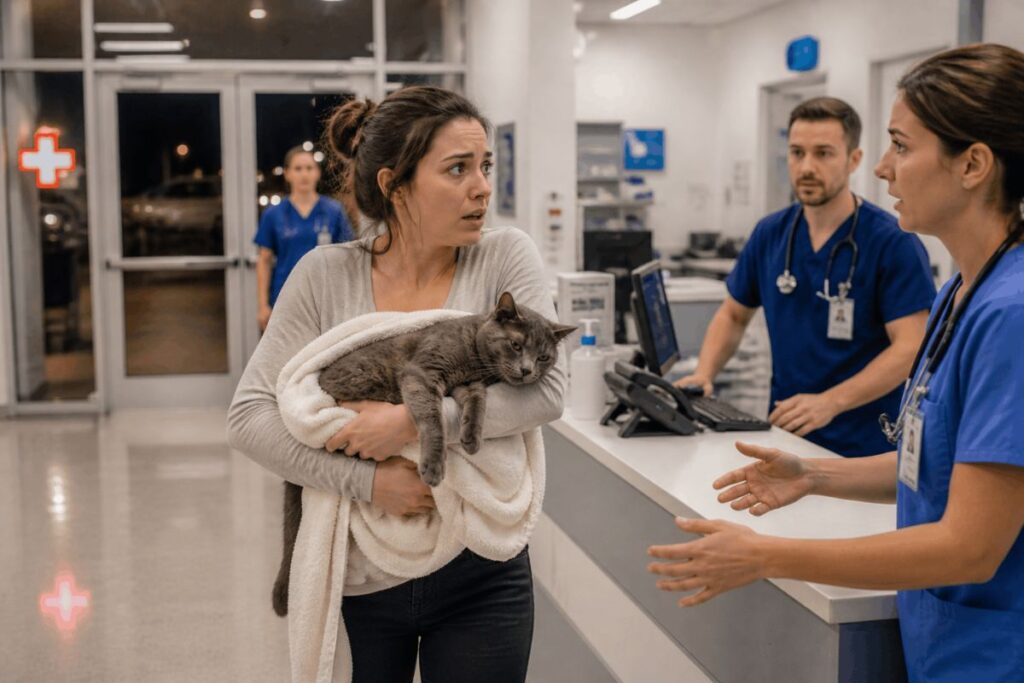
What are the emergency signs of kidney failure in cats? Some symptoms require immediate emergency veterinary care. Your cat needs emergency care if they show severe low energy, persistent vomiting, inability to urinate, or appear disoriented. Cats with pale or discolored gums, breathing difficulties, or seizures related to kidney failure need immediate veterinary attention.
Acute kidney injury requires quick veterinary attention as it can progress rapidly within hours. Kidney failure emergencies can turn fatal within twenty-four hours without aggressive intravenous fluid therapy. The most dangerous toxins that cause acute kidney failure in catsinclude lilies — the most dangerous household plant — antifreeze, ibuprofen, grapes and raisins, and certain antibiotics that damage kidney cells.
Famous Cats Who Raised Awareness for Kidney Disease
Many beloved, famous cats have brought attention to feline kidney disease. Grumpy Cat — the internet’s most famous feline — reportedly suffered from kidney complications in her later years. Countless social media cats have helped millions of owners learn about cat kidney disease symptoms and early detection through their owners’ public sharing. Every story shared saves another cat’s life somewhere in the world.
In the USA, Morris Animal Foundation actively funds feline CKD research— working to develop better detection methods and treatments that extend healthy life for cats diagnosed with this condition every single day across America.
Final Thoughts on Early Signs of Kidney Disease in Cats
In the end, the early signs of kidney disease in cats are quiet, slow, and easy to miss — but catching them early is the most powerful thing you can do for your cat’s long-term health. Increased thirst, gradual weight loss, and a dull coat are not normal aging. They are warning signals that deserve immediate veterinary attention.
Schedule annual bloodwork for any cat over seven years old. Know the emergency signs. Follow your vet’s management plan consistently. Your cat can’t tell you when something is wrong — but their body leaves clues every single day for owners paying close enough attention.
FAQs
What are the first signs of kidney disease in cats?
Increased thirst, more frequent urination, gradual weight loss, reduced appetite, and a dull, rough coat are the earliest warning signs most owners notice first.
At what age should cats be screened for kidney disease?
Annual bloodwork screening should begin at age seven, and every six months for cats over ten years old.
Can a cat live a long life with kidney disease?
Yes — with early diagnosis and consistent management including prescription diet, hydration support, and regular monitoring, many cats live comfortably for years after diagnosis.
What foods should cats with kidney disease avoid?
High phosphorus foods, high sodium foods, and excessive protein should be avoided. Your vet will prescribe a specific renal diet for your cat’s disease stage.
Is kidney disease in cats painful?
Cats don’t feel acute pain but feel chronically nauseous, tired, and unwell as toxins accumulate. Proper management significantly improves their daily comfort and quality of life.
This article is for informational purposes only and does not substitute professional veterinary advice. If you suspect your cat has kidney disease, consult a licensed veterinarian immediately.

Wahsay Ahmed is the founder of FelineNest and a cat care writer. His interest in feline health began in 2023 after adopting two cats, Whisker and Mochi. Since then, he has spent two years studying trusted veterinary resources, feline behavior, nutrition, and preventive care while applying that knowledge through daily care of his own cats.