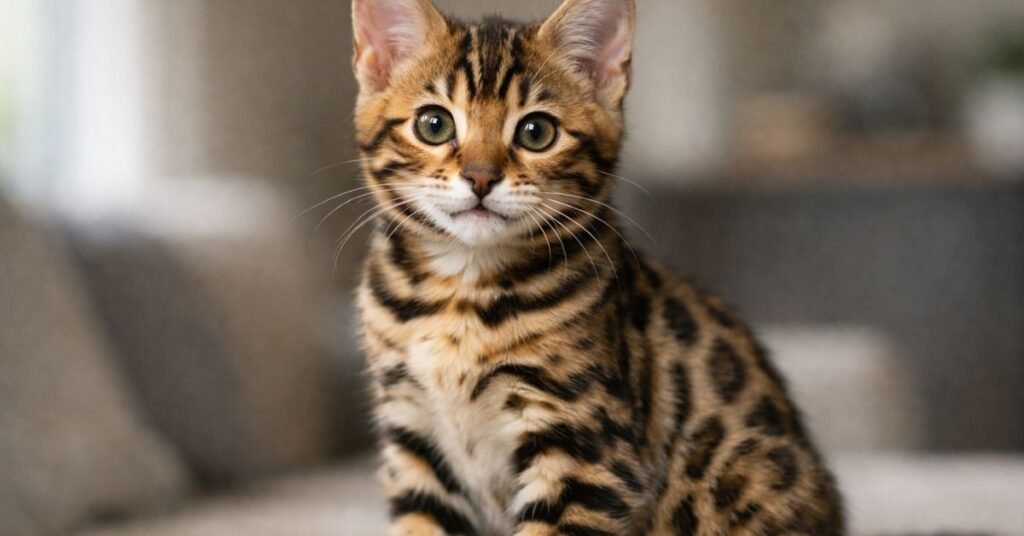
Buying a Bengal cat is exciting, but understanding the Bengal cat price is essential before making that decision. These cats stand out for their wild appearance, sharp intelligence, and high energy levels, which directly affect their cost. In 2026, prices vary widely based on breeder quality, bloodlines, and care standards.
Many new owners focus only on the Bengal kitten price, yet overlook long-term expenses tied to health, diet, and lifestyle. Knowing what influences Bengal cat cost, from ethical breeding to ongoing care, helps you avoid surprises later. This guide breaks down realistic pricing, explains why Bengal cats are expensive, and prepares you to budget wisely before bringing one home.
How Much Does a Bengal Cat Cost? (Average Price Range)
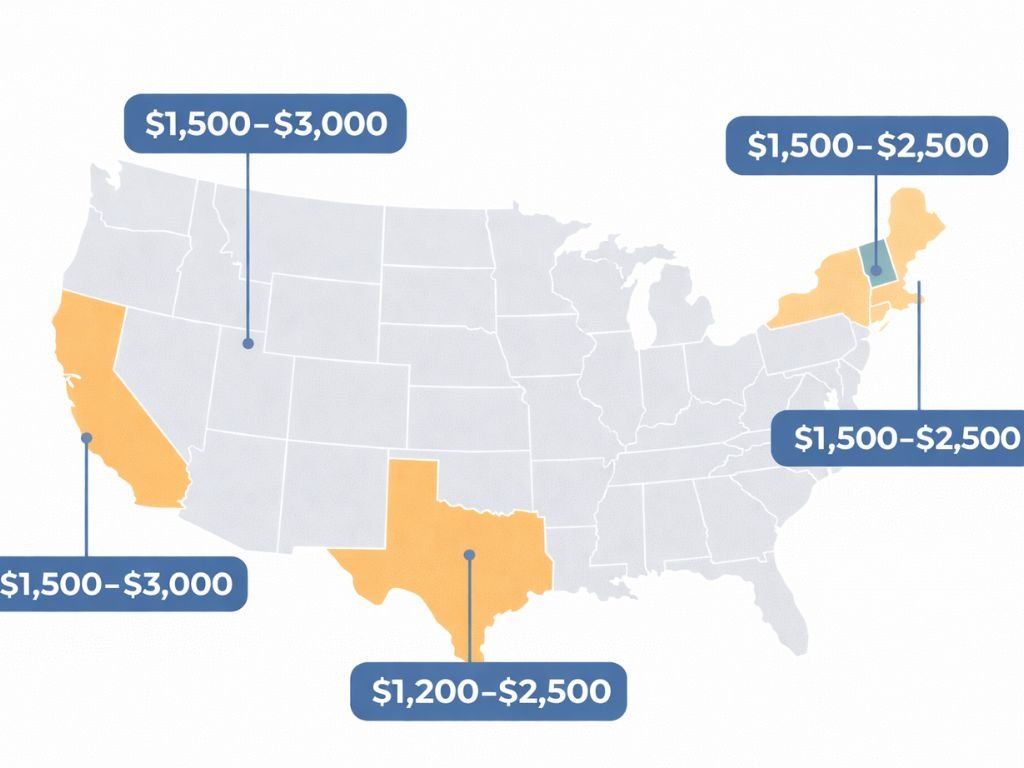
The Bengal kitten price in the United States ranges from $2,500 to $5,000, depending on quality and bloodlines. Pet-quality kittens cost less, while quality Bengal kittens for show or breeding purposes reach higher prices. Bengal cat breeder pricing reflects the care, socialization, and veterinary attention invested in each kitten.
When you buy a Bengal kitten, you aren’t just paying for a cat; you are paying for veterinary care for kittens, genetic testing for Bengal cats, and Bengal cat health history. A responsible breeder includes these in the Bengal cat adoption cost, making the upfront price a reflection of long-term quality and support.
Bengal Cat Price by Location (City & Region Breakdown)
Bengal cat prices vary significantly across the USA — sometimes by $1,000 or more for the same quality kitten. Location affects pricing because of breeder density, local demand, and cost-of-living differences. Understanding regional pricing prevents you from overpaying or misidentifying a low price as a bargain.
Average Bengal Cat Price USA 2026 — By Region
This is the regional breakdown most Bengal cat articles never include — and it is the most practical data for any USA buyer.
| US Region | States | Pet Quality | Show Quality | Notes |
|---|---|---|---|---|
| Northeast | NY, MA, CT, NJ, PA | $3,500–$5,000 | $6,000–$10,000+ | NYC drives highest prices — premium demand |
| Southeast | FL, GA, NC, SC, VA | $2,500–$4,000 | $4,500–$7,000 | Growing market — more breeders than 5 years ago |
| Midwest | IL, OH, MI, IN, WI | $2,000–$3,500 | $4,000–$6,500 | Most competitive pricing — lower cost of living |
| South | TX, LA, TN, AR, OK | $2,200–$3,800 | $4,200–$7,000 | Texas largest market — prices rising rapidly |
| Mountain West | CO, UT, AZ, NV, NM | $2,500–$4,000 | $4,500–$7,500 | Fewer registered breeders — waitlists common |
| West Coast | CA, WA, OR | $3,000–$5,000 | $5,000–$10,000+ | CA AB 485 compliance adds $300–$600 to cost |
California note: California’s AB 485 law now requires documented socialization logs and stricter breeding records. This compliance cost flows directly into what buyers pay — West Coast Bengal prices consistently run $500 to $1,000 higher than equivalent Midwest breeders for this reason.
Best value regions: Midwest buyers consistently get the best combination of ethical breeders and competitive pricing. If you live on the East or West Coast, searching Midwest breeders and factoring in shipping or travel ($300–$600) often saves $800 to $1,500 on the purchase price.
Bengal Cat Price USA vs UK vs Australia — International Comparison
USA buyers often wonder whether Bengal cats cost more in America than elsewhere. The answer: yes — significantly more in most cases. USA Bengal prices are among the highest in the world due to limited ethical breeders, strict import regulations, and fierce domestic demand.
| Country | Currency | Pet Quality | Show Quality | Key Reason for Difference |
|---|---|---|---|---|
| USA | USD | $2,000–$5,000 | $5,000–$10,000+ | High demand, limited breeders, import costs |
| UK | GBP | £800–£2,000 | £2,500–£5,000 | More established breeder network, lower demand |
| Australia | AUD | AU$2,000–$4,000 | AU$5,000–$9,000 | Strict biosecurity import laws drive prices up |
| Canada | CAD | CA$2,000–$4,500 | CA$5,000–$8,000 | Similar to USA but fewer urban breeders |
| Europe (avg) | EUR | €800–€2,500 | €3,000–€6,000 | Largest breeder network globally — most competitive |
Can you import a Bengal from Europe to save money? Technically, yes — but USDA import regulations, veterinary health certificates, international shipping ($500–$1,200), and quarantine requirements eliminate most of the savings. In practice, importing is rarely cheaper than buying domestically when all costs are factored in.
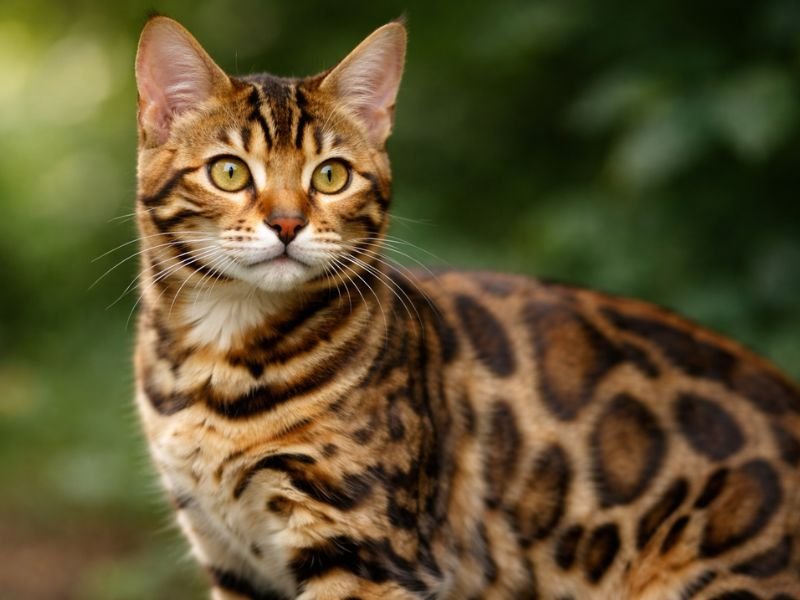
Why Are Bengal Cats So Expensive? (Price Factors Explained)
Bengal cats are expensive due to the high costs associated with the Bengal cat breeding program. Ethical breeders invest in genetic testing for Bengal cats, high-quality nutrition, and socialization. The cost includes proper vaccination, veterinary exams, and early exposure to family life, creating socialized Bengal kittens ready for adoption.
Other factors affecting Bengal cat pricing include the cat’s bloodlines, breed standards, and the kitten’s pattern or markings. Rare rosetted patterns or F1-F3 generation kittens are priced higher. Each dollar reflects decades of experienced Bengal breeders maintaining healthy and well-adjusted cats.
Bengal Kitten Price vs Adult Bengal Cat Price
A Bengal kitten typically costs more than an adult Bengal cat. Bengal kittens for sale start around $3,000, while adult Bengals may range $1,500–$2,500 depending on training, temperament, and health history. Adult cats can save initial purchase costs but may require adjustment to new homes.
The price difference also reflects Bengal kitten development stages. Kittens benefit from early socialization and veterinary care, while adults already have established Bengal cat personality traits. Buyers seeking a lifetime companion often prefer kittens despite the higher cost.
Buying a Bengal Cat From a Breeder – What to Expect
When buying from a reputable breeder, expect a detailed Bengal kitten reservation process. Families complete an application to ensure their home suits a high-energy Bengal. Approved buyers are added to the Bengal kitten waitlist, which prioritizes availability based on flexibility and preferences.
Breeders provide full Bengal cat lifetime support, including advice on diet, behavior, and health. Visiting the breeder, either in-person or via Zoom, lets you observe Bengal cat temperament and select the best kitten for your household.

Hidden & Ongoing Costs of Owning a Bengal Cat
Food & Nutrition Costs
Bengals require a raw diet for Bengal cats or high-protein commercial foods. Monthly food costs average $80–$150, depending on age and activity. Feeding quality food ensures long-term health and reduces future Bengal cat health problems.
Vet Visits, Vaccinations & Health Care
Routine care includes annual checkups, vaccines, parasite prevention, and occasional emergencies. Expect $300–$600 per year for veterinary care for kittens and adult cats. Proper planning ensures your Bengal thrives physically and socially.
Grooming & Maintenance
Despite their short coat, Bengals need regular brushing, nail trimming, and dental care. Grooming aids in maintaining Bengal cat care requirements and prevents long-term issues. A professional grooming session may cost $40–$60.
Toys, Scratching Posts & Accessories
Bengals are active and intelligent. Invest in scratching posts, climbing trees, and interactive toys to support Bengal cat personality traits. Initial setup may cost $200–$500, with replacement toys costing $20–$50 monthly.
Monthly & Yearly Cost of Owning a Bengal Cat
Owning a Bengal requires commitment. The Bengal cat ownership cost can total $500–$800 monthly, factoring in food, vet care, grooming, and accessories. Annually, expect $6,000–$10,000 for a single Bengal, excluding the initial purchase.
A table can summarize this:
| Expense Category | Monthly Cost | Yearly Cost |
| Food & Nutrition | $100 | $1,200 |
| Vet Care | $50 | $600 |
| Grooming | $30 | $360 |
| Toys & Accessories | $40 | $480 |
| Total | $220 | $2,640 |
This is just a baseline; emergency vet visits or supplements can increase costs.
How to Save Money When Buying a Bengal Cat
To reduce costs, consider pet-quality Bengals instead of show-quality. Opting for a local breeder can reduce the Bengal kitten placement process and travel costs. Some breeders offer discounts for reserving two kittens or repeat purchases, helping with Bengal kitten reservation affordability.
Being flexible on Bengal kitten availability traits like coat pattern or gender can shorten the Bengal kitten waitlist period. Planning avoids rush decisions and high premiums. For reliable information about cat breeds, health, and responsible ownership, you can also check the Cat Fanciers’ Association, one of the leading cat-breed organizations in the United States.
Is a Bengal Cat Worth the Price? (Pros & Cons)
Bengals are intelligent, playful, and visually striking. Their Bengal cat temperament makes them engaging family companions, but they demand attention and activity. High energy and curiosity may challenge owners unprepared for daily interaction.
Pros include long-term Bengal cat personality traits and robust health from responsible breeding. Cons include high Bengal cat ownership cost, frequent stimulation needs, and sometimes limited breeder availability. Choosing a Bengal requires evaluating lifestyle compatibility.
Personal Experience
Maine notice kiya hai ke large cats ko normal cats ke muqable mein thodi extra space aur stronger accessories ki zarurat hoti hai. Ek large cat ko comfortable dekhne ke liye sturdy cat tree, large litter box, aur daily gentle play kaafi helpful rahe. Size ke saath unki personality bhi bohat important hoti hai.
Final Verdict – Is a Bengal Cat Right for You?
Bengal cats are worth the investment if you can meet their physical and emotional needs. Understanding Bengal cat care requirements, Bengal kitten development stages, and Bengal cat breeder pricing ensures a smooth adoption process.
If you plan, budget carefully, and select your kitten wisely, a Bengal will bring joy and energy to your home. Investing in experienced Bengal breeders guarantees a healthy, well-socialized cat ready for a loving family.

FAQs
How much does a Bengal cat cost?
Bengal cats typically cost between $2,000 and $5,000, depending on their lineage, markings, and breeder reputation.
What cat costs $10,000?
Some rare Bengal cats or show-quality cats with exceptional markings can reach $10,000 or more.
Why is a Bengal cat so expensive?
Bengal cats are costly due to their exotic appearance, breeding difficulty, and high demand. Their spots and sleek coat make them highly sought after.
Is it safe to own a Bengal cat?
Yes, Bengal cats are safe to own. They are playful, energetic, and friendly, but they do require space, attention, and stimulation.

Wahsay Ahmed is the founder of FelineNest and a cat care writer. His interest in feline health began in 2023 after adopting two cats, Whisker and Mochi. Since then, he has spent two years studying trusted veterinary resources, feline behavior, nutrition, and preventive care while applying that knowledge through daily care of his own cats.