
Stomatitis in cats is a painful cat mouth disease that can make even simple activities like eating, grooming, or purring uncomfortable for your furry friend. This condition causes severe oral inflammation in cats, often triggered by infections, immune system issues, or underlying dental problems.
Some cats develop chronic stomatitis in cats, where the inflammation lasts over time, while others experience caudal stomatitis in cats, which affects the back of the mouth and throat. Understanding the causes, early warning signs, and treatment options for feline stomatitis can save your cat from long-term discomfort and improve its quality of life.
What Is Stomatitis in Cats?
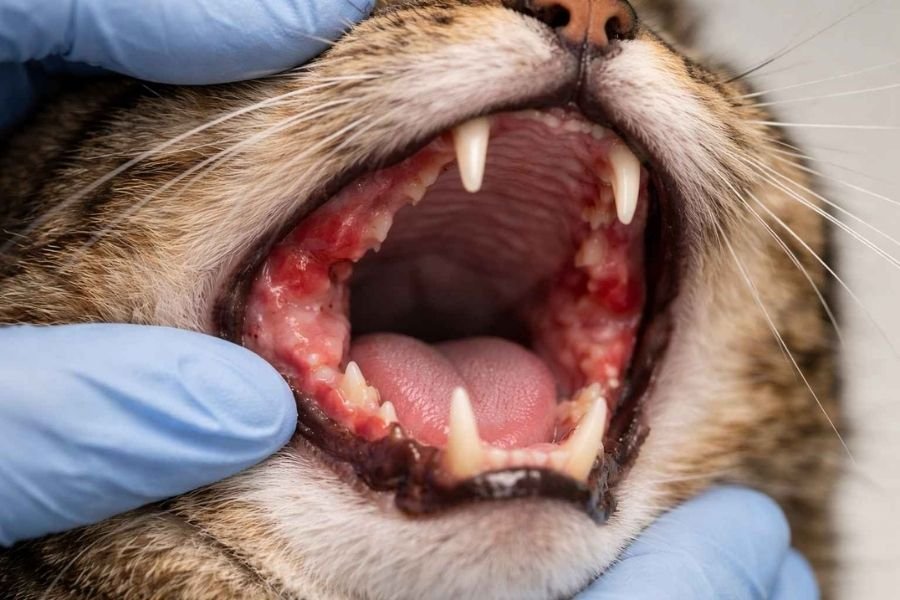
Stomatitis in cats happens when the tissues in the mouth become badly inflamed. Unlike regular dental problems, it is often an immune-mediated stomatitis in cats, meaning the cat’s immune system attacks its own mouth tissues. You may notice mouth inflammation in cats, such as red, swollen, or ulcerated areas on the gums, tongue, or throat.
Vets treat cat stomatitis as a serious oral condition. Dental plaque in cats may start the problem, but the immune system’s overreaction worsens it. Cats with feline calicivirus stomatitis or FIV FeLV-related stomatitis are at higher risk. Understanding what stomatitis in cats is helps owners seek treatment early and prevent chronic pain. If you’d like to learn more about feline stomatitis and other common cat dental conditions, PetMD offers veterinarian-reviewed information to help you better understand diagnosis, treatment, and long-term oral care.
Types and Stages of Stomatitis in Cats
This condition can manifest in various ways. Some cats experience mild irritation limited to the gums, while others develop chronic stomatitis, which affects the entire mouth. Caudal stomatitis in cats is a severe stage, causing ulcers at the back of the mouth and making eating extremely painful. Gingivostomatitis in cats often develops slowly over months if untreated.
The stages range from mild redness to severe ulceration. Early signs include slight drooling or refusing hard food, while advanced cases show cat mouth ulcers, bleeding gums in cats, and weight loss in cats. Spotting the stage early helps your vet plan the right stomatitis in cats treatment and predict long-term outcomes.
Stomatitis in Cats vs Gingivitis (Key Differences)
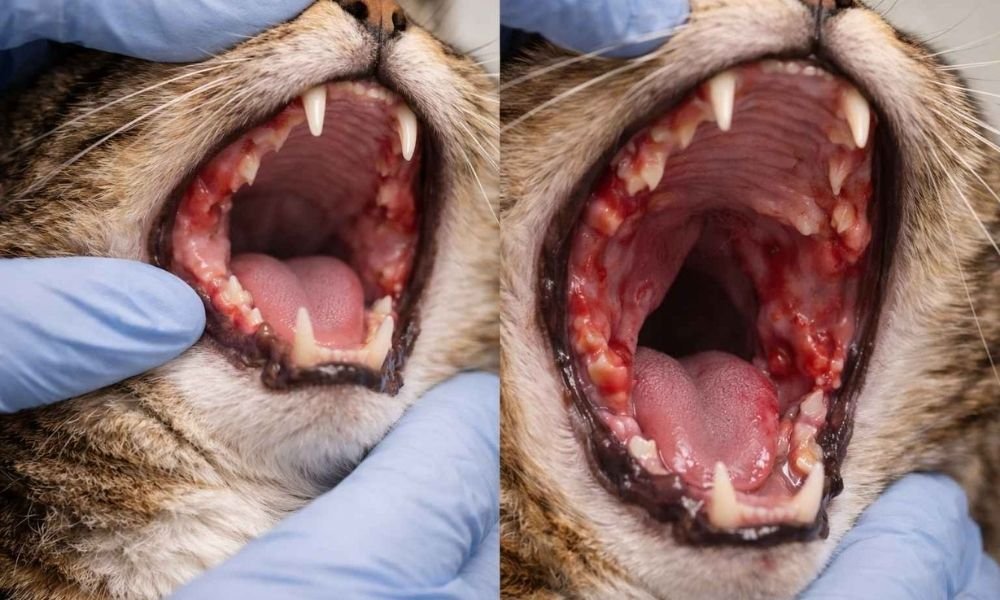
Gingivitis affects only the gums, but stomatitis in cats involves multiple areas of the mouth. Both can cause red, swollen gums in cats, but stomatitis is far more painful. Cats with cat stomatitis often have trouble eating and may show excessive drooling in cats, while gingivitis usually causes mild discomfort.
The causes differ too. Gingivitis is usually triggered by dental plaque in cats, whereas stomatitis in cats often results from an immune response (immune-mediated stomatitis in cats) or viruses like feline calicivirus stomatitis. Treatment varies: gingivitis may improve with dental cleaning, but severe stomatitis in cats can require full mouth extraction in cats.
What Causes Stomatitis in Cats?
The causes of stomatitis in cats are complex. The immune system sometimes overreacts and attacks oral tissues. Dental plaque in cats can trigger this reaction, and viral infections like feline calicivirus stomatitis or FIV, FeLV-related stomatitis increase susceptibility. Genetics may make some cats more prone to the condition.
Other contributors include poor oral hygiene and chronic bacterial infections. Even minor gum irritation can escalate into oral inflammation in cats, causing significant pain. Early recognition of these causes of stomatitis in cats can guide prevention and treatment.
Symptoms of Stomatitis in Cats

The symptoms of stomatitis in cats include bad breath in cats, excessive drooling in cats, and red, swollen gums in cats. Cats may develop cat mouth ulcers, making it painful to eat. Difficulty eating in cats or refusing food is common, sometimes leading to weight loss in cats.
Other signs include irritability, hiding, and refusing to groom. Owners may notice bleeding gums in cats or pawing at the face. Recognising signs of stomatitis in cats early allows for faster treatment and can reduce the need for invasive procedures.
How Vets Diagnose Stomatitis in Cats
Diagnosing stomatitis in cats starts with a thorough oral examination in cats. Veterinarians check for red, swollen gums in cats, ulcers, and inflammation. Dental X-rays for cats identify underlying bone problems or abscesses. Blood tests may detect viral infections such as feline calicivirus stomatitis or FIV, FeLV-related stomatitis.
Sedation is usually needed because the examination can be uncomfortable. Accurate diagnosis separates cat stomatitis from other cat mouth diseases, including cancer or gingivitis. Early and precise diagnosis is key to effective stomatitis in cats.
Treatment Options for Stomatitis in Cats
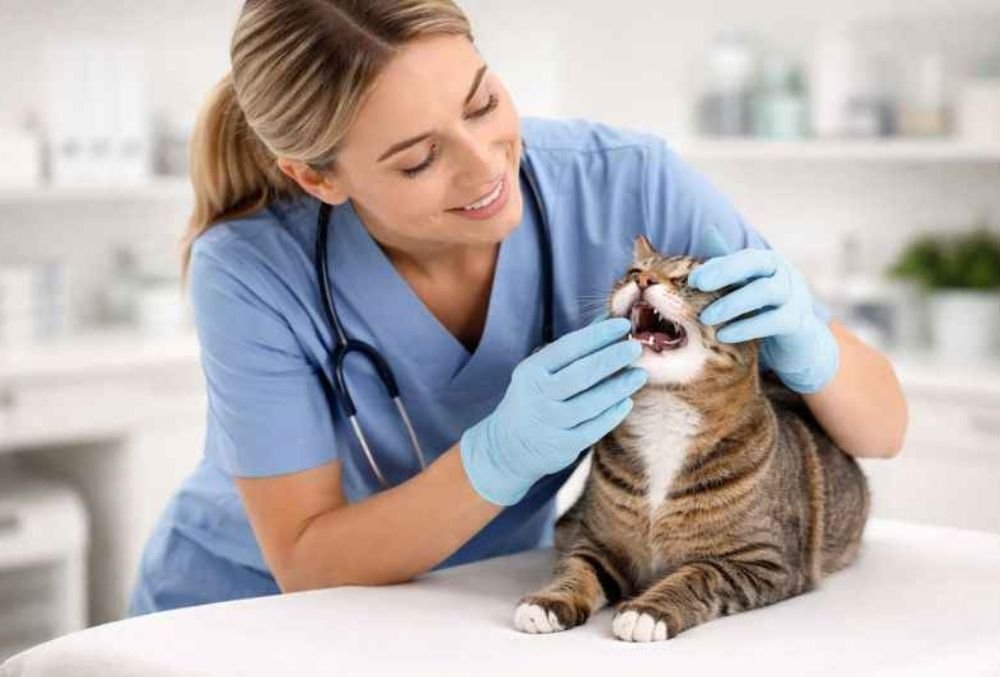
Stomatitis in cats treatment can include medications or surgery. Medications for feline stomatitis include pain management for cats, antibiotics, and steroids for stomatitis in cats. Severe cases may require tooth extraction for stomatitis or full mouth extraction in cats to relieve pain and prevent recurrence.
One experience that stayed with me was seeing a cat that slowly stopped eating dry food and became unusually quiet. At first, the owner thought it was simply being picky, but a veterinary exam revealed severe stomatitis. After treatment and proper pain management, the cat gradually started eating comfortably again and became much more playful. It reminded me how easily cats hide oral pain and why even small changes in eating habits should never be ignored.
Success depends on the cat’s age, severity, and underlying cause. Some cats respond to immune-mediated stomatitis therapy, while others need ongoing care. Home care for stomatitis in cats after treatment is essential for recovery and long-term comfort.
Home Care and Long-Term Management of Stomatitis in Cats

After treatment, long-term management of feline stomatitis is critical. Soft foods, regular oral care, and monitoring for flare-ups keep cats comfortable. Brushing and controlling dental plaque in cats prevents future inflammation. Regular vet visits are often needed to manage chronic stomatitis in cats.
Other comfort measures include adjusting food texture and providing pain relief. Watching for symptoms of stomatitis in cats, such as bleeding gums in cats or difficulty eating in cats, ensures quick intervention. Consistent care improves your cat’s overall quality of life.
Can Stomatitis in Cats Be Prevented?
Not all cases can be prevented, but risks can be lowered. Maintaining cat dental care routines, regular vet visits, and early detection of red, swollen gums in cats helps. Preventing dental plaque in cats reduces triggers for immune-mediated stomatitisin cats.
Recognising signs of stomatitis in cats early allows intervention before it progresses into caudal stomatitis in cats. Simple steps like dietary adjustments and hygiene routines are effective for long-term comfort and prevention.
Table: Common Treatments and Outcomes for Stomatitis in Cats
| Treatment Type | Description | Typical Outcome |
| Medications (antibiotics, steroids) | Reduce pain and inflammation | Partial relief; may require ongoing care |
| Tooth extraction | Partial or full-mouth removal | Often complete relief; long-term management required |
| Home care | Soft foods, oral hygiene | Supports recovery; prevents flare-ups |
| Immune therapy | Modulates immune response | Helps cats with chronic immune-mediated cases |
Stomatitis in Cats FAQs
Q: How long do cats with stomatitis live?
Cats with stomatitis can live normal lives with proper treatment, though chronic cases may require ongoing care. Early diagnosis improves longevity and quality of life.
Q: How do you treat stomatitis in cats?
Treatment often includes medications for pain and inflammation, antibiotics, and sometimes tooth extraction for stomatitis in severe cases. Regular vet care and home oral hygiene help recovery.
Q: What are the early signs of stomatitis?
Early signs include bad breath in cats, red, swollen gums in cats, drooling, reluctance to eat, and pawing at the mouth. Spotting these early prevents severe disease.
Q: Do cats with stomatitis need their teeth removed?
Some cats respond to medications, but severe cat stomatitis may require partial or full mouth extraction in cats. Many cats thrive after surgery.

Wahsay Ahmed is the founder of FelineNest and a cat care writer. His interest in feline health began in 2023 after adopting two cats, Whisker and Mochi. Since then, he has spent two years studying trusted veterinary resources, feline behavior, nutrition, and preventive care while applying that knowledge through daily care of his own cats.