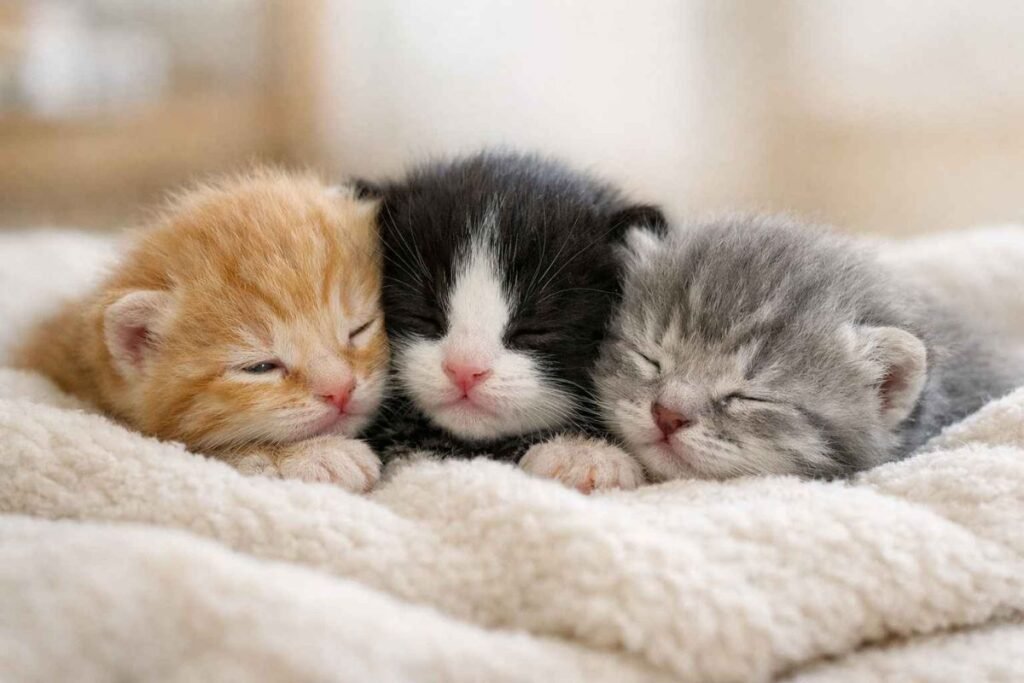
Fading kitten syndrome is one of the most distressing experiences for anyone caring for newborn cats. A kitten may appear healthy at birth, then suddenly grow weak, quiet, and unable to nurse. This condition is a leading cause of neonatal kitten mortality and often strikes during the most fragile days of life.
Many owners mistake early warning signs for normal behavior, which delays help. Issues such as kitten failure to thrive, infection, or kitten low body temperature can worsen rapidly without care. Because a fading kitten is a true medical emergency, early recognition and fast veterinary support are essential. Acting quickly can dramatically improve survival and give vulnerable kittens a real chance to grow strong.
What Is Fading Kitten Syndrome? (Simple Explanation)
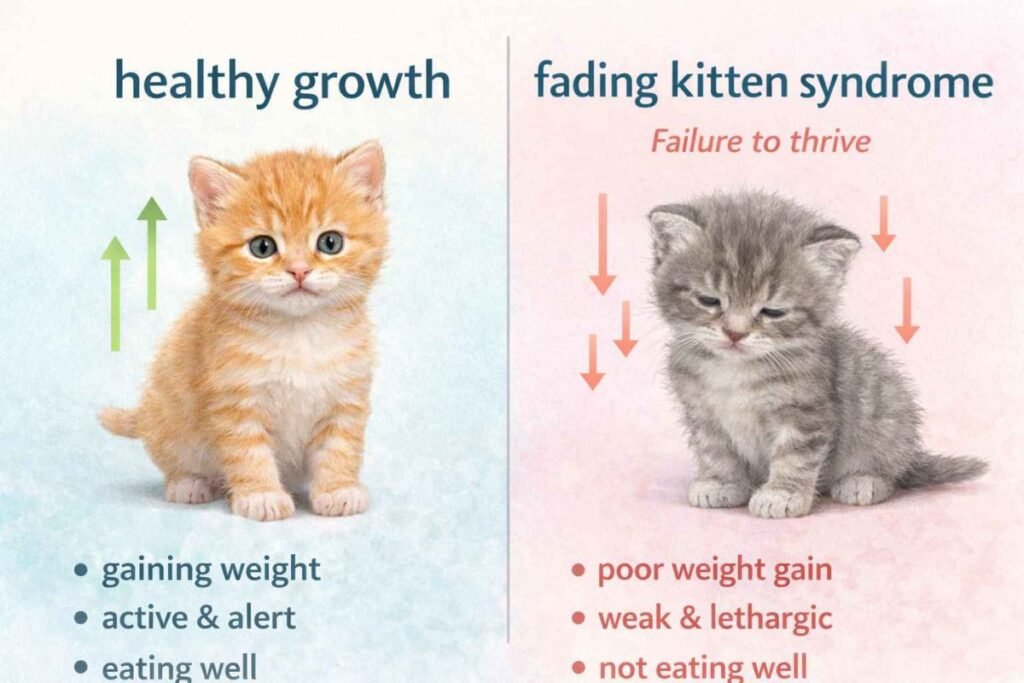
Fading Kitten Syndrome means a kitten shows failure to thrive during the earliest days of life. Instead of growing stronger, the kitten becomes weaker and slowly shuts down. This condition is a true medical emergency because kittens can decline within hours, not days.
During the neonatal period, kittens depend fully on warmth, milk, and protection. When something disrupts immune system development, the kitten cannot cope. What starts as a simple newborn kitten illness can quickly become life-threatening without care.
At What Age Does Fading Kitten Syndrome Occur?
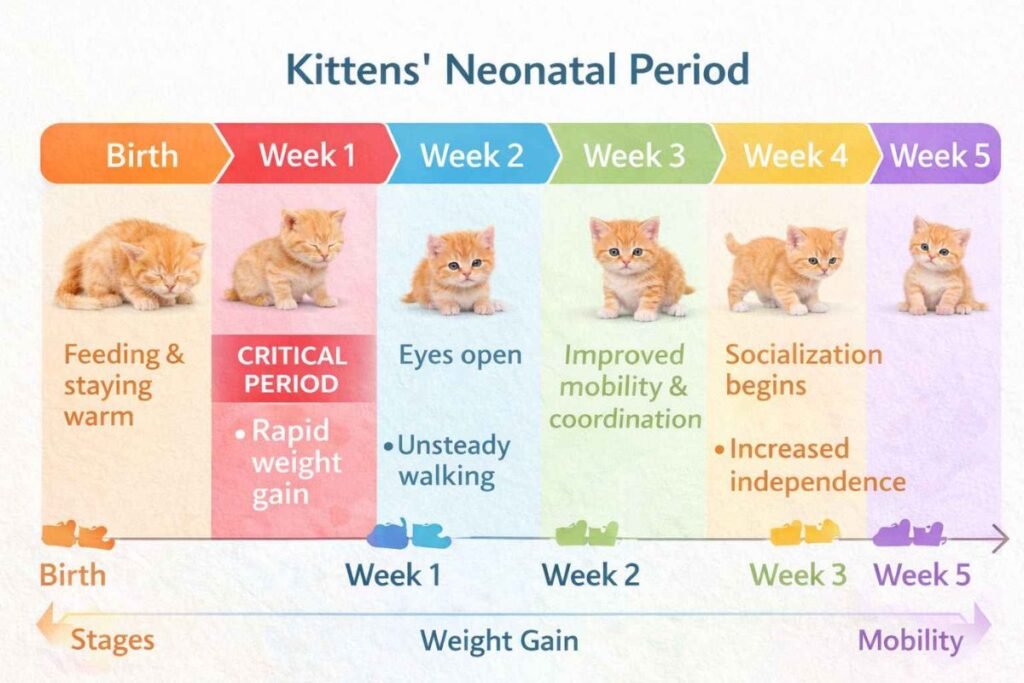
Most cases of Fading Kitten Syndrome appear between birth and weaning age, which is around four to five weeks. The danger is greatest in the first week of life, when kittens cannot control their temperature or blood sugar.
This early stage is fragile. A weak newborn kitten or a kitten not reaching milestones often signals trouble. Many cases of neonatal kitten mortality happen simply because help comes too late.
Common Signs and Symptoms of Fading Kitten Syndrome
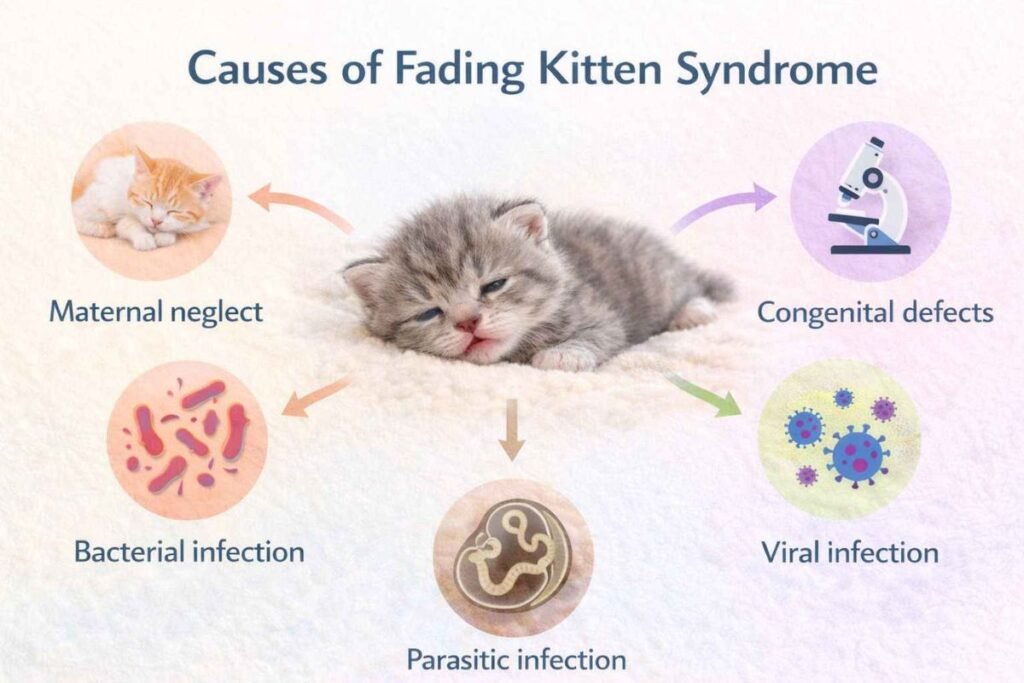
The earliest fading kitten syndrome symptoms are easy to miss. A kitten may seem quiet, sleep too much, or show lethargy. Over time, clearer signs of fading kitten syndrome appear, such as the kitten not gaining weight, poor crying strength, or refusal to nurse.
Advanced symptoms include low body temperature, breathing trouble, vomiting, diarrhea, and pale gums. These signs mean a fading kitten emergency is already underway and immediate help is critical.
What Causes Fading Kitten Syndrome?
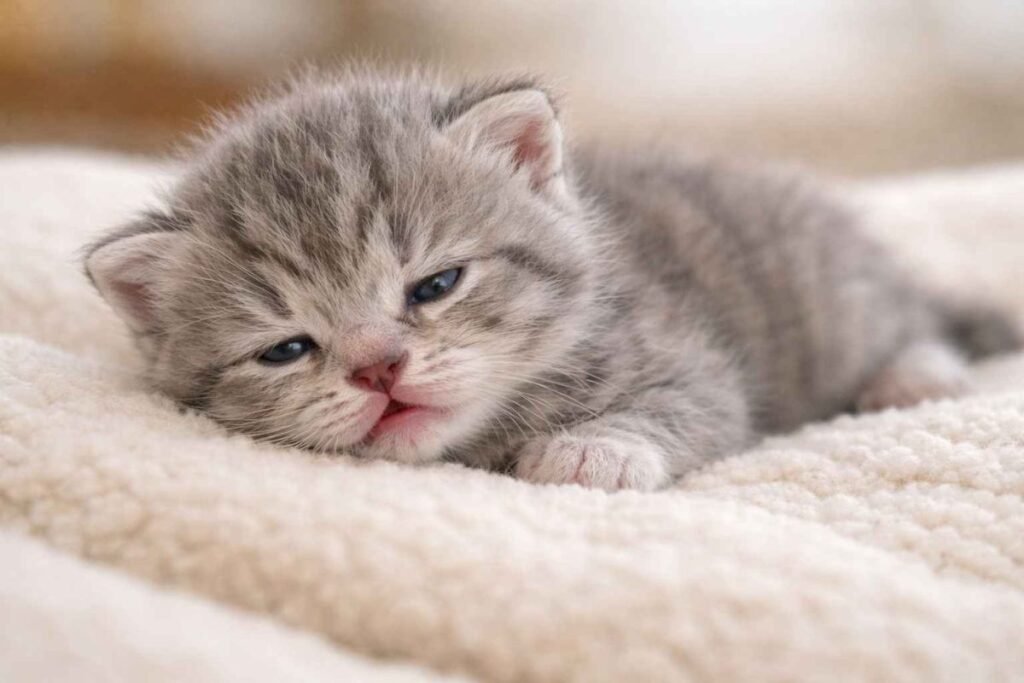
There are many causes of fading kitten syndrome, and they often overlap. Some kittens suffer maternal neglect in cats, while others are born with congenital defects in kittens involving the heart, lungs, or digestion. Problems during birth can also start the decline.
Infections play a major role. A bacterial infection, viral infection, or parasitic infection can overwhelm a kitten’s weak defenses. Poor maternal antibody transfer also leaves kittens unprotected during early life.
Is Fading Kitten Syndrome Contagious?
Fading Kitten Syndrome itself is not always contagious. However, if the cause is infectious, other kittens may be at risk. Viruses, bacteria, and parasites spread easily among littermates.
Non-infectious causes like birth defects or blood-type reactions do not spread. A veterinarian decides the risk level through veterinary diagnosis, which protects the rest of the litter.
How Veterinarians Diagnose Fading Kitten Syndrome
Veterinarians start by checking growth, hydration, and warmth. Daily weight monitoring is vital, since healthy kittens gain weight every day. Failure often confirms kitten failure to thrive.
Testing may include blood work, fecal testing, and sometimes ultrasound imaging. Even with testing, diagnosis can be difficult. Sadly, some kittens decline before answers are found.
Immediate Action: How You Can Help a Fading Kitten at Home
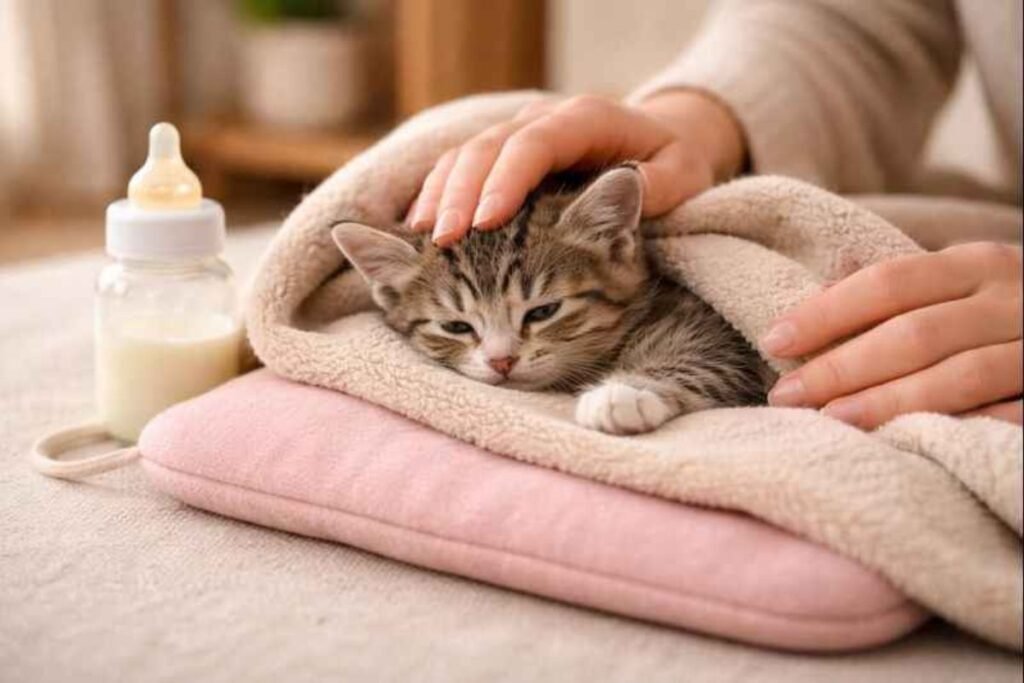
When Fading Kitten Syndrome is suspected, warmth comes first. Body temperature regulation prevents hypothermia in kittens, which quickly leads to collapse. Gentle feeding may help, but force feeding is dangerous.
Low energy often means hypoglycemia in kittens, also called low blood sugar. Temporary sugar support may help, yet home care never replaces a vet. Any delay risks dehydration, seizures, or death.
Veterinary Treatment Options for Fading Kitten Syndrome
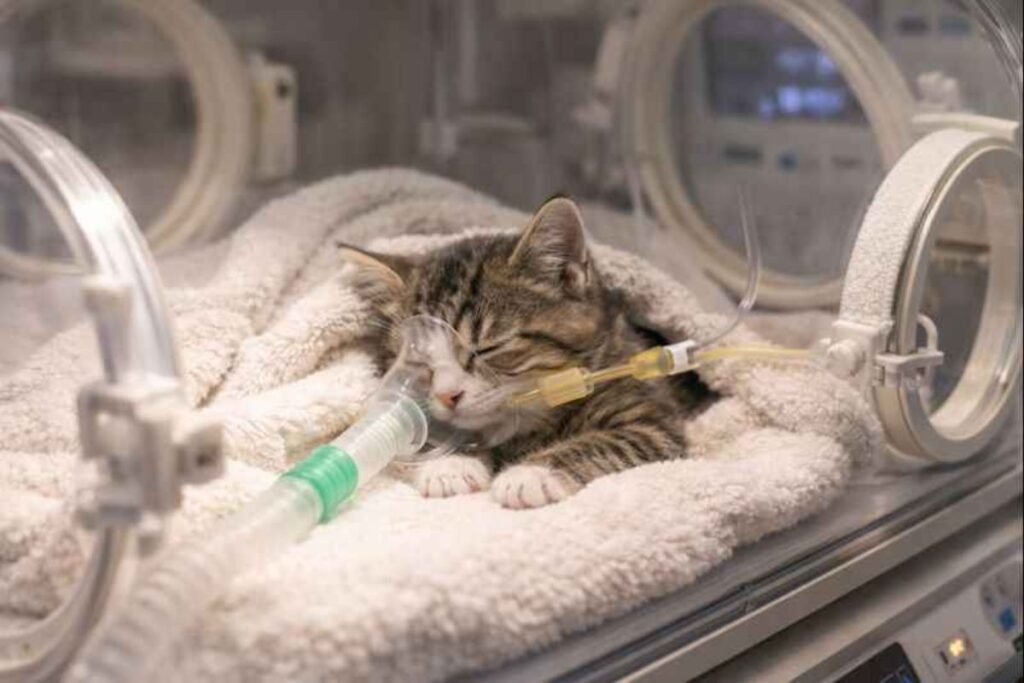
Professional fading kitten syndrome treatment focuses on supportive care. This may include fluid therapy for dehydration, glucose for blood sugar, and medications to fight infection.
Severe cases require tube feeding, milk replacer, oxygen therapy, and incubator care. These tools stabilize kittens while the underlying problem is treated.
| Treatment Method | Purpose |
| Fluids | Restore hydration and circulation |
| Glucose | Correct low blood sugar |
| Antibiotics | Treat bacterial infection |
| Oxygen | Support weak breathing |
| Feeding tube | Provide nutrition safely |
Can a Kitten Survive Fading Kitten Syndrome? (Survival Rate & Prognosis)
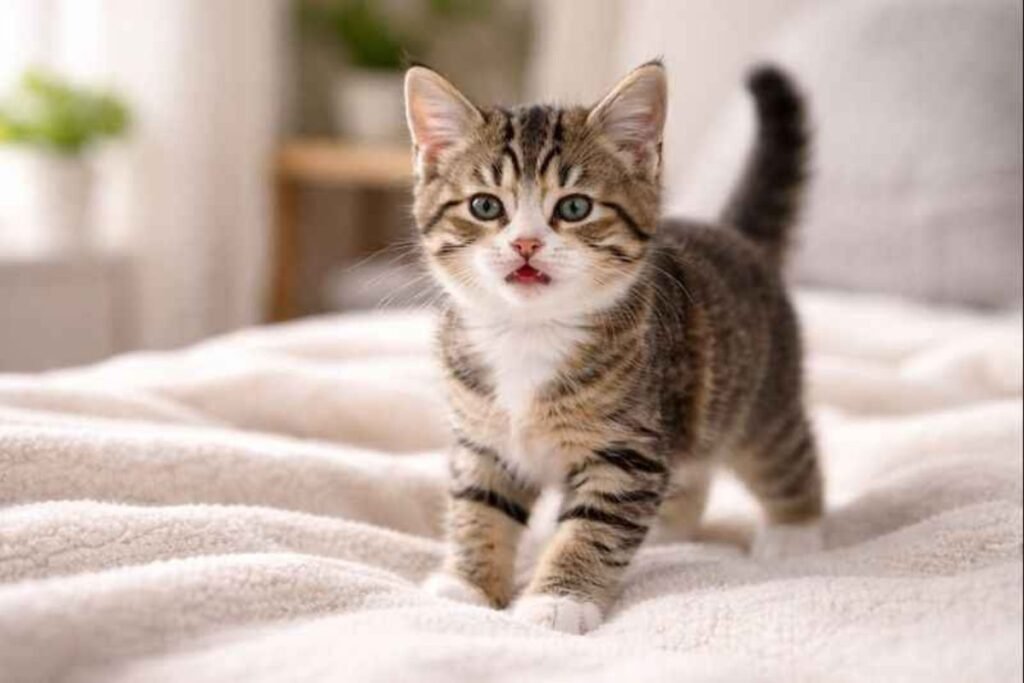
Fading kitten syndrome survival depends on speed. Early treatment greatly improves the prognosis. Delayed care sharply raises the mortality rate, especially during the first days.
Kittens that recover often live normal lives with a good quality of life. Some cases sadly require humane euthanasia when suffering cannot be relieved.
Prevention Tips: How to Reduce the Risk of Fading Kitten Syndrome
Prevention starts before birth. Healthy mothers, clean environments, and parasite control reduce risk. Proper neonatal kitten care includes warmth, nutrition, and hygiene.
Tracking growth using a kitten weight gain chart helps catch trouble early. Prevention does not stop every case, but it saves many lives.
Fading Kitten Syndrome is heartbreaking, but knowledge saves lives. Early action, warmth, and veterinary care make all the difference. Rescuers often report that fading kittens decline very quietly, without obvious distress at first. This information is intended for emergency awareness and does not replace professional veterinary care.
Fading Kitten Syndrome FAQs
Can a kitten survive fading kitten syndrome?
Yes, some kittens do survive fading kitten syndrome if the cause is found early and treatment starts fast. Survival depends on timing, overall strength, and access to immediate veterinary care.
What are the first signs of fading kitten syndrome?
The earliest signs include weakness, constant crying or unusual quietness, poor nursing, and slow weight gain. A kitten may also feel cool or seem less responsive than littermates.
How do you help a fading kitten pass?
If recovery is not possible, a veterinarian may recommend humane euthanasia to prevent suffering. This ensures comfort and protects the kitten’s quality of life during the final moments.
Can a whole litter of kittens have fading kitten syndrome?
Yes, an entire litter can be affected, especially when infection, parasites, poor environment, or maternal issues are involved. This is more common in contagious or environmental causes.
How to save a dying runt kitten?
Act immediately by providing warmth and seeking emergency veterinary care. Early intervention, proper feeding, and medical treatment offer the best chance for survival.

Wahsay Ahmed is the founder of FelineNest and a cat care writer. His interest in feline health began in 2023 after adopting two cats, Whisker and Mochi. Since then, he has spent two years studying trusted veterinary resources, feline behavior, nutrition, and preventive care while applying that knowledge through daily care of his own cats.