Why Is My Cat Throwing Up White Foam? (Quick Answer for Concerned Owners)
Seeing your pet suddenly cat barf white foam can feel alarming, especially when it happens without warning. Many cat owners notice cat vomiting white foam or even cat puking white foam early in the morning, leaving them confused and worried. In most cases, this type of vomiting is linked to an empty stomach or mild irritation, but sometimes it points to deeper health concerns.
If you’ve ever asked yourself why is my cat vomiting white foam, you’re not alone. Understanding the possible reasons behind cat throwing up white foam helps you react calmly, take the right steps, and protect your cat’s health before the issue becomes serious.
What White Foamy Vomit in Cats Actually Means (Breaking Down the Symptoms)

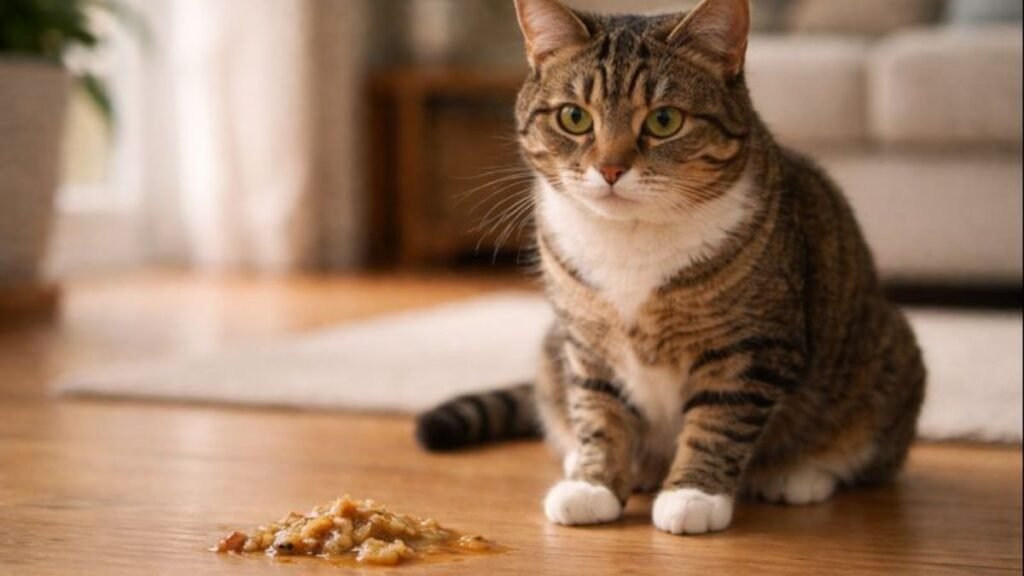
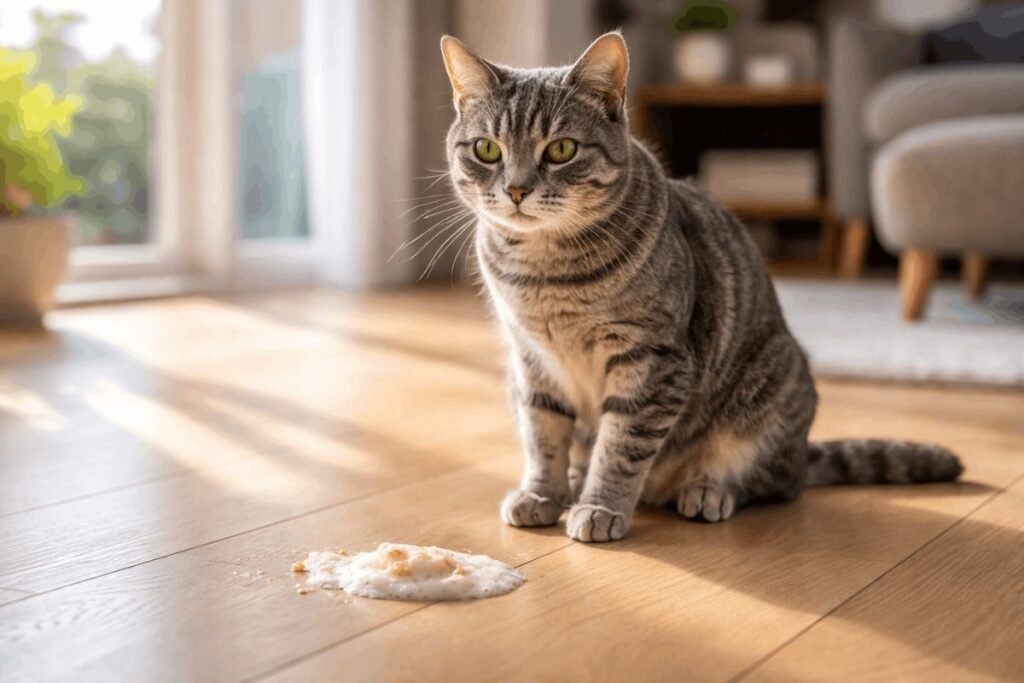
White foam isn’t random. It’s usually a mix of saliva and gastric juices, often linked to cat vomiting white liquid or mild irritation. This form of vomiting differs from food-based vomit and helps identify specific feline vomiting causes quickly.
Understanding symptoms matters more than guessing. For example, cat barfing foam without food suggests stomach acid buildup, while foam mixed with other colors may indicate bile vs foam vomit confusion. Watching your cat’s behavior alongside vomiting gives clearer answers than the vomit alone.
Is Cat Barf White Foam Always Serious?
Short answer, no. Occasional cat vomiting foam but acting normal, often points to temporary discomfort. But repeated vomiting, especially with cat nausea signs, could signal illness. Always track patterns, because what seems minor today may evolve into serious cat digestive issues tomorrow.
7 Common Causes of Cats Vomiting White Foam
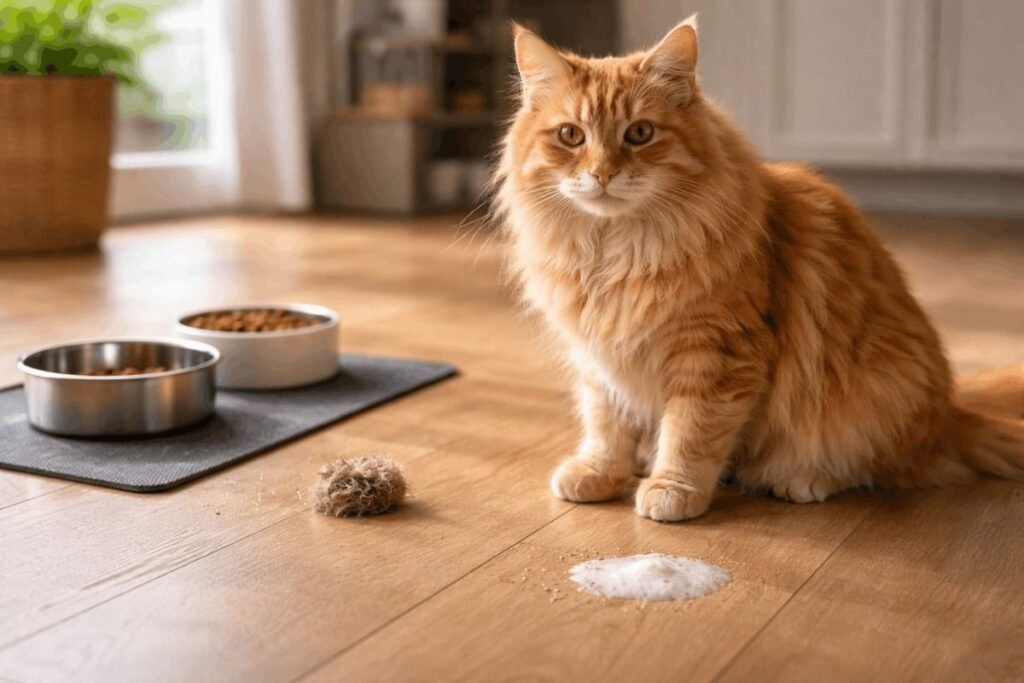
Many owners search for what causes white foam vomit in cats, and the answer varies. The most common triggers include hunger-related irritation, hidden hairball symptoms in cats, sudden diet changes, and inflammation, such as gastritis in cats. Each cause affects the stomach differently.
More serious reasons include parasites in cats vomiting, food sensitivities like cat food intolerance, and stress. These often lead to repeated cat vomiting foam multiple times a day. Understanding these triggers helps you act early before mild symptoms escalate into chronic problems.
When White Foam Vomiting Is a Medical Emergency
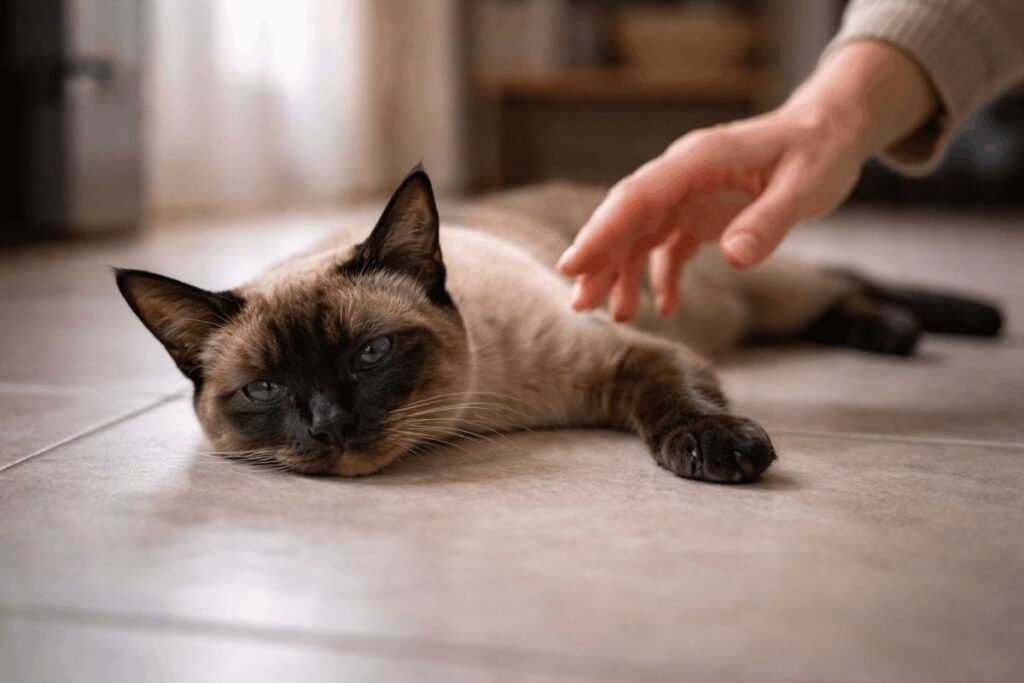
Sometimes, cat barf white foam isn’t harmless. If your cat shows weakness, refuses food, or develops dehydration in cats, you should act quickly. These signs indicate that the body is struggling, not just reacting to an empty stomach.
If your cat experiences cat throwing up white foam and not eating or vomiting several times daily, it becomes urgent. Kittens and senior cats face higher risks. In such cases, immediate veterinary care prevents complications that could worsen rapidly.
Cat Throwing Up White Foam but Acting Normal – Should You Worry?
It feels confusing when you see a cat vomiting foam but acting normal. In many cases, this happens due to sensitive stomach cats or minor digestive upset. If your cat eats, plays, and behaves normally afterward, it may not be serious.
Still, don’t ignore patterns. If you keep asking why is my cat throwing up white foam but acting normal, monitor frequency and timing. Occasional vomiting is manageable, but repeated episodes suggest underlying cat digestive issues needing attention.
White Foam vs Hairballs vs Bile – How to Tell the Difference
Not all vomit looks the same. Cat barf white foam appears light and frothy, while hairballs look solid and tube-shaped. Yellow liquid indicates bile, often confused in bile vs foam vomit situations by many cat owners.
Here’s a quick comparison to help you identify correctly:
| Type | Appearance | Likely Cause |
| White Foam | Frothy, light | Empty stomach or irritation |
| Hairball | Solid, hairy | Grooming-related buildup |
| Yellow Bile | Liquid, yellow | Digestive imbalance |
Simple At-Home Check
You can observe timing and texture to understand triggers. For example, a cat throwing up foam in morning often links to hunger. If vomiting happens after meals, it may involve cat food intolerance or digestion problems instead.
What to Do at Home When Your Cat Vomits White Foam
If you’re searching for how to treat cat vomiting white foam at home, start simple. Give your cat a short food break, ensure fresh water, and reintroduce small meals. This helps calm stomach acid buildup without stressing digestion further.
Avoid overreacting with drastic diet changes. Instead, focus on routine. Frequent small meals reduce empty stomach in cats, which is a common trigger. Always watch for worsening symptoms, especially if vomiting continues beyond a day.
Vet Treatments for Cats Vomiting White Foam
When home care isn’t enough, vets step in with a proper diagnosis. They examine symptoms, check for parasites in cats vomiting, and may run tests to rule out serious feline vomiting causes. Treatment depends on the root issue.
Medications may include anti-nausea drugs, stomach protectants, or dietary plans for sensitive stomach cats. In severe cases, fluids treat dehydration in cats. Early treatment ensures faster recovery and prevents recurring issues.
How to Prevent White Foam Vomiting in Cats
Prevention works better than cure. Feeding your cat on time reduces empty stomach in cats, which is a leading cause of cat barf white foam. Consistent routines keep digestion stable and reduce sudden vomiting episodes.
Regular grooming helps control hairball symptoms in cats, while high-quality food prevents cat food intolerance. Reducing stress in your cat’s environment also minimizes cat digestive issues, creating a healthier and calmer daily routine.
Daily Routine That Keeps Cats Vomit-Free
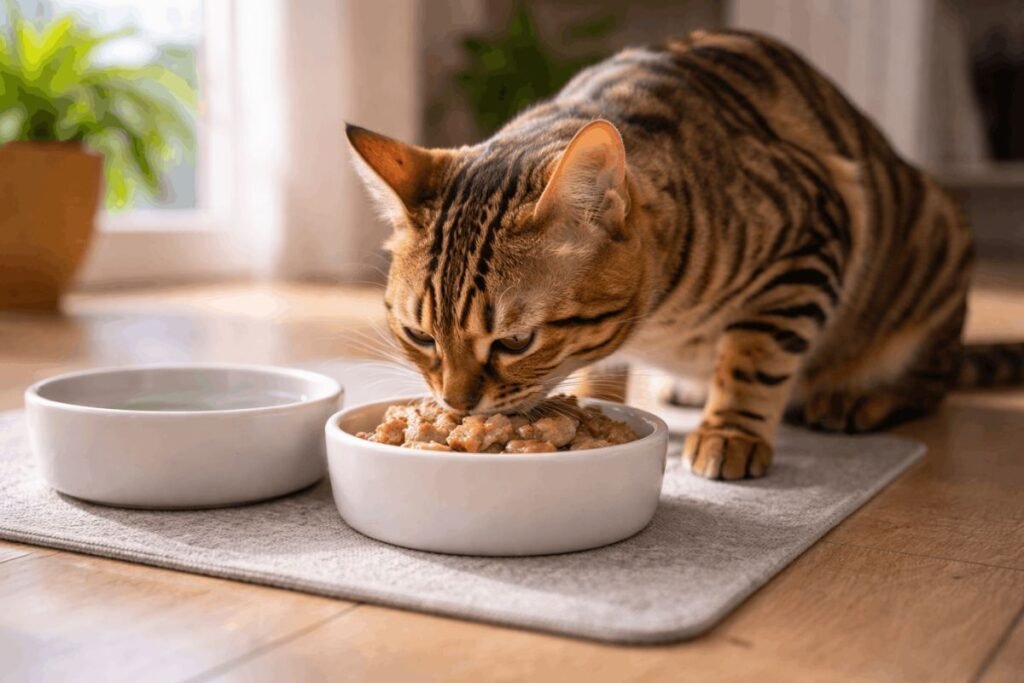
A steady routine makes a huge difference. Feed smaller meals, groom regularly, and provide a calm space. These simple habits prevent cat vomiting white foam in the morning and reduce stress-related stomach issues over time.
FAQs About Cats Vomiting White Foam (Answering Real Owner Concerns)
Many owners ask, ” Should I worry if my cat throws up white foam. The answer depends on frequency and behavior. Occasional vomiting is common, but repeated cat vomiting white foam signals something deeper that needs attention.
Another concern is timing. Cat vomiting white foam in the morning usually relates to hunger. However, if paired with symptoms like lethargy or appetite loss, it may indicate serious cat digestive issues requiring veterinary care.
Home remedies for cat vomiting white foam
Give small, frequent meals, keep fresh water available, and let the stomach rest for a few hours. If vomiting continues, don’t rely on home care alone.
Why is my cat vomiting white foam and not eating
This may signal stomach irritation, infection, or a serious issue like blockage. If your cat refuses food for more than 24 hours, see a vet.
Cat vomiting white foam and died
In rare cases, severe illness like poisoning or organ failure can cause this. Immediate vet care is critical if symptoms worsen quickly.
Cat throwing up white foam multiple times
Frequent vomiting often points to underlying problems like gastritis, parasites, or digestive disorders. Repeated episodes need veterinary attention.