Cats are adorable companions, but sometimes they develop skin issues on their face that can worry any pet parent. Two common problems are cat chin acne and cat chin mites. Both affect the chin, causing redness, an itchy chin, and hair loss on the chin, which can make it tricky to tell them apart. Knowing the difference is essential for proper care. In this guide, we’ll cover how to distinguish between cat acne and chin mites, including their symptoms, causes, and treatment options, to help your feline friend stay healthy and happy.
Many cat owners in the USA notice black spots, swelling, or rough patches on their cat’s chin. While cat pimples and blackheads on cats are often harmless, untreated conditions can sometimes lead to bacterial infection in cats. Understanding the differences between cat acne and chin mites helps you pick the right cat acne treatment or parasite care without unnecessary stress.
What Are Cat Chin Mites?
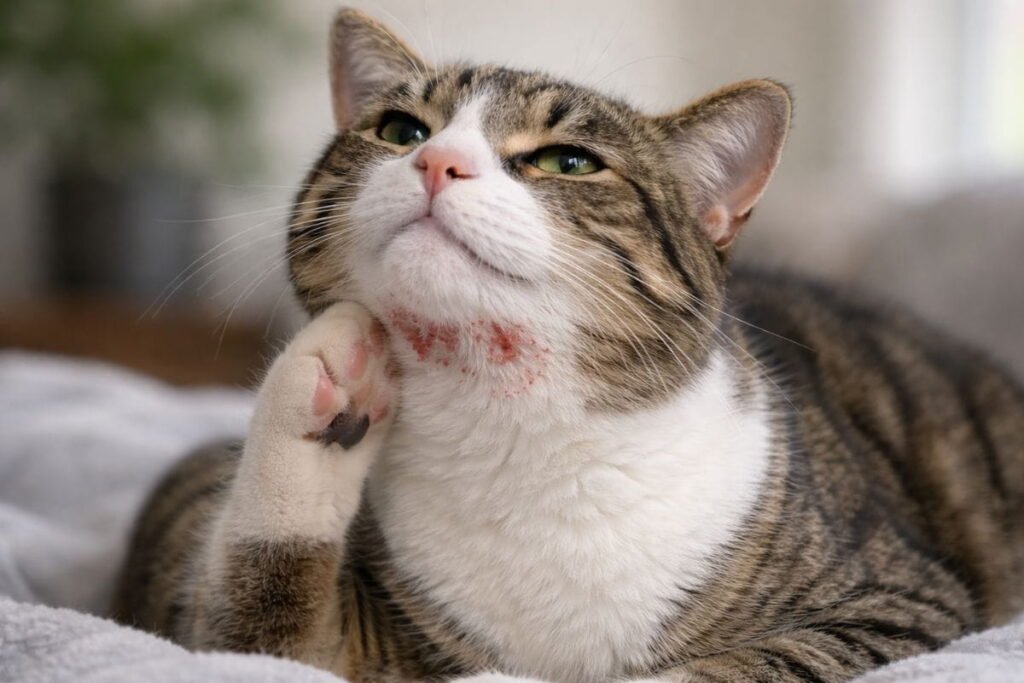
Cat chin mites are tiny parasites living on your cat’s skin or in the surrounding environment. Common types include Cheyletiella mites, Demodex mites, Trombiculid mites, Otodectes mites, Notoedres mites, and Sarcoptes mites. Though nearly invisible, they can cause severe itchy cat chin, chin scabs in cats, and general cat skin irritation.
Cats with chin mites may scratch constantly, develop scabs, redness, and hair loss. In severe cases, pustules on cat chin or pus-filled lesions may appear. Veterinarians usually diagnose mites using a microscope, hair pluck, or tape test. If visiting a clinic isn’t possible, an online vet consultation for cats is a good alternative. While less common than feline acne, mites can cause real discomfort if left untreated.
What Is Feline Chin Acne?
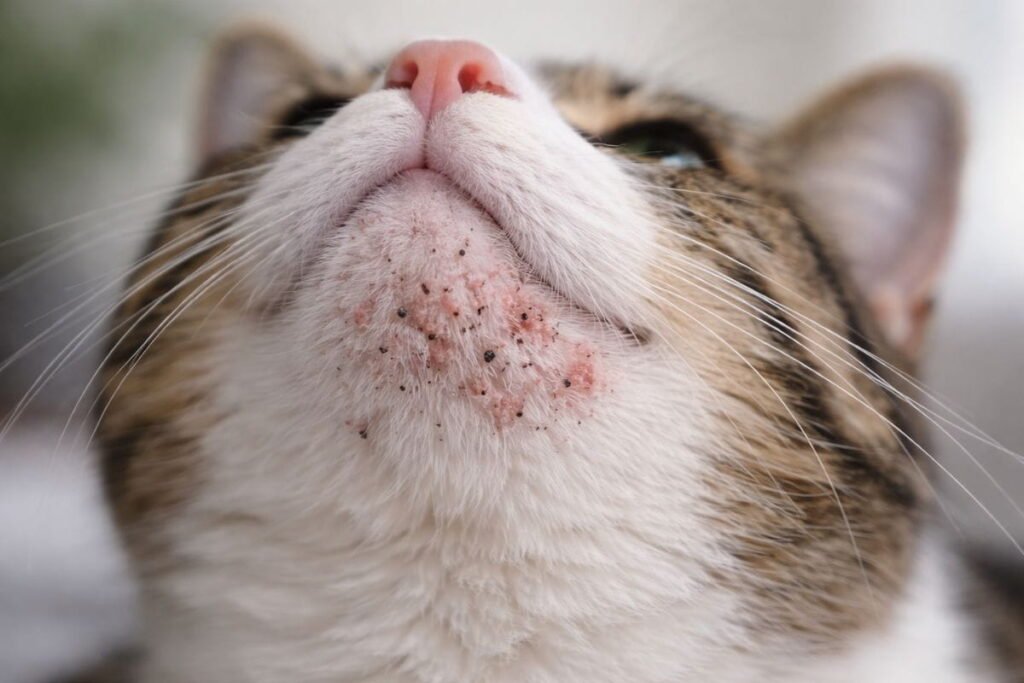
Feline chin acne is a common skin problem affecting the chin and lower lip. It typically appears as blackheads on cats, cat pimples, swelling, or blocked hair follicles in cats. Causes include plastic bowl allergy in cats, poor hygiene, stress, or secondary bacterial infections. Cats of all ages—from kittens to adults—can develop cat acne in adult cats.
Symptoms include mild redness, swollen chin in cats, pustules, or hair loss. Severe cases may develop bacterial infection in cats, which can be painful and require veterinary care. Early identification of cat acne causes allows owners to act promptly. Simple steps like daily cleaning and switching to stainless steel or ceramic bowls are effective home remedies for cat chin acne.
Cat Chin Mites vs Chin Acne: Key Differences
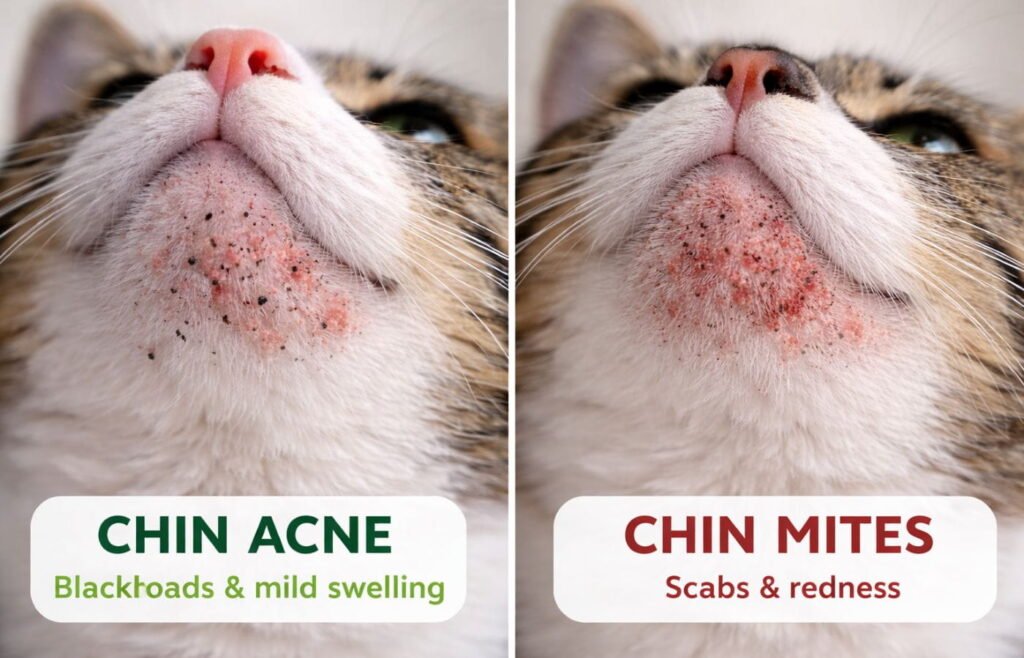
The differences between cat chin mites and cat acne can be subtle but are crucial. Chin mites usually cause intense itching, scabs, and sometimes visible parasites. In contrast, feline acne is often painless, presenting as blackheads on cats or small pustules.
Both conditions can lead to redness on cat chin and hair loss, but cat acne vs flea dirt is noticeable: acne looks like tiny coffee-ground black dots, while mites may cause scabbing and irritation. Understanding symptoms of chin mites in cats versus acne helps ensure the right care. A vet exam or cat acne diagnosis guarantees accurate treatment.
Other Conditions That Can Look Like Cat Chin Mites or Acne
Other conditions may mimic cat facial skin issues. Flea dirt in cats can resemble blackheads, but is oftenfound near the neck or tail base. Rarely, mouth tumors or mouth cancer can cause a swollen chin in cats and discharge. Bacterial or fungal infections can also produce cat skin irritation.
A chin that is severely swollen, oozing, or painful may indicate something more serious than acne or mites. Consulting a vet or using an online vet consultation for cats ensures early and accurate diagnosis. Recognizing cat skin infection signs prevents complications.
Diagnosing Cat Chin Mites and Acne
Diagnosis starts with careful observation. Identifying cat skin irritation in cats involves noting redness, scabs, or hair loss. For chin mites, vets may use a trichogram, tape test, or microscopic exam to detect Cheyletiella mites, Demodex mites, or other parasites.
For cat acne diagnosis, vets check for blackheads on cats, pustules on cat chin, and blocked follicles. They may also test for secondary infections. Early diagnosis improves outcomes and ensures targeted treatment for cat chin acne or mite therapy.
| Symptom | Cat Chin Acne | Cat Chin Mites |
| Itching | Mild to moderate | Severe |
| Scabs | Rare | Common |
| Hair loss | Sometimes | Often |
| Visible parasites | No | Possible |
| Pain | Usually mild | Sometimes severe |
Treatment Options for Cat Chin Mites
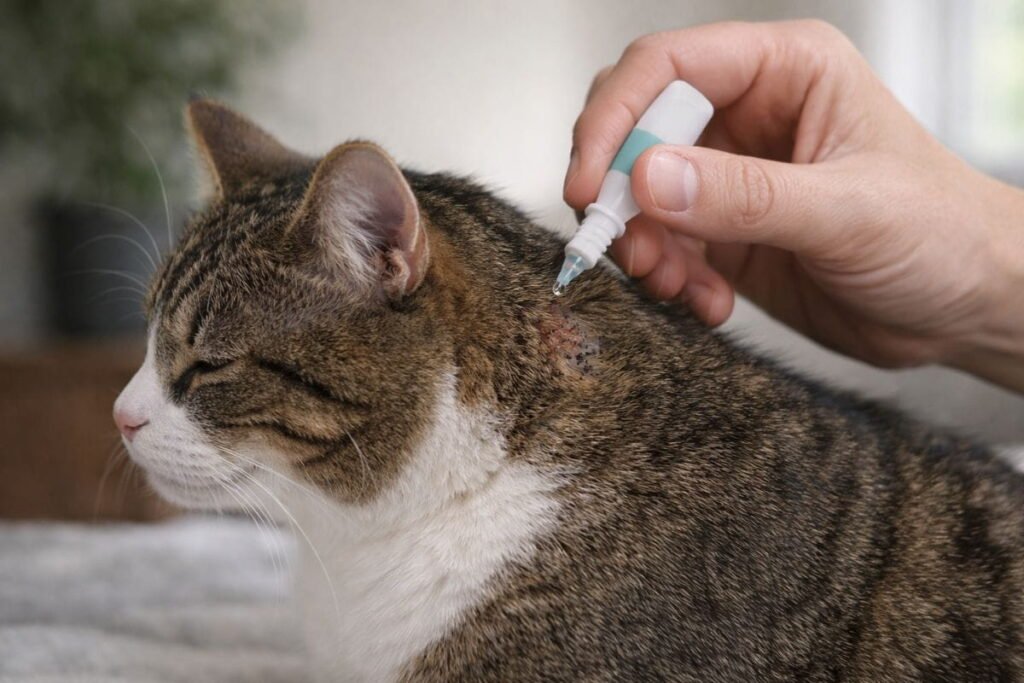
Treating cat mites typically involves vet-prescribed topical or oral anti-parasitic medications, often applied to the back of the neck. Cleaning the environment, washing bedding, and treating other pets prevent reinfestation.
Owners should monitor for itchy cat chins or chin scabs in cats. Severe infestations may require repeated treatment. Using proper veterinary guidance, including online vet consultation for cats, ensures effective and safe mite control.
Treatment Options for Cat Chin Acne
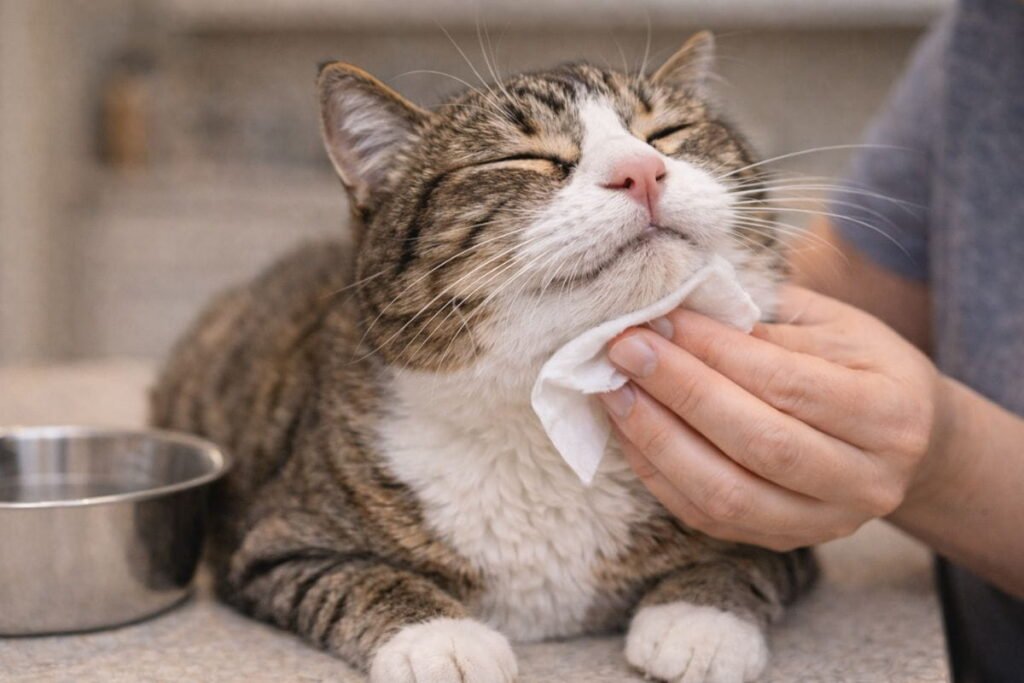
Mild feline chin acne can often be managed at home. Cleaning the chin daily with warm water or antiseptic wipes removes debris and bacteria. Switching from plastic bowls reduces plastic bowl allergy in cats.
For moderate or severe cases, vets may prescribe topical creams or oral medications. Regularly checking for blackheads on cats, pustules on cat chin, or a swollen chin in cats helps prevent flare-ups. Understanding treatment for cat chin acne ensures long-term skin health.
Preventing Future Skin Issues in Cats
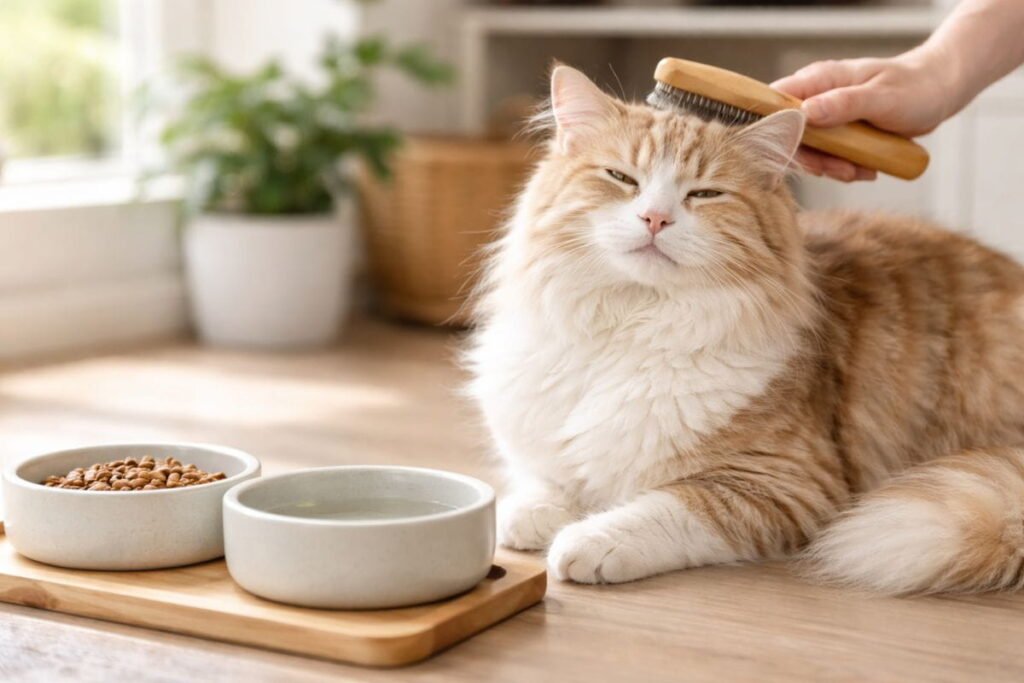
Preventing cat skin conditions involves good hygiene. Keep feeding areas clean, groom regularly, and avoid plastic bowls. Environmental cleanliness reduces exposure to cat mites.
Check the chin for early signs of cat pimples, redness, or blocked hair follicles. Routine vet visits and observing cat skin irritation support long-term skin health. Preventing cat chin pimples is always easier than treating them.
When to See a Vet: Red Flags
Seek immediate veterinary care if your cat shows severe cat chin swelling, pus, bleeding, excessive redness, or persistent scratching. These signs may indicate a serious feline chin infection.
Because cat acne vs flea dirt can be tricky to tell apart, professional diagnosis ensures proper care. Online vet consultation for cats is a safe option when in-person visits are difficult.
Conclusion
Cat chin acne vs cat chin mites can look very similar but require different treatments. Most cases are manageable with early detection, proper hygiene, and veterinary guidance, including online vet consultation for cats. Understanding these conditions helps protect your cat from painful chin issues and keeps them happy and healthy.
FAQs About Cat Chin Mites and Acne
How to get rid of chin mites on cats?
Use vet-prescribed anti-parasitic medications and clean the environment to remove mites effectively.
How do I tell if my cat has chin mites?
Look for itchy cat chin, redness, scabs, and hair loss, then confirm with a veterinarian.
What kills mites on cats fast?
Prescription topical or oral anti-parasitic treatments work quickly to eliminate mites.
Can cat chin acne go away on its own?
Mild acne may improve with proper hygiene, but persistent acne usually needs professional cat acne treatment.
Is chin acne harmful to cats?
It’s usually not dangerous, but severe cases can cause pain, swelling, or bacterial infection in cats.