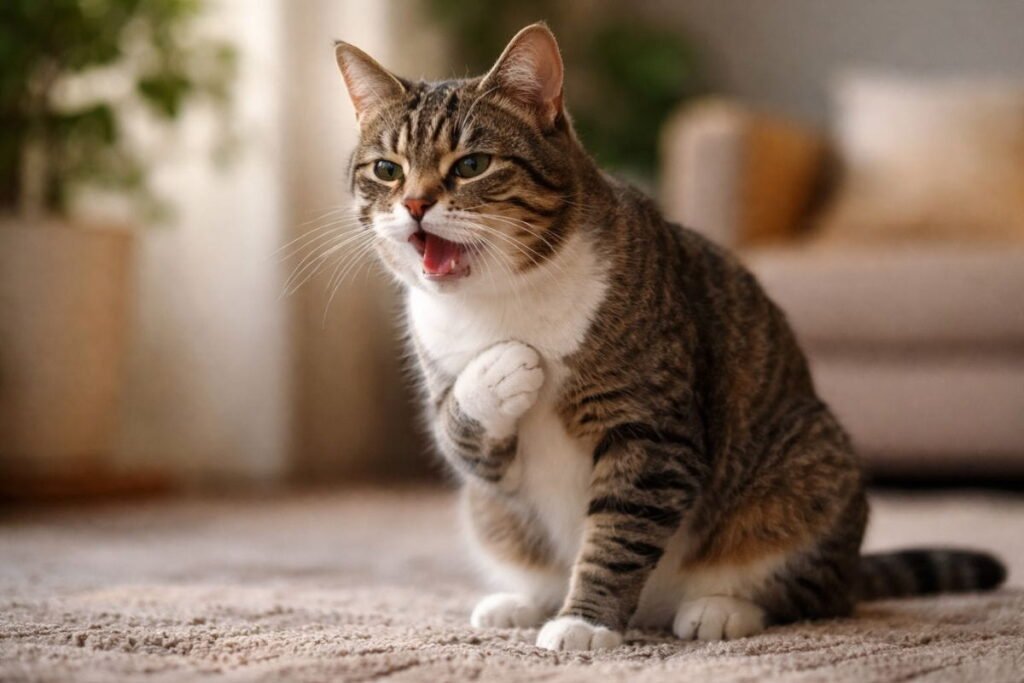
A coughing cat can quickly worry any pet parent, especially when it comes from deep in the chest. This guide explains why cats cough, when it’s harmless, and when to see a vet. That harsh, unexpected sound often feels alarming, especially when it happens at night or without warning. In many cases, coughing in cats is the body’s way of clearing irritated airways.
However, it can also signal deeper cat respiratory problems that need attention. Some cats cough only once in a while, while others develop ongoing episodes that disrupt daily life. Understanding the causes of cat coughing helps you react calmly and correctly. From harmless throat irritation to more serious conditions like asthma or infection, knowing what’s normal—and what isn’t—can protect your cat’s health and give you peace of mind.
What Is Cat Coughing and What Does It Sound Like?
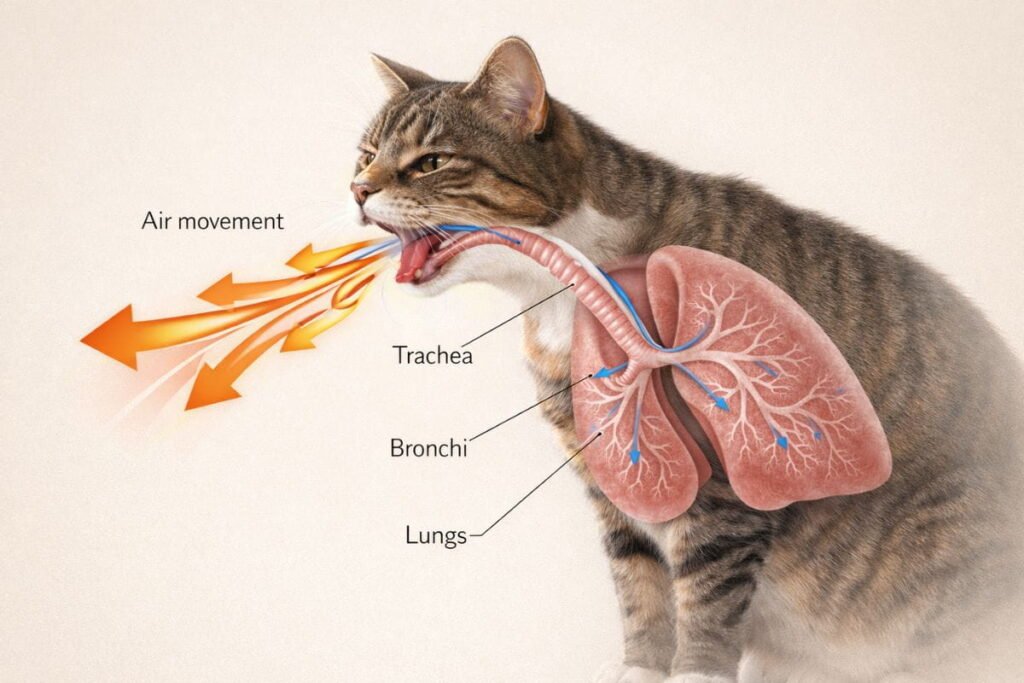
A cat coughing is the body’s way of clearing the airways. It is a sudden, noisy expulsion of air that starts deep in the chest. This reflex often begins due to irritation of the trachea and bronchi. The sound may feel harsh, dry, or wet, depending on what is happening inside the lungs.
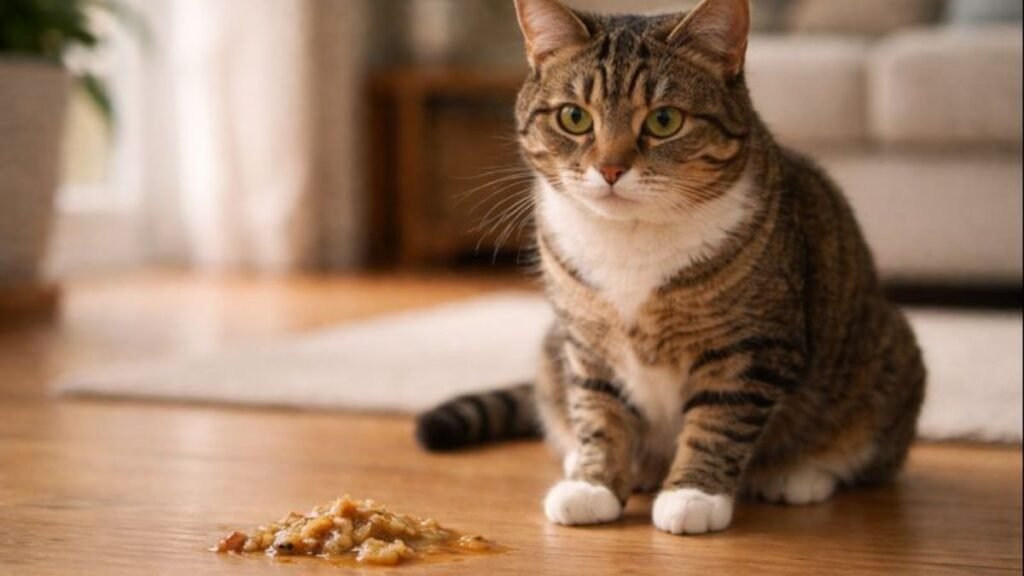
During coughing in cats, you may notice a coughing cat crouching with its neck extended close to the floor. Some cats experience retching after coughing, which owners confuse with vomiting. In reality, the cough helps expel foreign material from the lungs, including dust or accumulated mucus secretions.
Do Cats Really Cough? Understanding Normal vs Abnormal
Yes, cats do cough, although it happens less often than in dogs. Occasional cat coughing can occur when a cat inhales dust or clears mild throat irritation. A short cough that stops quickly is usually harmless.
However, repeated coughing points to the cat’s respiratory problems. If you hear your cat coughing several times a week, it may be a sign of lower airway disease. At that stage, it is no longer normal behavior and deserves attention.
Why Is My Cat Coughing? Common Medical & Environmental Causes
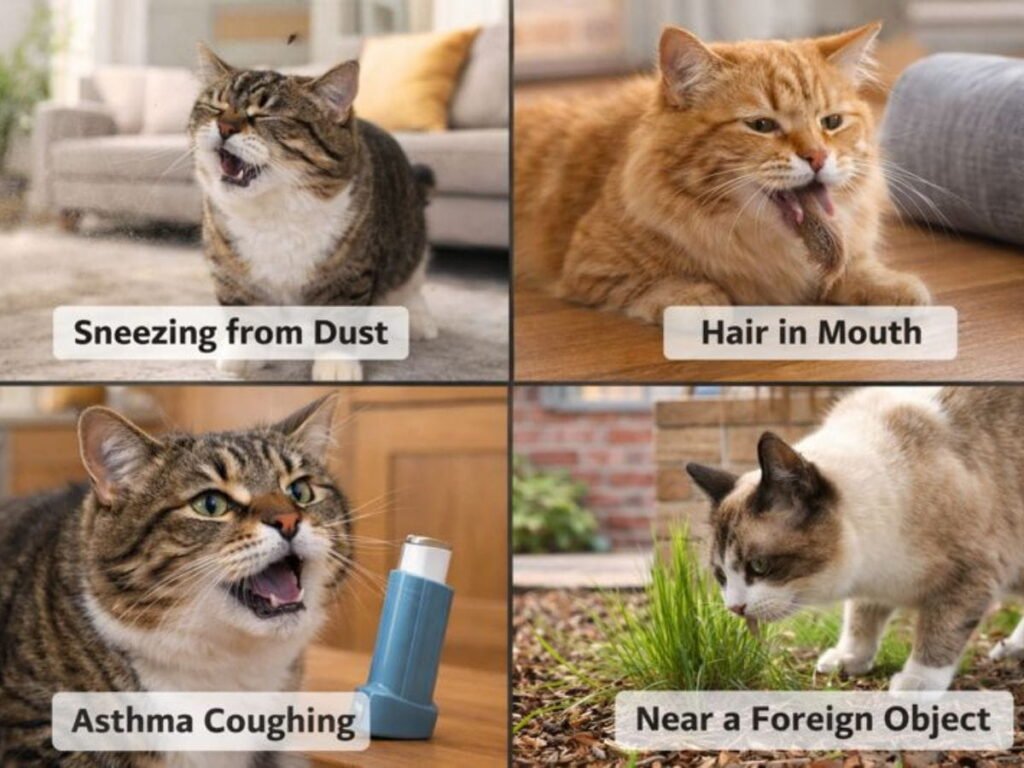
The most common causes of cat coughing involve airway inflammation. Many cases relate to lower respiratory tract inflammation caused by allergies or infections. Conditions such as bronchitis in cats or feline asthma coughing can trigger repeated coughing episodes.
Other causes include viral respiratory infections in cats like feline viral rhinotracheitis, bacterial illnesses such as Bordetella infection in cats, parasitic worms causing cough, heartworm-related respiratory symptoms, and inhaled grass or foreign objects. In rare cases, chest tumors in cats may press on the lungs and cause chronic irritation.
Cat Coughing vs Other Symptoms (Sneezing, Wheezing, Vomiting)
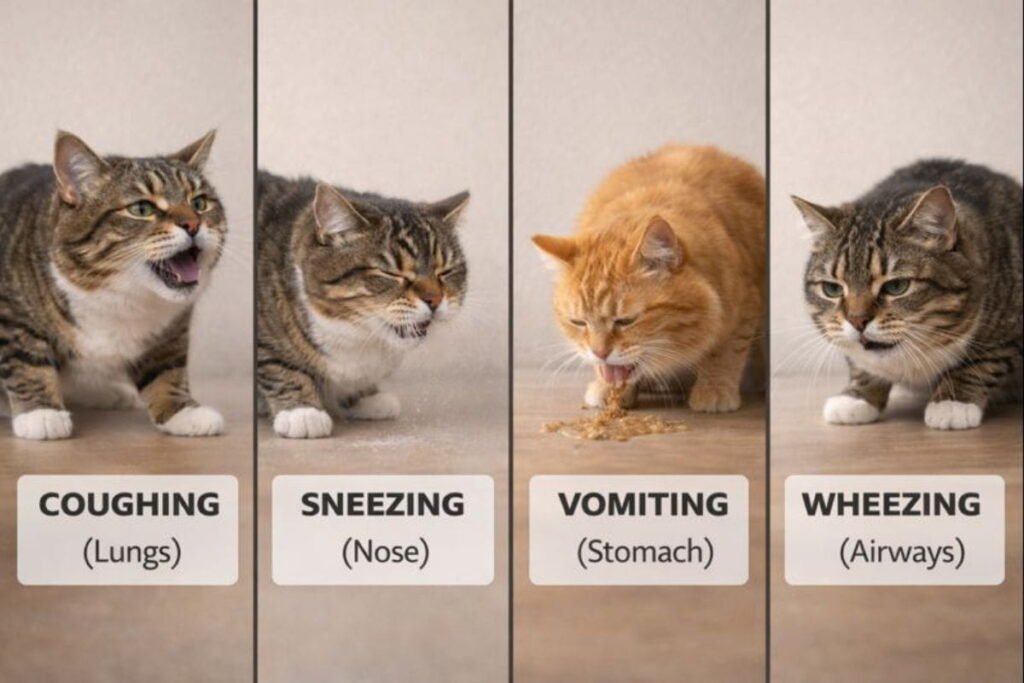
A cat coughing often gets confused with cat coughing and gagging. Vomiting usually brings up food, while coughing produces air sounds and chest movement. Sneezing comes from the nose, not the lungs, and often includes excessive nasal secretions.
Wheezing sounds like a whistle and often points to feline asthma coughing. The table below helps clarify the difference between a cough and similar symptoms.
| Symptom | Where It Starts | What You Hear |
| Coughing | Lungs | Hacking sound |
| Sneezing | Nose | Sharp burst |
| Vomiting | Stomach | Liquid or food |
| Wheezing | Airways | Whistling noise |
When Is Cat Coughing an Emergency? Warning Signs to Watch
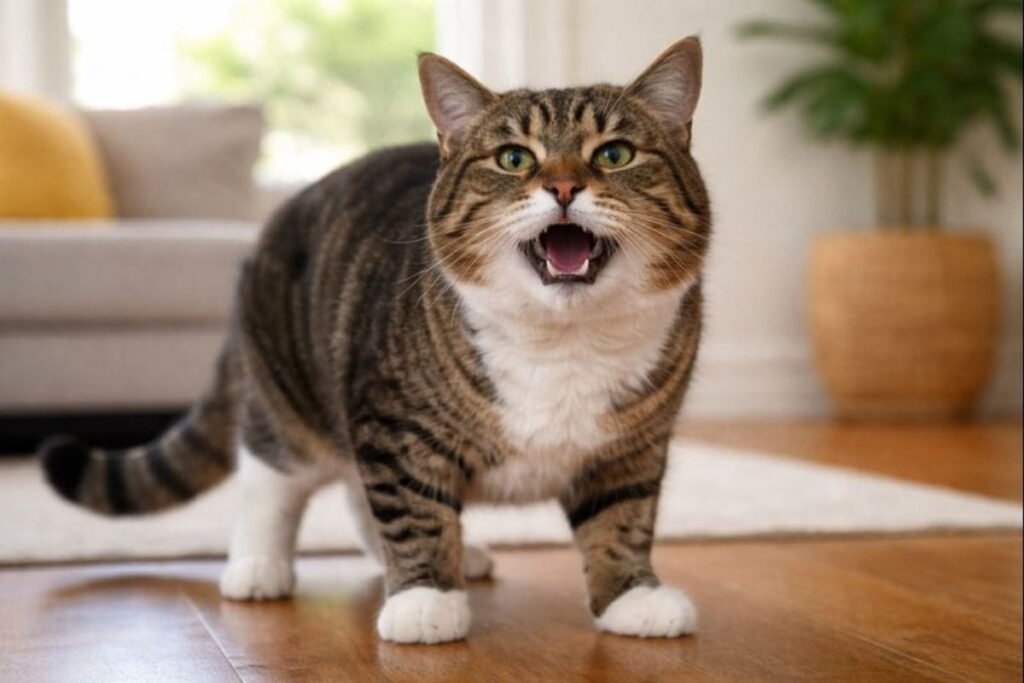
Cat coughing becomes urgent when breathing is affected. Signs such as open mouth breathing in cats or bluish or gray gums require immediate veterinary care. These signs suggest oxygen is not moving properly through the lungs.
A feline asthma attack emergency may include collapse, panic, or gasping. A persistent cough lasting several days, especially with weight loss and coughing in cats, is another red flag. These cases answer the question of when to take a cat to the vet for coughing without delay.
What To Do If Your Cat Is Coughing at Home (Safe Steps for Pet Owners)
Stay calm and watch closely. Reduce dust, smoke, and strong scents in your home. These irritants worsen cat respiratory problems. Make sure your cat rests in a quiet space with clean air.
Do not give human medicine. Home monitoring is safe only when coughing is mild and brief. For ongoing symptoms, home care for coughing cats should focus on comfort until professional help is available.
Diagnosing Cat Coughing – What to Expect at the Vet
Veterinarians begin by reviewing your cat’s history and environment. This helps in diagnosing a cat’s cough accurately. X-rays often reveal lung changes linked to lower airway disease in cats.
Blood tests, heartworm screening, and airway samples may follow. These tests rule out infections, parasites, and allergic disease. Sedation may be required to get accurate results.
Cat Coughing Treatment Options (Based on Cause)
Cat cough treatment depends entirely on the cause. Infections respond well to antibiotics when used fully. Inflammatory conditions often need steroids or inhalers to calm the airways.
Chronic cases may require long-term management. When coughing lasts for months, damage to lung tissue may occur. Early treatment improves outcomes and comfort.
Safe Home Remedies for Mild Cat Coughing
Mild coughing sometimes improves with better air quality. Humidifiers can soothe inflammation of mucous membranes. Regular grooming reduces hair and allergens that enter the airway.
Avoid essential oils and scented candles. These worsen larynx and trachea irritation. Home remedies should never replace veterinary care for worsening symptoms.
How to Prevent Future Coughing Episodes in Cats
Prevention focuses on reducing triggers. Keep litter dust low, groom regularly, and maintain parasite prevention. These steps help in preventing cat coughing long-term.
Routine vet visits catch early signs of disease. Vaccinations also lower the risk of viral respiratory infections in cats, which commonly lead to coughing.
Cat Coughing FAQs (Quick Answers Pet Parents Ask)
Many owners ask, why do cats cough even indoors. Indoor cats still face allergens, parasites, and asthma triggers. Productive cough in cats often signals infection, while dry cough vs wet cough in cats helps vets identify the cause.
If coughing happens more than twice a week, seek help. Early care prevents chronic coughing in cats and protects long-term lung health. Veterinarians often see coughing as one of the most misunderstood cat symptoms.