
Understanding cat life stages is essential for every cat owner who wants their feline to thrive. From newborn kittens to geriatric cats, every phase in the cat life cycle comes with unique needs, behaviors, and health considerations. Observing cat growth stages helps owners provide proper nutrition, emotional support, and age-appropriate care.
The various stages of a cat’s life influence energy levels, socialization, and personality development, making each phase distinct. By knowing the cat age stages, you can anticipate changes in activity patterns, monitor health, and ensure a long, happy life. A thoughtful approach to each stage enhances your cat’s overall quality of life.
What Are the Cat Life Stages?
Cat life stages refer to the natural phases a cat undergoes from birth to old age. Each stage reflects changes in physical development, behavior, and overall health. Understanding these stages enables owners to provide age-appropriate care, rather than reacting only when problems arise.
Most domestic cats live between 12 and 20 years, depending on genetics, lifestyle, and veterinary care. The main stages include newborn, kitten, junior, adult, mature, senior, and geriatric. As cats move through these stages, their diet, activity level, and medical needs should be adjusted accordingly.
Newborn Stage (0–2 Weeks)
Physical Development of Newborn Kittens
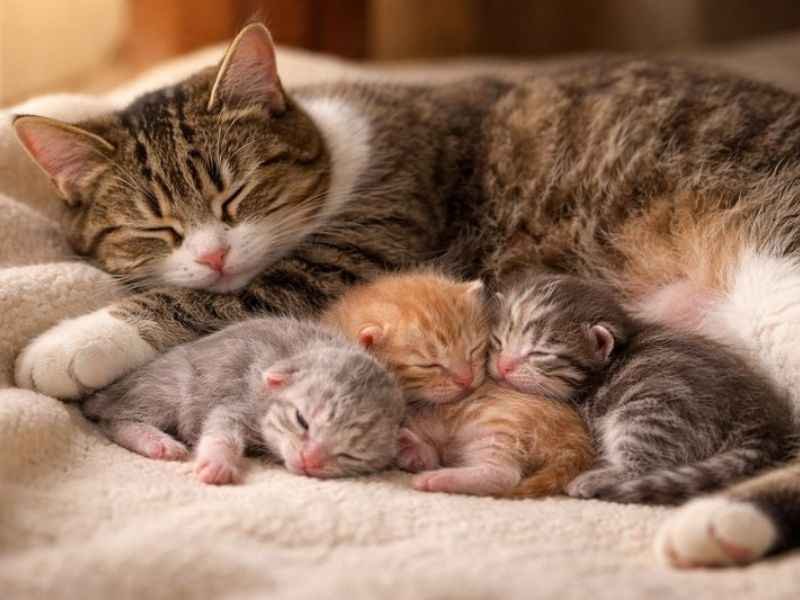
Newborn kittens are extremely fragile and completely dependent on their mother or caregiver. Their eyes and ears are closed, and they rely on smell and touch to locate warmth and food. At this stage, kittens sleep most of the day and move only by crawling.
Healthy newborns gain weight every day. Failure to gain weight, constant crying, or weakness can signal serious health issues and require immediate veterinary attention. This early stage forms the foundation for survival and long-term development.
Care Needs During the Newborn Stage
Newborn kittens must be kept warm, clean, and safe. Their environment should mimic a mother cat’s body heat, especially if they are orphaned. Hygiene is critical, as infections can spread rapidly.
Kittens usually feed every two to three hours. Daily weight checks and gentle handling help ensure proper growth and early bonding. Good care during this stage greatly improves survival and future health.
Kitten Stage (2 Weeks–6 Months)

Socialization and Play
The kitten stage is the most important period for learning and socialization. Kittens become curious, playful, and adventurous. During this time, they learn how to interact with people, other animals, and their environment.
Play helps kittens develop coordination, confidence, and problem-solving skills. Introducing toys, scratching posts, and positive human interaction reduces the risk of fear, anxiety, or aggression later in life.
Example: A kitten regularly handled and played with is more likely to grow into a friendly, confident adult cat.
Feeding and Growth
Kittens grow rapidly and need a high-protein, nutrient-rich diet to support bone, muscle, and brain development. Multiple small meals per day help meet their energy needs.
Monitoring weight and body condition ensures healthy growth. Poor nutrition during this stage can affect health for the rest of a cat’s life.
Junior Cat Stage (6 Months–2 Years)

Energy Levels and Behavior
Junior cats are highly energetic and often test boundaries as they gain independence. This stage is marked by intense play, exploration, and sudden bursts of activity, often called “zoomies.”
Without enough stimulation, junior cats may develop destructive habits. Interactive play and environmental enrichment are essential during this phase.
Training and Bonding
This stage is ideal for reinforcing good behavior. Litter box habits, scratching post use, and daily routines can be strengthened through positive reinforcement.
Example: Rewarding a cat for using a scratching post helps prevent furniture damage in adulthood.
Strong bonding during this stage shapes a confident, emotionally secure adult cat.
Adult Cat Stage (3–6 Years)

Health, Diet, and Lifestyle
Adult cats reach physical and emotional maturity. Their energy levels stabilize, and growth stops. The focus now shifts to maintaining health rather than supporting growth.
A balanced diet, regular exercise, and routine veterinary checkups help prevent obesity and chronic disease. Mental stimulation remains important to avoid boredom.
Emotional Maturity
Adult cats develop stable personalities and clear preferences. Some become more affectionate, while others enjoy independence. Respecting these traits strengthens the human–cat relationship.
Mature Cat Stage (7–10 Years)
Early Signs of Aging
Mature cats may start showing subtle signs of aging, such as reduced activity, stiffness, or mild weight changes. Dental problems and slower recovery from exercise are also common.
Early detection allows owners to adjust diet, activity, and medical care before serious conditions develop.
Supporting Comfort and Health
Comfort-focused care becomes more important. Softer bedding, easier access to food, and low-impact play help maintain quality of life. Regular vet visits are strongly recommended.
Senior Cat Stage (11–14 Years)

Common Health Changes
Senior cats are more likely to develop chronic conditions such as arthritis, kidney disease, and reduced vision or hearing. Veterinary checkups should be more frequent at this stage.
Specialized senior diets and gentle exercise can significantly improve comfort and mobility.
Daily Care and Emotional Support
Senior cats benefit from predictable routines, warm resting areas, and calm interaction. Emotional reassurance is just as important as physical care.
Geriatric Cat Stage (15+ Years)
End-of-Life and Palliative Care
Geriatric cats require care focused on comfort, dignity, and pain management. Appetite, mobility, and behavior should be closely monitored.
Owners should work closely with a veterinarian to manage chronic pain and maintain quality of life.
Providing Peace and Comfort
Maintaining familiar routines, minimizing stress, and offering gentle affection help geriatric cats feel safe. Compassionate care during this stage supports both the cat and the owner emotionally.
How Cat Life Stages Affect Behavior and Personality
A cat’s personality evolves. Kittens are playful and curious, adult cats are more predictable, and older cats tend to be calmer and more selective.
Understanding these changes allows owners to respond appropriately, reduce stress, and strengthen emotional bonds throughout the cat’s life.
How to Care for Your Cat at Every Life Stage
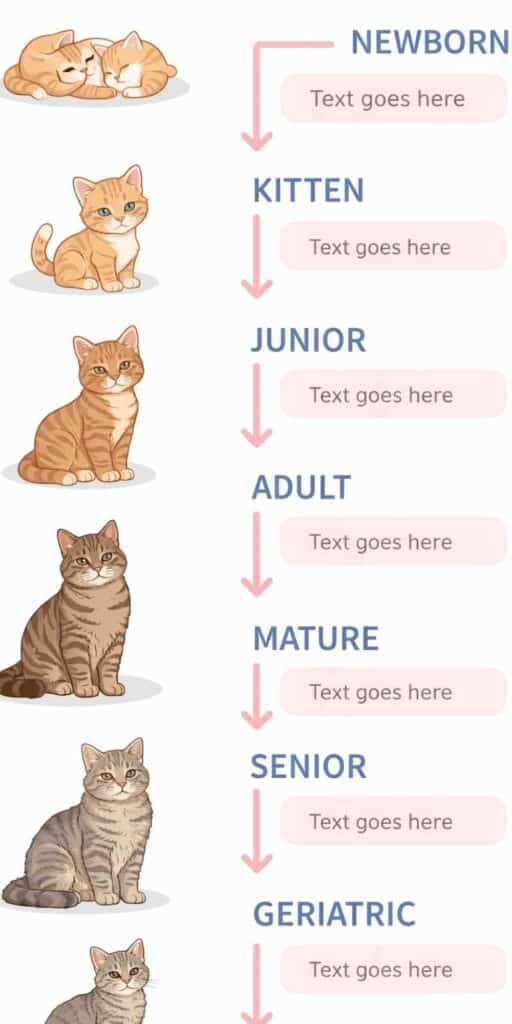
Effective cat care means adapting to changing needs. Nutrition, exercise, veterinary care, and environmental comfort should evolve as a cat ages. Proactive, stage-specific care supports a longer, healthier life.
Quick Cat Life Stage Summary
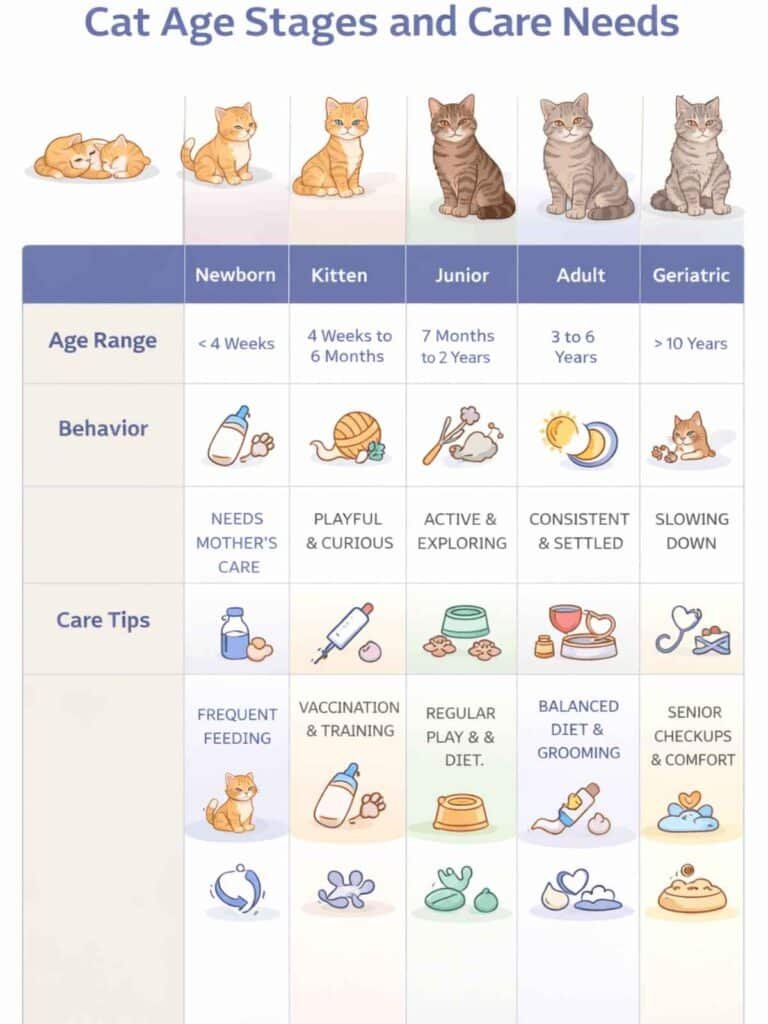
| Stage | Age Range | Key Focus | Typical Behavior | Care Tips |
| Newborn | 0–2 Weeks | Survival & growth | Sleeping, crawling | Warmth, frequent feeding |
| Kitten | 2 Weeks–6 Months | Learning & socialization | Playful, curious | Toys, nutrition, handling |
| Junior | 6 Months–2 Years | Training & bonding | Energetic, bold | Structured play, routines |
| Adult | 3–6 Years | Health maintenance | Stable personality | Balanced diet, vet care |
| Mature | 7–10 Years | Aging support | Calmer | Comfort, monitoring |
| Senior | 11–14 Years | Chronic care | Reduced mobility | Gentle routines |
| Geriatric | 15+ Years | Comfort & dignity | Low energy | Palliative care |
FAQs
What are the main stages of a cat’s life?
Newborn, kitten, junior, adult, mature, senior, and geriatric.
What is the 3-3-3 rule for cats?
It commonly refers to a cat’s adjustment and development milestones over the first 3 days, 3 weeks, and 3 months in a new environment.
How can you tell if a cat is nearing the end of life?
Common signs include reduced appetite, hiding, low mobility, changes in breathing, and decreased grooming.
What is the average lifespan of a cat?
Most domestic cats live 12–16 years, with many reaching 18–20 years under proper care.