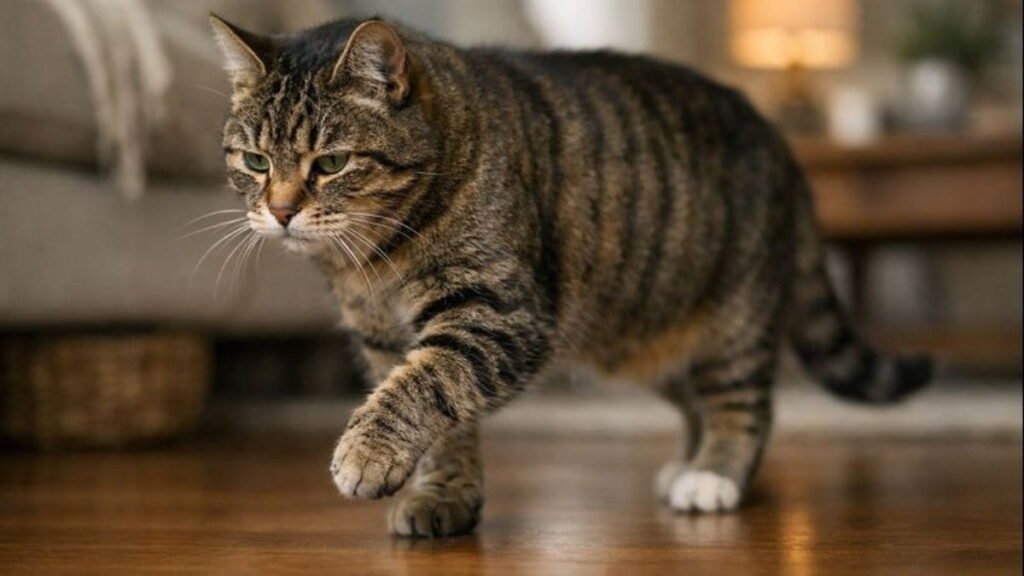
Seeing your cat limp can stop you in your tracks. One moment they walk fine. Next, something feels off. Cat Limping: Causes, Signs, and When You Must See a Vet explains what’s happening, why it matters, and how to protect your cat’s health before small problems turn serious.
Cats rarely exaggerate discomfort. In fact, many appear fine while struggling. If you notice cat limping but acting normal or cat limping not crying, this guide will help you decide what to do next with clarity and confidence.
Why Is My Cat Limping? Understanding the Root Causes
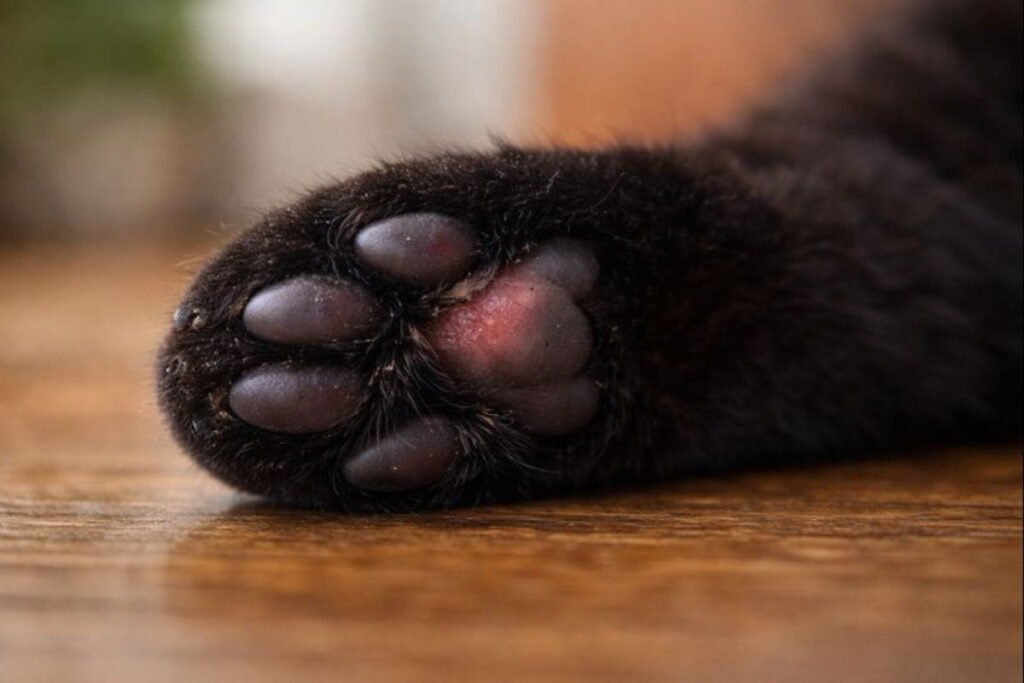
Limping often starts quietly. A tiny paw injury in cats, a sore joint, or a strained muscle can change how your cat walks. Common reasons my cat is limping include soft-tissue injuries, nail problems, or joint stress that worsens over time.
Sometimes the cause isn’t obvious. Owners often say their cat limping for no reason, yet issues like ingrown claw cat, infected nail cat, or early limping due to arthritis can hide under fur and silence. That’s why early attention always matters.
Cat Limping but Not Crying or Showing Pain — Should You Be Worried?

Yes, you should pay attention. Cats rely on feline pain masking behavior to survive. Simply put, cats hide pain instinctively, even when discomfort runs deep. A calm face doesn’t mean a healthy body, especially with cat limping signs of pain that appear subtle.
Watch behavior closely. Cat limping and hiding, sleeping more, or avoiding jumps often replace crying. These changes suggest discomfort, even if your cat eats and purrs. Limping almost always signals pain, whether visible or hidden.
Sudden Limping vs Gradual Limping — What the Timing Tells You
Timing reveals a lot. Cat limping suddenly usually points to trauma-related limping, like slipping, landing wrong, or cat limping after fall. Sudden limping in cats deserves close monitoring because injuries can worsen quickly.
Gradual limping tells a different story. Slow changes often link to joints, aging, or nerve damage in cats. Cats may adapt quietly, masking discomfort until movement becomes difficult. Knowing the timeline helps vets narrow causes faster.
Front Leg vs Back Leg Limping — Does Location Matter?
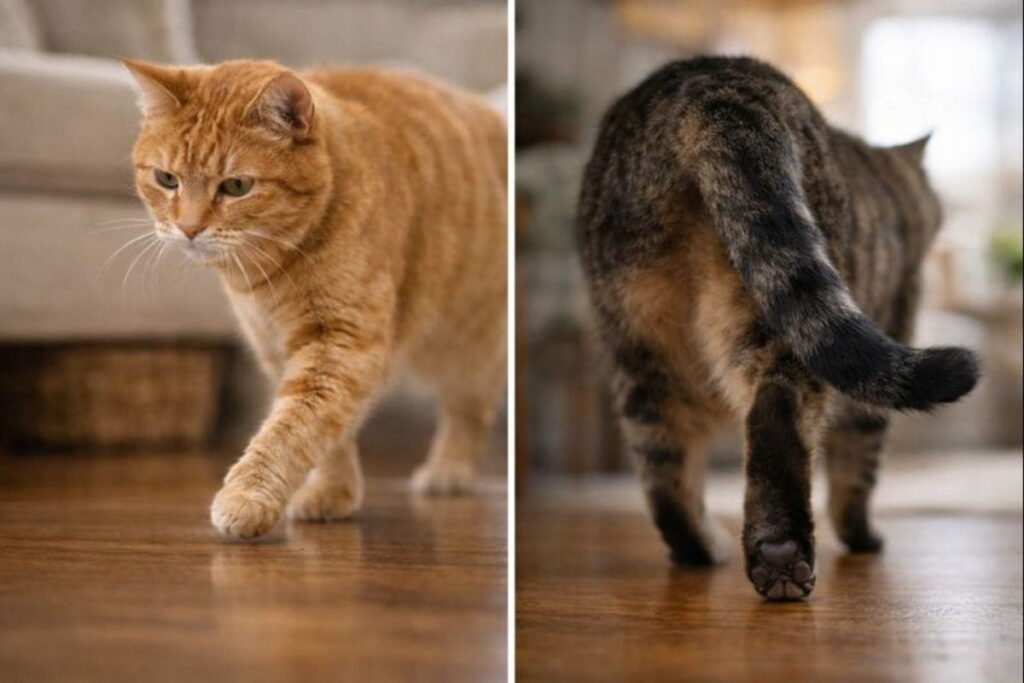
Yes, location matters more than many realize. Cat limping front leg often relates to shoulder strain, paw trauma, or nail issues. Weight shifts forward when cats land, making front legs injury-prone during play.
Meanwhile, cat limping back leg raises different concerns. Hips, knees, and the spine play bigger roles here. Back-leg limping can affect balance and indicate joint disease or nerve problems tied to cat mobility issues.
How to Check Your Cat at Home (Safely) Before Panicking
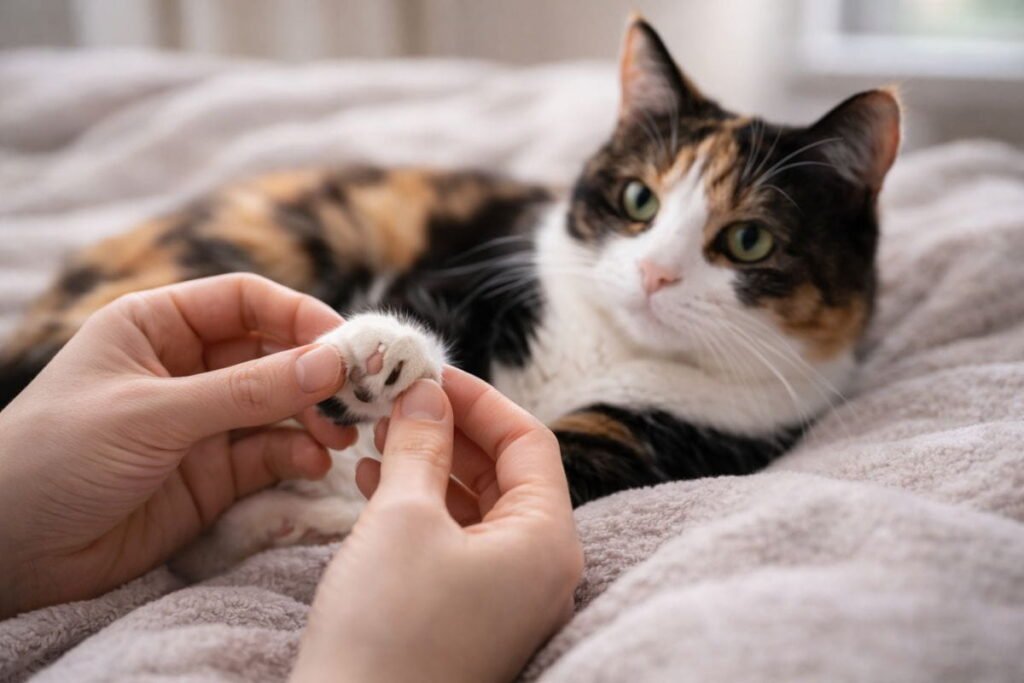
Start calm and slow. If you’re thinking my cat is limping what should I do? Observe walking first. Look for uneven steps, head bobbing, or refusal to bear weight. These clues matter more than touching right away.
If your cat allows handling, gently check for cat paw swelling, redness and inflammation, or open wounds in cats. Never force movement. Pain reactions can escalate stress and worsen injuries, especially when fractures exist.
When Limping Is an Emergency — Clear Red Flags You Can’t Ignore
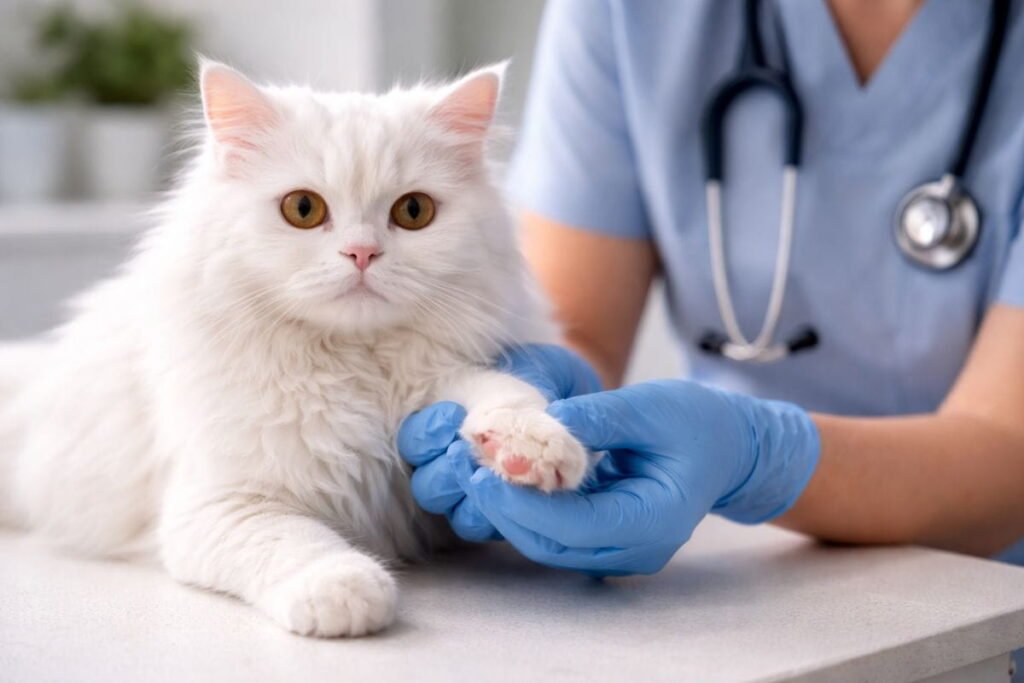
Some situations require immediate care. Limping paired with swelling, heat, bleeding, or aggression signals danger. Cat limping for more than 24 hours often means the issue isn’t resolving on its own.
Don’t wait if the limb looks unstable or twisted. Broken leg symptoms in cats can mimic sprains, making sprain vs fracture in cats hard to judge at home. This is when it becomes urgent to take cat to vet for limping.
What a Vet Will Do to Diagnose a Limping Cat
At the clinic, vets begin with a detailed physical examination. They check posture, joints, and response to touch. This step alone can reveal strain, infection, or nerve involvement.
Next comes proper testing. X-rays, blood work, or scans support a clear veterinary diagnosis. Accurate diagnosis protects your cat from unnecessary treatment and speeds safe recovery and healing.
Treatment Options for a Limping Cat (From Mild to Severe)
Treatment depends on the cause and severity. Mild injuries need rest and restricted movement to prevent worsening. Vets may clean wounds to prevent infection or trim nails causing pain.
Severe cases require medication, splints, or surgery. Chronic issues like arthritis need long-term plans. Treatment always aims to restore comfort, protect mobility, and reduce future injury risk.
| Condition | Typical Treatment | Recovery Outlook |
| Soft tissue strain | Rest and monitoring | Days to weeks |
| Nail or paw injury | Cleaning and care | Quick improvement |
| Fracture | Splint or surgery | Weeks to months |
| Arthritis | Long-term management | Ongoing |
Recovery Timeline — How Long Should Cat Limping Last?
Recovery varies by injury. Minor strains improve within days. Deeper injuries need patience and monitoring. Limping should steadily lessen, not worsen, during healing.
If improvement stalls, reassessment matters. Lingering pain may signal hidden damage. Successful recovery and healing always show increased confidence in movement and reduced guarding behaviors.
Preventing Future Limping and Joint Problems
Prevention starts at home. Keep nails trimmed. Maintain a healthy weight. Reduce jumping from high furniture. These steps protect joints and paws long-term.
Routine checks catch issues early. Watch how your cat walks daily. Early care prevents minor problems from becoming lifelong cat mobility issues, keeping your companion active and comfortable for years.
“Cats rarely limp without a reason. When they do, listening early often saves pain later.”
This guide on Cat Limping: Causes, Signs, and When You Must See a Vet is designed to help you act with confidence, not fear. Your attention today can protect your cat’s tomorrow.
FAQs: Cat Limping, Back Leg Injuries, and When to Worry
What do you do if your cat is limping on his back leg?
Limit movement right away and watch how your cat walks and rests. If the cat limping back leg lasts more than 24 hours or worsens, contact your vet.
How can I tell if my cat’s limp is serious?
A limp is serious if your cat avoids weight, hides, stops eating, or shows swelling. Cat limping signs of pain that don’t improve quickly usually need a vet check.
How can you tell if a cat’s back leg is broken?
A broken leg may look swollen, bent, or unusable. Broken leg symptoms in cats often include severe limping, crying when touched, or holding the leg up.
How do you know if a cat’s leg is sprained?
A sprain usually causes mild swelling and limping, but your cat can still move the leg. Unlike fractures, sprain vs fracture in cats shows gradual improvement with rest.