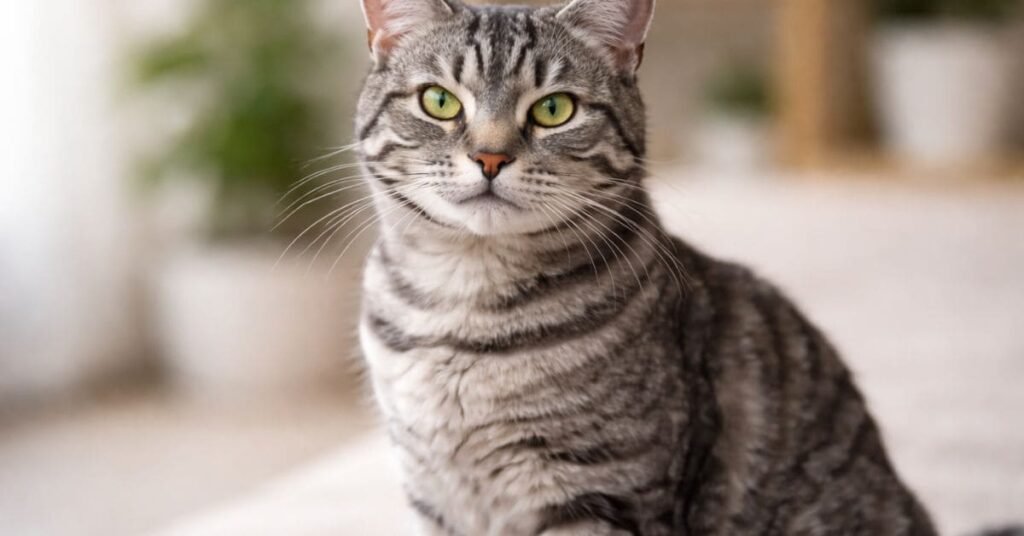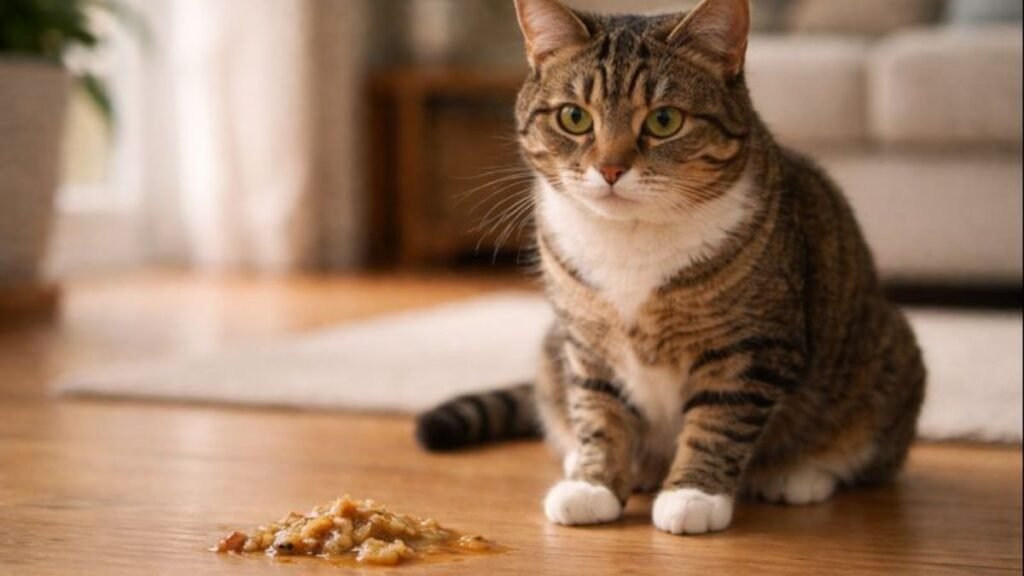
When your cat starts sneezing often, it may seem cute at first. However, a cat sneezing a lot can signal hidden health problems. Occasional sneezes are normal. Repeated sneezing, discharge, or low energy needs attention. This guide explains causes, warning signs, treatment, and prevention in simple terms for U.S. pet owners.
Is Occasional Cat Sneezing Normal or a Sign of a Problem?
A single sneeze now and then is normal. Cats react to dust particles, mild nasal irritation, or temporary environmental irritants. But frequent sneezing in cats that lasts several days may point to deeper causes of cat sneezing, especially if behavior changes.
Watch your cat’s mood and appetite closely. If you notice a cat sneezing and nasal discharge, watery eyes, or tiredness, it may indicate a cat respiratory infection or environmental allergies in cats. Early observation helps protect long-term pet respiratory health.
Most Common Causes of Frequent Sneezing in Cats
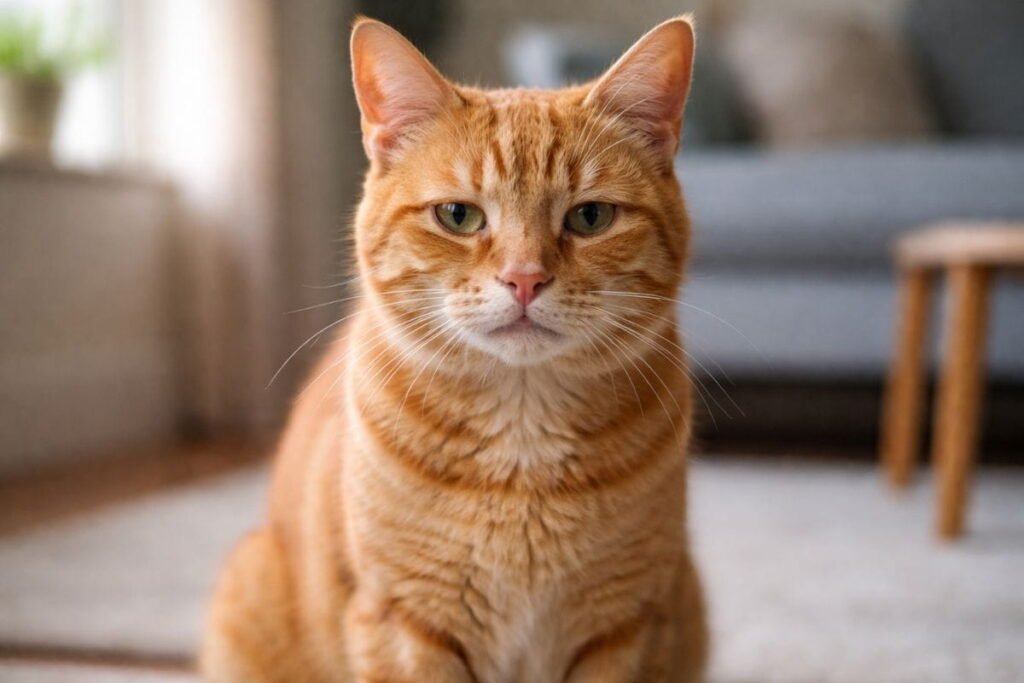
The most common reason for cat sneezing a lot is an upper respiratory infection in cats. These infections come from a viral infection or bacterial infection that triggers airway inflammation and an active immune response. Typical cat cold symptoms include sneezing, eye discharge, and mild fever.
Allergies also play a big role. Many cats develop cat allergies symptoms from household allergens, litter dust, perfumes, or cleaning sprays. Indoor cat sneezing often comes from dust allergy in cats or pollen allergy in cats, especially during heavy seasonal allergies and indoor pollen exposure.
Less Common but Serious Reasons Your Cat Keeps Sneezing
Sometimes the cause is more serious. Dental infections can spread into the sinus area and create chronic sneezing with thick mucus discharge. Nasal polyps, tumors, or foreign objects may also block airflow and worsen breathing discomfort over time.
In certain regions, fungal infections or long-term inflammation can affect lung health in cats. These conditions may not improve without a proper veterinary examination. If sneezing lasts weeks, deeper testing is often needed to confirm the exact problem.
Cat Sneezing Symptoms You Should Never Ignore
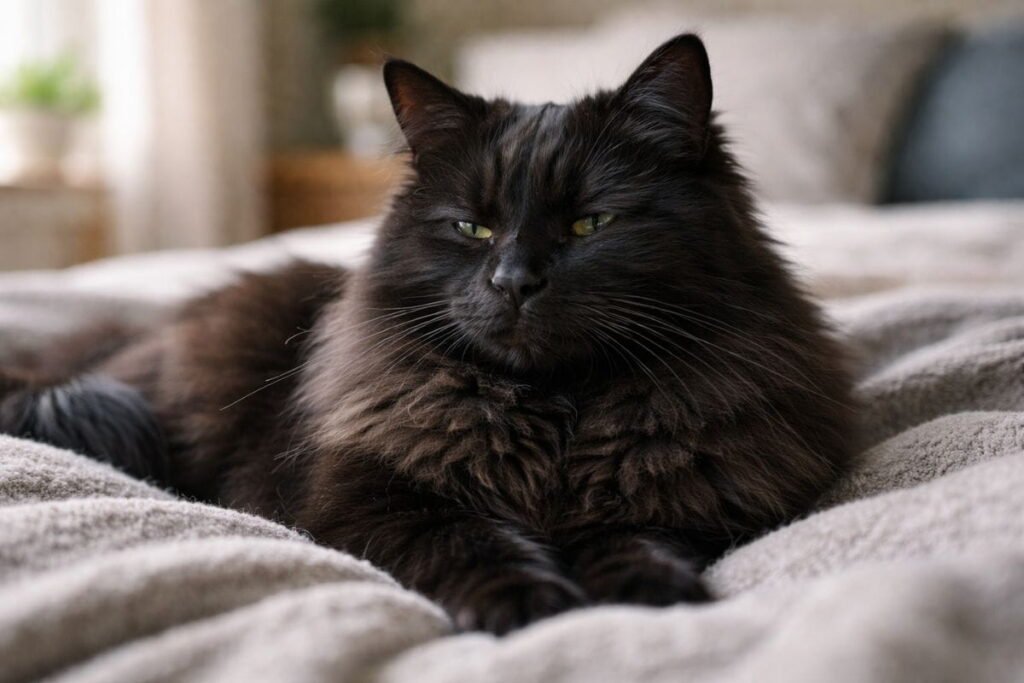
Pay attention to warning signs. Yellow or green mucus discharge, blood, or a bad odor often signals infection. Sneezing combined with coughing, eye swelling, or labored breathing suggests serious airway inflammation that needs medical care.
Behavior changes matter too. Loss of appetite, hiding, dehydration and fever are key signs of illness. If your cat shows weakness or ongoing breathing discomfort, it is time to think about when to worry about cat sneezing and seek professional help.
When to Take Your Sneezing Cat to the Vet
If the cat sneezing a lot for more than three days, schedule a visit. Kittens, senior cats, and pets with weak immunity are at higher risk. Early care prevents minor cat respiratory infection cases from becoming severe.
Emergency care is needed if your cat breathes through the mouth, refuses food, or becomes very tired. These signs may indicate severe airway inflammation or worsening viral infection. Quick action protects long-term pet respiratory health.
How Veterinarians Diagnose the Cause of Cat Sneezing
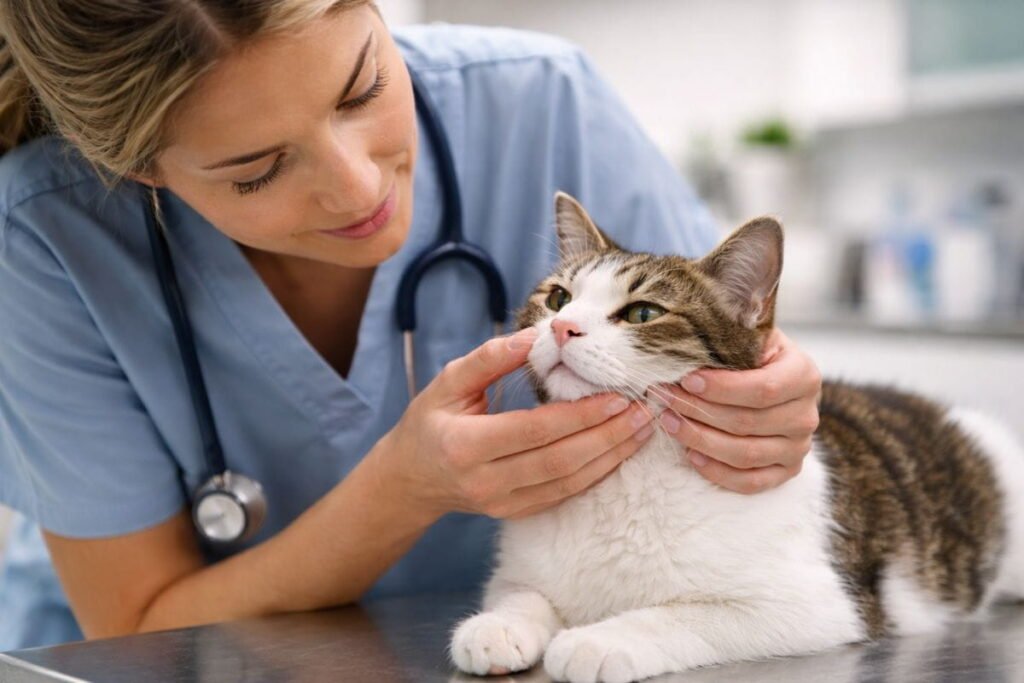
A vet begins with a full veterinary examination. They review symptoms, home environment, vaccination history, and possible smoke exposure or household allergens. This step helps narrow the possible causes of cat sneezing.
If needed, tests may include nasal swabs, blood work, dental checks, or imaging. In chronic cases, advanced tools help find hidden infections, polyps, or severe airway inflammation. Accurate diagnosis leads to the right cat sneezing treatment.
| Diagnostic Method | Purpose |
| Physical exam | Check breathing and discharge |
| Nasal swab | Identify infection type |
| X-ray or imaging | Detect blockages or growths |
| Dental exam | Find tooth-related sinus issues |
Treatment Options for Cats That Won’t Stop Sneezing
Treatment depends on the cause. Bacterial cases require antibiotics, while viral illness needs supportive care. Antihistamines may help with allergy cases. Severe inflammation may need anti-inflammatory medicine to reduce nasal irritation and swelling.
Supportive care is equally important. Fluids prevent dehydration and fever, while proper nutrition strengthens the immune response. Most mild infections improve within one to two weeks when proper cat sneezing treatment begins early.
Home Remedies and Comfort Tips to Help Your Cat Breathe Easier
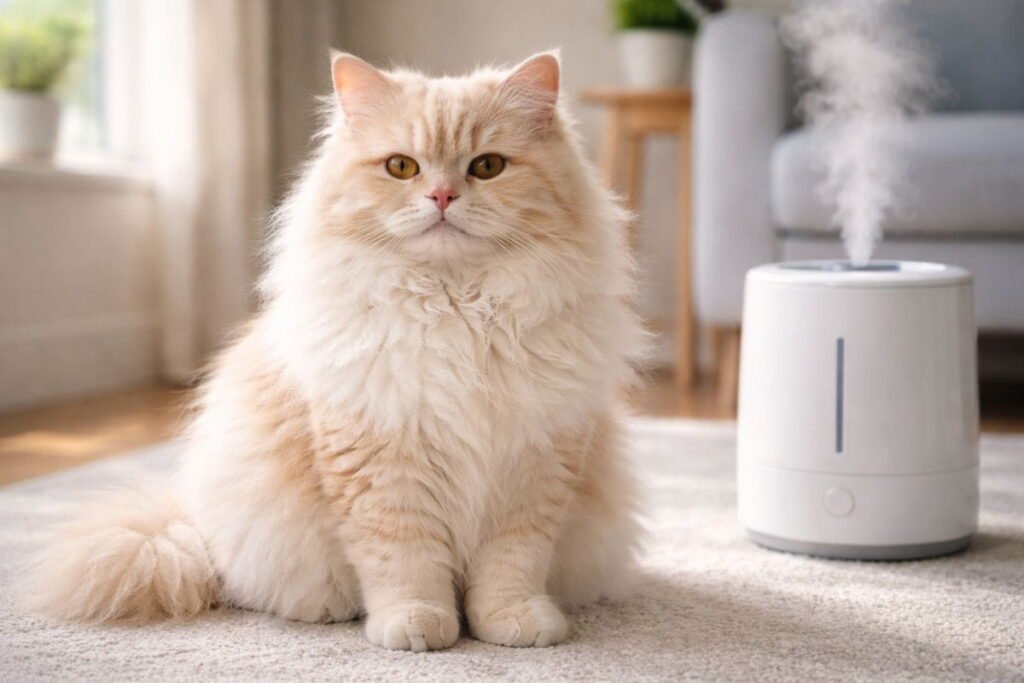
Simple home care can make a big difference. Many home remedies for cat sneezing focus on clean air and moisture. A humidifier helps soothe nasal irritation and reduce thick discharge. Regular cleaning removes dust particles and other environmental irritants.
Good grooming and hygiene also help. Wipe discharge gently and keep bedding fresh. Reducing stress and avoiding strong scents can improve comfort. These steps often show owners how to stop cat sneezing in mild allergy cases.
How to Prevent Future Sneezing Episodes in Cats
Prevention starts with strong preventive pet care. Routine vaccines protect against common upper respiratory infection in cats. Regular checkups detect early dental or respiratory problems before they become serious.
Your home environment matters too. Avoid smoke exposure, scented sprays, and dusty litter. Using air purifiers reduces pollen exposure and other household allergens. These changes support long-term lung health in cats.
Final Thoughts
Frequent sneezing is common, but it should never be ignored. Understanding the causes of cat sneezing, acting early, and maintaining a clean environment keep your cat comfortable. With proper care and timely treatment, most cats recover quickly and breathe easily again.
Frequently Asked Questions About Cat Sneezing
When should I be concerned about my cat sneezing?
Be concerned if sneezing lasts more than 2–3 days or comes with discharge, fever, low appetite, or breathing trouble. These signs may indicate infection or a serious respiratory issue.
How do you treat a sneezing cat?
Treatment depends on the cause and may include antibiotics, allergy care, or humidified air. Mild cases often improve with clean air, hydration, and supportive home care.
What causes indoor cats to sneeze?
Indoor cats often sneeze due to dust, litter particles, mold, perfumes, or other household irritants. Allergies and viral respiratory infections are also common causes.
Why has my cat suddenly started sneezing a lot?
Sudden, frequent sneezing can result from a respiratory infection, new environmental allergens, smoke exposure, or a foreign particle irritating the nasal passages.