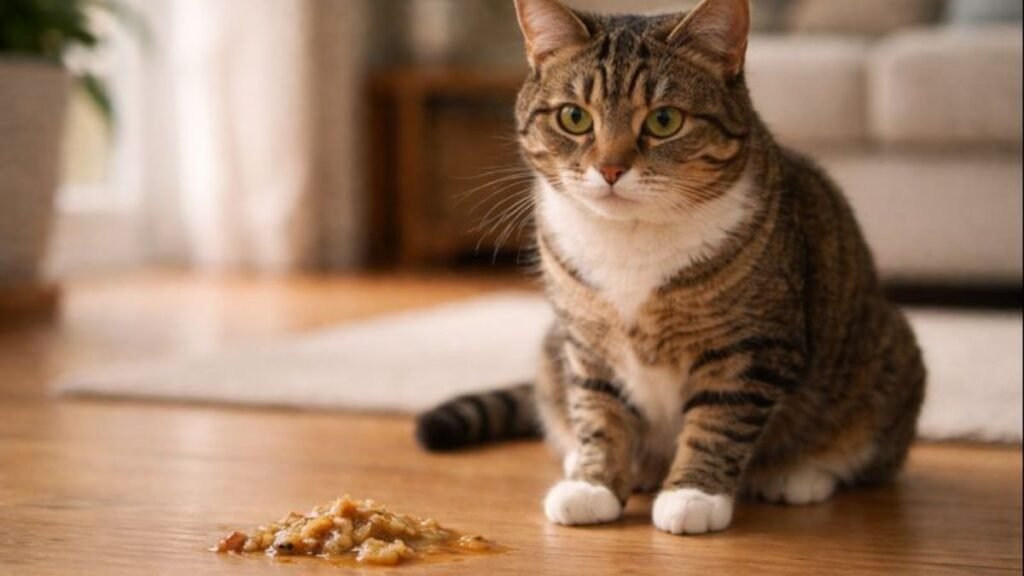
Cat vomiting and diarrhea can worry any pet owner, especially when the symptoms appear suddenly. Many people ask, why is my cat vomiting and having diarrhea, and the answer can range from a simple cat stomach upset to more serious cat digestive problems. Cats have sensitive digestive systems, so even small changes like new food or stress can trigger illness.
In some cases, these symptoms may signal infections, parasites, or toxins affecting the stomach. Paying attention to early warning signs helps you protect your pet’s health. When you understand the possible causes and symptoms, it becomes easier to decide whether simple home care is enough or if your cat needs prompt veterinary attention.
Cat Diarrhea and Vomiting: What It Means for Your Cat’s Health
When cat vomiting and diarrhea appear together, the feline digestive system is reacting to irritation or illness. This reaction often occurs when harmful bacteria, spoiled food, or toxins enter the stomach. The body pushes these substances out quickly through feline vomiting and feline diarrhea.
Many digestive problems in cats start with mild cat sick stomach symptoms. However, repeated cat gastrointestinal problems can lead to gastrointestinal distress in cats. Some cases resolve naturally, while others require a veterinary diagnosis or even emergency veterinary care if symptoms worsen quickly.
Common Symptoms That Appear with Cat Diarrhea and Vomiting
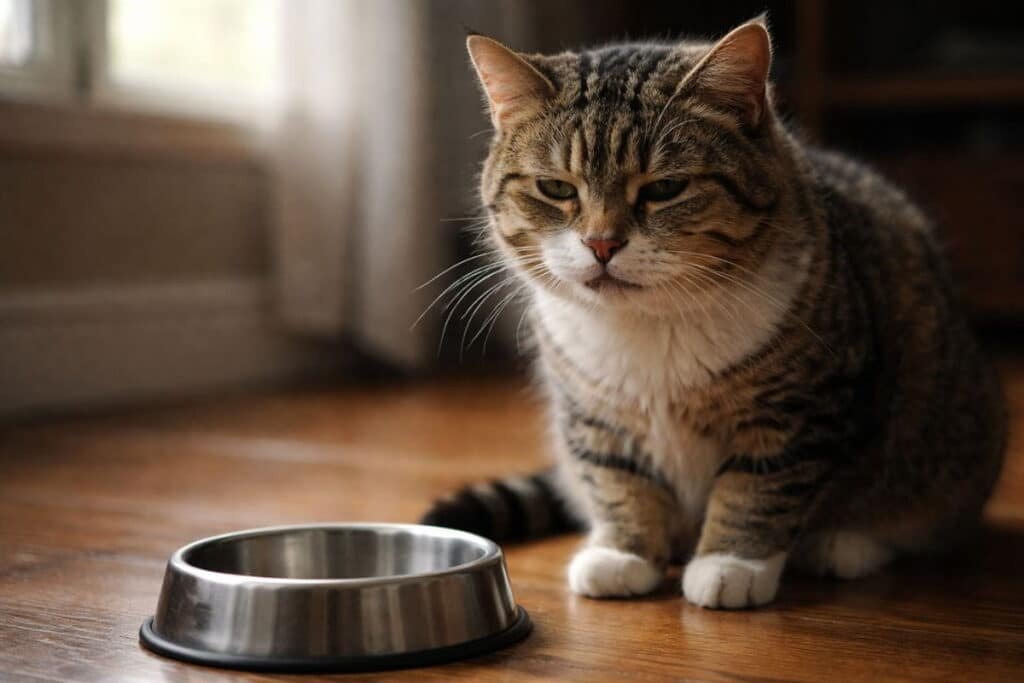
Cats rarely show illness clearly, so subtle signs matter. Along with cat vomiting and diarrhea, you may notice cat digestive problems, poor appetite, or unusual behavior. These symptoms can signal early cat stomach infection or other cat vomiting causes.
Sometimes the symptoms appear gradually. For example, a cat may start with mild diarrhea in indoor cats, followed by vomiting or fatigue. These patterns suggest developing cat digestive illness and possible gastrointestinal distress in cats.
Loss of appetite and lethargy
Loss of appetite is one of the first signs of digestive illness. Cats with cat vomiting and diarrhea often show appetite loss in cats and reduced activity. You might also notice cat lethargy symptoms, which occur when the body is fighting infection or irritation in the stomach.
Dehydration signs in cats
Frequent vomiting and diarrhea quickly remove fluids from the body. One of the most dangerous complications is dehydration in cats. Early signs of dehydration in cats include dry gums, tiredness, and sunken eyes. Severe dehydration often requires fluid therapy during an emergency vet visit.
Fever, weight loss, or weakness
If cat vomiting and diarrhea continue for several days, your cat may develop fever, weakness, or sudden weight loss. These symptoms often appear in cases of cat stomach virus, infection, or chronic cat digestive illness affecting the feline digestive system.
Blood or mucus in stool or vomit
Seeing blood in cat stool or bloody cat vomit can be alarming. These signs may indicate severe irritation inside the stomach or intestines. Some cases involve intestinal blockage in cats, infection, or inflammation that requires immediate emergency veterinary care.
10 Possible Causes of Cat Diarrhea and Vomiting
There are many causes of cat diarrhea and causes of vomiting in cats. Some are mild, like temporary cat stomach upset, while others involve serious health problems affecting the digestive tract.
Understanding what causes diarrhea and vomiting in cats can help you decide when to monitor symptoms and when to contact a veterinarian.
| Cause | Description |
| Hairballs | Fur accumulation is causing stomach irritation |
| Food intolerance | Sensitivity to ingredients or a new diet |
| Parasites | Worms or protozoa affecting digestion |
| Viral infections | Illnesses causing stomach inflammation |
| Toxins | Chemicals or plants poisoning the cat |
| Spoiled food | Bacteria causing stomach infection |
| Intestinal blockage | Objects trapped in the digestive tract |
| Stress | Environmental changes affecting digestion |
| Chronic disease | Kidney or liver disease affecting the stomach |
| Inflammatory bowel disease | Long-term digestive inflammation |
Hairballs irritating the stomach
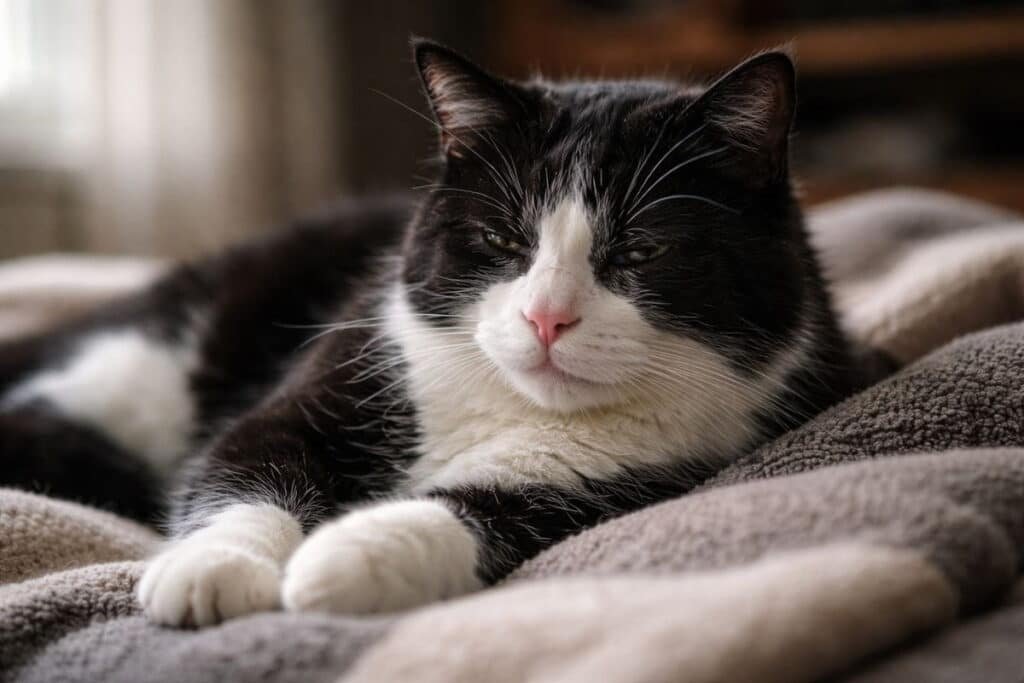
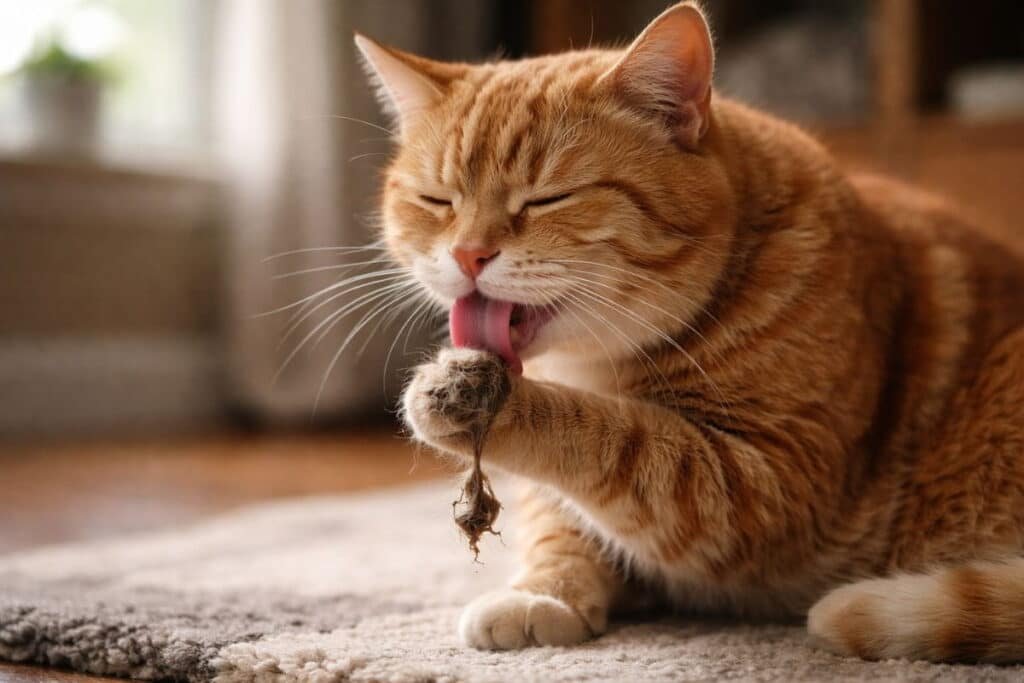
Many owners notice cat vomiting hairballs occasionally. Hairballs develop when cats swallow fur during grooming. Large clumps may irritate the stomach lining and cause cat vomiting and diarrhea.
Sudden food changes or food intolerance
Imagine switching your cat’s food overnight. For many cats, that sudden change can upset the stomach and trigger vomiting or diarrhea. Switching food too quickly may cause cat food sensitivity symptoms, leading to cat vomiting after eating new food or mild cat stomach upset.
Parasites such as worms or protozoa
Parasites often trigger cat digestive problems in both indoor and outdoor cats. A worm infection in cats or digestive parasites in cats can cause long-lasting cat vomiting and diarrhea.
Viral or bacterial infections
Certain illnesses attack the digestive system. A cat stomach virus may lead to kitten vomiting and diarrhea, fever, and severe feline diarrhea.
Toxins or poisonous plants
Cats sometimes chew dangerous plants. Exposure to poisonous plants for cats or chemicals may lead to toxic ingestion in cats, resulting in severe cat vomiting and diarrhea.
Eating spoiled food or garbage
Bacteria in spoiled food can cause sudden cat stomach infection. This often results in cat throwing up and diarrhea within a few hours.
Intestinal blockage from foreign objects
Playful cats sometimes swallow small objects. This leads to foreign object ingestion in cats and possible intestinal obstruction in cats.
Stress or environmental changes
Cats dislike sudden change. Moving homes or introducing new pets may trigger stress-related cat gastrointestinal problems.
Chronic diseases like kidney or liver disease
Chronic illness can disturb the digestive system. These health problems may cause repeated cat vomiting causes linked to organ dysfunction.
Inflammatory bowel disease (IBD)
Inflammatory bowel disease causes chronic irritation in the feline digestive system. Cats with IBD often experience recurring cat vomiting and diarrhea, and weight loss.
Is Your Cat Dehydrated? Why Vomiting and Diarrhea Are Dangerous
During cat vomiting and diarrhea, fluid loss becomes the biggest danger. Without enough water, dehydration in cats can affect organs, circulation, and overall health.
Severe dehydration often requires IV fluids during an emergency vet visit. Monitoring hydration levels is essential because signs of dehydration in cats may develop quickly.
| Dehydration Sign | What It Means |
| Dry gums | Low body fluids |
| Sunken eyes | Moderate dehydration |
| Weakness | Severe fluid loss |
| Skin elasticity loss | Advanced dehydration |
What to Do Immediately If Your Cat Has Diarrhea and Vomiting
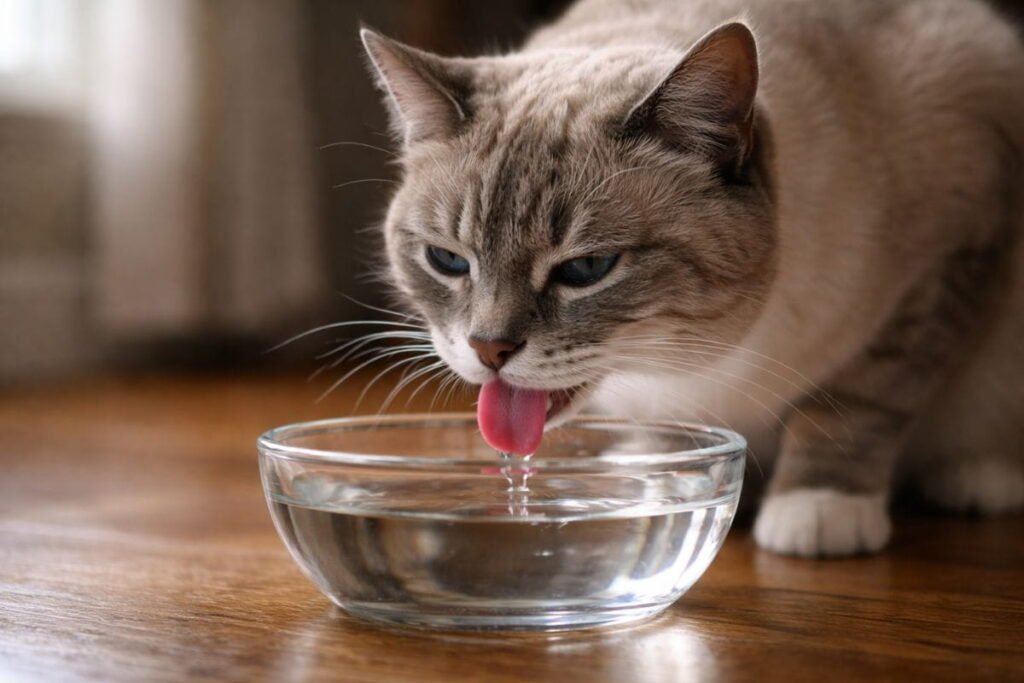
When cat vomiting and diarrhea suddenly appear, quick action helps prevent complications. Mild cat diarrhea home care may stabilize the stomach and reduce irritation.
If symptoms worsen or your cat shows emergency symptoms in sick cats, contact a veterinarian immediately.
Temporarily pause food for a few hours
Short fasting allows the digestive tract to rest. Veterinarians sometimes recommend a short break from food during cat upset stomach treatment.
Offer small amounts of fresh water
Providing small amounts of water helps prevent dehydration in cats. Hydration is essential during episodes of cat vomiting and diarrhea.
Monitor litter box activity
Litter box habits reveal important clues. Watch for sudden diarrhea in cats or abnormal stool color.
Remove possible toxins or unsafe foods
Remove plants, chemicals, and spoiled food to prevent further toxic ingestion in cats.
What to Feed a Cat With Diarrhea and Vomiting
Proper diet plays a major role in recovery from cat vomiting and diarrhea. Gentle foods help reduce irritation and support healing in the digestive system.
Many veterinarians recommend simple diets when discussing what to feed a cat with diarrhea and vomiting.
| Recommended Foods | Why They Help |
| Boiled chicken | Easy digestion |
| Plain rice | Absorbs stomach acid |
| Veterinary GI diets | Designed for digestive recovery |
Bland foods vets often recommend
Bland diets help soothe the stomach during cat upset stomach treatment. These foods support healing in the feline digestive system.
Portion control and feeding schedule
Small meals throughout the day help prevent further cat vomiting causes and reduce stress on the digestive tract.
Foods to completely avoid during recovery
Avoid dairy, fatty treats, and rich food while treating cat vomiting and diarrhea.
When Cat Diarrhea and Vomiting Become an Emergency
Occasional digestive upset is common, but severe symptoms require attention. Many owners ask when should I take my cat to the vet for vomiting.
Certain warning signs mean your cat may need immediate emergency veterinary care.
Vomiting or diarrhea lasting longer than 24 hours
If symptoms continue longer than a day, dehydration may occur quickly.
Blood in stool or vomit
The presence of blood in cat stool or bloody cat vomit often signals serious digestive irritation.
Severe lethargy or collapse
Extreme weakness combined with cat vomiting and diarrhea requires urgent treatment.
Inability to keep water down
Inability to drink water may lead to severe dehydration in cats.
Suspected toxin ingestion
If poisoning is suspected, seek help immediately. The ASPCA Animal Poison Control Center provides emergency help:
https://www.aspca.org/pet-care/animal-poison-control
How Veterinarians Diagnose the Cause
Veterinarians rely on several methods to identify cat vomiting causes. Proper veterinary diagnosis ensures the correct treatment.
Diagnostic testing helps detect infections, parasites, or structural problems inside the digestive tract.
Physical examination
The veterinarian checks temperature, hydration, and abdominal pain.
Stool tests for parasites
Testing helps identify digestive parasites in cats or worm infection in cats.
Blood tests and imaging
Bloodwork and X-rays detect infection, organ disease, or intestinal obstruction in cats.
Food allergy or elimination trials
Diet trials help identify cat food sensitivity symptoms that trigger digestive illness.
Veterinary Treatments for Cats With Vomiting and Diarrhea
Treatment depends on the underlying cause. Some cases resolve quickly, while others require ongoing care.
Modern veterinary medicine offers many effective treatments for cat vomiting and diarrhea.
Anti-nausea medication
Veterinarians may prescribe anti-nausea medication for cats to control vomiting.
Fluid therapy for dehydration
Fluid therapy treats dehydration in cats and restores electrolyte balance.
Deworming treatments
Deworming eliminates digestive parasites in cats and reduces recurring diarrhea.
Antibiotics or probiotics
Antibiotics treat infection while probiotics support healthy gut bacteria.
Surgery for intestinal obstruction
Severe intestinal blockage in cats caused by foreign object ingestion in cats may require surgery.
How to Prevent Diarrhea and Vomiting in Cats
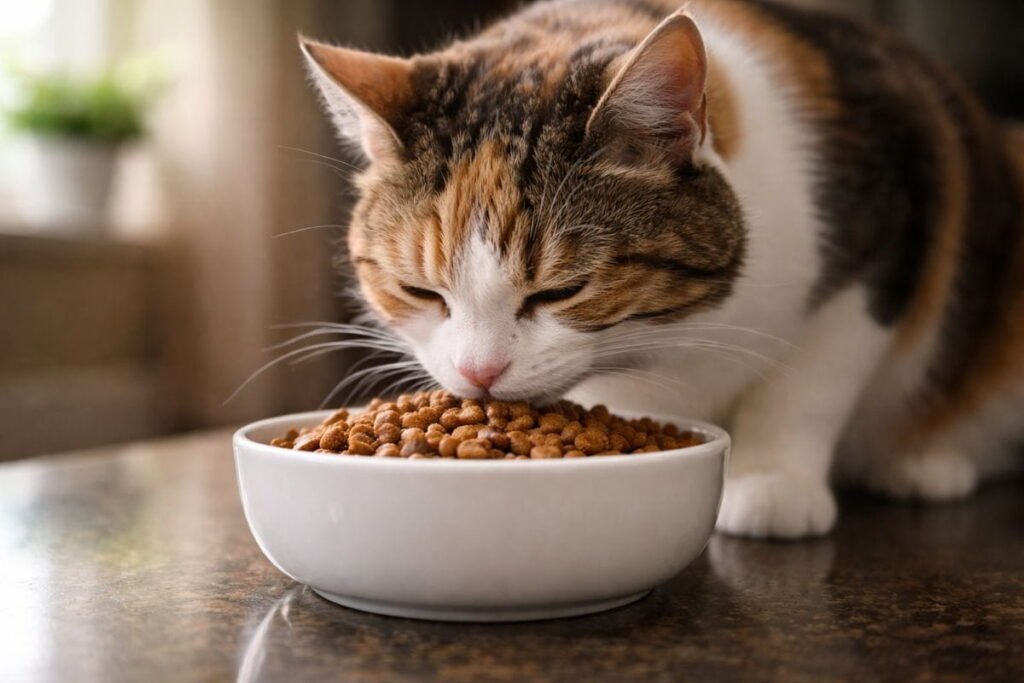
Preventing digestive illness starts with good daily care. Gradual food changes reduce stomach upset in cats and prevent symptoms of food sensitivity.
Regular veterinary visits, parasite prevention, and avoiding poisonous plants significantly reduce the risk of vomiting and diarrhea in cats. Cat vomiting and diarrhea can range from mild stomach upset to serious illness. Watching your cat closely, providing hydration, and knowing when to visit the vet can protect your pet’s health.
Frequently Asked Questions About Cat Diarrhea and Vomiting
What should I do if my cat has diarrhea and vomiting?
Give your cat fresh water, pause food for a few hours, and monitor symptoms closely. If vomiting or diarrhea continues or your cat seems weak, contact a veterinarian.
When should I take my cat to the vet for diarrhea and vomiting?
Visit a vet if symptoms last more than 24 hours, if there is blood in vomit or stool, or if your cat shows weakness, dehydration, or refuses to eat.
Is cat vomiting and diarrhea an emergency?
It can be an emergency if your cat cannot keep water down, becomes very lethargic, or shows signs like bloody vomit or severe dehydration.
Cat vomiting and diarrhea but acting normal
If your cat seems normal otherwise, it may be a mild stomach upset. Still, monitor closely and see a vet if symptoms last longer than a day.