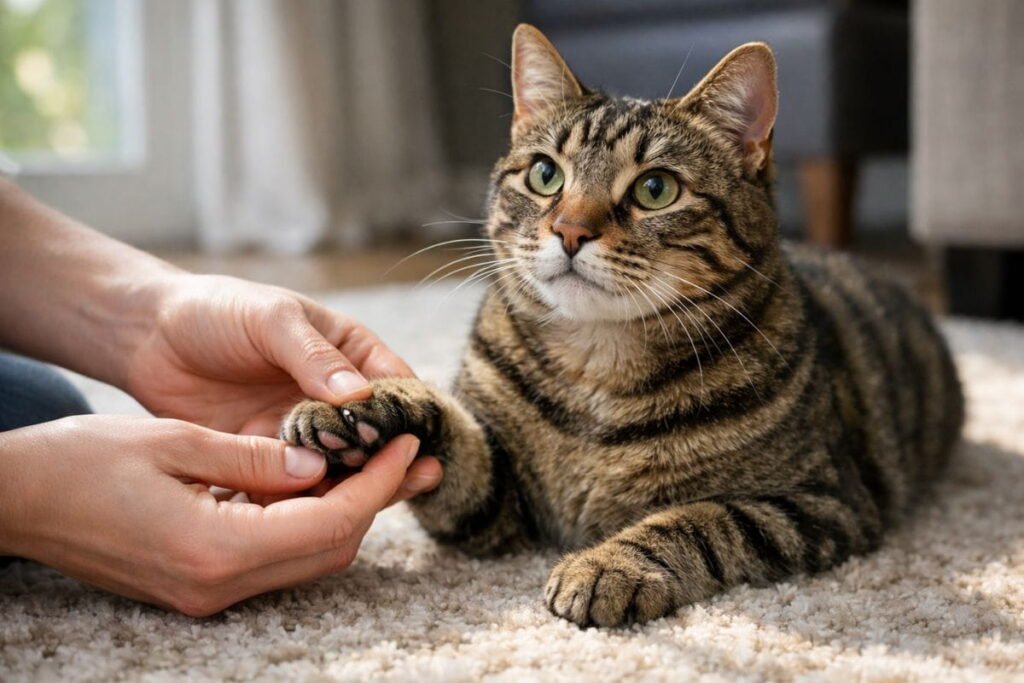
When your cat gets hurt, even a small scratch can feel alarming. Proper cat wound care helps prevent infection, reduce pain, and support fast healing. Cats often hide discomfort, so early action matters. Whether you’re dealing with minor cuts on cats, an open wound in cats, or a sudden bleeding wound in cat, knowing what to do makes all the difference. Simple first aid for cats can stop problems before they grow serious.
However, some injuries require professional cat injury treatment to avoid complications. In this guide, you’ll learn how to respond calmly, clean wounds safely, and protect your cat’s health with confidence.
How to Tell If Your Cat Has a Wound (Early Signs Most Owners Miss)
Cats hide pain extremely well. You might not see blood right away. Instead, notice subtle behavioral changes in cats, such as limping, flinching, or sudden hiding. These clues often signal the need for immediate cat wound care. Watch for overgrooming in one area or signs of discomfort during touch.
Carefully inspect your cat’s fur and skin. Look for swelling, warmth, or tenderness. Early infection symptoms include redness and mild inflammation. If you detect a bleeding wound in cat, act quickly. Prompt wound severity assessment prevents worsening tissue damage and improves healing outcomes.
Types of Cat Wounds Explained (Scrapes, Punctures, Abscesses & More)
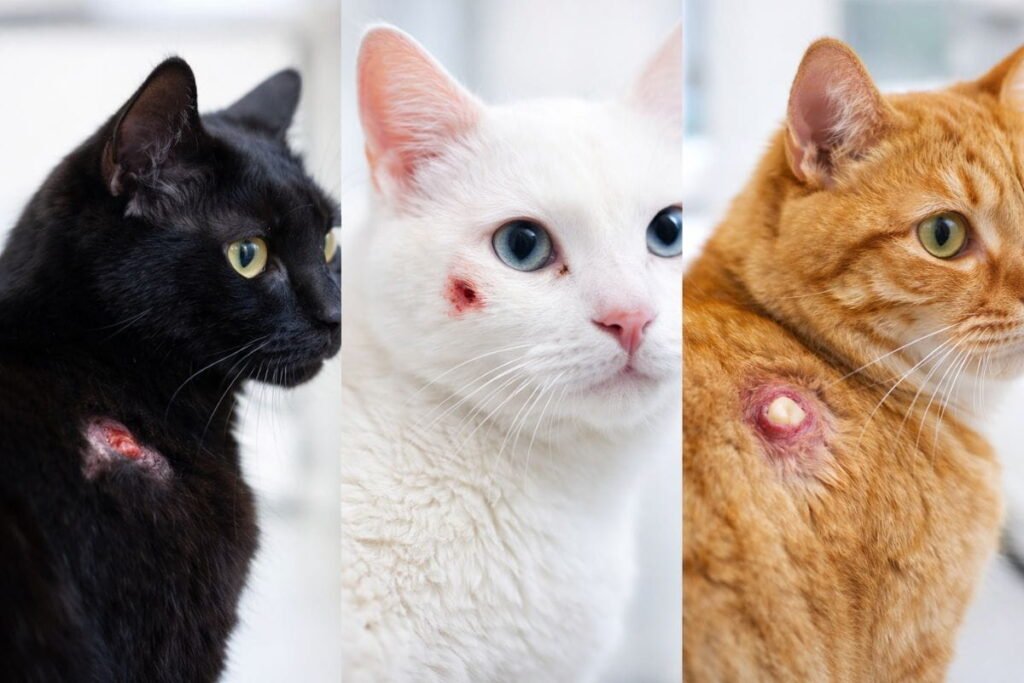
Different injuries demand different responses. Minor cuts on cats and scrapes often need simple cleaning and monitoring. However, puncture wounds can seal at the surface while bacteria multiply underneath. Proper cat bite wound care becomes critical in these cases.
Common injuries include lacerations, burns, open wound in cats, and bite-related abscesses. Outdoor fights often lead to serious outdoor cat injuries, while sharp objects inside homes create indoor cat injury risks. Understanding wound type helps guide safe cat skin injury care and reduces feline wound infection risks.
Table: Common Wound Types and Risk Level
| Wound Type | Common Cause | Risk Level | Needs Vet? |
| Scrape | Rough surface | Low | Sometimes |
| Puncture | Bite or nail | High | Usually |
| Abscess | Bite infection | High | Yes |
| Burn | Heat source | Moderate | Depends |
| Cut | Sharp object | Moderate | Sometimes |
Is the Wound an Emergency? Red Flags That Require Immediate Vet Care
Some wounds require urgent attention. Heavy bleeding that does not stop after 15 minutes demands veterinary emergency care. Pale gums, weakness, or difficulty breathing also signal danger. These cases require an immediate visit to an emergency vet for cats.
Additionally, watch for fever in cats, visible bone, or severe swelling. These are clear signs of advanced feline wound infection. If unsure, always seek a veterinarian consultation. Knowing when to take cat to vet can save your cat’s life.
Step-by-Step: How to Treat Minor Cat Wounds at Home Safely
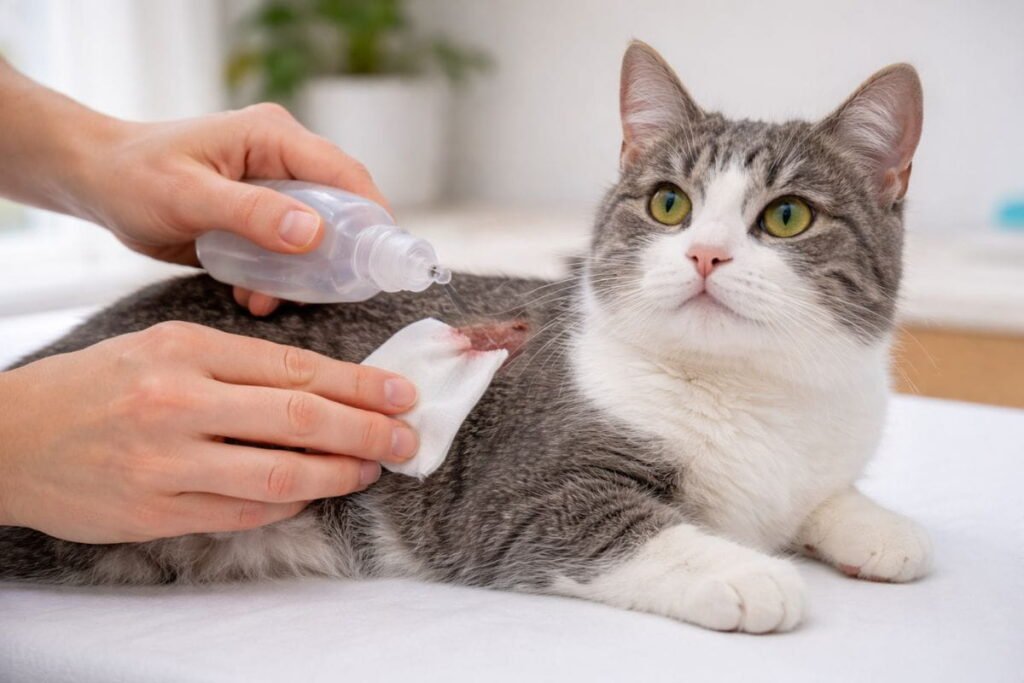
If the wound is small, begin calm and focused home treatment for cat wounds. Wrap your cat gently in a towel. Use clean, sterile gauze for cleaning. Apply careful pressure to stop bleeding and encourage blood clot formation.
Rinse with saline solution. Avoid harsh chemicals. Continue monitoring daily. Proper wound management steps reduce infection risk. Learning how to treat a cat wound safely helps you handle minor injuries without panic while supporting your cat’s feline immune system.
What to Clean a Cat’s Wound With (And What to Avoid Completely)
Many owners ask, “What can I put on my cat’s wound at home?” Use saline or diluted antiseptic approved by a vet. These options support safe cat scrape treatment and reduce bacteria without harming healthy cells.
Never use hydrogen peroxide. So, is hydrogen peroxide safe for cat wounds? No. It delays recovery and damages tissue. Proper cleaning improves cat wound healing stages and prevents severe infected cat wound signs from developing later.
Cat Bite Abscesses: Why They’re More Dangerous Than They Look
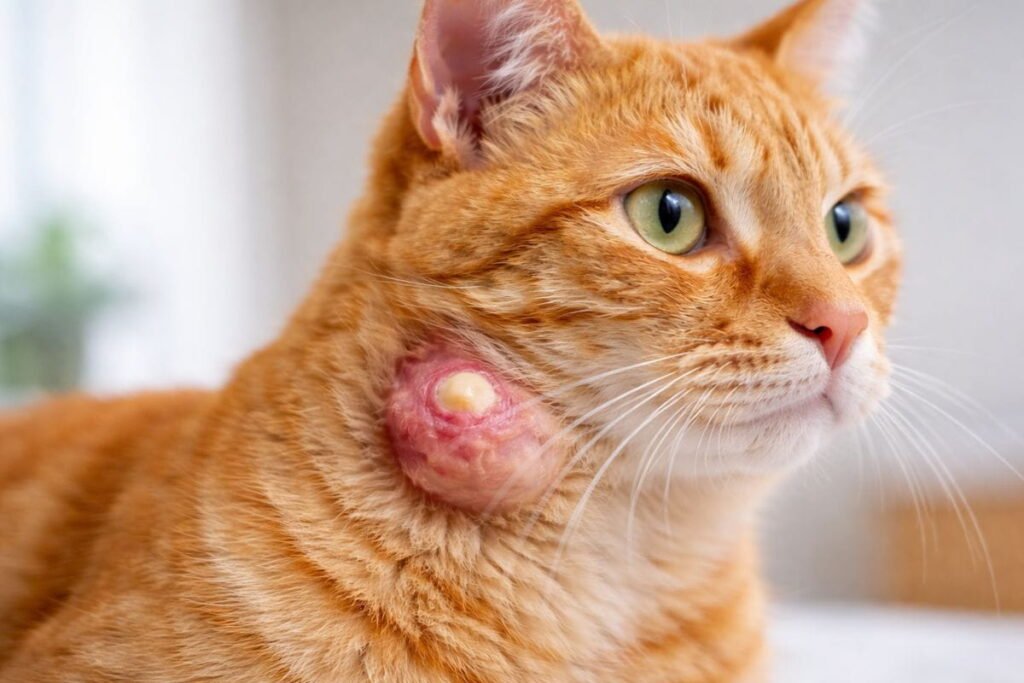
A bite may look tiny. However, bacteria trapped under the skin can cause swelling within days. This condition often needs urgent cat abscess treatment. You may notice warmth, pain, or thick pus discharge.
Veterinarians typically perform abscess drainage followed by antibiotic treatment. Without proper care, abscesses can cause deep tissue damage. Early cat wound care prevents repeated infections and painful complications.
How Vets Treat Cat Wounds (Stitches, Drains, Antibiotics & Pain Relief)
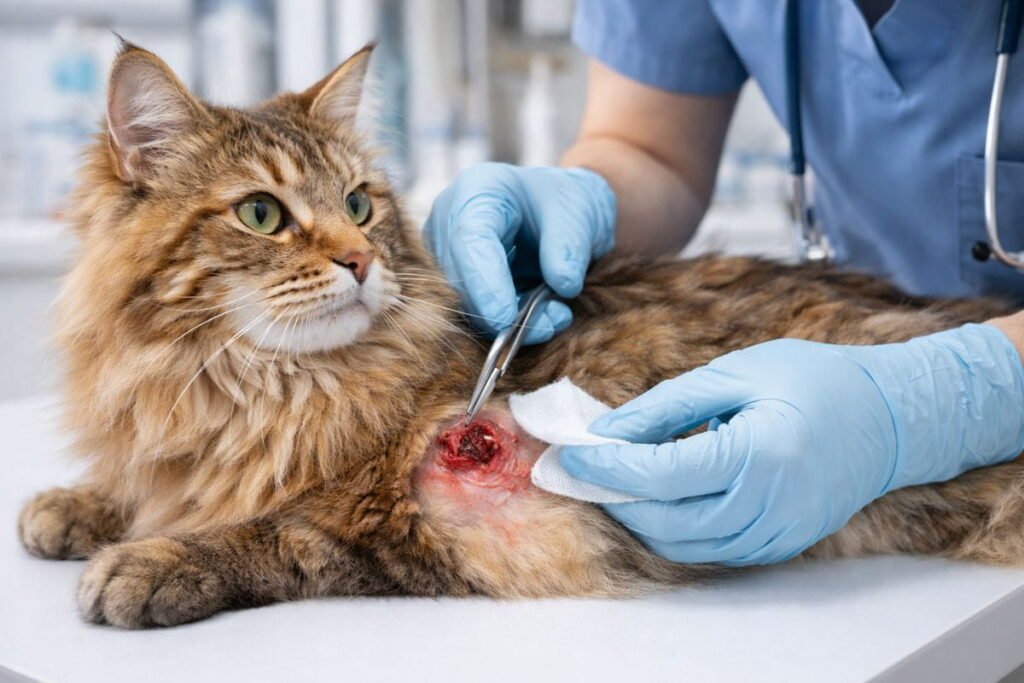
Veterinary professionals tailor each cat’s injury treatment plan. Small wounds may need topical cleaning only. Larger injuries often require surgical stitches, wound flushing, or drains to remove infection.
Severe cases may involve cat wound antibiotics and pain relief medications. Broken bones or deep trauma require advanced care for broken limbs in cats. Professional treatment ensures safe healing and protects against chronic complications.
Healing Stages: What Normal Recovery Looks Like
Many owners ask, “Can a cat wound heal on its own?” Minor wounds sometimes heal naturally. However, monitoring each stage is crucial. Early redness and mild swelling are normal parts of healing.
How long does a cat wound take to heal? Most minor wounds improve within 7 to 14 days. During proper cat wound care, you’ll see reduced inflammation, healthy scab formation, and gradual fur regrowth.
Table: Cat Wound Healing Timeline
| Stage | What Happens | Time Frame |
| Inflammation | Redness and swelling | Day 1–3 |
| Repair | Tissue rebuilding | Day 4–10 |
| Maturation | Scar strengthens | 2+ Weeks |
Preventing Infection and Promoting Faster Healing
Clean bedding and limited activity help healing. Should I cover my cat’s wound or leave it open? Most small wounds heal better uncovered unless advised otherwise by a vet. Prevent licking with protective collars when necessary.
Proper nutrition strengthens the feline immune system. Fresh water and high-quality protein support tissue repair. Careful cat hotspots treatment and daily inspection reduce reinjury risk. Consistent cat wound care promotes smoother recovery.
How to Prevent Future Cat Wounds (Indoor vs Outdoor Risks)
Trust me, preventing a fight is much easier than treating a bite abscess. Limiting unsupervised roaming reduces severe outdoor cat injuries. Neutering decreases fighting behavior significantly. Routine grooming also helps you detect early skin problems.
Indoor safety matters too. Remove sharp décor and secure unstable furniture to reduce indoor cat injury risks. Ongoing pet first aid knowledge empowers you to act fast if injuries happen again.
Frequently Asked Questions About Cat Wound Care
Many pet parents ask, “How do I know if my cat’s wound is infected?” Look for swelling, heat, strong odor, or thick discharge. These are serious infected cat wound signs. Seek prompt medical care.
Another common question is, “What does an abscess look like on a cat?” It appears as a painful swelling under the skin, often warm and filled with fluid. Immediate veterinarian consultation prevents the spread of infection.
Proper cat wound care requires patience, attention, and knowledge. Minor wounds can heal safely at home with careful monitoring. However, serious injuries demand fast professional help. When in doubt, always choose expert care to protect your cat’s health and comfort.
FAQs
How can I treat my cat’s wound at home?
Clean the area gently with saline, use sterile gauze to stop bleeding, and monitor daily for infected cat wound signs. Seek vet help if swelling or discharge appears.
Can a cat’s wound heal by itself?
Small scratches may heal naturally, but proper cat wound care reduces the risk of feline wound infection and speeds recovery.
What ointment is good for cat wounds?
A vet-approved antibiotic ointment is safest for cat skin injury care, especially for minor cuts on cats.
Can you put Neosporin on a cat wound?
Regular Neosporin isn’t always safe for cats, so ask your vet before using it during home treatment for cat wounds.