
If you have ever peeked inside your cat’s mouth, you may have asked yourself how many teeth do cats have, and why do they matter so much. A cat’s teeth do more than chew food. They support grooming, hunting instincts, and daily comfort.
Understanding the number of cat teeth also helps you notice early warning signs of dental trouble before pain sets in. From tiny cat baby teeth in kittens to strong adult teeth, each stage plays a role in lifelong health. Learning about kitten teeth vs adult teeth gives you a clearer picture of normal growth, while basic cat dental anatomy helps you care for your cat with confidence and ease.
How Many Teeth Do Cats Have? (Quick Answer)
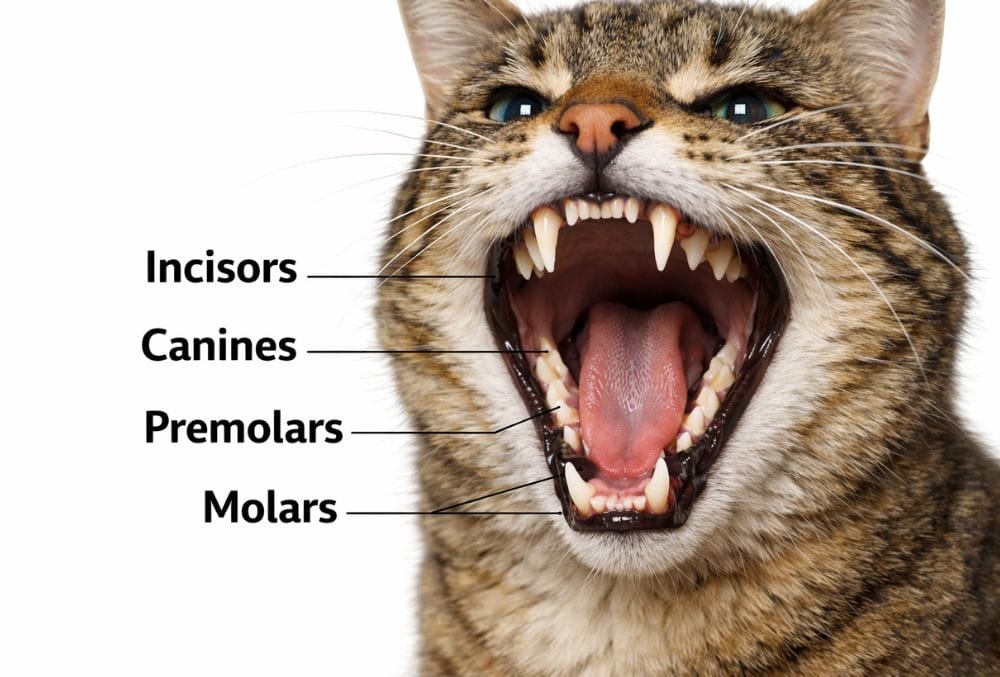
The quick answer is simple. Adult cats usually have 30 teeth. This adult cat’s teeth count includes incisors, canines, premolars, and molars. These teeth work together to cut food, tear meat, and keep the mouth healthy. However, some cats may have fewer teeth due to age, injury, or illness.
It is also important to know that cats have two sets of teeth, just like people. Kittens start life with baby teeth, then switch to adult teeth later. Because adult cats have permanent teeth, any damage at this stage often lasts for life. That is why early care matters.
How Many Teeth Do Kittens Have vs Adult Cats
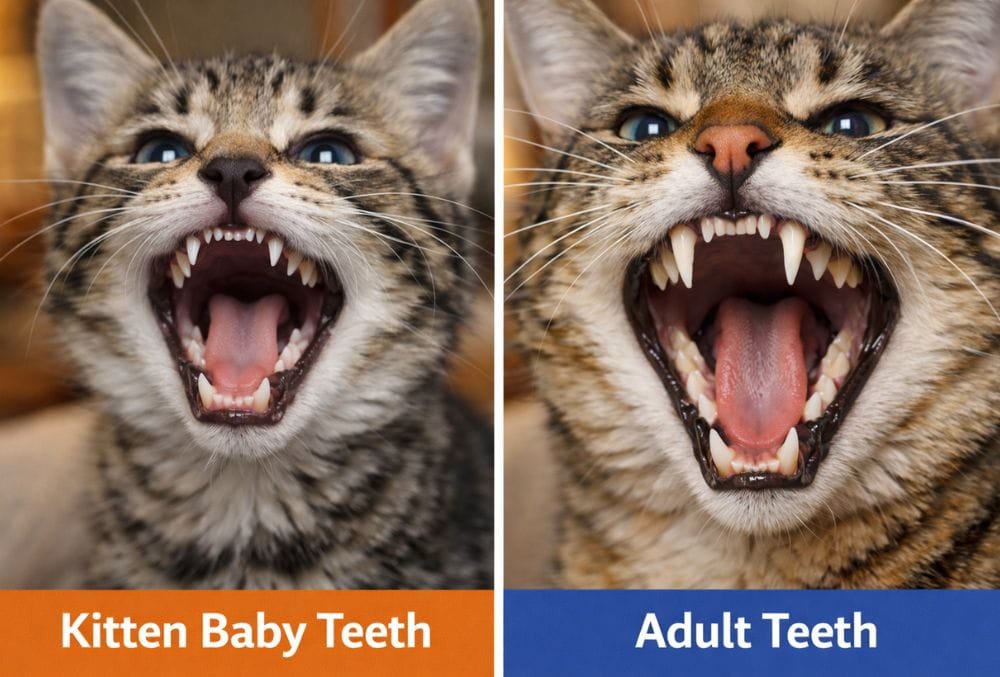
Many owners ask how many teeth kittens have compared to adults. Kittens have 26 baby teeth. These are also called cat baby teeth. They are smaller, sharper, and meant only for early life. This is the main difference when comparing kitten teeth vs adult teeth.
The table below shows a clear comparison that helps explain cat teeth stages and growth.
| Age Stage | Total Teeth | Key Details |
| Newborn kitten | 0 | Kittens are born without teeth |
| Kitten (2–8 weeks) | 26 | Baby teeth are fully present |
| Adult cat | 30 | Molars are only present in adult cats |
Over time, kitten baby teeth fall out naturally, making room for stronger adult teeth. This change is a normal part of cat teeth development.
Cat Teeth Chart – Types, Names, and Functions
A cat’s teeth chart helps you understand the different feline teeth types and what each one does. Cats have four main tooth types, and each serves a specific purpose linked to survival and health. This structure is a key part of a cat’s dental anatomy.
| Tooth Type | Location | Function |
| Incisors | Front of mouth | Grooming and nibbling |
| Canines | Long pointed teeth | Holding and tearing prey |
| Premolars | Behind canines | Cutting food |
| Molars | Back of the mouth | Crushing food |
These teeth explain why cat teeth help with grooming and eating every day. They also show how feline teeth are designed for hunting, even in indoor pets.
What Are Cat Teeth Made Of?
Cat teeth are made of several layers. The outer enamel is very hard but thin. Beneath it lies dentin, which protects the inner pulp. The pulp contains nerves and blood vessels. This structure is a vital part of a cat’s dental anatomy.
Even though teeth look strong, they can break or wear down. Because incisors in cats and canines experience daily stress, damage can happen quietly. Pain often goes unnoticed, which makes regular checks important for a cat’s oral health.
When Do Kittens Start Teething? (Teething Timeline)
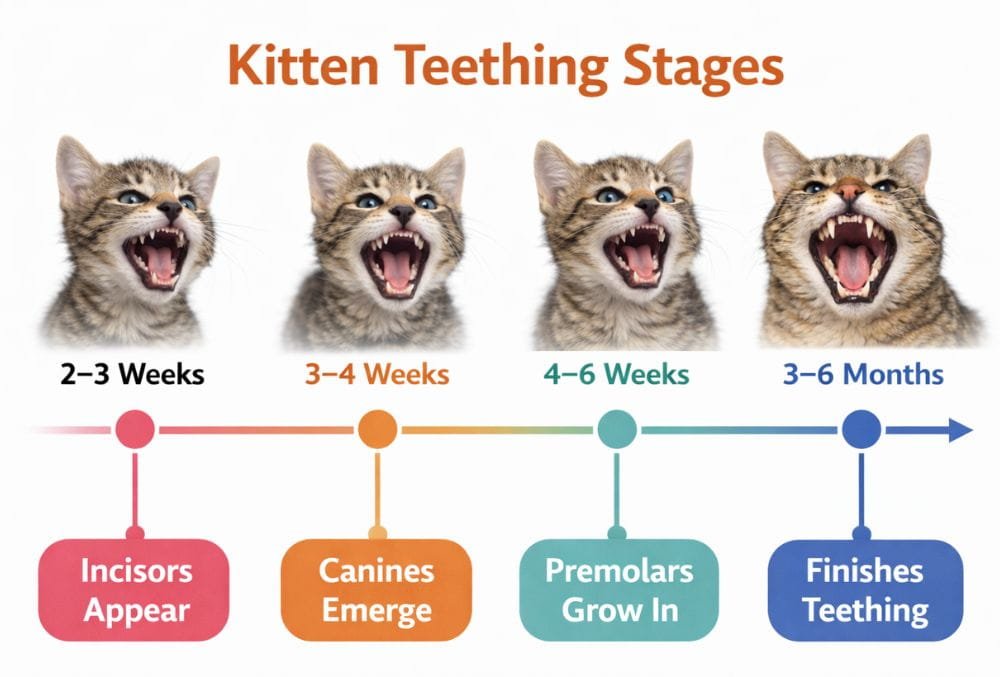
Most kittens begin teething early. In fact, kittens start teething at 2–3 weeks of age. At this point, tiny incisors appear first. This stage marks the beginning of the visible cat tooth stages.
By three to four months, when do kittens lose teeth becomes a common question. Baby teeth loosen and fall out as adult teeth push upward. In most cases, adult teeth appear by six months, completing the transition.
Signs Your Kitten Is Teething

Teething can change a kitten’s behavior. Common kitten teething symptoms include chewing more often and acting irritable. You may also notice that drooling is common during kitten teething, which surprises many owners.
Other signs of oral discomfort in cats include pawing at the face or eating less. These behaviors usually pass. Still, watching closely helps you catch early cat dental problems before they grow serious.
What Happens If Baby Teeth Don’t Fall Out?
Sometimes baby teeth stay in place. This condition is called retained deciduous teeth in cats. When this happens, adult teeth grow beside baby teeth, causing crowding and pain.
If untreated, this can lead to infection and long-term oral health issues. Vets often remove retained teeth to protect the mouth. Early action prevents future dental disease in cats.
Common Dental Problems in Cats
Dental issues are more common than many owners think. Plaque buildup, gum inflammation, and broken teeth are frequent cat dental problems. Conditions like gingivitis and stomatitis in cats can cause severe pain.
Another issue is missing teeth in cats, which may result from injury or disease. Even without visible symptoms, internal damage may exist. Regular exams help detect dental disease in cats early.
How to Care for Your Cat’s Teeth Properly
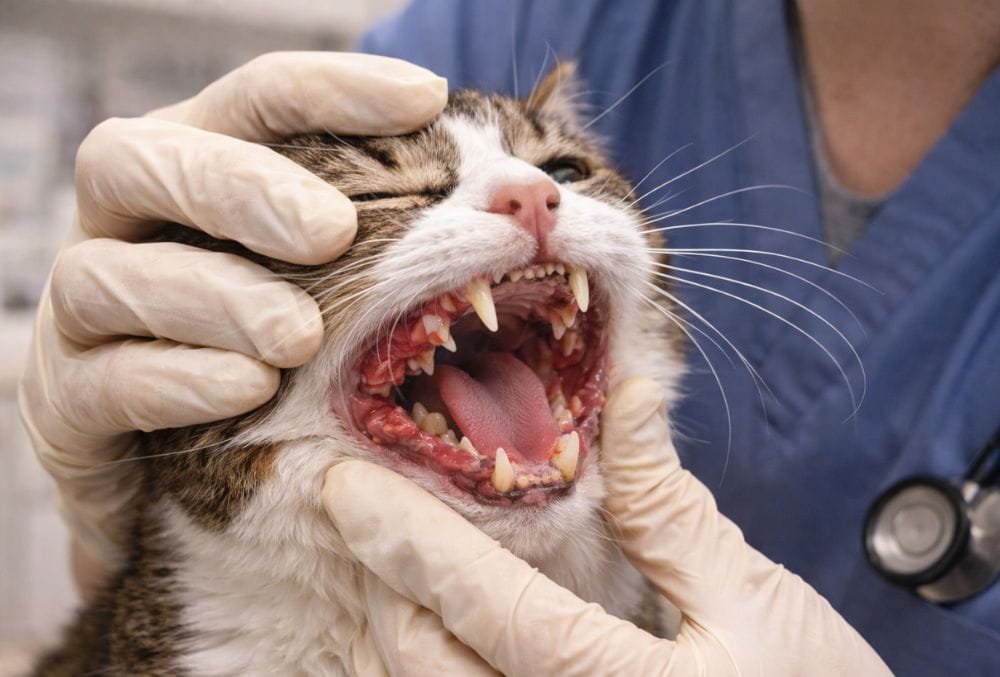
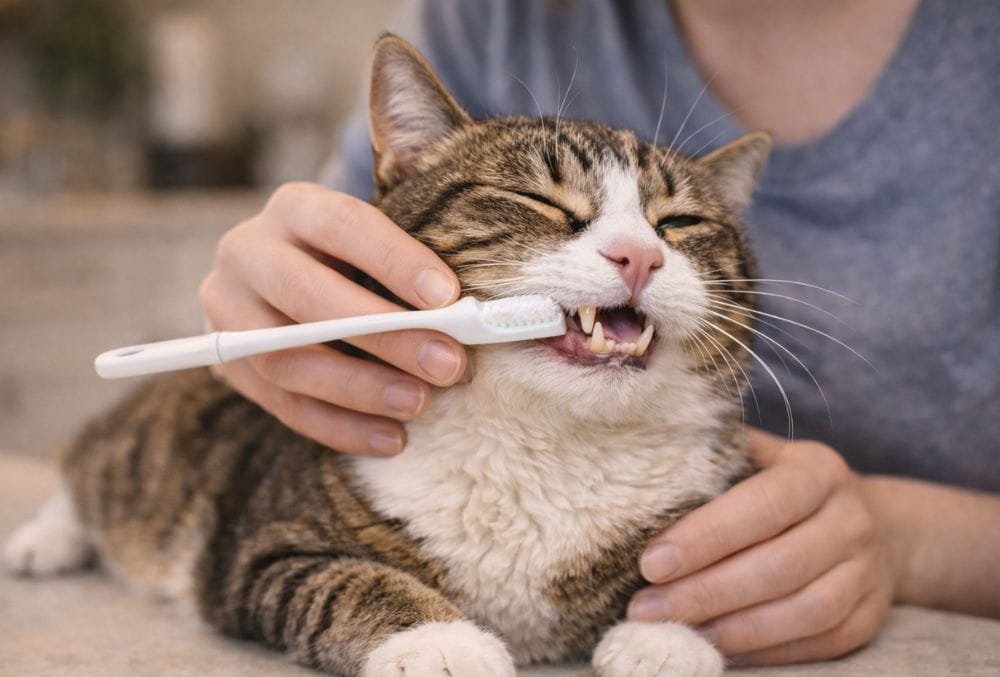
Good care starts at home. A daily cat teeth cleaning routine reduces plaque and protects gums. Many vets recommend brushing a cat’s teeth gently using cat-safe toothpaste, never human products.
Diet also matters. Special foods and dental treats for cats help clean teeth naturally. Combined with a vet dental checkup for cats, these steps greatly improve long-term dental health.
Cat Teeth FAQs (Vet-Approved Answers)
Many owners worry about normal tooth changes. For example, swallowing baby teeth is common and usually harmless. Pain, however, is real. Cats feel tooth pain, even if they hide it well.
Vets agree that healthy teeth support digestion and comfort. Addressing problems early protects cat teeth development and overall well-being.
Interesting Facts About Cat Teeth You Didn’t Know
Cats rarely show pain, which makes dental issues easy to miss. Their teeth evolved for tearing meat, not chewing like humans. That is why damage can happen quietly.
Another surprising fact is that cats can eat well even after losing teeth. Still, healthy teeth always improve the quality of life and prevent future cat dental problems.
Quote from a U.S. veterinarian:
“Dental health is not optional for cats. It affects their heart, kidneys, and comfort every single day.”
Understanding how many teeth cats have gives you more than a number. It gives you the power to protect your cat’s health for years to come.