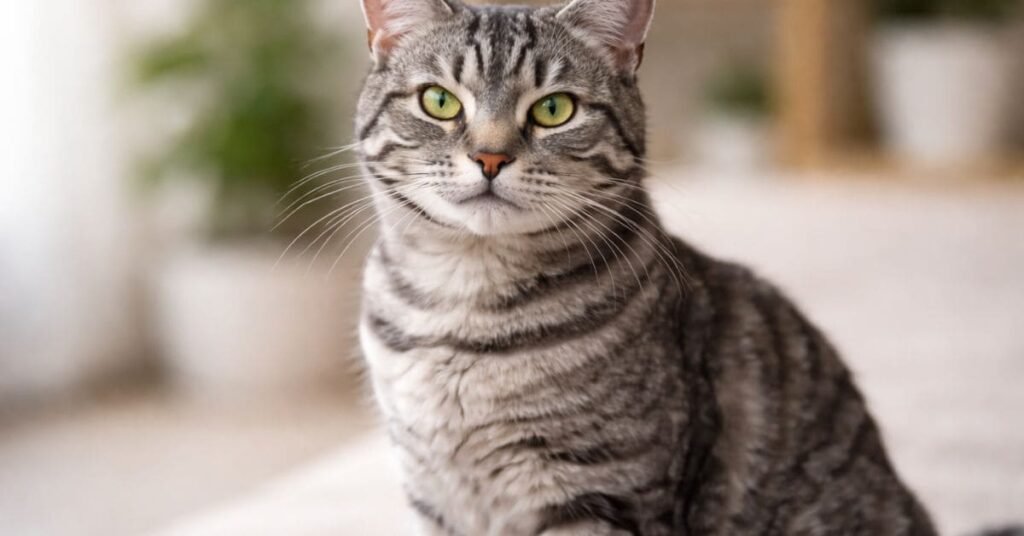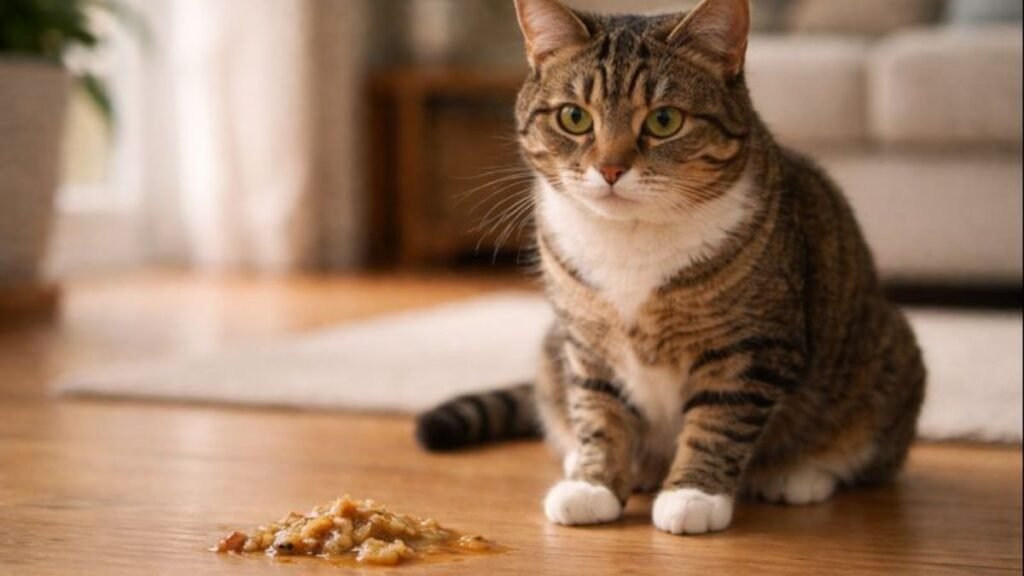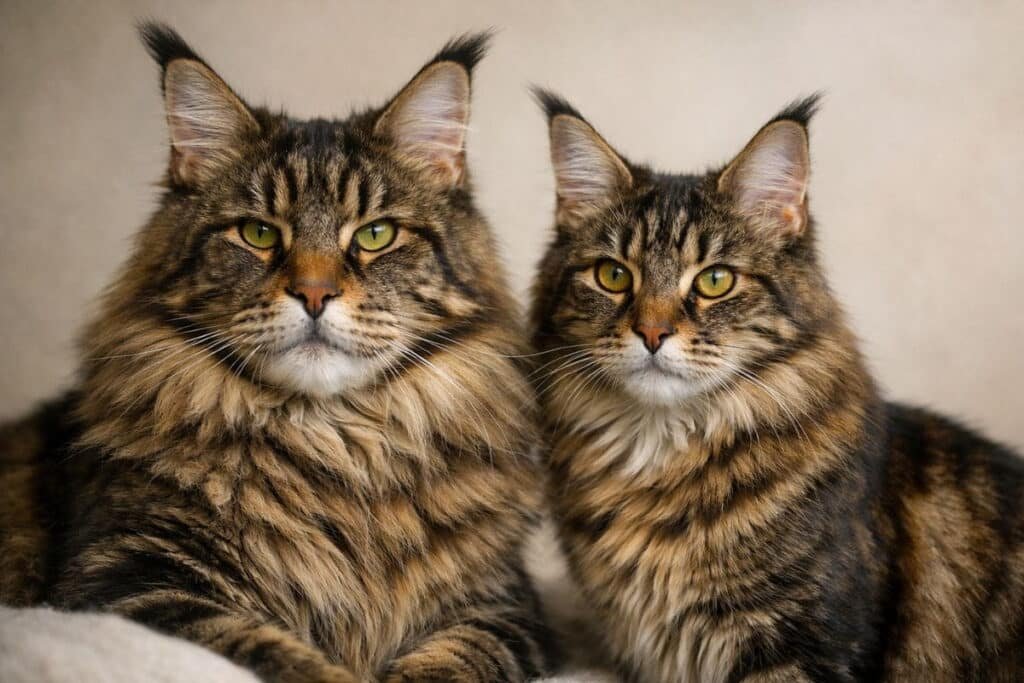
Curious cat owners often study their pet’s face and wonder if it hides clues about gender. Learning how to tell cat gender by face may sound unusual, yet the facial structure of cats can reveal subtle hints when you observe closely. Many veterinarians say that comparing a male vs female cat face helps you notice small changes in jaw size, cheek fullness, and skull width.
For example, adult males often develop wider heads and more pronounced male cat cheeks, while females usually show softer lines and a slimmer female cat head. These visual cues are not perfect, but they offer helpful guidance for identifying cat gender, especially in mature cats whose facial features have fully developed.
Can You Really Tell a Cat’s Gender by Its Face?
Curiosity usually begins with a simple question: Can you tell a cat’s gender by its face? In many adult cats, the answer is sometimes yes. Observing male vs female cat face traits reveals patterns shaped by feline facial anatomy and hormonal differences in cats.
Still, no method based only on appearance is perfect. Breed, age, and body condition influence cat facial characteristics. Experts studying feline genetics and gender traits say facial differences appear gradually as cats grow. Because of this process, feline development and maturity strongly affect how reliable visual clues become.
Many owners ask can you tell cat gender by facial features without examining its anatomy. The truth sits somewhere in the middle. You can often guess correctly when several traits align, especially in mature cats with clear male cat head shape or female cat head shape patterns.
Research into facial bone structure in cats also shows that skull size varies between sexes. These cat skull size differences explain why many tomcats develop wider faces while females keep delicate proportions.
Key Facial Differences Between Male and Female Cats
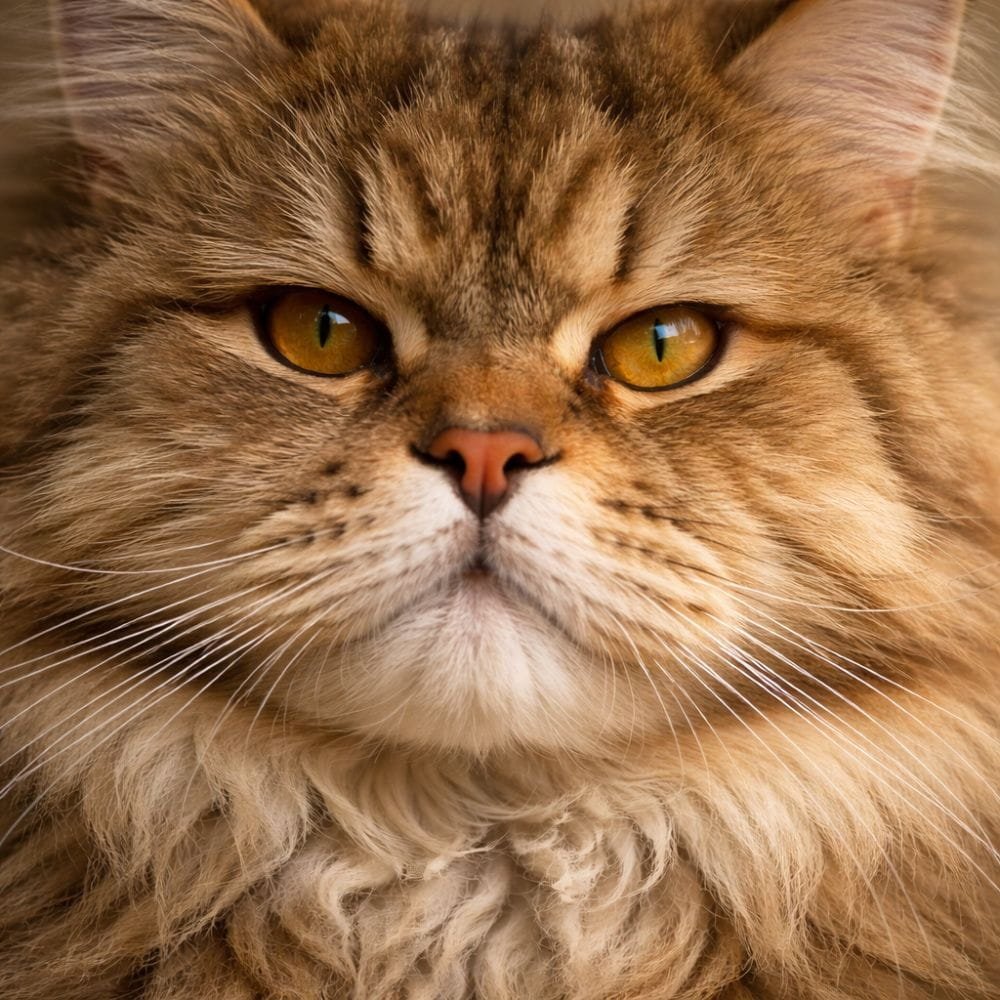
When comparing cats side by side, the male vs female cat face differences often become easier to see. Male cats typically develop broader skulls and stronger jawlines. Female cats show softer lines and slimmer profiles due to their lighter female cat facial structure.
These contrasts grow stronger with age because testosterone effects in male cats increase muscle mass around the jaw and cheeks. Over time, these hormonal shifts influence the cat muscle structure in neck and face, which helps experts with identifying male and female cats visually.
Another detail involves the balance of the face. Males often appear square or angular, while females display gentle curves. This difference reflects natural cat face shape differences created by growth and hormone levels. For example, many Maine Coon males develop large tomcat cheeks that make their faces appear almost square. Female Maine Coons usually have narrower facial profiles.
Veterinary studies also highlight how cat breed facial differences influence these traits. Certain breeds naturally have round faces, while others have wedge-shaped skulls. Understanding this background helps avoid confusion when studying how to identify cat gender visually.
Male Cat Facial Traits at a Glance
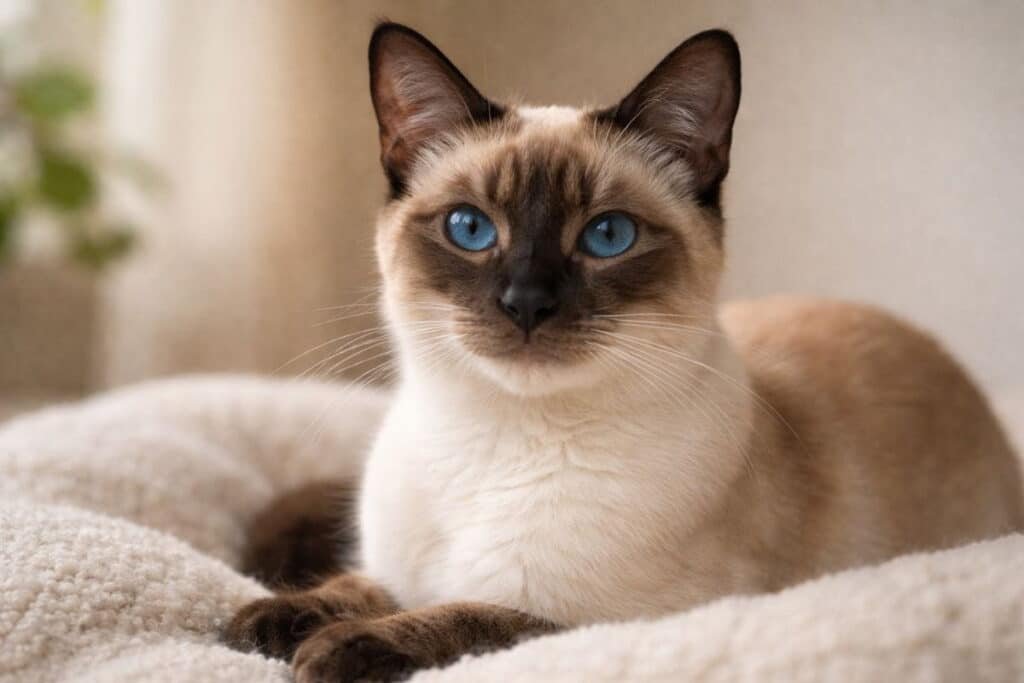
A mature tomcat often shows bold features that stand out immediately. Many owners notice larger male cat cheeks or pronounced tomcat cheeks, which develop due to testosterone effects in male cats. These cheeks form thick pads along the jawline.
Another clue involves the skull. The male cat head shape tends to look broader with a wider nose bridge. These strong male cat facial features reflect deeper facial bone structure in cats and stronger jaw muscles.
Owners sometimes search for signs of male cat face structure when comparing pets. Thick whisker pads and a powerful jaw usually signal a male, especially in cats that remain intact.
These traits also influence the neck. Males frequently display noticeable cat neck thickness, which creates a sturdy appearance beneath the head.
Female Cat Facial Traits at a Glance
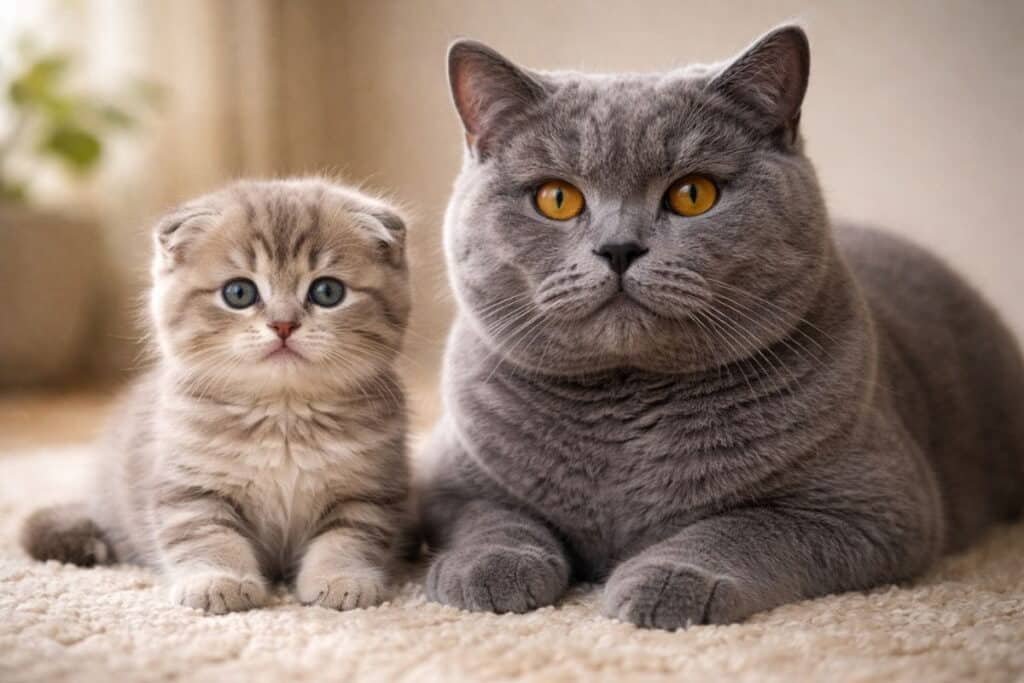
Female cats often appear elegant and refined. Their female cat facial features usually include slimmer jaws, smaller noses, and delicate cheek contours. This refined appearance forms part of the natural female cat facial structure.
Many people wonder what does a female cat face look like compared with males. In most cases, the female cat head shape appears narrower and slightly rounded. The muzzle looks smaller, which softens the overall expression.
These features develop because females carry lower testosterone levels. Without strong hormone influence, their facial muscles remain lighter, which preserves a softer profile.
For cat owners studying how to tell if a cat is male or female by face, these subtle contrasts offer valuable clues when combined with other traits.
7 Facial Clues That May Reveal a Cat’s Gender
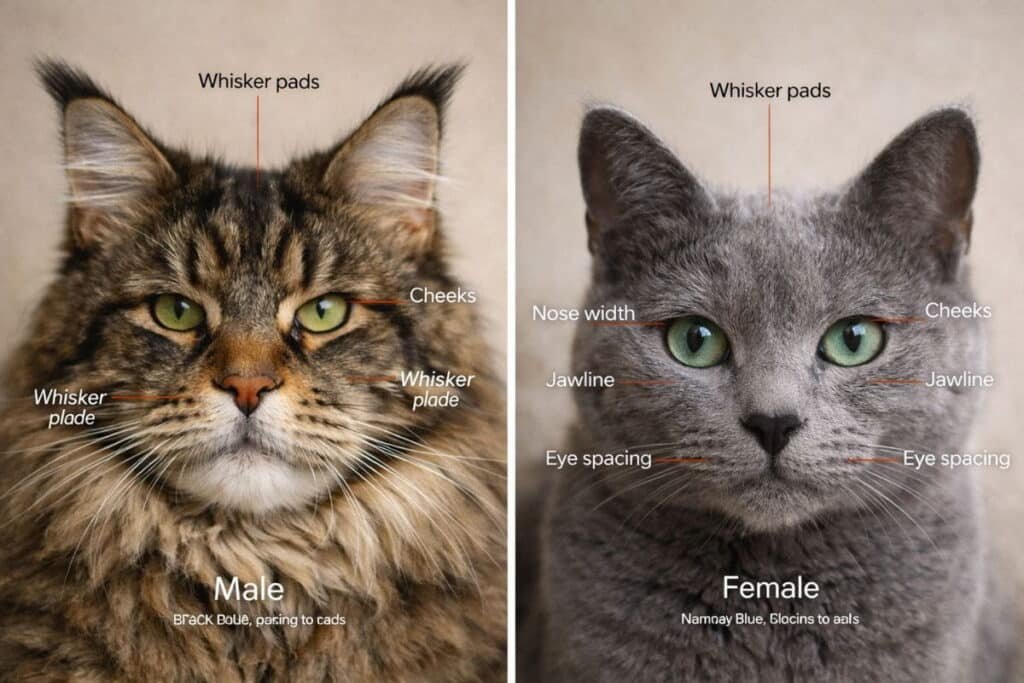
Experts studying feline physical traits often evaluate several areas of the face at once. The skull, muzzle, and neck all reveal small hints about gender. Each feature alone means little, yet together they create a clearer picture.
Understanding these clues helps answer the question many owners ask: how to tell cat gender by face with reasonable accuracy. Observing multiple traits improves the odds of making the correct guess.
Head Shape and Overall Face Size
The first feature to examine is the skull silhouette. Male cats often have broader skulls, which leads to noticeable cat face shape differences between genders. This trait connects to natural cat skull size differences that develop during adulthood.
In contrast, the female cat head shape tends to remain smaller and smoother. These differences appear gradually during feline development and maturity, which is why young kittens rarely show clear clues.
Whisker Pad Prominence
Next, observe the muzzle area where the whiskers grow. Male cats usually display larger cat whisker pads that push outward from the face. This swelling contributes to the bold appearance associated with male cat facial features.
Female cats usually have flatter whisker pads. Their muzzles look narrower, which supports the softer look typical of female cat facial features.
Snout Length and Nose Width
The nose bridge and muzzle length offer another hint. Many male cats have greater cat snout length and wider noses because of stronger facial bone structure in cats.
Female cats normally display shorter snouts and slimmer noses. These details help owners explore how behavior differences affect cat facial features, and understand why males often look more rugged.
Cheek Fullness (Tomcat Jowls)
Large cheeks represent one of the most famous male traits. The thick pads known as tomcat cheeks develop mainly in intact males. Understanding tomcat cheeks meaning helps explain why adult males appear rounder.
These cheek pads create dramatic male cat cheeks that expand the width of the face. Females rarely develop this feature.
Forehead Shape and Brow Ridge
The forehead also reveals gender clues. Males often show flatter foreheads while females display softer curves. Observing the cat forehead shape from the side highlights these contrasts.
These differences connect again to feline facial anatomy and bone development patterns. Subtle variations in skull growth shape the appearance of each sex.
Eye Spacing and Expression
Eye placement sometimes offers additional hints. Male cats may have slightly wider eye spacing because of broader skulls. These cat facial characteristics create a confident expression.
Female cats often display closer eye spacing, which produces a softer appearance. This difference adds another piece to the puzzle of cat gender identification.
Neck Thickness and Jawline
Finally, examine the neck and jawline. Males usually show greater cat neck thickness because testosterone strengthens the cat’s muscle structure in the neck.
Female cats maintain slimmer necks and lighter jaws. When combined with other traits, this feature supports identifying male and female cats visually.
Male Cat Face Characteristics Explained
Biology plays a major role in shaping male cat facial features. The powerful influence of testosterone effects in male cats stimulates muscle growth and thick fatty tissue along the cheeks.
These changes explain why intact males develop bold male cat head shape patterns and large male cat cheeks. Over time, these features create the iconic tomcat appearance many owners recognize instantly.
Another factor involves skeletal growth. Males often develop stronger facial bone structure in cats, which leads to broader noses and heavier jaws. These traits form the backbone of male vs female cat face differences.
Understanding these biological mechanisms helps explain why experienced breeders sometimes recognize male cats just by studying facial structure.
Female Cat Face Characteristics Explained
Female cats follow a different developmental path. Lower hormone levels produce lighter muscle mass, which shapes the graceful female cat facial features.
The female cat facial structure usually includes a narrower muzzle and refined jawlines. These elegant contours contribute to the gentle expression many cat lovers admire.
Researchers studying feline genetics and gender traits explain that these differences reflect natural evolutionary design. Females maintain lighter bone structures, which results in smoother facial outlines.
These consistent patterns help owners explore how to tell cat gender by face identify subtle yet meaningful differences between sexes.
Why Neutering or Spaying Changes a Cat’s Face
Hormones control many physical traits. When a male cat undergoes surgery, the drop in testosterone alters facial development. Over time, the dramatic cheek pads shrink, which changes the neutered male cat appearance.
This transformation explains why some neutered males look more similar to females. The reduction in hormone levels reduces muscle and fat deposits around the jaw and cheeks.
Understanding how hormones affect cat facial features helps clarify why gender identification becomes harder after surgery. Without hormone influence, many distinctive traits fade gradually.
Telling the Gender of Kittens vs Adult Cats
Kittens often confuse even experienced owners. Their faces remain soft and rounded because their skulls are still developing. This stage of feline development and maturity hides many gender clues.
Because of this growth pattern kitten gender identification rarely relies on facial traits alone. Young cats simply have not developed the feline physical traits that distinguish adults.
As cats mature, hormonal changes reshape the skull and cheeks. Only then do the familiar male vs female cat face patterns begin to appear clearly.
The Most Accurate Way to Identify a Cat’s Gender
Although facial clues help, the most reliable method still involves physical examination. Veterinarians confirm cat gender identification by checking reproductive anatomy.
However, learning how to identify cat gender visually remains useful for quick guesses. Breeders often combine facial observation with behavioral cues before confirming through examination.
The following table summarizes key visual differences commonly seen in adult cats.
| Facial Trait | Typical Male Appearance | Typical Female Appearance |
| Face width | Broad square face | Slim rounded face |
| Cheeks | Large tomcat cheeks | Small smooth cheeks |
| Nose | Wider with longer cat snout length | Narrow shorter nose |
| Neck | Strong cat neck thickness | Slim neck |
| Whisker pads | Prominent cat whisker pads | Subtle pads |
Common Mistakes People Make When Guessing Cat Gender
Many owners rely on myths rather than anatomy. One common belief says orange cats are always male. While males dominate this color pattern, females still exist.
Another mistake involves ignoring cat breed facial differences. Some breeds naturally have broad skulls, which can mimic male cat facial features even in females.
People also overlook age. Without full maturity, many traits remain hidden. Understanding the difference between male and female cats requires studying several features together rather than relying on one sign. Veterinarians say facial clues are helpful, but the most reliable method is still examining the genital area.
Quick Checklist: How to Guess Your Cat’s Gender in Seconds
When studying your pet’s face, try evaluating several features at once. Look at the skull width, cheek size, and muzzle shape. Compare the male cat head shape with the female cat head shape patterns described earlier.
If you notice broad cheeks, thick whisker pads, and strong neck muscles, you may be looking at a male. If the face appears slim with delicate features, the cat may be female.
These clues help answer the common question how to tell if a cat is male or female by face. However, the safest approach always involves confirming through veterinary examination.
FAQ: Cat Face Gender Questions
| Question | Short Answer |
| Can you tell a cat’s gender by its face? | Sometimes, especially in adult cats with strong facial traits. |
| Do male cats have bigger faces than females? | Often, yes, due to broader skulls and cheek pads. |
| Why do male cats have bigger cheeks? | Testosterone causes fat and muscle growth, forming tomcat jowls. |
| Are female cats’ faces smaller? | Usually, yes, because of lighter bone structure. |
| At what age can you tell cat gender by face? | Around six months or later, when adult traits appear. |
| Does neutering change a cat’s face? | Yes, it can reduce cheek pads and soften facial features. |
Understanding how to tell cat gender by face becomes easier when you combine knowledge with observation. With practice, you will begin to recognize the subtle patterns hidden within the remarkable faces of cats.