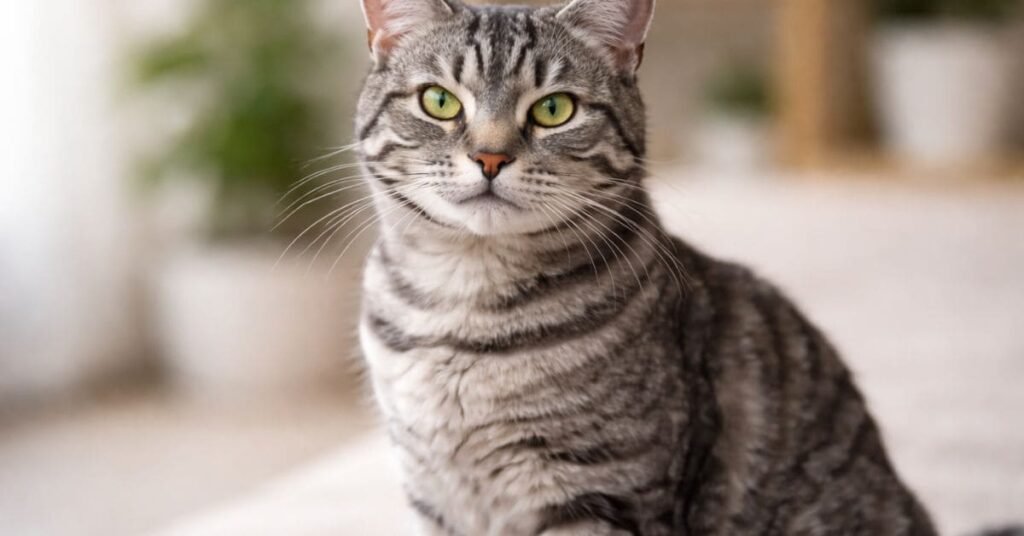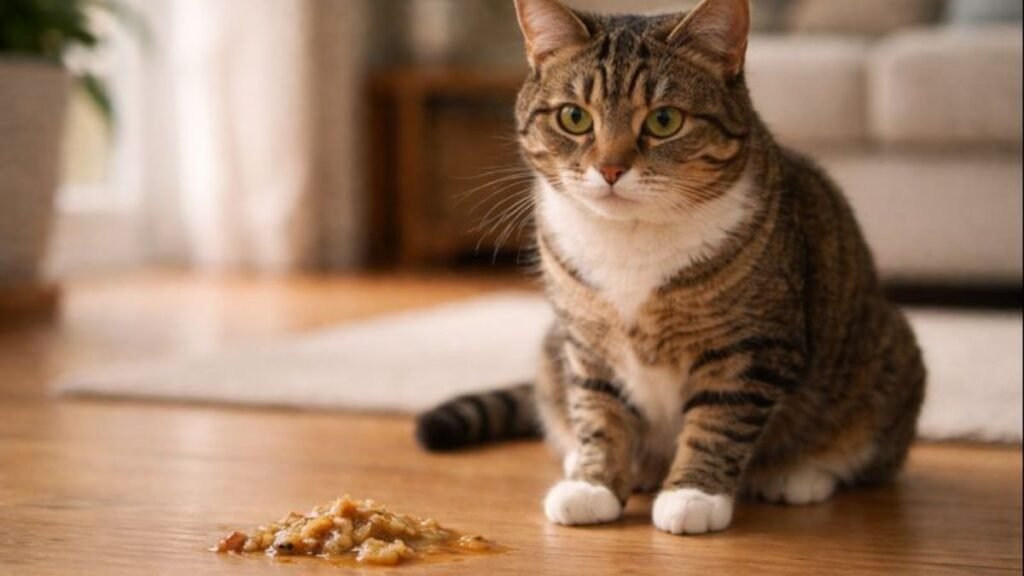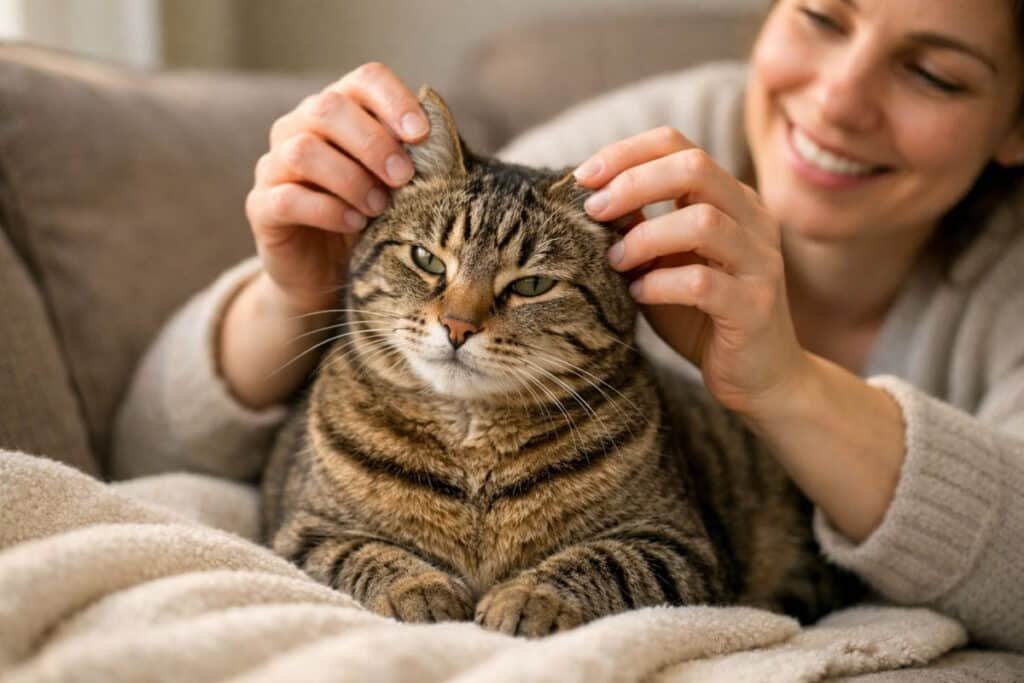
You pet your cat and suddenly notice something strange. Their ears feel warm. Should you worry? Or is it normal? Many cat owners panic at this moment. They gently touch them and wonder, why are my cat’s ears warm today? This question is very common among pet lovers in the United States. Cats have a naturally higher cat ear temperature than humans, so their ears often feel warm to the touch.
However, sometimes warm ears in cats can signal more than simple body heat. Understanding the cat body temperature range helps you decide whether your pet is healthy or needs attention. In this guide, you will learn the real reasons cat ears feel warm, when it is normal, and when to see a vet.
Are Warm Ears Normal in Cats?
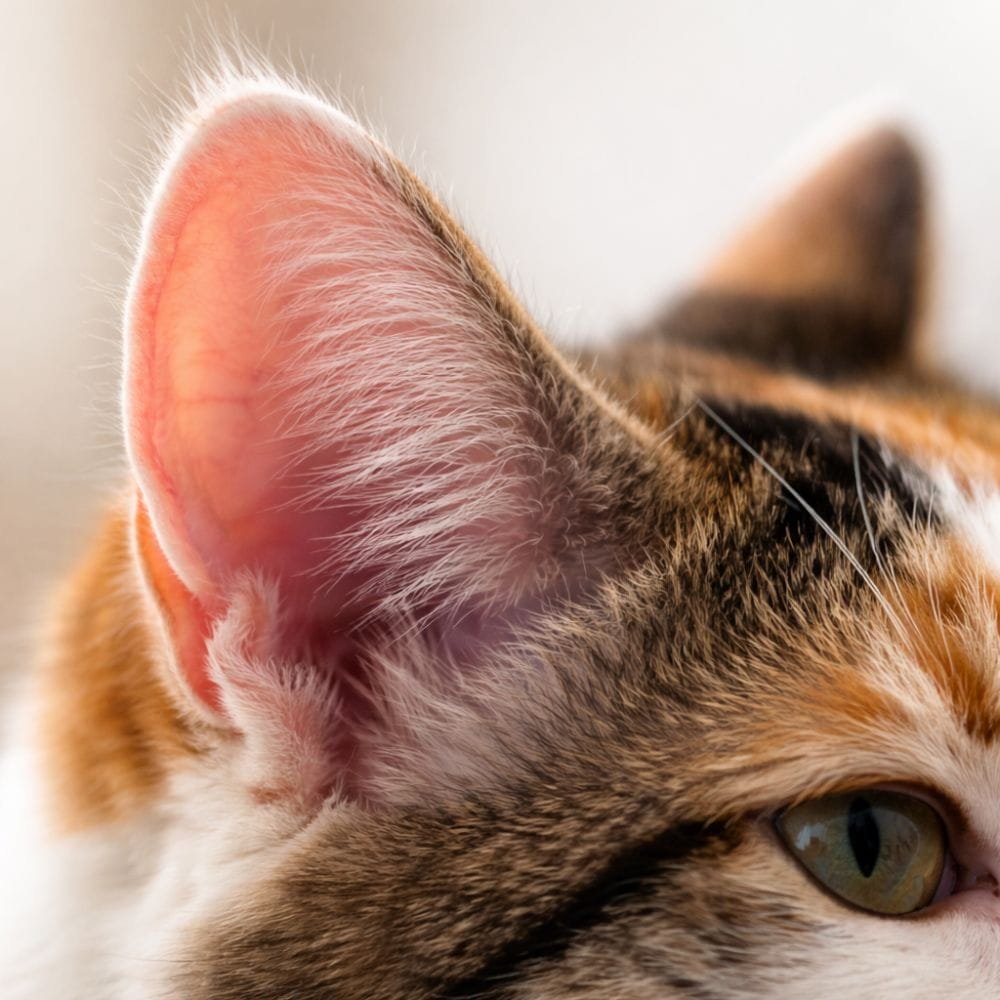
If you ask a veterinarian about why are my cats ears warm, the first thing they explain is the normal cat body temperature range. Most healthy cats maintain a normal temperature for cats between 101°F and 102.5°F. This natural warmth means their ears often feel warmer than human skin.
Cats also have thin ear tissue with many blood vessels. This design helps cats regulating body temperature efficiently. When blood flows through the ears, it releases heat into the air. Because of this process, mild hot ears in cats often appear without any health problem.
| Cat Health Fact | Typical Range |
| Normal cat ear temperature | Slightly warm to the touch |
| Normal temperature for cats | 101°F – 102.5°F |
| Human average temperature | 98.6°F |
Many owners ask, why are my cat’s ears warm but acting normal. In most cases, it simply reflects natural feline body temperature rather than illness.
How to Check Your Cat’s Temperature the Right Way
Sometimes warm ears alone cannot confirm a fever. If you truly want to know how to check a cat’s temperature at home, the safest method uses a digital rectal thermometer. Although it sounds uncomfortable, veterinarians consider it the most reliable way to measure cat ear temperature accurately.
However, behavior also reveals clues. Cats experiencing fever may show unusual cat illness symptoms, such as hiding, loss of appetite, or reduced energy. These signs often appear alongside cat fever symptoms and cat health warning signs that require attention.
| Fever Symptom | What It Means |
| Low appetite | Possible infection |
| Sleeping more than usual | Possible fever |
| Vomiting or diarrhea | Underlying illness |
| Head shaking in cats | Ear irritation |
When these symptoms appear with hot ears in cats, owners often search do warm ears mean a cat has a fever. The answer depends on the whole health picture, not ear warmth alone.
Common Harmless Reasons Your Cat’s Ears Feel Warm
Many everyday situations explain why cat ears feel hot without indicating illness. Cats are experts at managing their body heat. Their ears, paws, and nose release extra warmth to keep internal organs safe.
Because of this cooling system, many pets show cat ears hot but acting normal after sleeping or playing. These harmless causes are among the most common reasons cat ears feel warm in otherwise healthy animals.
Body Heat Regulation
The most natural explanation for why are my cats ears warm involves cats regulating body temperature. When a cat becomes slightly warm, the body increases blood flow to the ears. This process allows heat to escape through the skin and prevents overheating.
Veterinarians often describe this as the feline cooling system. Because the ears contain thin tissue, warm blood easily transfers heat into the air. This is why mild hot ears in cats appear even when the pet feels perfectly healthy.
Sleeping or Physical Activity
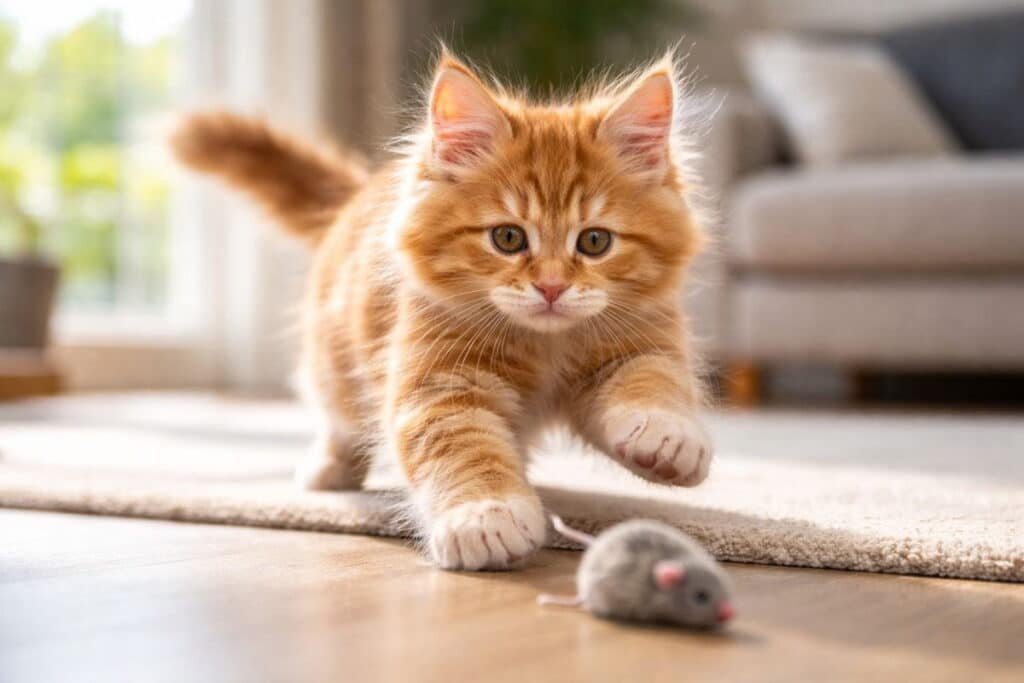
After running across the living room or chasing a toy mouse, a cat’s heart rate rises. Blood circulation increases, which temporarily raises cat ear temperature. During this time, many owners notice warm ears in cats immediately after play.
Sleep can cause the same effect. While resting, a cat’s body redistributes warmth across the skin. When you gently touch their head, their ears may feel warmer than usual. This explains why some owners ask should I worry if my cat’s ears are warm when the cat just woke up.
Warm Indoor or Outdoor Temperatures
The weather also influences ear warmth. Many owners search can hot weather make cat ears warm, and the answer is yes. During the summer heat, cats release excess warmth through their ears.
Hot environments can also trigger cat overheating symptoms if a pet lacks shade or water. Keeping your cat cool helps maintain a stable feline body temperature and protects long-term feline ear health.
Health Problems That Can Cause Warm Cat Ears
Sometimes, why are my cat’s ears warm has a medical explanation. If warmth appears with scratching, redness, or odor, it may signal ear inflammation in cats or infection.
Medical causes usually create additional cat health warning signs. These symptoms may include cat scratching ears, swelling, or unusual behavior. Recognizing these problems early protects your pet’s hearing and comfort.
Fever from Infection or Illness
When a cat develops an infection, the immune system raises feline body temperature to fight harmful bacteria or viruses. This fever often produces hot ears in cats alongside other cat illness symptoms.
Owners often notice reduced appetite, hiding behavior, and tiredness. These are classic cat fever symptoms. When several symptoms appear together, the question do warm ears mean a cat has a fever becomes more serious.
Ear Mites
Tiny parasites can also explain why my cats’ ears are warm. Ear mites live inside the ear canal and feed on oils and skin debris. This infestation leads to irritation and visible cat ear mite symptoms.
Mites often cause itchy ears in cats, black debris, and constant scratching. These parasites in cat ears spread easily between animals. Because of this risk, veterinarians recommend early treatment for any suspected cat parasite infestation.
Ear Infections
Bacterial or yeast infections create painful swelling inside the ear canal. This condition often causes strong cat ear infection signs, including smell and discharge.
Owners may observe ear discharge in cats, thick wax buildup, or red inflamed ears. In advanced cases, excessive ear wax in cats and balance problems appear. These symptoms suggest a possible ear canal infection requiring medical care.
Allergic Reactions or Skin Irritation
Allergies affect many cats in the United States. Environmental triggers such as pollen, dust, or food ingredients may cause a feline allergic reaction. This inflammation often leads to itchy ears in cats and warm skin.
Along with cat allergies symptoms, some pets show skin redness or frequent scratching. When allergies worsen, cat scratching ears may damage delicate ear tissue and cause further irritation.
Warning Signs That Your Cat’s Warm Ears May Be Serious
While mild warmth is normal, several symptoms indicate potential health problems. These cat health warning signs usually appear alongside persistent hot ears in cats.
| Warning Sign | Possible Cause |
| Constant cat scratching ears | Parasites or infection |
| Strong odor | Infection |
| Head shaking in cats | Ear irritation |
| Ear discharge in cats | Bacterial infection |
| Balance problems | Inner ear issue |
These symptoms often lead owners to search why does my cat have hot ears and scratching. When scratching, redness, or discharge appear together, veterinary advice becomes important.
Diagnosing the Cause of Warm Ears in Cats
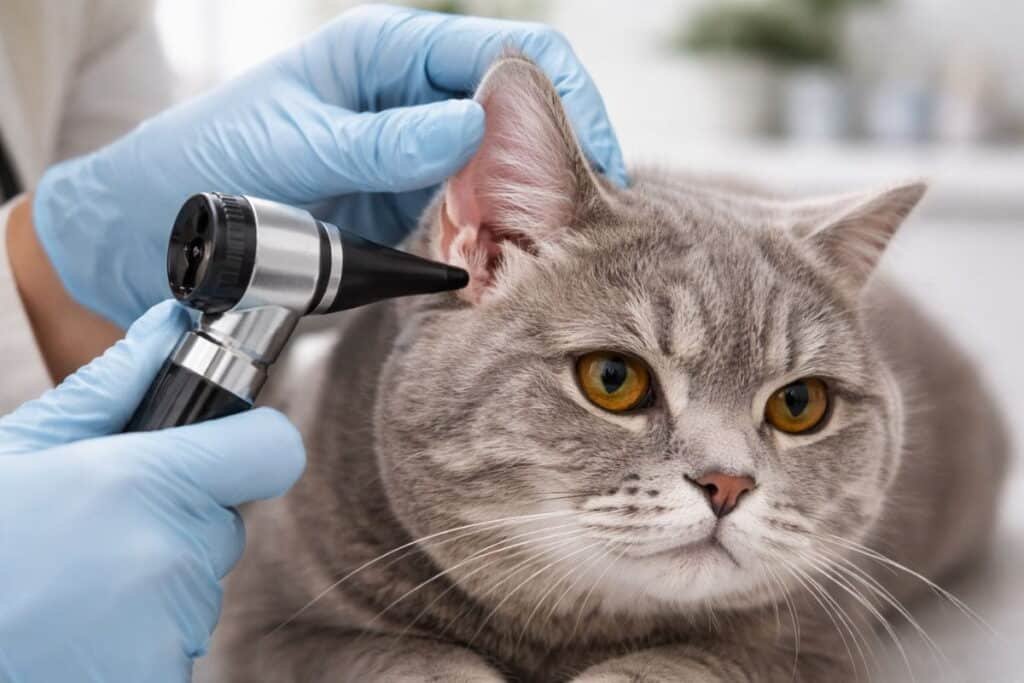
Veterinarians use specialized tools to determine why are my cats ears warm. The most common method is ear examination using an otoscope. This small instrument allows vets to see deep inside the ear canal.
If infection or parasites appear likely, the vet may perform a cat veterinary diagnosis using microscopic ear swabs. These tests identify bacteria, mites, or yeast affecting feline ear health.
| Diagnostic Method | Purpose |
| Ear swab test | Detect parasites |
| Temperature check | Identify fever |
| Microscopic exam | Confirm infection |
| Physical exam | Evaluate cat illness symptoms |
This detailed evaluation helps determine the exact cause of ear inflammation in cats.
Treatment Options for Cats with Hot or Inflamed Ears
Treating hot ears in cats depends entirely on the underlying cause. Mild warmth from environmental heat rarely requires treatment, but infections and parasites need medical attention.
Early treatment protects hearing and prevents chronic ear canal infection or pain.
Home Care for Minor Issues
Minor irritation may improve with gentle cleaning recommended by a veterinarian. Keeping ears dry and monitoring changes helps maintain strong feline ear health.
Providing fresh water and cool resting spaces also prevents cat overheating symptoms. Many cases of warm ears in cats improve quickly when environmental stress decreases.
Veterinary Treatments and Medications
Serious ear conditions require professional care. Veterinarians may prescribe antibiotics, antifungal drops, or medication to eliminate parasites in cat’s ears.
Treatment often targets both infection and inflammation. When done correctly, these therapies reduce red, inflamed ears, remove excessive ear wax in cats, and restore healthy feline body temperature.
How to Prevent Ear Problems in Cats
Preventing ear disease begins with routine care. Regular observation helps owners notice early changes in cat ear temperature or unusual scratching.
Healthy diets, parasite control, and regular veterinary checkups greatly improve feline ear health. These habits reduce infections and prevent long-term cat parasite infestation.
| Prevention Tip | Benefit |
| Routine ear checks | Detect early problems |
| Balanced nutrition | Supports the immune system |
| Parasite prevention | Stops mites |
| Vet visits | Early cat veterinary diagnosis |
These simple habits reduce the chance of severe ear inflammation in cats.
When You Should Take Your Cat to the Vet
Although mild warmth is normal, certain symptoms demand immediate veterinary attention. Persistent hot ears in cats combined with illness signs should never be ignored.
If your cat shows cat illness symptoms like vomiting, weakness, or swelling around the ears, a professional exam is essential. Quick treatment prevents complications and protects your pet’s hearing and comfort.
Many owners eventually search should I worry if my cat’s ears are warm. The safest answer is simple. If warmth appears with scratching, odor, discharge, or fever, contact your veterinarian.
Frequently Asked Questions About Warm Cat Ears
Do warm ears always mean a cat has a fever?
No. Mildly warm ears in cats usually reflect normal feline body temperature rather than illness. However, if warmth appears alongside cat fever symptoms, lethargy, or appetite loss, it may indicate infection.
Are cat’s ears supposed to be warm?
Yes, it is normal. Cats have a higher body temperature than humans, so their ears often feel slightly warm.
Can you tell if a cat has a fever by feeling its ears?
Not reliably. Warm ears alone do not confirm a fever; you need a thermometer or other symptoms to be sure.
Do cats’ ears get warm when they are stressed?
Yes, stress can increase blood flow and raise body heat, which may make a cat’s ears feel warmer for a short time.
Final Thought
When owners wonder why are my cats’ ears warm, the answer is usually simple. Warm ears often reflect healthy cats regulating body temperature. Yet persistent warmth with scratching, redness, or discharge may signal infection, parasites, or allergy.
By understanding the real reasons cat ears feel warm, you can quickly recognize normal warmth versus potential illness. Careful observation and timely veterinary care keep your cat comfortable, healthy, and happy. Warm ears are usually harmless. But your cat’s behavior always tells the real story. When warmth appears with scratching, redness, or discharge, it’s time to call your vet.