A Deep Look at Feline Love, Instincts, and Comfort
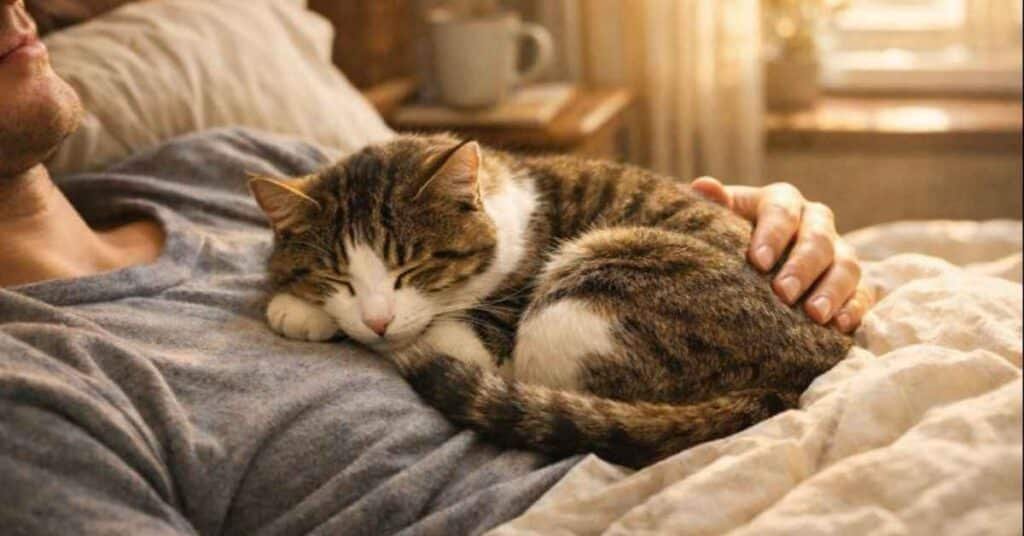
If you’ve ever woken up with a warm, purring weight resting gently over your heart, you’ve probably wondered why cats sleep on your chest. This behavior feels deeply personal—and it is. When a cat chooses to sleep on your chest, it’s not random comfort or habit. It’s a quiet expression of trust, safety, and emotional bonding.
Many cat owners notice this behavior during peaceful nighttime hours, when the home is calm, and distractions fade away. Understanding the meaning behind a cat sleeping on your chest helps you better read your pet’s emotions and appreciate just how strong your bond really is.
Is It Normal for Cats to Sleep on Their Owner’s Chest?
Yes—this behavior is completely normal and surprisingly common in bonded cats.
Cats are selective sleepers. They choose resting places that feel warm, familiar, and secure. Your chest offers all three at once. When people ask, “Is it normal for cats to sleep on you?” most veterinarians and feline behavior experts agree that it usually reflects comfort and trust, not neediness.
Even though domestic cats live indoors, they still carry instincts from their wild ancestors. In nature, cats rest in safe locations where they can sense movement quickly. Sleeping on a human body—especially the chest—allows a cat to relax while staying lightly alert. That’s why a cat curled up on your chest may sleep peacefully but wake quickly if something changes.
Your Cat Feels Safe, Secure, and Emotionally Bonded
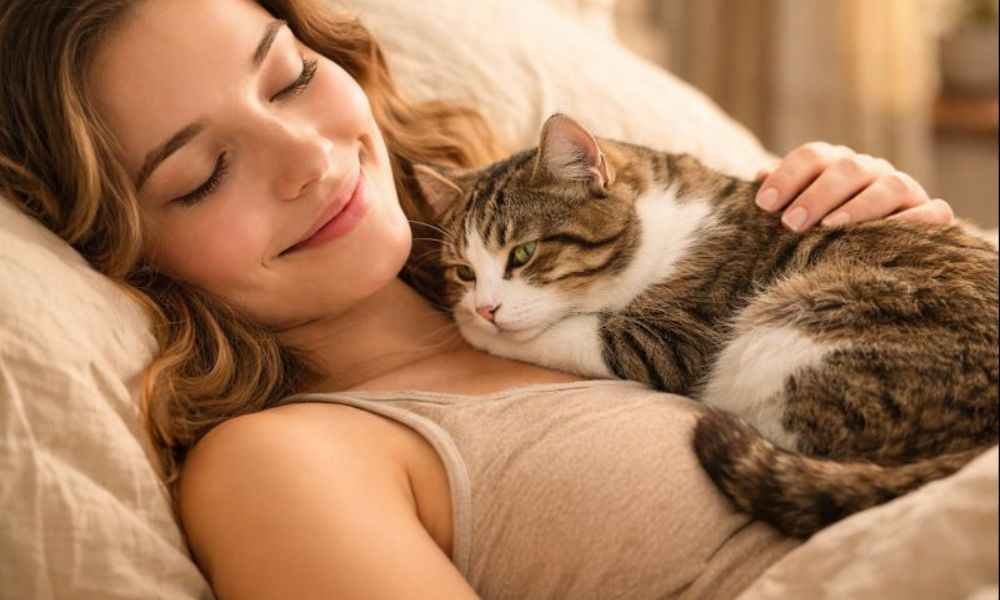
At its core, the reason a cat lies on your chest comes down to trust.
Cats only sleep deeply near individuals they feel completely safe with. Lying on your chest places them close to your face, heartbeat, scent, and breathing—signals that mean protection and familiarity. This position shows emotional attachment and confidence in you as their safe space.
Over time, this behavior strengthens the cat-human bond. A cat that sleeps on your chest at night often sees you as its primary source of comfort, choosing you over quiet corners or even a cat bed. You become their emotional anchor.
Warmth and Body Heat: A Natural Attraction
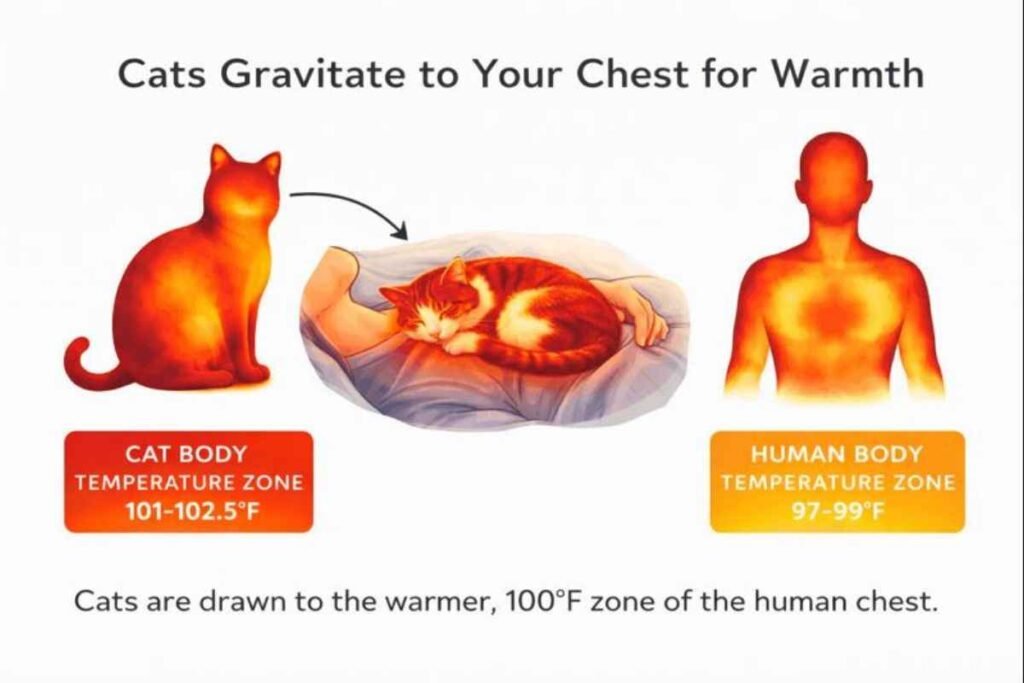
Cats are natural heat-seekers. Your body produces steady warmth, and your chest is one of the warmest areas when you’re resting.
Because cats burn energy quickly, conserving heat is important for them. This is why chest sleeping becomes even more common during colder months. From a biological perspective, cats have a slightly higher body temperature than humans, which makes warm surfaces especially appealing.
Simply put, your chest offers warmth without effort—making it the perfect resting spot.
Your Heartbeat, Breathing, and Scent Calm Your Cat
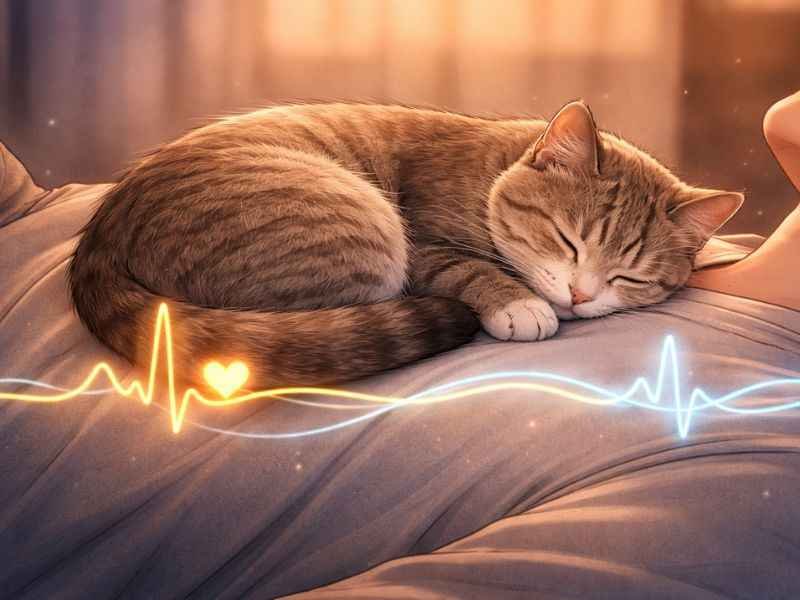
Beyond warmth, cats are strongly influenced by rhythm and familiarity.
Your heartbeat and slow breathing create gentle, repetitive sounds that soothe a cat’s nervous system. Many experts believe this reminds cats of kittenhood, when they slept close to their mother and littermates. Those early associations often stay with cats for life.
Scent also plays a powerful role. Cats rely heavily on smell to identify safe individuals. Your natural scent reassures them, which is why purring and deep relaxation often follow when a cat sleeps on your chest.
Is Your Cat Marking You or Being Protective?
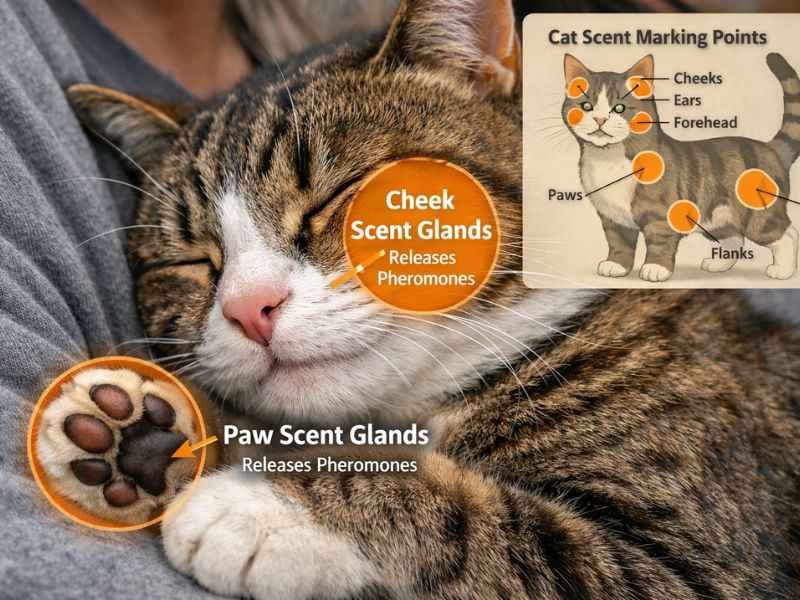
Cats communicate through scent glands located on their cheeks, paws, and head. When a cat presses against your chest, it may be subtly marking you as familiar and trusted.
This behavior isn’t about dominance. It reflects belonging and comfort. In multi-pet households, sleeping on your chest can also be a form of reassurance—your cat is choosing closeness to feel secure rather than trying to “claim” you.
Emotional Reasons: Stress, Anxiety, or Reassurance Seeking
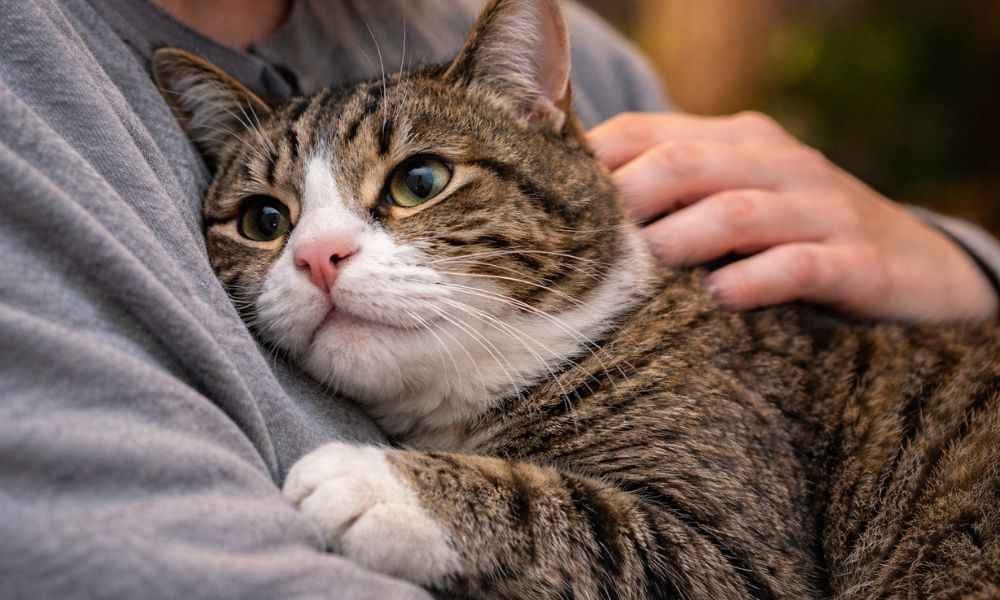
Sometimes, chest sleeping reflects emotional needs rather than habit.
If a cat experiences changes such as moving homes, altered schedules, or new pets, it may seek closer physical contact for reassurance. A sudden increase in chest sleeping or clinginess can signal mild stress.
Your presence helps regulate your cat’s emotions. However, if anxiety-driven behavior becomes persistent or intense, it’s wise to consult a veterinarian to rule out underlying health or emotional issues.
Health and Emotional Benefits for Humans (Science-Backed)
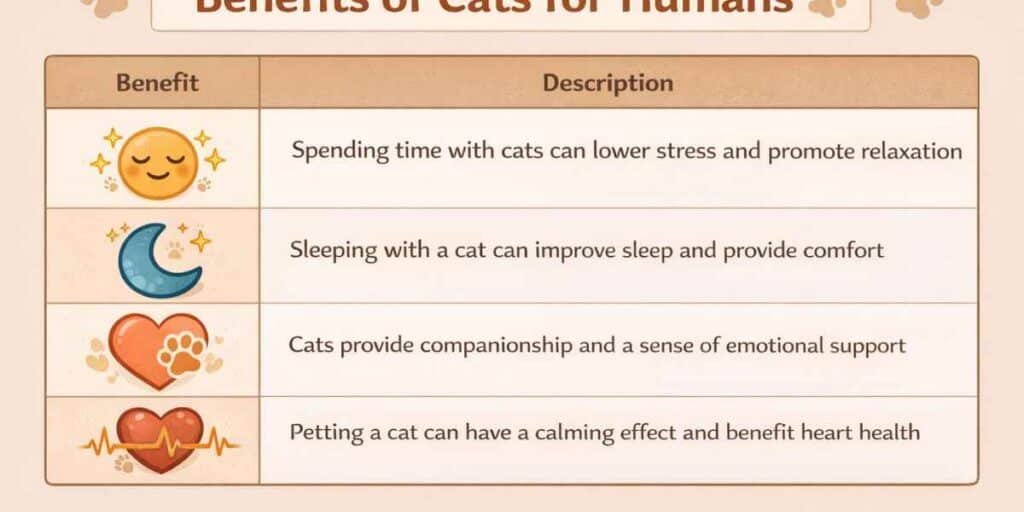
This behavior isn’t just comforting for cats—it benefits humans too.
Research in human-animal interaction suggests that close contact with pets can lower stress hormones, reduce anxiety, and promote emotional well-being. A cat’s purring and rhythmic breathing often encourage relaxation and a sense of calm.
Shared Benefits of Chest Sleeping
| Benefit Area | Effect on Humans |
| Stress levels | Reduced anxiety |
| Sleep quality | Increased relaxation |
| Emotional health | Stronger emotional bond |
| Heart rhythm | Calming, steady effect |
These shared benefits explain why many owners find these moments emotionally grounding.
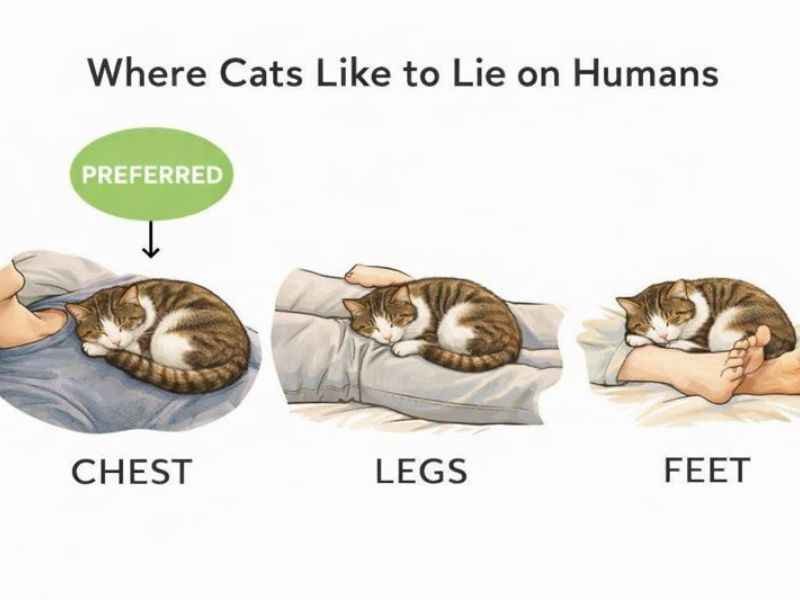
Why Does My Cat Choose My Chest Instead of Other Body Parts?
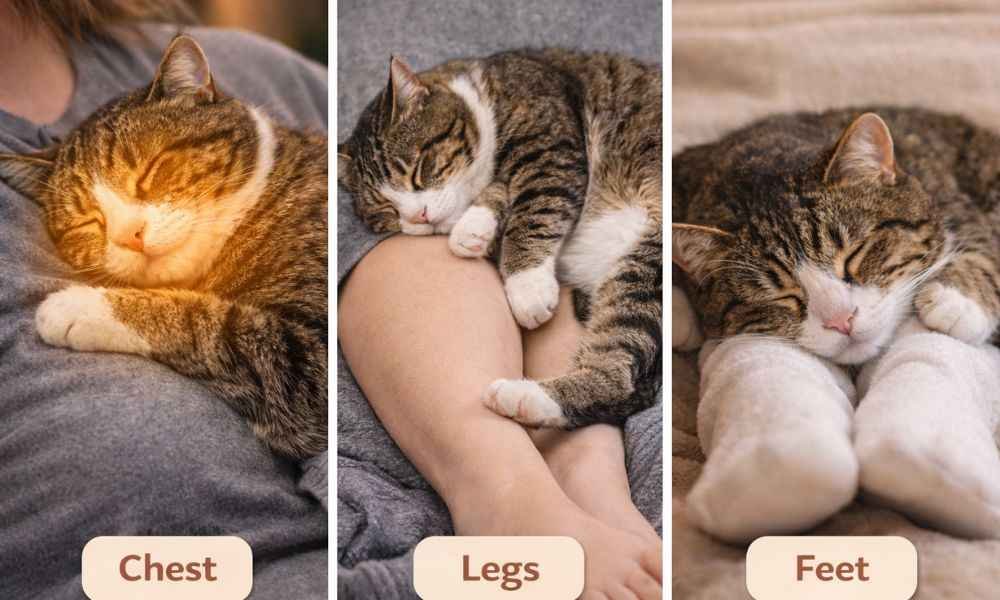
Compared to legs or feet, your chest offers a unique combination of warmth, rhythm, scent, and closeness.
Feet allow easy escape. Legs provide warmth but little emotional connection. The chest offers full sensory comfort and emotional security. When a cat chooses your chest, it’s prioritizing trust over convenience.
When Sleeping on Your Chest Can Become a Problem
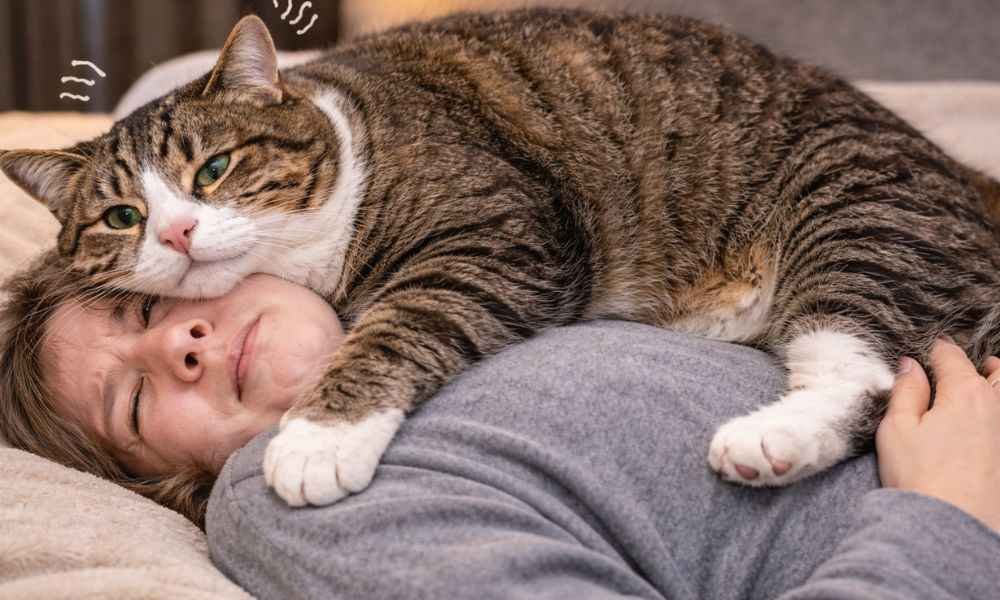
While heart-warming, this habit isn’t ideal for everyone.
Heavy cats may restrict movement or make breathing uncomfortable. Some owners experience disrupted sleep or physical discomfort. In rare cases, constant contact may increase emotional dependence.
If chest sleeping interferes with your rest, gentle adjustments are healthy. Creating a cozy sleeping spot nearby allows your cat to stay close without affecting your comfort.
Should You Stop Your Cat From Sleeping on Your Chest? (Vet Insight)
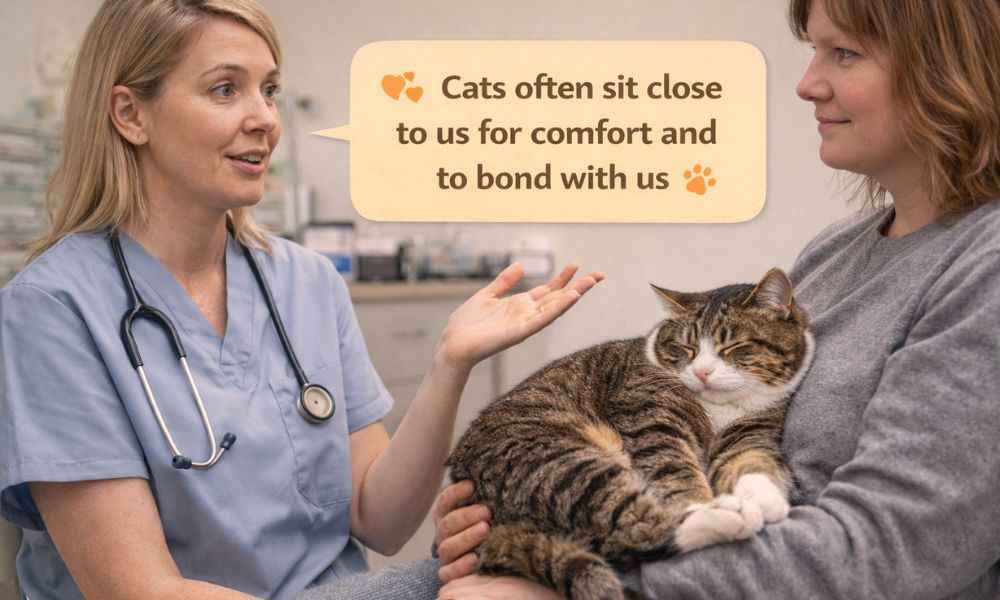
In most cases, there’s no need to stop this behavior—especially if both of you sleep well.
However, boundaries matter. If your sleep quality suffers or your cat’s behavior changes suddenly, consult a veterinarian. Pain, anxiety, or illness can sometimes cause increased clinginess. Supporting your cat’s well-being helps maintain a healthy, long-term bond.
Final Thoughts
When your cat sleeps on your chest, it’s sharing more than warmth—it’s sharing trust. This simple yet intimate act reflects deep emotional bonding shaped by instinct, comfort, and affection. While every cat is different, chest sleeping is one of the strongest signs that your cat feels safe, loved, and truly at home with you.
FAQs
How can you tell if your cat is truly bonded with you?
Bonded cats often follow you around, purr easily, knead, slow-blink, and choose to rest close to you—especially during sleep.
What does it mean when a cat sleeps on you?
It usually means your cat feels safe, comfortable, and emotionally connected. Sleeping on you is one of the clearest signs of trust.
How do cats show love?
Cats show affection by rubbing against you, kneading, purring, slow blinking, and choosing your lap or chest as a resting place.
What is considered the “silent killer” of cats?
Conditions like obesity, kidney disease, and untreated heart problems often progress quietly and may go unnoticed without regular vet care.
Can cats sense good people?
Cats tend to respond positively to calm, gentle individuals. While they don’t judge character as humans do, they are susceptible to energy and behavior.