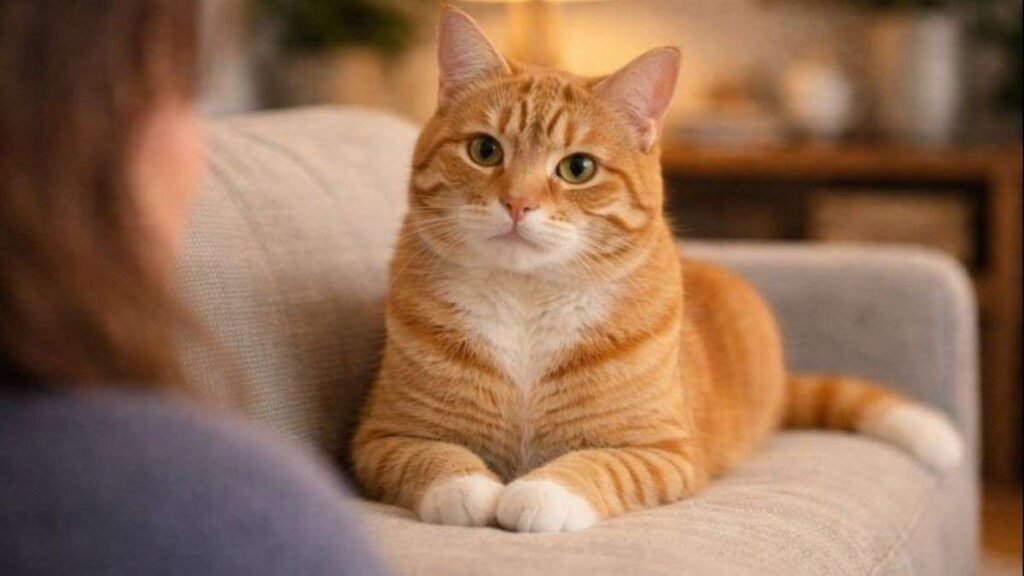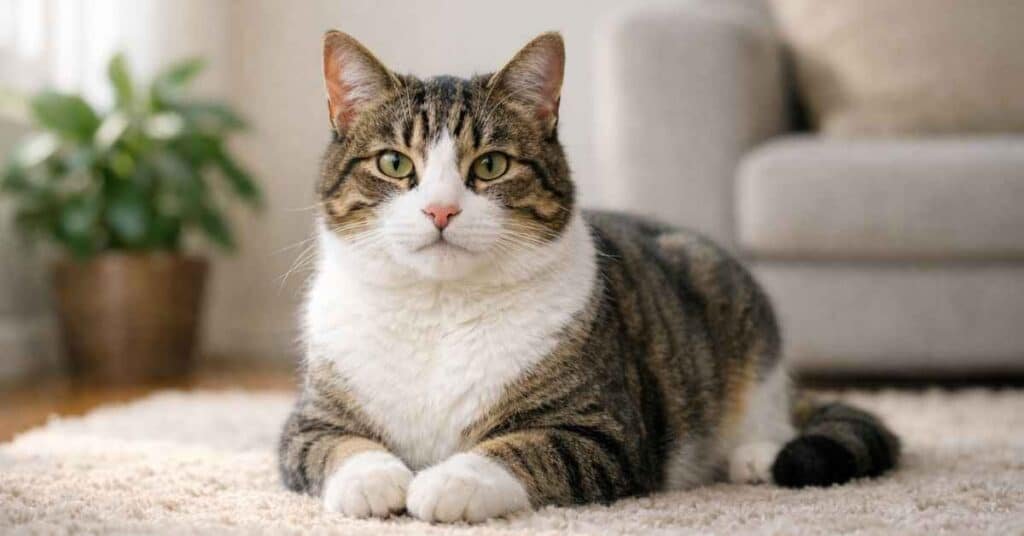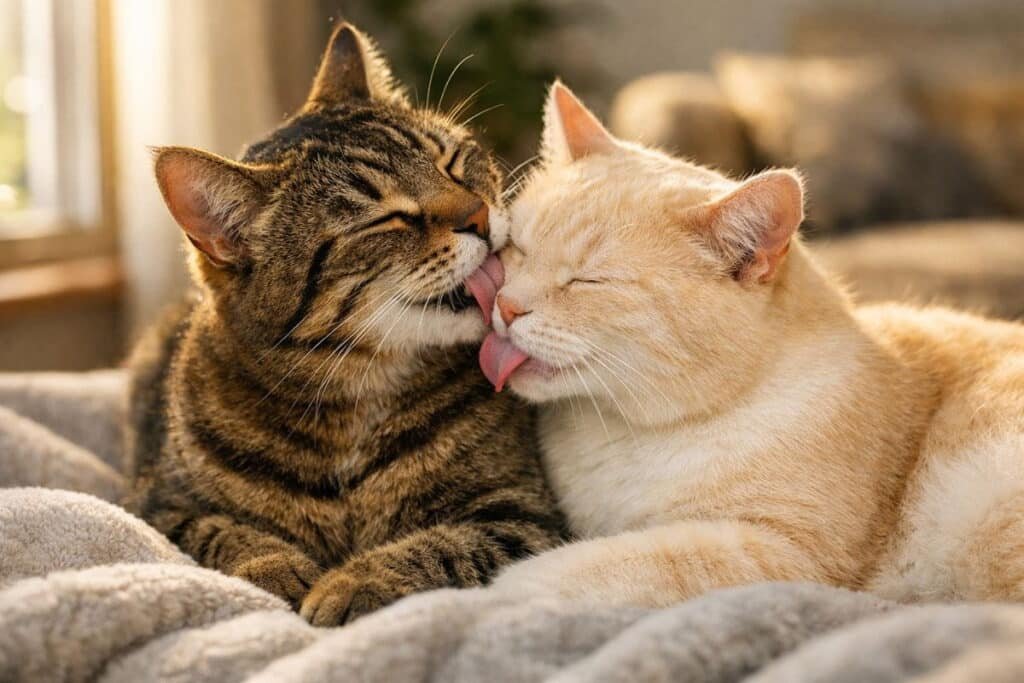
Cats often surprise their owners with curious habits. One moment, they cuddle peacefully. Next moment, they start licking each other like tiny barbers. Many people ask, why do my cats lick each other so often. This charming action usually shows trust and comfort between feline companions.
In most homes, this behavior reflects instincts. Scientists call it allogrooming in cats, which describes one cat grooming another. The action strengthens feline social bonding and builds a peaceful cat social structure. Understanding the meaning of cats licking each other helps owners see the emotional language cats use daily.
What Does It Mean When Cats Lick Each Other?
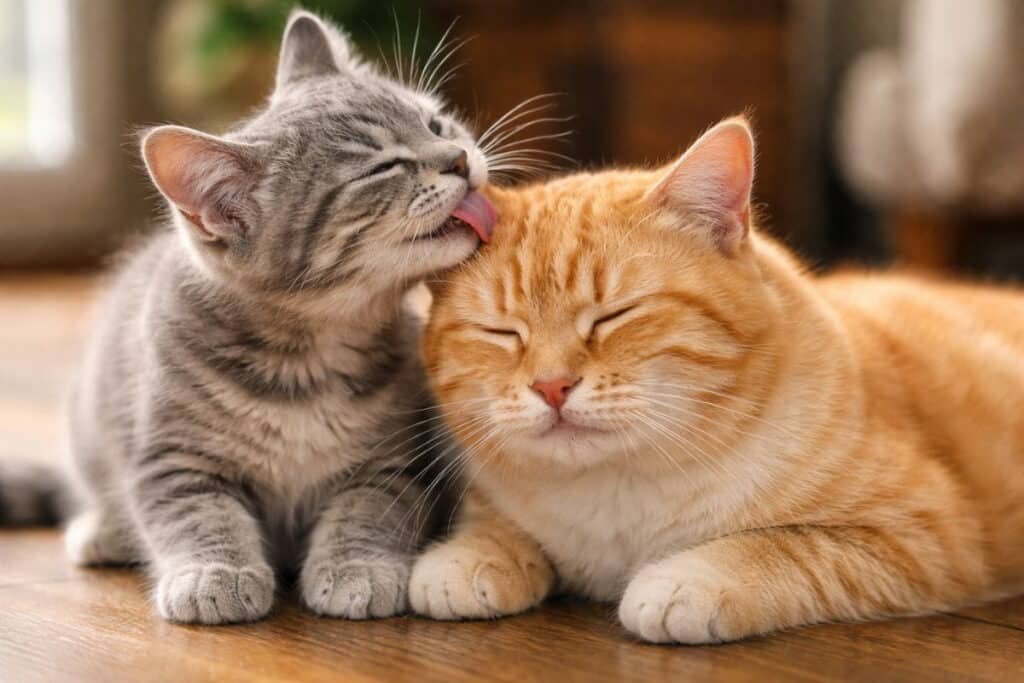
When owners ask why do my cats lick each other, they are usually watching a gentle form of cat grooming behavior. Cats use licking to maintain friendship and trust. This grooming often targets the head or ears. That explains why cats lick each other’s heads or necks during calm moments.
Experts describe this action as grooming as social behavior. It reflects cooperation inside a shared territory. Cats living together develop strong cat relationship dynamics through grooming. This habit appears frequently in homes with multiple pets because multi-cat household behavior encourages bonding rituals.
7 Common Reasons Cats Groom Each Other
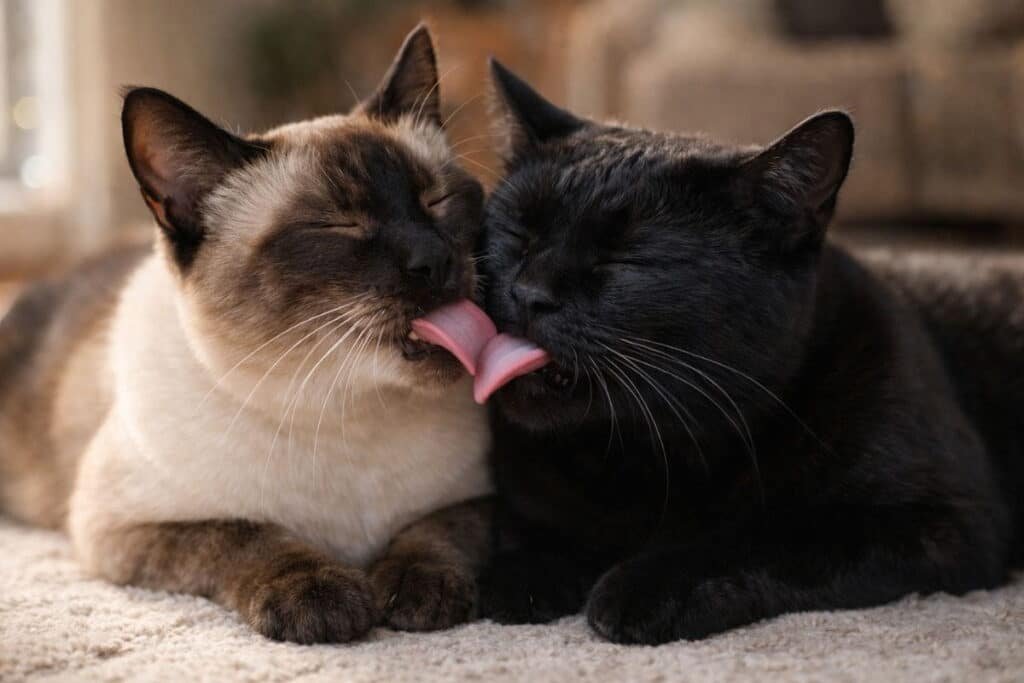
Cats rarely groom without reason. When people wonder why do cats groom each other, the answer usually combines instinct, affection, and social communication. Grooming also reinforces group safety and helps manage tension inside a feline group.
Researchers studying cat social structure have found that grooming works like a friendship signal. It also helps maintain balance within the group’s cat hierarchy behavior. Understanding these motivations explains why cats grooming each other then fighting sometimes happens.
Social Bonding and Friendship
Cats often groom trusted companions to show affection. This gentle ritual strengthens feline social bonding and deepens trust between animals living together. When cats lick faces or ears, they reinforce an emotional connection.
Many owners notice cats grooming and playing shortly after grooming sessions. That happens because closeness builds excitement. The behavior supports healthy cat relationship dynamics inside a shared home.
Instinct Learned From Their Mother
Kittens experience grooming from their mother every day. This early care teaches them that licking means safety and comfort. As adults, they repeat the same pattern with other cats.
Scientists believe this habit develops from grooming as social behavior during kittenhood. The mother’s grooming helps kittens learn hygiene and social rules. That explains why do cats clean each other later in life.
Establishing Social Hierarchy
Sometimes, grooming reveals leadership. A confident cat may start grooming another to demonstrate gentle authority. This action reflects cat dominance behavior within a group.
Researchers studying feline colonies often observe grooming linked to cat hierarchy behavior. The higher-ranking cat begins grooming while the lower-ranking cat accepts the attention calmly.
Grooming Hard-to-Reach Areas
Cats are skilled cleaners, but some areas remain difficult to reach. The ears, neck, and top of the head need help. This explains why cats lick each other ears during grooming sessions.
In many homes, owners ask why do cats lick each other’s heads so frequently. The answer is simple. Those areas cannot be cleaned easily without assistance.
Comfort and Stress Relief
Licking has a soothing effect on cats. The repetitive movement releases tension and supports relaxation. Grooming helps reduce cat stress signals after busy or noisy moments.
This calming routine often appears before sleep. The behavior helps regulate emotional balance and prevents anxiety linked to feline territorial behavior inside shared living spaces.
Scent Sharing Within a Colony
Scent plays a huge role in feline communication. Grooming spreads their smell across companions. Soon, all cats share a group scent.
This scent blending strengthens cat social structure and promotes peace. It tells each cat that the others belong to the same safe group.
Redirected Play Behavior
Sometimes grooming suddenly shifts into playful energy. A gentle lick becomes a nibble. Soon the cats start cats licking each other and then wrestling.
This playful reaction happens because of overstimulation in cats. The excitement turns into feline play fighting, which may look dramatic but often remains harmless fun.
Why Do Cats Lick Each Other Then Suddenly Fight?
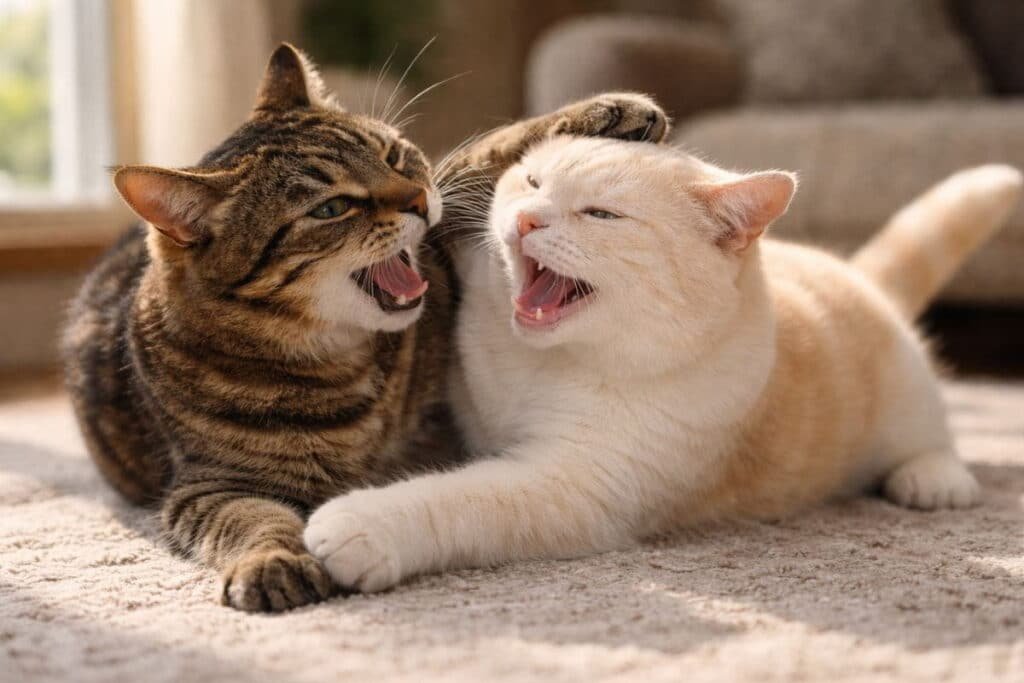
Many owners ask why do my cats lick each other then suddenly fight. The answer usually involves overstimulation in cats. When grooming lasts too long, the receiving cat becomes irritated. A quick paw swipe begins a playful scuffle.
In other situations, the fight results from redirected aggression in cats. A loud noise or sudden distraction can shift their mood. The result may look like cats grooming then biting, or cats lick each other then bite before they separate.
How to Tell if Cats Are Playing or Actually Fighting
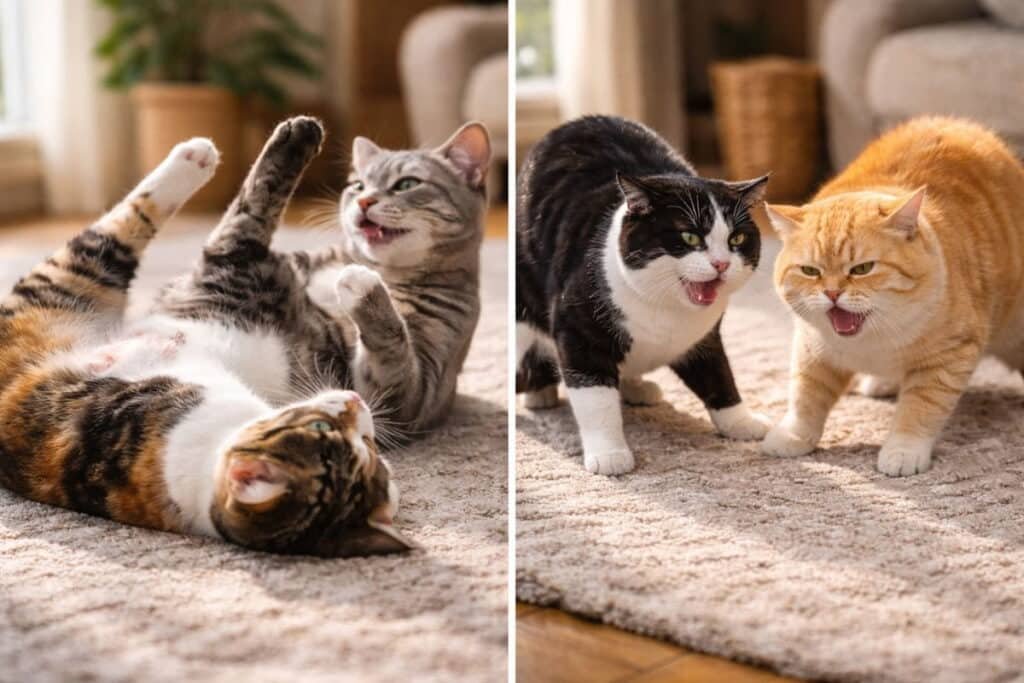
Many people wonder are my cats playing or fighting when they see intense wrestling. Observing cat body language signals helps reveal the answer. Playful cats stay loose and quiet during movement.
Real conflict shows different signals. Owners may notice cat aggression signs such as hissing, stiff posture, and puffed fur. These warning behaviors indicate tension rather than normal feline play fighting.
| Behavior | Play Fighting | Real Fighting |
| Sound | Usually silent | Growling or hissing |
| Body posture | Loose and rolling | Stiff and tense |
| Movement | Taking turns | One cat chasing |
| Facial expression | Relaxed ears | Flattened ears |
Do Cats Groom Each Other Only If They Like Each Other?
In most situations, grooming reflects friendship. Cats rarely groom strangers because trust must exist first. That is why many owners see male cats grooming each other when they grow up together.
However, grooming does not always mean perfect harmony. Sometimes cats groom companions as part of cat dominance behavior. The action reinforces group order within the home’s cat relationship dynamics.
Is Mutual Grooming More Common in Certain Cats?
Mutual grooming appears more frequently in bonded cats. Littermates raised together develop strong grooming habits early in life. This explains why do male cats groom each other is such a common one.
Indoor cats also groom companions more often than outdoor cats. Close living spaces increase interaction and strengthen multi-cat household behavior through repeated grooming routines.
| Cat Relationship | Grooming Frequency |
| Siblings raised together | Very common |
| Mother and kittens | Constant |
| Newly introduced cats | Rare at first |
| Rival cats | Occasional |
When Should Cat Owners Be Concerned?
Most grooming remains harmless. However, owners should watch for cats licking each other aggressively or causing injury. These behaviors can signal stress or tension within the home.
Excessive grooming may also indicate health concerns. If owners notice bald patches or wounds, they should consult a veterinarian. Such symptoms sometimes appear with cat stress signals or unresolved feline territorial behavior.
How to Encourage Peaceful Behavior Between Cats
A calm environment helps prevent problems such as cats grooming each other then fighting. Cats need personal space and enough resources to avoid competition.
Providing separate feeding areas, litter boxes, and sleeping spots improves multi-cat household behavior. Regular playtime also reduces energy levels, which is why cats groom each other, then fight.
| Helpful Strategy | Why It Works |
| Provide multiple litter boxes | Reduces competition |
| Offer separate food bowls | Prevents territorial stress |
| Schedule daily play | Releases energy |
| Create quiet sleeping areas | Supports relaxation |
Frequently Asked Questions About Cats Grooming Each Other
Owners often ask questions like why do cats lick each other then fight, and why do cats lick each other and then bite. These questions appear frequently because grooming behavior can suddenly change into play or irritation.
Another common question is how to stop cats grooming then fighting. The best solution involves monitoring cat body language signals and redirecting energy through play. This prevents cats grooming then biting situations.
Is it normal for cats to lick each other?
Yes, it’s normal. Cats often groom each other to show trust, share scent, and strengthen their social bond.
How do I know my cats love each other?
Cats that love each other sleep together, groom each other, and stay relaxed when they are close.
Are cats bonded if they clean each other?
Usually yes. Mutual grooming is a strong sign of bonding and comfort between cats.
How do you say “I love you” in cat language?
Cats show love by slow blinking, head-butting, purring, and gently rubbing against you.
What breed of cat is the most clingy?
Breeds like the Ragdoll, Siamese, and Sphynx are known for being very affectionate and clingy with their owners.
The Bottom Line on Cats Licking Each Other
Understanding why do my cats lick each other helps owners see the emotional language cats use every day. Grooming reflects friendship, trust, and cooperation inside a feline group.
Most of the time, this behavior remains healthy and natural. Occasional cats licking each other and then wrestling is simply playful energy. When you recognize cat body language signals, you can easily tell whether your cats are enjoying harmless fun or showing signs of stress.