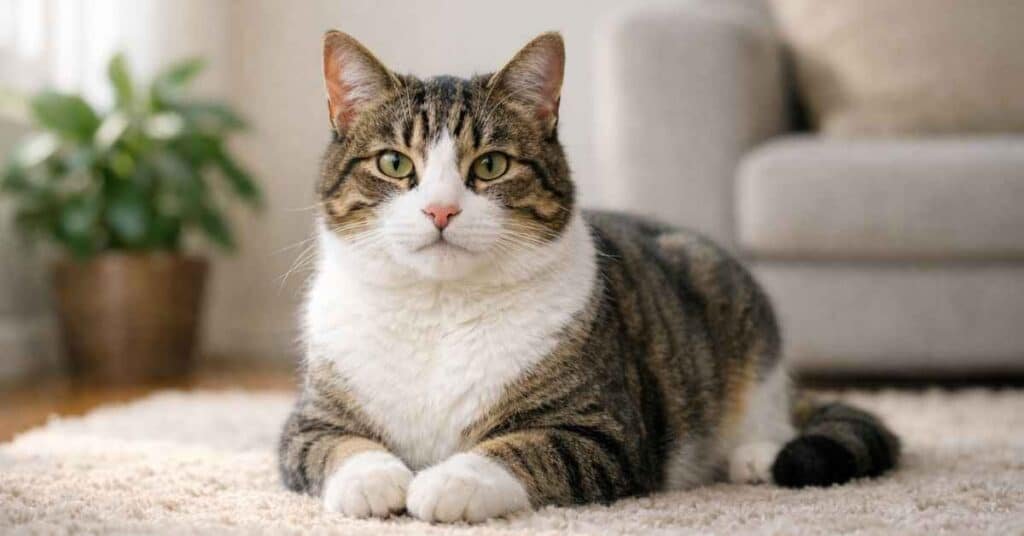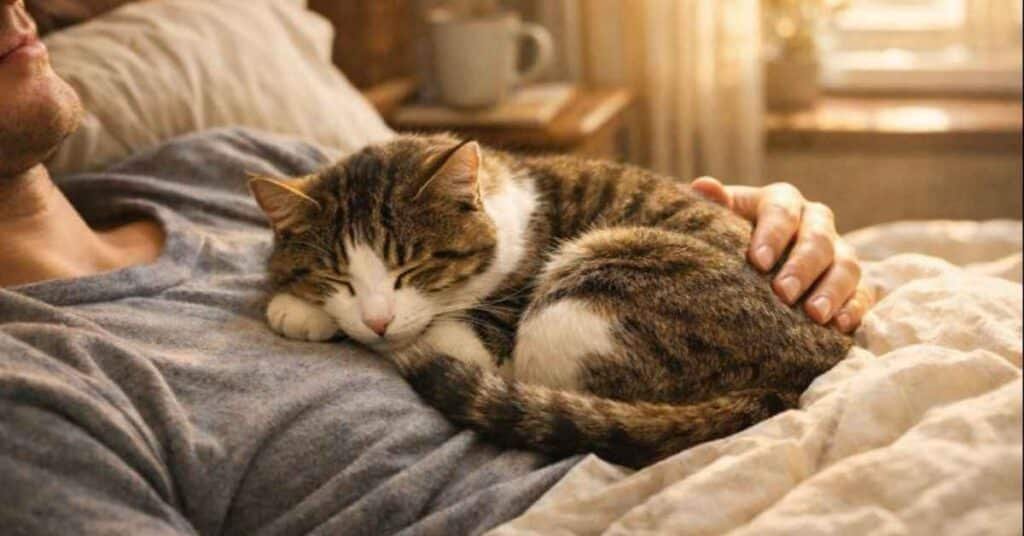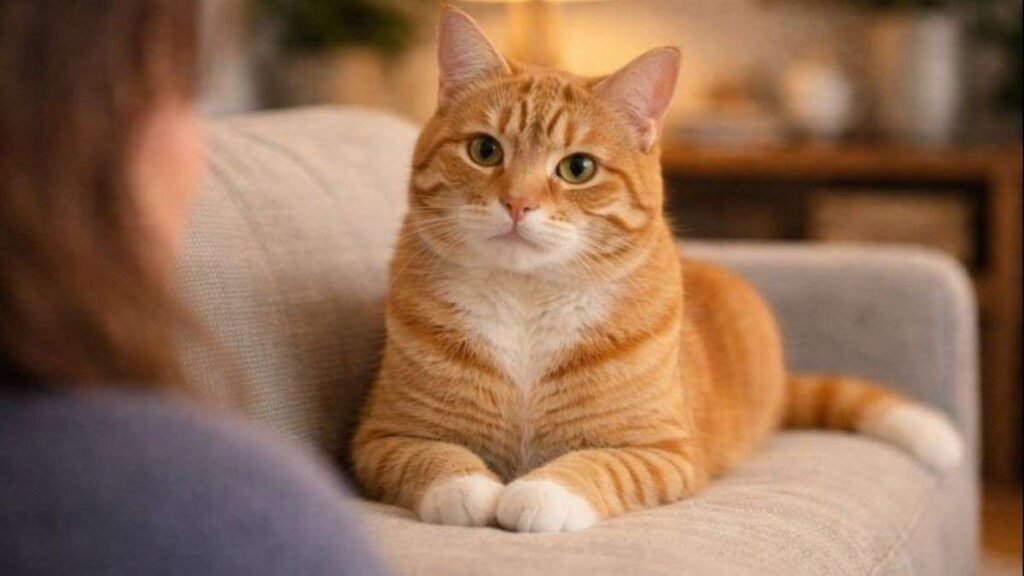
If you have ever locked eyes with your cat and felt puzzled, you are not alone. Many owners ask, Why Does My Cat Stare at Me? The answer is rarely simple. Cats use their eyes as tools. They watch, judge, bond, and sometimes warn. This behavior feels intense because cats communicate through eye contact, not words.
In American homes, cats live closely with humans. That closeness amplifies eye contact. Understanding why cats stare at humans helps you respond calmly. It also deepens trust. Let’s unpack the science, emotion, and instinct behind this gaze. Many owners still ask the same question every day: Why does my cat stare at me?
Is It Normal for Cats to Stare at Humans?
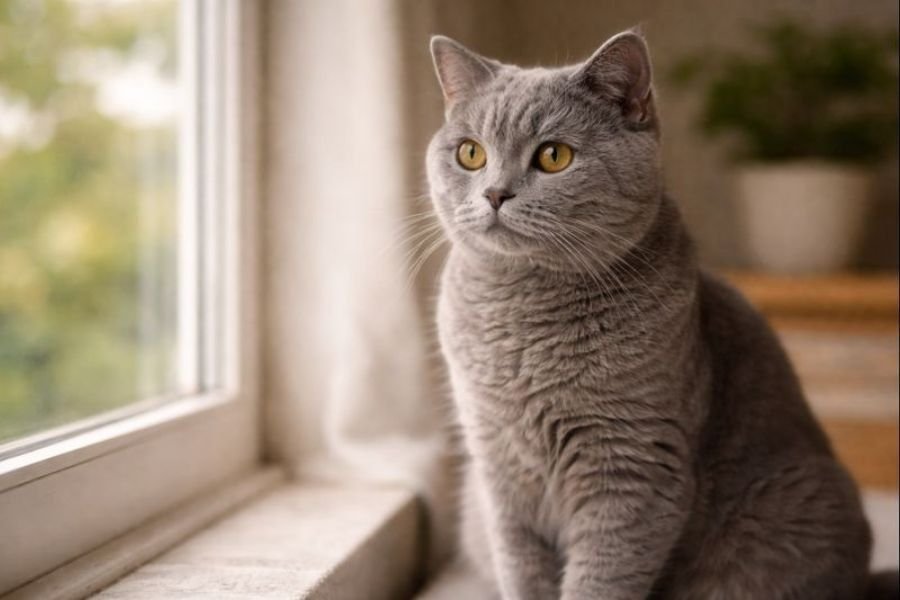
Yes, is it normal for cats to stare is one of the most common questions vets hear. Staring is part of natural feline communication. In the wild, eye contact helps cats assess safety, threat, and opportunity. At home, that instinct remains active.
However, staring means different things in cats depending on context. A relaxed stare differs from a hard glare. To understand cat staring behavior, you must read the full picture. Eyes, ears, posture, and tail all matter.
Why Does My Cat Stare at Me? (Quick Answer Explained)
The quick answer to Why Does My Cat Stare at Me? is simple. Your cat is communicating. Cats do not meow at other cats. They rely on vision. That makes eye contact meaning extremely important.
Sometimes the stare shows love. Sometimes it signals a need. In rare cases, it shows fear or illness. Knowing what it means when a cat stares depends on timing, setting, and body language.
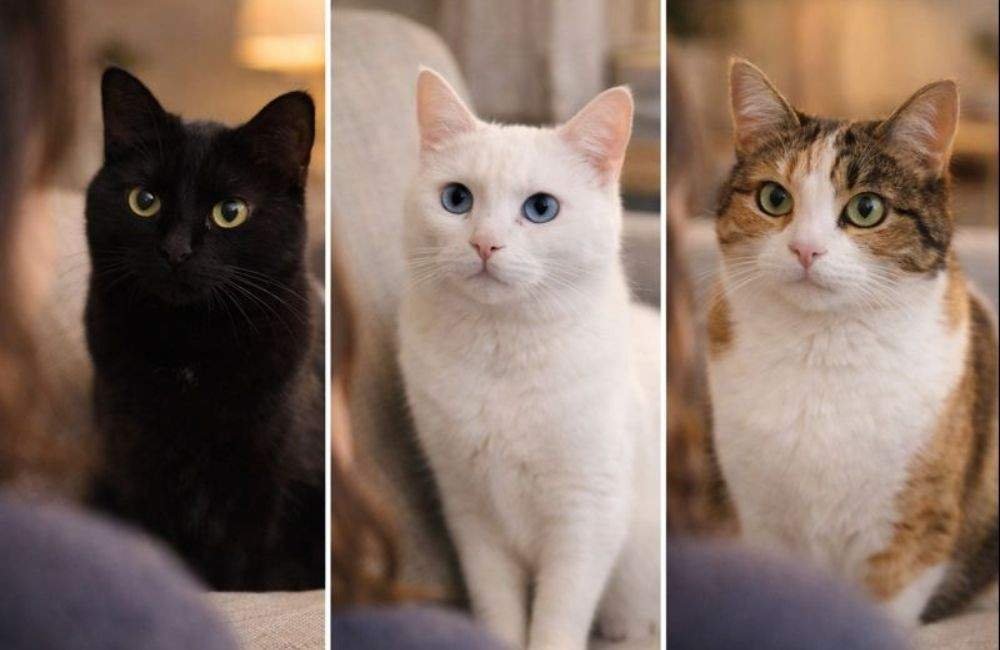
8 Real Reasons Cats Stare at Their Owners
Cats stare because their brains are wired to observe. They study patterns. They memorize routines. When you become part of that routine, the cat staring at the owner becomes normal.
Each reason below explains a different emotional or instinctive trigger. Together, they form a complete understanding of cat body language in daily life.
Your Cat Wants Attention
One major reason for staring is connection. Cat staring for attention happens when your cat feels ignored. Your cat has learned that eye contact often brings a response. That response might be petting, talking, or playing.
This behavior links directly to signs your cat wants attention. If the stare comes with soft eyes and a relaxed posture, your cat is asking politely. This is also part of bonding with your cat over time.
Your Cat Is Hungry or Expecting Food
Another common cause is hunger. Cats staring for food usually happens near feeding times. Cats learn schedules quickly. If dinner is late, the stare becomes stronger.
You may notice the cat staring while eating or watching you eat. This does not mean aggression. It means anticipation. Food-related staring is learned behavior, reinforced by past success.
Curiosity or Observation Instinct
Cats are natural observers. Why cats stare at humans often comes down to curiosity. Sudden movements, new clothes, or unusual actions trigger intense watching.
This links to the cat hunting instinct behavior. Your cat is not judging you. It is gathering data. That quiet focus is mental stimulation at work.
Affection and Trust
A soft gaze often means love. Do cats stare when they love you is a fair question. The answer is yes. Calm eye contact shows trust and comfort.
This behavior connects to how cats show affection. Your cat feels safe enough to watch you without fear. That emotional safety matters deeply.
Stress, Fear, or Anxiety
Not all staring is positive. Cat staring fear signs include wide eyes and stiff posture. Loud noises, strangers, or routine changes can trigger this response.
This behavior reflects fear and anxiety in cats. If you see frozen posture and tension, your cat feels unsafe. Understanding signs of stress in cats helps prevent escalation.
Medical or Vision Issues
Sometimes staring has nothing to do with emotion. Older cats may stare due to cognitive decline. Vision problems can also cause fixed gazes.
If a cat’s pupils dilated appears often, consult a vet. Sudden changes may indicate neurological or sensory issues. Health always comes first.
Hunting Instinct or Focus Mode
Cats enter a trance-like state when focused. This explains the cat staring at night when shadows move. Light reflections activate hunting circuits.
This state is linked to cat hunting instinct behavior and not aggression. The eyes lock in. The body prepares. It is pure instinct.
Your Cat Is Confused by Your Behavior
Human behavior often puzzles cats. Exercise, dancing, or sudden gestures trigger staring. Your cat tries to understand your actions.
This moment reflects understanding cat body language in reverse. Your cat is reading you, not the other way around.
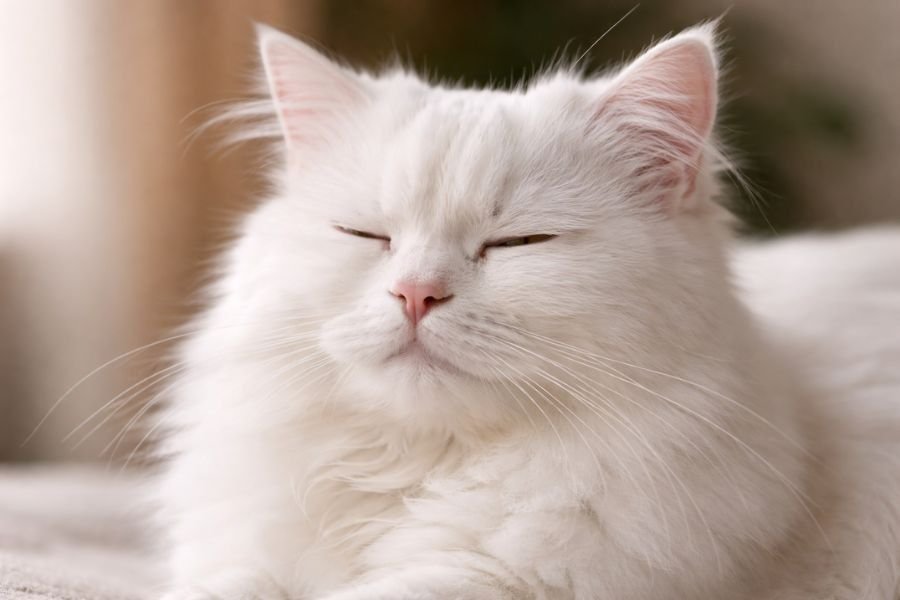
What Does It Mean When a Cat Stares Without Blinking?
A cat staring without blinking feels intense for humans. In feline language, it can signal challenge or extreme focus. This is different from relaxed watching.
A hard stare may be linked to a cat’s aggressive stare if paired with a tense posture. It may also appear during hunting mode. Context decides meaning.
Why Does My Cat Stare and Slowly Blink at Me?
Slow blinking is special. The cat’s slow blink means affection and trust. Vets often call it a “cat kiss.”
When your cat blinks slowly, it invites connection. This supports how cats show affection without touch. You can blink back gently to respond.
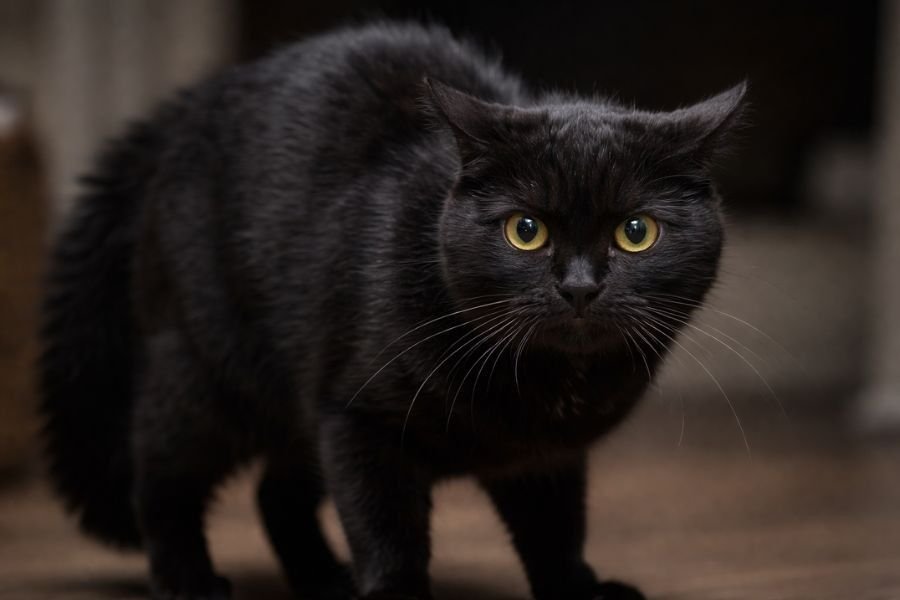
Understanding Cat Body Language While Staring
Staring alone never tells the full story. Cat body language staring must be read with other signals. Eyes, ears, tail, and posture work together.
Below is a simple reference table to help with interpretation.
| Eye Behavior | Body Posture | Likely Meaning |
| Soft gaze | Relaxed body | Affection and trust |
| Wide eyes | Frozen stance | Fear or anxiety |
| Dilated pupils | Low crouch | Overstimulation or hunting |
| Hard stare | Stiff posture | Warning or discomfort |
This table helps with understanding cat body language in real situations.
When Should You Be Concerned About Cat Staring?
Concern arises when staring changes suddenly. If cat staring behavior appears with aggression or withdrawal, act quickly. Health or emotional issues may exist.
Watch for aggressive cat body posture or isolation. These are strong signs of stress in cats. Early response prevents bigger problems.
What Should You Do When Your Cat Stares at You?
First, pause and observe. How to respond to a cat staring depends on emotion. If relaxed, engage gently. If tense, step back.
Knowing when to give a cat space matters. Use a calm voice and slow movements. This approach supports how to calm a staring cat safely.
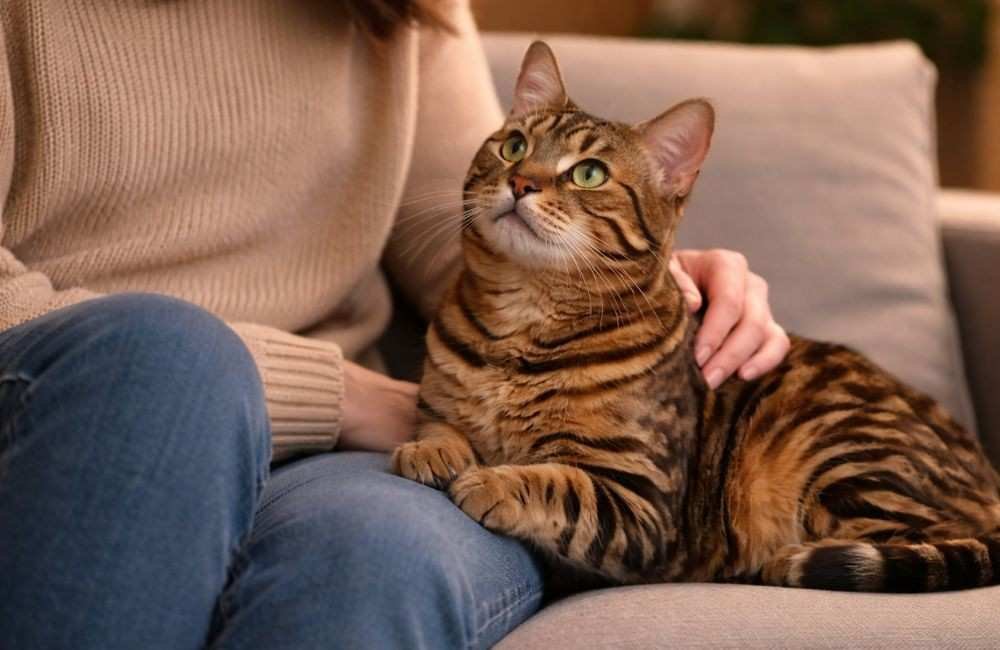
Why Does My Cat Stare at Me: Love or Aggression?
So, Why Does My Cat Stare at Me? Love and aggression both use eye contact. The difference lies in context and body language.
Most staring reflects curiosity or affection. Rarely, it signals conflict. Learning these cues strengthens bonding with your cat and builds mutual trust.
Final Thought
The next time you ask, Why Does My Cat Stare at Me?, remember this. Your cat is talking. Eyes are the language. When you learn to listen, your relationship changes forever. Once you understand why does my cat stares at you, your bond with your cat naturally becomes stronger and calmer.
FAQs
What does it mean when cats stare at you?
Attention, curiosity, hunger, affection, or alertness.
How do I say sorry to my cat?
Give space, speak softly, offer treats, or slow-blink to rebuild trust.
What is the 3-3-3 rule of cats?
3 days alone, 3 weeks of gradual exploration, 3 months of full adjustment.
How do you tell if your cat loves you?
Look for slow blinking, purring, rubbing, following, and gentle paw touches.