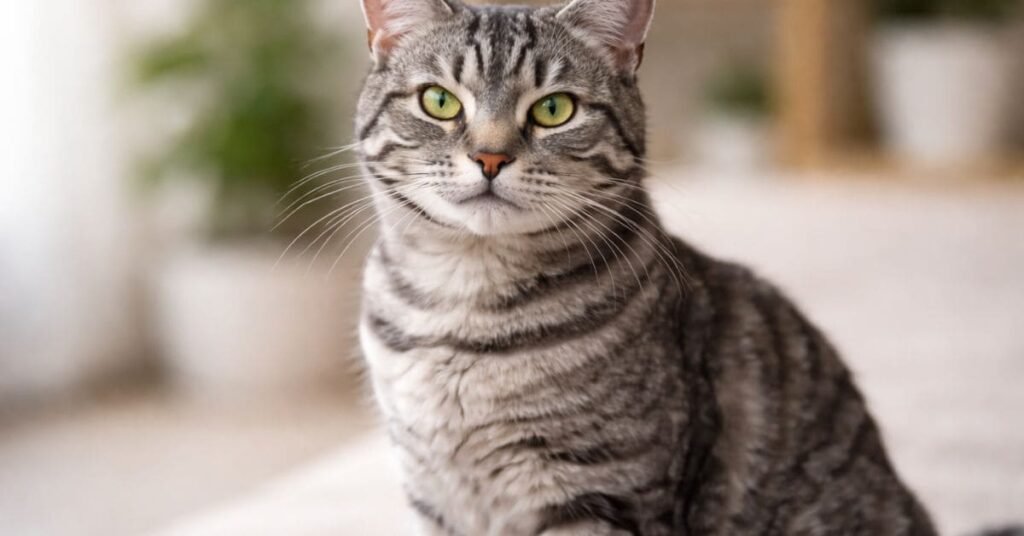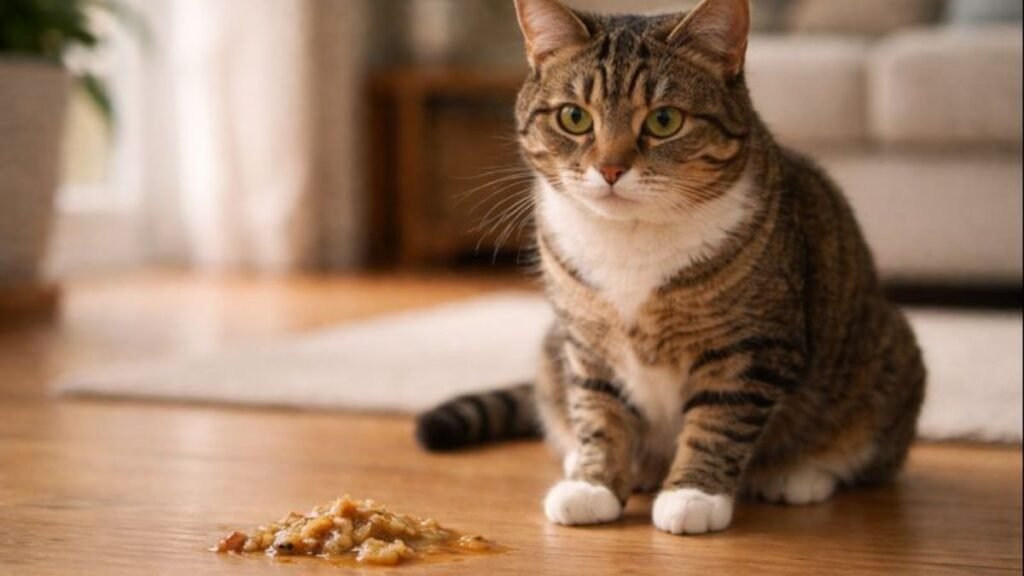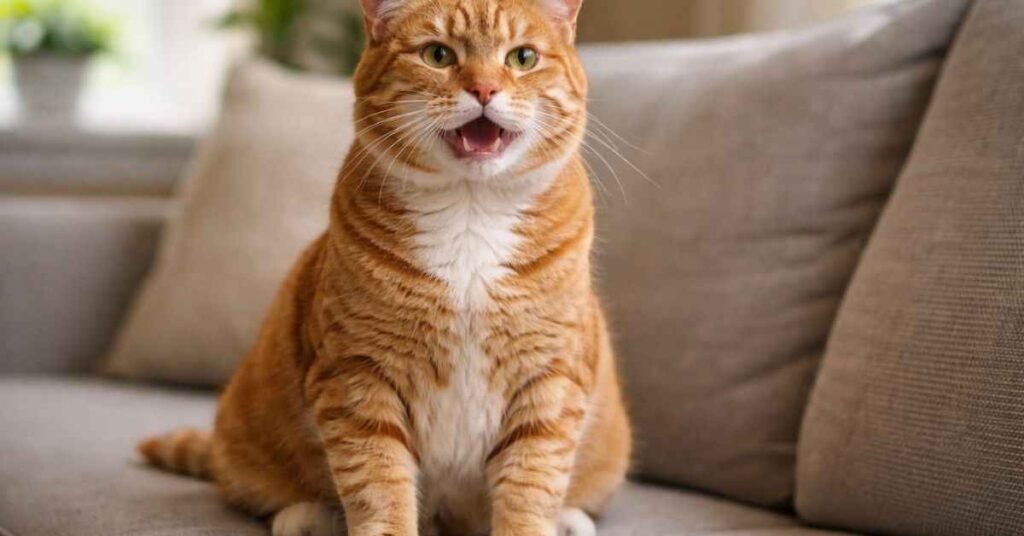
When you notice a cat breathing heavy, it can instantly trigger worry and confusion. Cats usually breathe quietly, so visible effort often feels alarming. Sometimes, heavy breathing in cats happens after intense play or stress and settles quickly. However, ongoing changes like a cat breathing fast or a cat breathing hard may point to hidden health problems.
Because cats hide pain well, breathing changes are often one of the first clear warning signs owners notice. Understanding normal breathing helps you act early. If ignored, breathing trouble can affect oxygen flow and overall well-being. Knowing when to monitor closely and when to call a vet can truly save a life.
Is Heavy Breathing in Cats Normal or Dangerous?
A cat breathing heavily can be normal for a short time. After play, you may notice the cat breathing heavily, and it often settles within minutes. This temporary change supports oxygen intake and helps oxygenated blood reach vital organs.
However, abnormal breathing in cats is different. If you see a cat breathing heavily at rest or breathing that looks forced, it may indicate respiratory distress. A labored breathing cat needs attention because poor lung function can quickly affect the entire respiratory system.
What is a Normal Cat Breathing Rate?
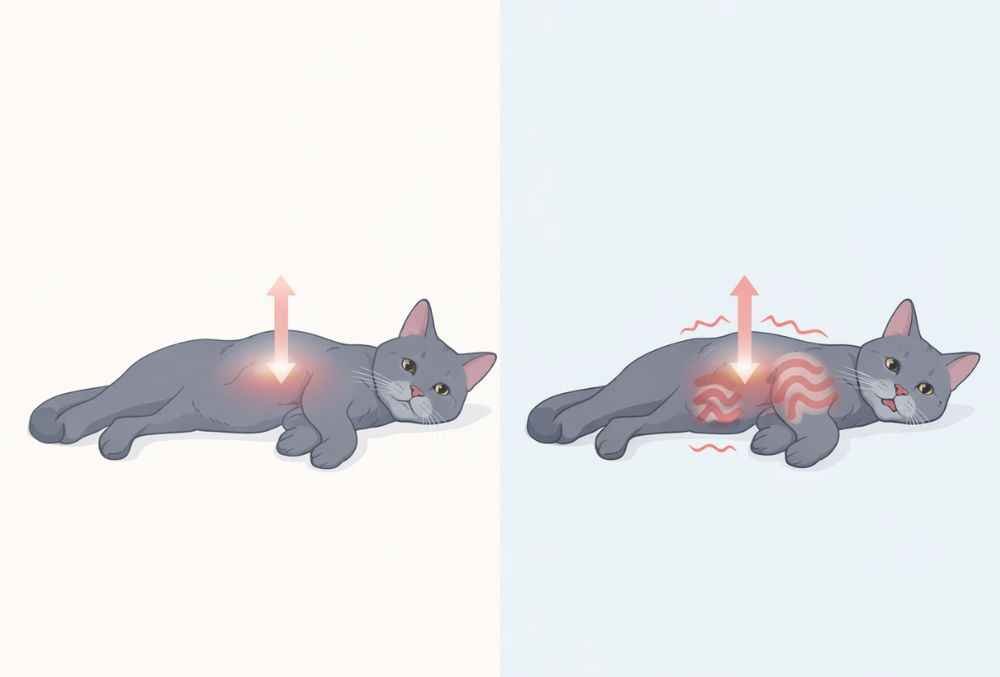
Knowing the normal cat breathing rate helps you spot danger early. Healthy adult cats usually take 10 to 30 breaths per minute while resting. You should see a gentle chest rise and fall without effort or noise.
When the number rises, a fast-breathing cat may be struggling. Shallow breathing in cats or irregular rhythms can signal dyspnea in cats or tachypnea in cats. These patterns reduce oxygen delivery and can worsen quickly without care.
| State | Expected Pattern |
| Resting | Smooth, quiet breathing |
| Sleeping | Slow, steady breaths |
| Concerning | Rapid, shallow, forced breathing |
What Does Heavy Breathing or Panting Look Like in Cats?
A cat breathing hard often shows visible effort. The chest and belly move strongly, and you may hear noisy breathing in cats. Some cats produce a wheezing sound or harsh airflow with each breath.
Others show open-mouth breathing or appear to be gasping for air. Signs like coughing and gagging, blue gums, lethargy, or loss of appetite mean breathing is compromised and needs medical care.
Common Causes of Heavy Breathing in Cats
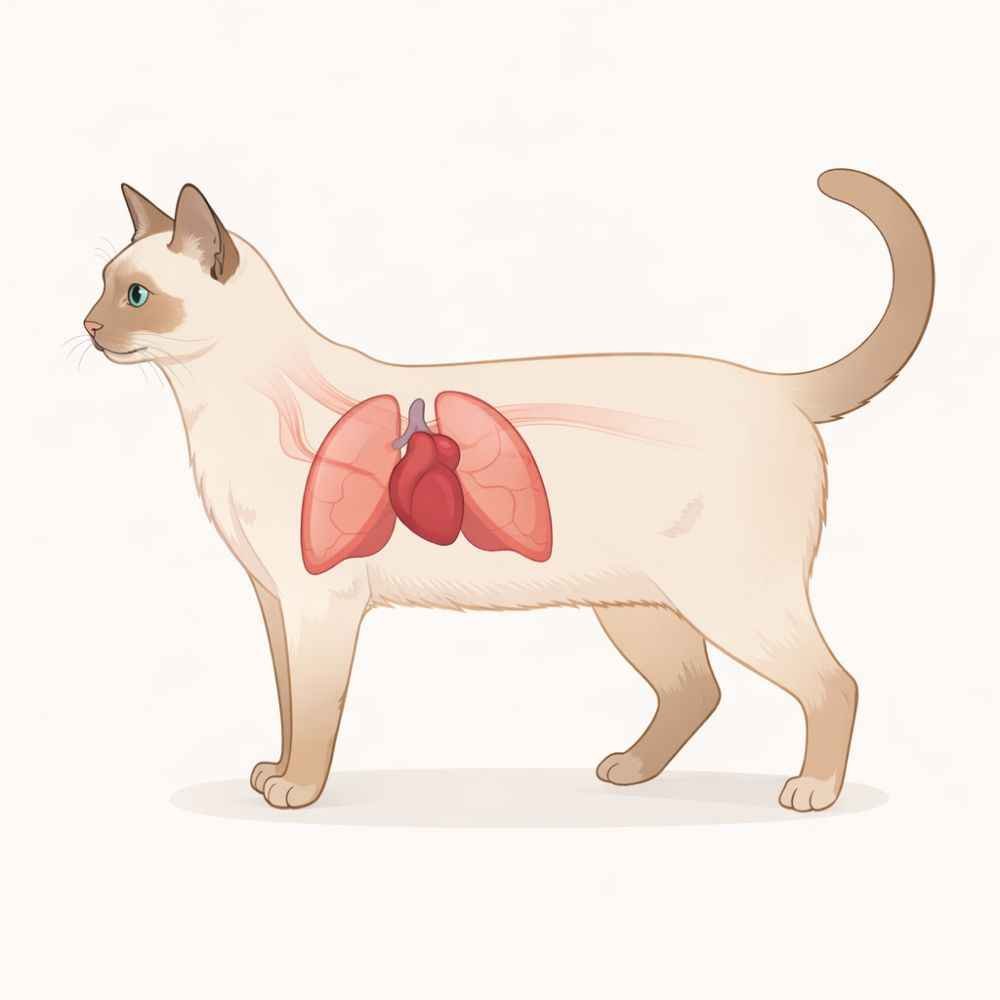
Many illnesses cause cat respiratory problems. Conditions like feline asthma, heart disease in cats, and congestive heart failure limit oxygen movement. Fluid conditions such as pleural effusion or pulmonary edema make lung expansion difficult. Infections like pneumonia in cats or a respiratory infection inflame the airways.
Other causes include heartworm disease, airway obstruction, trauma, pain, or severe stress. Each problem affects breathing differently. A proper veterinary examination is essential to identify the cause and begin treatment.
Medical and Environmental Triggers
Indoor allergens, heat, obesity, and anxiety often worsen symptoms. These triggers increase breathing effort and may cause repeated episodes if not corrected early.
Why Is My Cat Panting Like a Dog?
Cat panting is unusual. Dogs pant to cool down, but cats rarely do. When you see a cat panting like a dog, it usually means stress, overheating, pain, or fear. Short panting after intense activity can occur, but should stop quickly.
Ongoing panting is not normal. It may appear with the cat breathing heavily while sleeping or after minimal activity. This pattern often points to heart or lung disease and should be checked promptly.
Emergency Signs — When Heavy Breathing Needs Immediate Vet Care
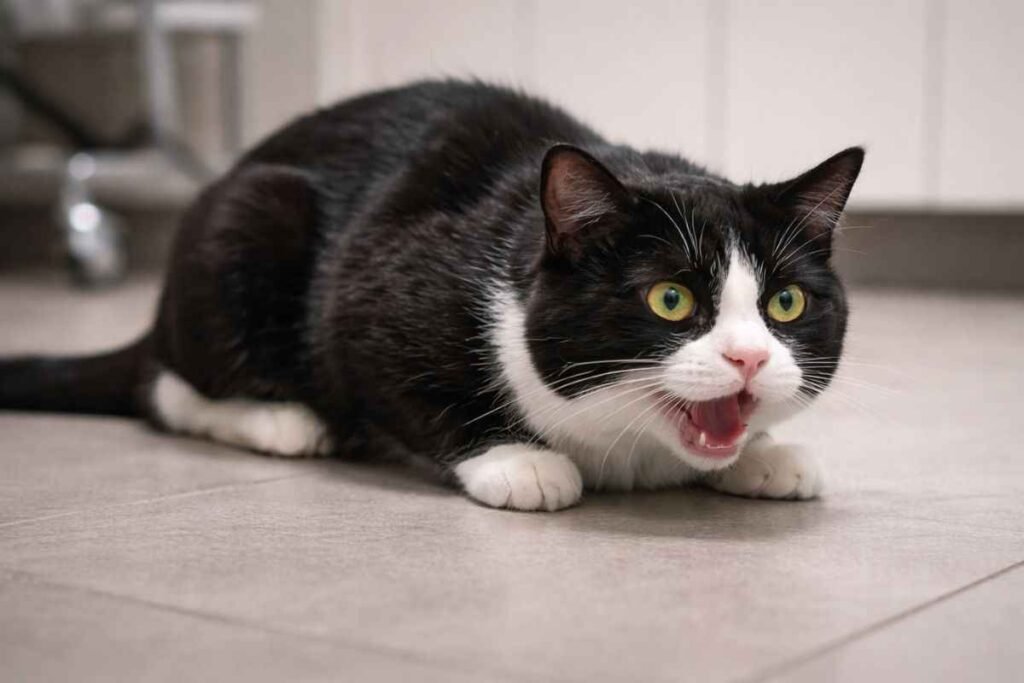
Some signs require emergency veterinary care. If your cat’s breathing heavy worsens at rest, do not wait. Rapid decline can occur within hours.
Danger signs include extreme effort, pale or blue gums, collapse, or refusal to eat. These symptoms indicate low oxygen levels and possible organ stress. Immediate care can be life-saving.
How Veterinarians Diagnose Heavy Breathing in Cats
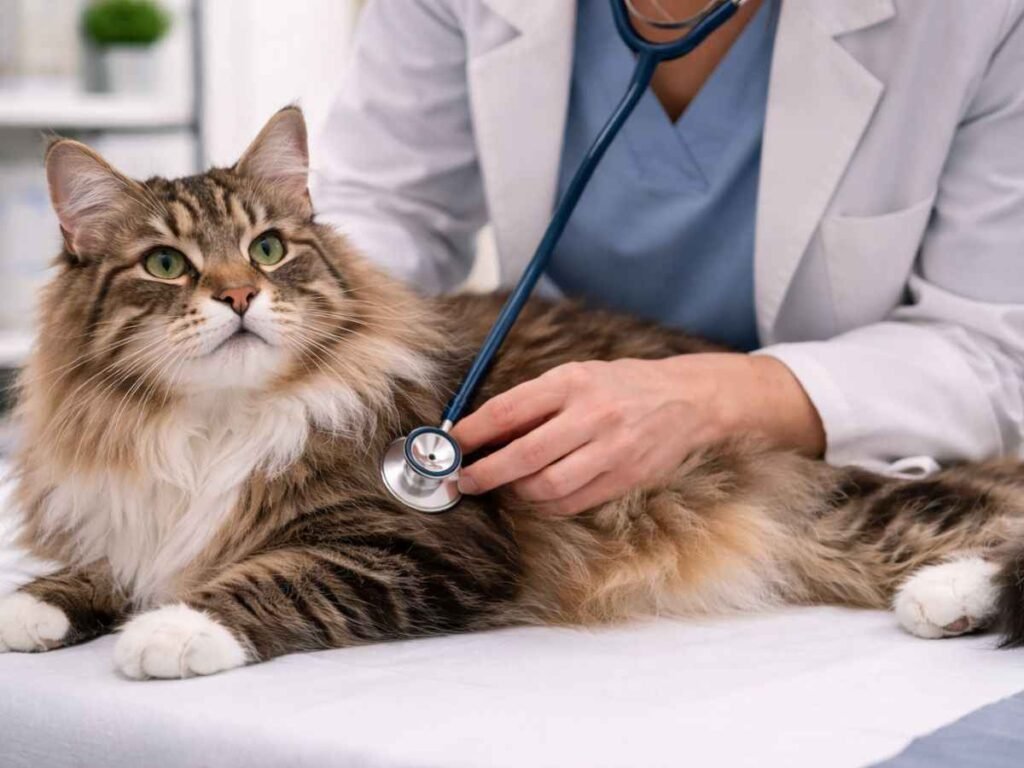
A vet begins with a full veterinary examination. They listen to lung and heart sounds, check oxygen levels, and observe breathing patterns. Imaging, such as X-rays, helps identify lung or heart changes.
Blood tests detect infection, anemia, or inflammation. These tools together reveal why a cat breathing heavy is struggling and guide safe treatment.
Treatment Options for Cats Breathing Heavily
Treatment depends on the cause. Many cats require oxygen therapy to stabilize breathing. Infections may need antibiotics for cats, while asthma often requires inhaled medication.
Fluid around the lungs may be drained to ease pressure. Heart conditions usually need long-term care. Early treatment improves comfort and survival.
| Cause | Common Care |
| Infection | Medication and rest |
| Asthma | Inhalers and steroids |
| Heart disease | Supportive therapy |
| Fluid buildup | Drainage and monitoring |
How to Calm a Cat That Is Breathing Heavy at Home
Place your cat in a quiet, cool room. Reduce handling and noise. Calm surroundings lower stress and breathing effort. Gentle airflow can help comfort without chilling.
Never force food or water. Avoid home remedies. If breathing does not improve quickly, seek professional care to prevent worsening respiratory distress.
How to Prevent Heavy Breathing Problems in Cats
Prevention starts with routine vet visits. Maintain a healthy weight and clean indoor air. Parasite prevention lowers the risk of heartworm disease.
Watch behavior closely. Early response to mild changes can prevent severe episodes of cat breathing heavy later.
Cat Breathing Heavy at Night — Should I Worry?
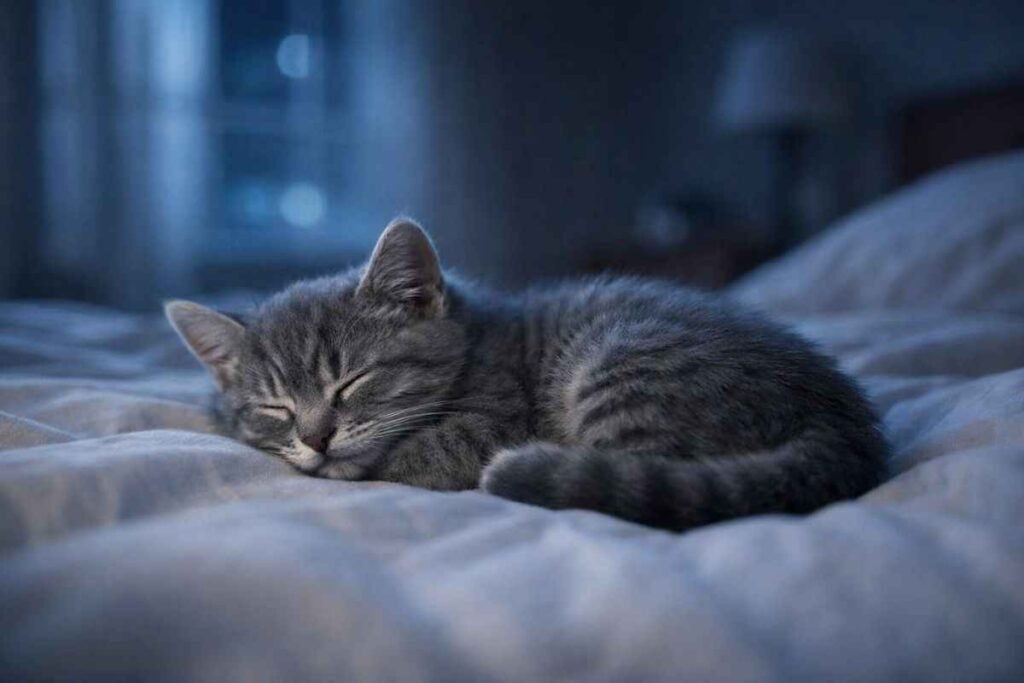
Nighttime breathing often reveals hidden illness. If your cat is breathing heavily while sleeping, heart or lung disease may be present. Normal sleep breathing stays slow and quiet.
Persistent nighttime effort deserves attention. Short videos can help your vet see patterns missed during exams.
Heavy Breathing in Kittens vs Adult Cats
Kittens are fragile. Their lungs and immune systems are still developing. Infections spread fast and cause a rapid decline. A kitten breathing heavily needs urgent care.
Adult cats often face chronic conditions. Both age groups benefit from fast action and careful monitoring.
FAQs
Should I be worried if my cat is breathing heavily?
Yes. If your cat is breathing heavily at rest, it may signal pain, stress, or serious heart or lung disease that needs veterinary care.
How can you tell if a cat is in respiratory distress?
Signs include rapid or labored breathing, open-mouth breathing, flared nostrils, blue gums, and visible struggle with each breath.
What are the first signs of heart failure in cats?
Early signs include heavy breathing, low energy, hiding, reduced appetite, and occasional coughing or weakness.
What are the four stages of congestive heart failure in cats?
They include risk without disease, early heart disease, heart disease with symptoms, and advanced heart failure with fluid buildup.
Medical Disclaimer
This article is for informational purposes only and does not replace professional veterinary advice. Always consult your veterinarian for diagnosis and treatment.