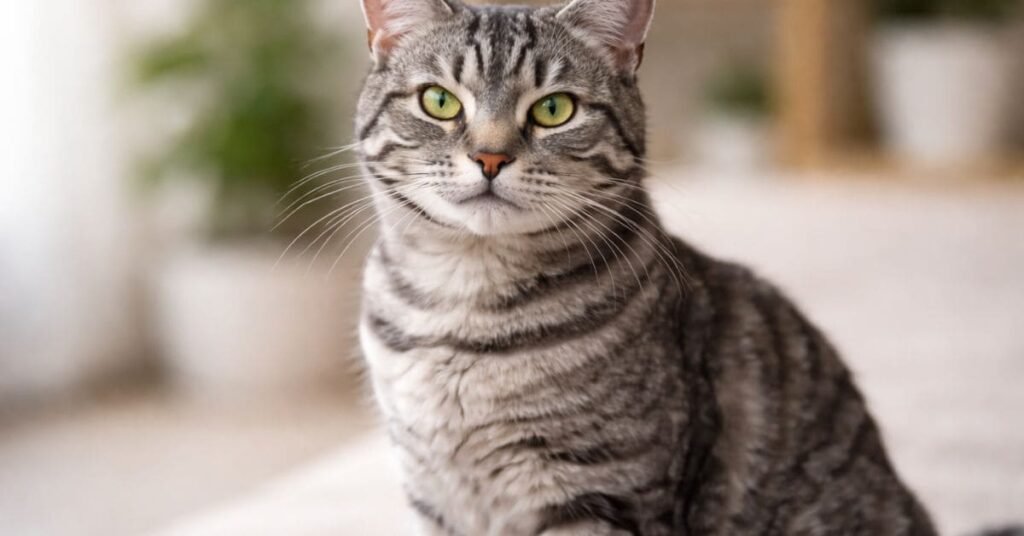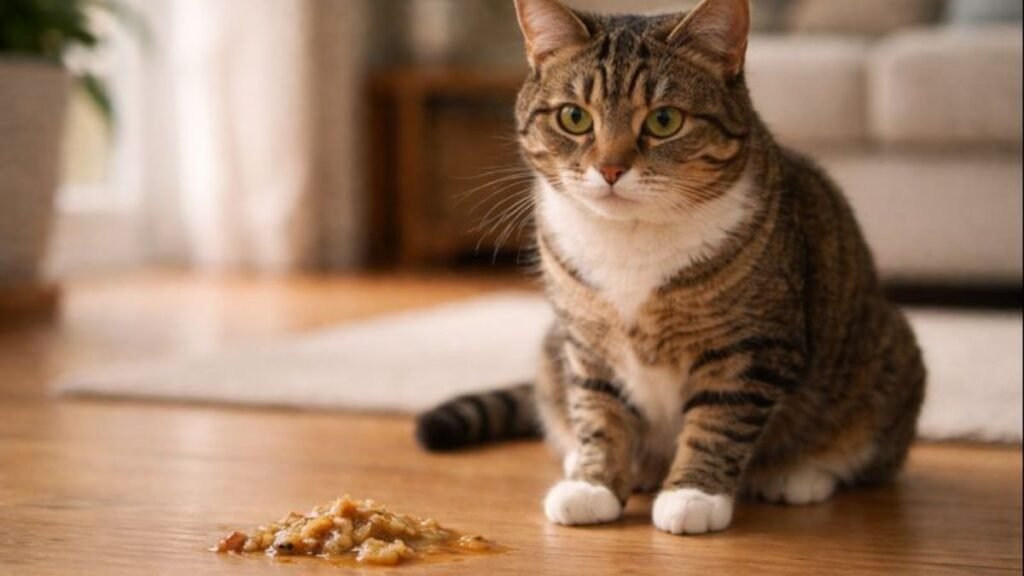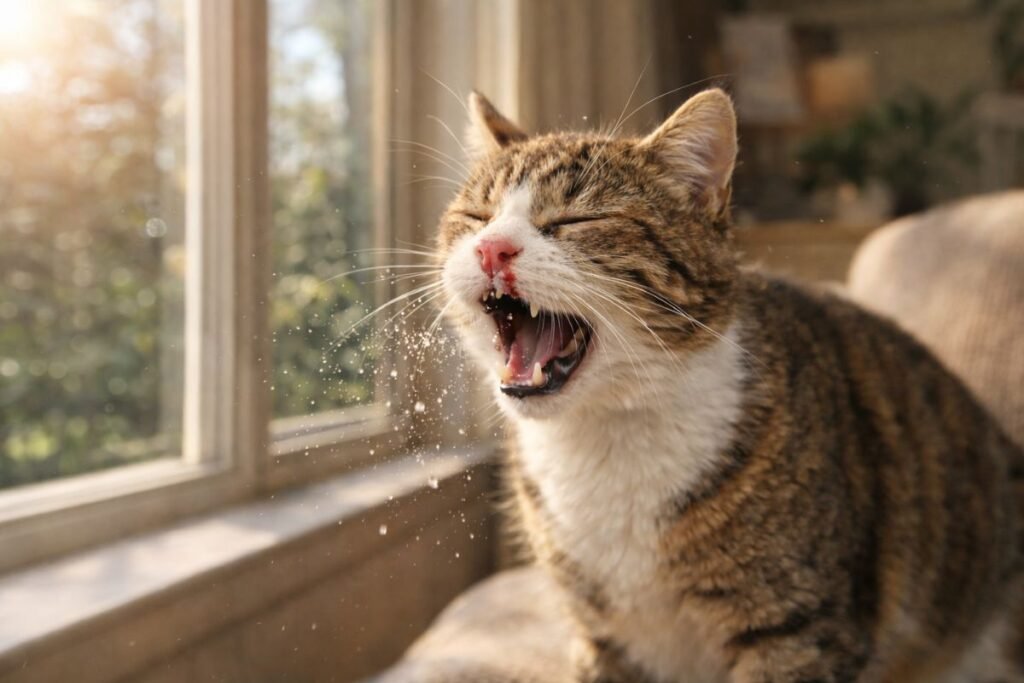
Cats are enigmatic animals. They are purring here, sneezing suddenly the next. Why do you ask? Why is my cat sneezing? Sneezing may be benign, such as the removal of dust or minor irritants, but in some cases, it may be an indication of underlying complications. Indoor cats may sneeze because of hidden allergens like pollen, smoke, or cleaning chemicals.
Repeated or long-term sneezing in cats can point to infections like feline calicivirus or an upper airway infection. When there is sneezing, even dental problems can be blamed. It is important to notice the sneezing habit of your cat. Having the timing of action and the reasons behind all this will enable you to “keep your feline healthy, comfortable, and happy.”
Understanding Cat Sneezing
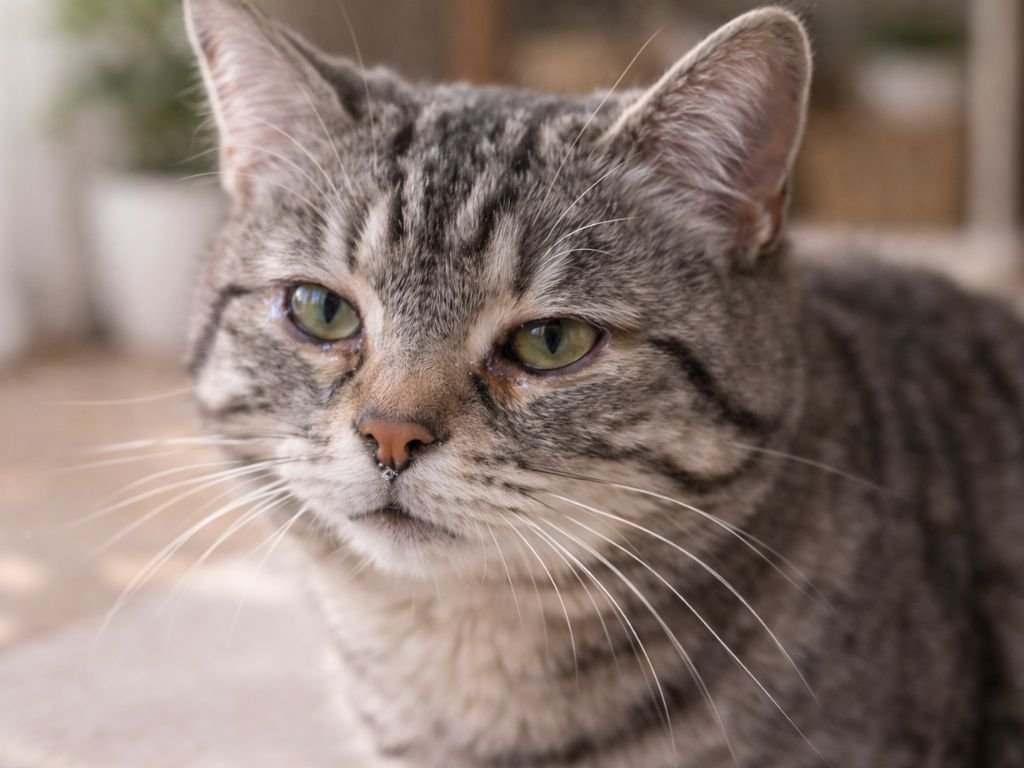
Sneezing is a natural reflex. To clear their nose of irritants, cats sneeze. But when the cat is sneezing constantly, it might mean that there is something wrong. Indoor cats sneeze frequently due to environmental irritants such as dust, pollen, or strong smells. Repeated sneezing can even be caused by an infection of the upper airway of a cat. Noticing your cat’s sneezing pattern helps you understand whether it’s normal or a warning sign.
In other cases, the cats exhibit symptoms such as cat eye discharge, watery eyes, or even sneezing with blood in the cat’s eyes or nose. An occasional sneeze is usually harmless. But sneezing that doesn’t stop can signal deeper health problems. Keeping note of the frequency, timing, and triggers can assist your vet in making a correct veterinary diagnosis of cat sneezing.
Common Causes of Sneezing in Cats
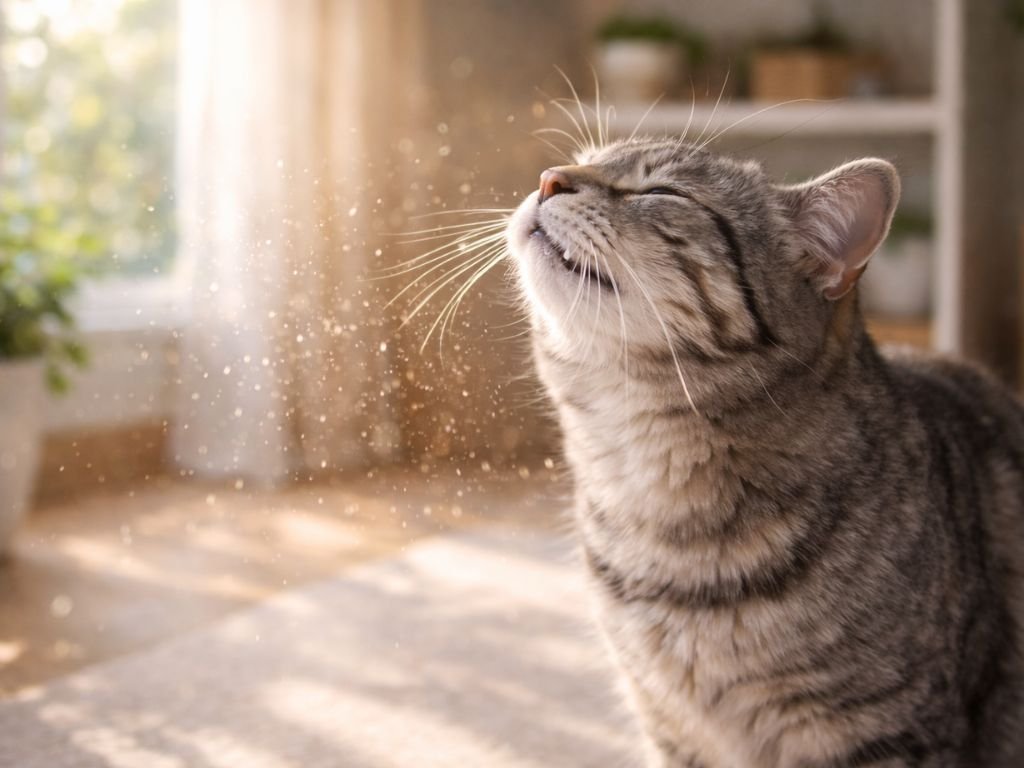
Viral infections are one of the commonest causes. The feline calicivirus and cat influenza are widespread, especially among young or unvaccinated cats. Sneezing and cat eye discharge, or nasal congestion is usually associated with viral infections. A cat’s upper airway infection can also make breathing noisy and uncomfortable. Stress has the capacity to increase the symptoms of the virus, and chronic sneezing in cats becomes more evident.
Another cause is bacterial infections. Cat antibiotics are useful in cases when sneezing is caused by infections such as Bordetella or Chlamydia. Allergies also play a role. Indoor cats may sneeze frequently as a result of allergies in cats or sneezing due to dust exposure. Even alterations in food may trigger sneezing in a cat after feeding. Identification of the underlying cause will result in appropriate treatment.
Other Less Common Causes of Cat Sneezing
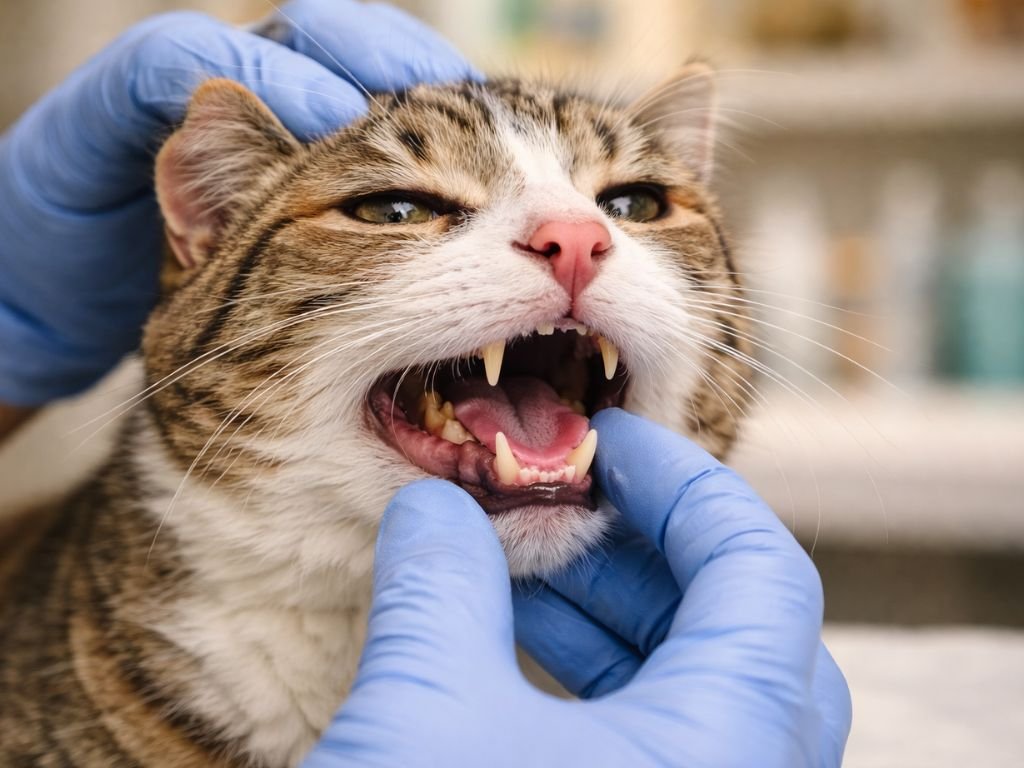
Dental problems are not given much attention. Dental disease can also cause sneezing when infections irritate the nasal area. The dental infection can be treated to cure sneezing. Nasal tumors are not prevalent but severe. Cats of older age often have tumors, which lead to inflammation of the cat’s nose and sneezing with discharge or blood.
There are fungal infections, such as Cryptococcus, that are not very frequent, but still possible. Sneezing can also occur due to inhaled foreign objects, e.g., small pieces of grass. A nasal flush of cats or rhinoscopy of cats may be required in such cases to determine the obstruction. Another untreatable cause that demands steroid management in cats or anti-inflammatory medication in cats is referred to as chronic inflammation or chronic rhinitis in cats.
Symptoms That Accompany Sneezing
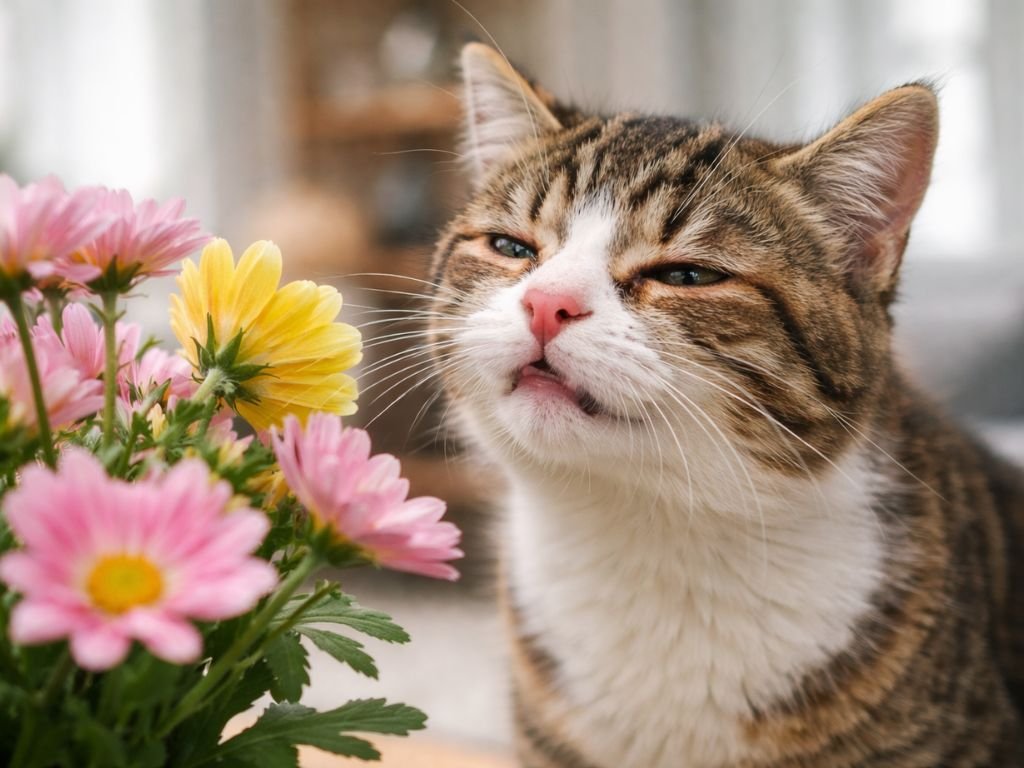
Sneezing is usually accompanied by other symptoms. Sneezing in a cat, when accompanied by other symptoms such as nasal discharge, eye discharge, coughing, or wheezing, could be an indication of infection. Dietary or environmental allergens can be demonstrated by sneezing at night or after eating. Sometimes, persistent sneezing in cats is coupled with loss of appetite, loss of weight, or lethargy. digestive issues in cats
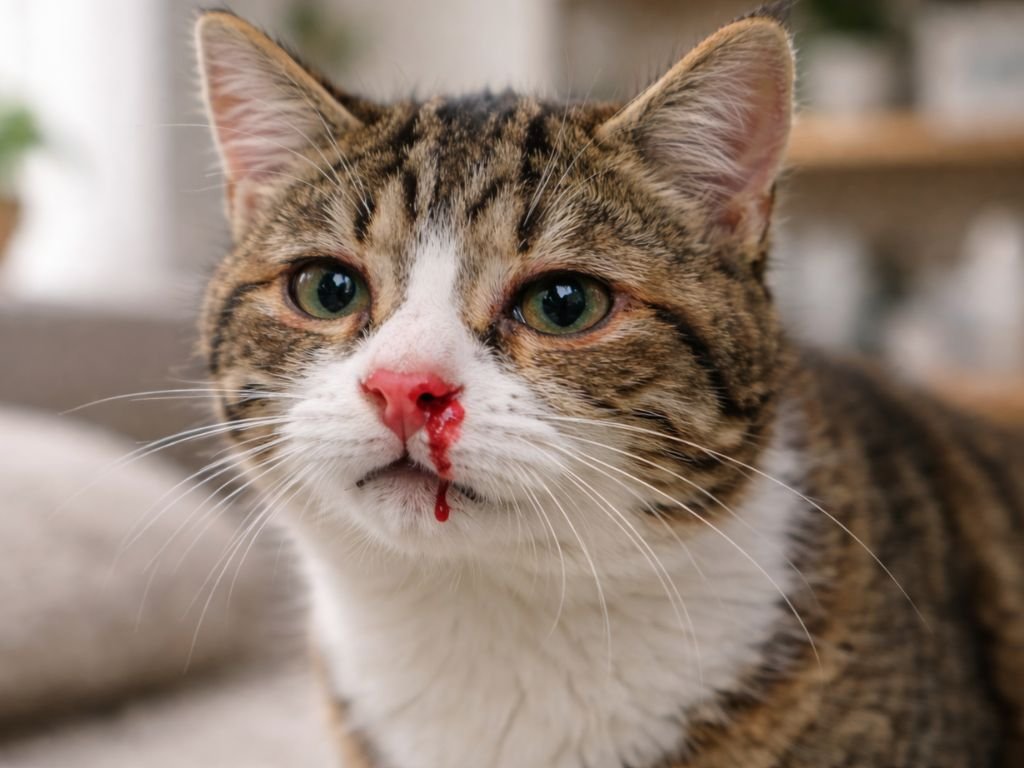
Sneezing with blood in cats is a very strong indicator of an emergency. Cats have signs of severe illness, which include persistent sneezing, discharge, difficulty breathing, or swelling around the nose. Though the isolated sneezing attacks of even indoor cats should be monitored for changes in the sneezing pattern or severity of the cat.
How Veterinarians Diagnose Sneezing in Cats
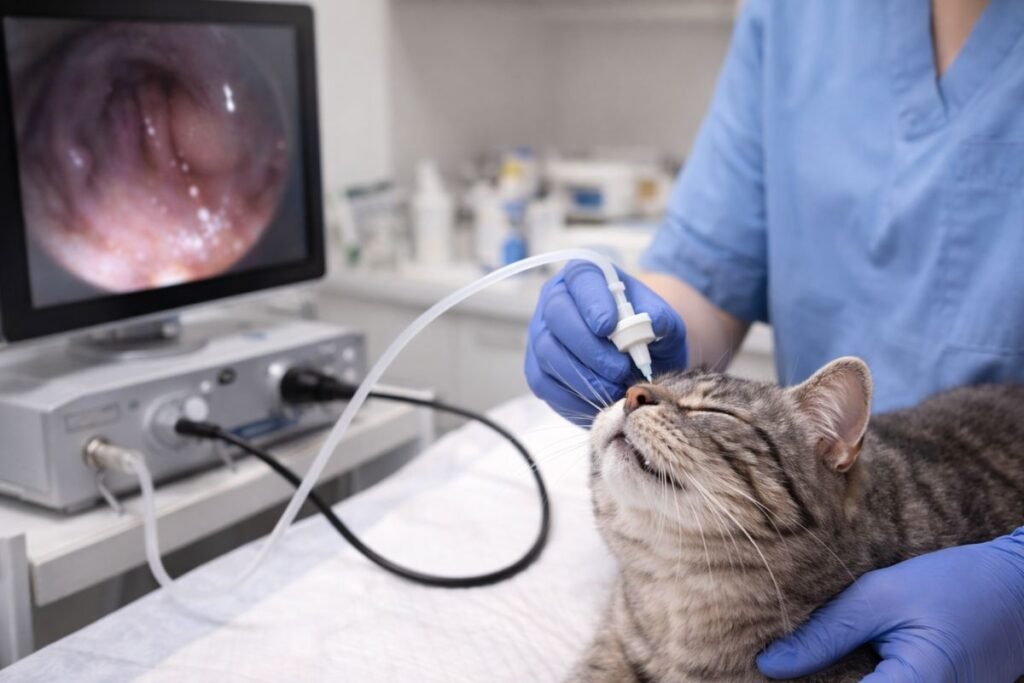
Vets usually use a mix of exams and tests to find the real reason behind the cat’s sneezing. The health check of a cat examines the nose, teeth, and throat. Both imaging (X-rays or CT scans) are used to identify sinus infections or tumors in a cat. More complex cases might need a nasal biopsy in cats or rhinoscopy in cats.
In some instances, a nasal flush in cats is carried out to eliminate foreign bodies. Viral or bacterial infections are detected in blood tests. Recording a video of your cat sneezing may assist the veterinarians in differentiating between the sneezing in the cats and reverse sneezing. Effective relief for cat sneezing always depends on an accurate diagnosis.
Treatment Options for a Sneezing Cat
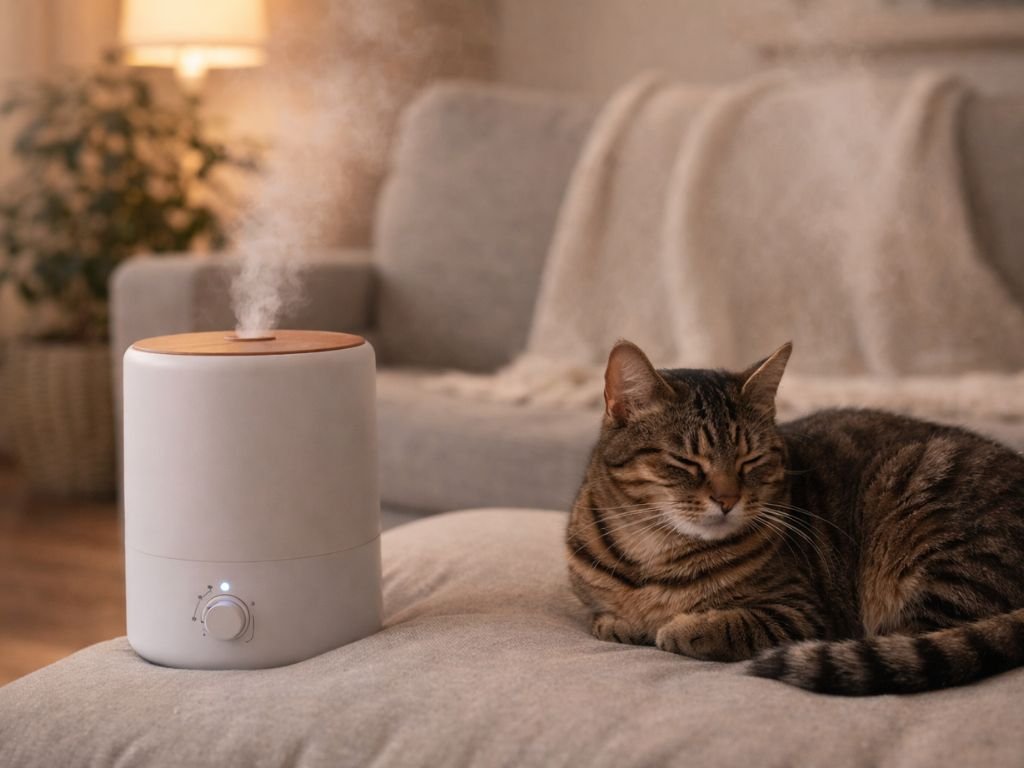
Therapy is based on the causative factor. Cat respiratory infections are usually treated with antibiotics, antivirals, or L-Lysine supplements for cats. Exposure to cat environmental irritants can be reduced through the use of air filters to control allergies.
Chronic diseases such as chronic rhinitis among cats might require steroid therapy for cats or the use of anti-inflammatory drugs for cats. Home remedies include using a humidifier to help cats breathe comfortably and reduce nasal congestion. Dental disease can be relieved, and the extraction of severe cases of dental infections and sneezing can be performed. The goal is not to hide symptoms, but to treat the real cause behind the sneezing.
When to Take Your Cat to the Vet
You need to have your cat visit the vet when he is sneezing regularly, sneezing in the night, or sneezing with blood. Symptoms of severe disease in cats, such as lack of energy, lack of appetite, or nasal congestion, must never be overlooked. Cats that suddenly sneeze repeatedly may have viral, bacterial, or fungal infections, even when they live indoors.
If your cat looks tired, refuses food, or struggles to breathe, don’t wait. A vet visit can save your cat from serious trouble. It is better to treat the upper airway infection of a cat, dental disease, or tumors as early as possible, enhance the recovery process, and minimize complications. Quick action will help you to make sure that your cat gets the appropriate cat sneezing relief and avoid serious health complications later.
Preventing Cat Sneezing
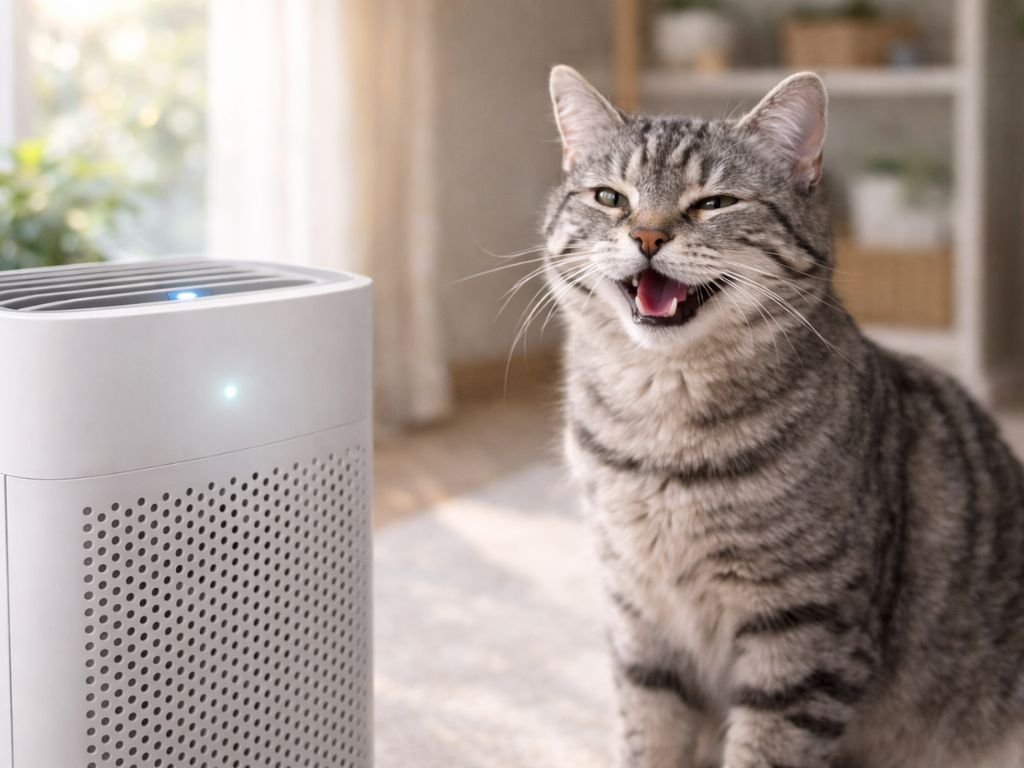
The first stage of prevention is to limit the environmental irritants of the cat. Clean your house, do not smoke, and use air purifiers. Some of the cat vaccinations are against feline calicivirus and cat influenza, and frequent brushing minimizes the number of hairballs, which cause sneezing. The quality and low-allergen food will assist in avoiding post-meal sneezing.
Periodic checkups by vets enable one to detect chronic rhinitis among cats or dental problems. By keeping the environment clean and safe, triggers are kept at a minimum to ensure your cat has a happy, sneeze-free life. Having a regular sneezing pattern in the cat will see you pick up problems at an early stage.
Table: Common Causes and Treatments for Cat Sneezing
| Cause | Common Symptoms | Recommended Treatment |
| Feline calicivirus | Sneezing, eye discharge, lethargy | Antivirals, L-Lysine supplements for cats |
| Cat influenza | Sneezing, nasal discharge, mild fever | Supportive care, vet monitoring |
| Allergies in cats | Sneezing, itchy nose, watery eyes | Reduce irritants, such as a humidifier for cat congestion |
| Dental disease | Sneezing while eating, nasal discharge | Treat dental infection, antibiotics for cats |
| Chronic rhinitis in cats | Persistent sneezing, nasal inflammation | Steroid treatment for cats, anti-inflammatory drugs for cats |
| Nasal tumors | Sneezing with blood, nasal blockage | Rhinoscopy for cats, surgery |
Understanding why your cat sneezes helps you act early, reduce stress, and keep your cat healthy and comfortable. This guide helps USA cat owners understand chronic vs acute sneezing, home care, and when to call a vet. Observing a cat’s sneezing habits and symptoms results in a healthy and happy pet.
FAQs About Cat Sneezing
When should I be concerned about my cat sneezing?
You should worry if sneezing lasts several days or comes with lethargy, appetite loss, discharge, or breathing trouble.
How do I help my sneezing cat?
Keep the air clean, remove irritants, use a humidifier, and visit the vet if sneezing doesn’t improve.
Why is an indoor cat sneezing?
Indoor cats can sneeze due to dust, perfume, smoke, cleaning sprays, or hidden mold inside the home.
Why has my cat suddenly started sneezing a lot?
Sudden, frequent sneezing often points to an infection, allergy, stress, or a new environmental trigger.