Cats are playful, curious, and often full of surprises—but nothing alarms a cat owner more than seeing their furry friend vomit. Why is my cat throwing up is a question many pet parents ask when they notice sudden or repeated vomiting. While occasional hairballs or minor stomach upsets can be normal, frequent vomiting may signal serious health issues.
Observing your cat’s behavior, appetite, and activity is crucial. Understanding the underlying causes and patterns of cat vomiting helps you decide whether home care is sufficient or a visit to the cat emergency vet is necessary. Recognizing warning signs early can protect your cat’s health.
Understanding Cat Vomiting
Cat vomiting is natural. Mostly. A mechanism to clear the stomach. But not always harmless. Cat vomiting after eating too fast, hairballs, and minor stomach irritation. You notice behavior, appetite, and activity. Cat nausea, lethargy, and digestive issues—these are clues to more serious conditions.
Some cats vomit occasionally due to cat hairballs. Sometimes, cats vomit because of stress. New furniture, new family members, or loud noises can trigger it. Even a small change in treats or food can upset sensitive cats. Frequent vomiting? Signals chronic problems. Observe. Morning vomiting? Empty stomach. After meals? Could indicate cat food intolerance or cat gastrointestinal disorders. Patterns matter. Spot them early. Helps decide if you need a cat emergency vet.
Sometimes cats vomit due to stress. New furniture. New family member. Even loud noises. Sensitive cats react quickly. Observing these small cues helps identify the causes of cat vomiting before they become serious.
How Much Vomiting is Normal vs. Too Much?
Occasional vomiting? Usually fine. Cats groom. Swallow hair. Throw up once in a while? Relax. But vomiting more than once a week? Multiple times a day? Red flag. Especially if you notice lethargy, loss of appetite, or cat dehydration signs.
Distinguish cat vomiting from coughing. Vomiting involves stomach contractions. Expels food, foam, and bile. Coughing is dry, hacking, and respiratory. Misdiagnosis can waste time. Quick recognition prevents emergencies like a cat vomiting blood.
One story: Ginger, a Maine Coon, vomited clear liquid every morning. The owner thought it was normal. The vet discovered mild gastritis. Diet changes fixed it. Lesson? Recognize patterns early. Frequency matters.
Types of Cat Vomit and What They Mean
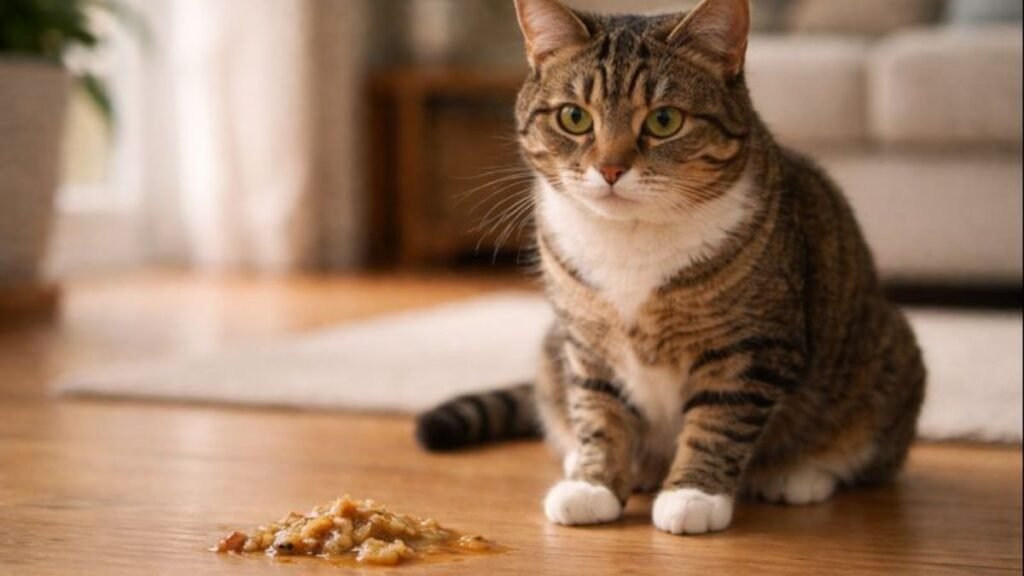
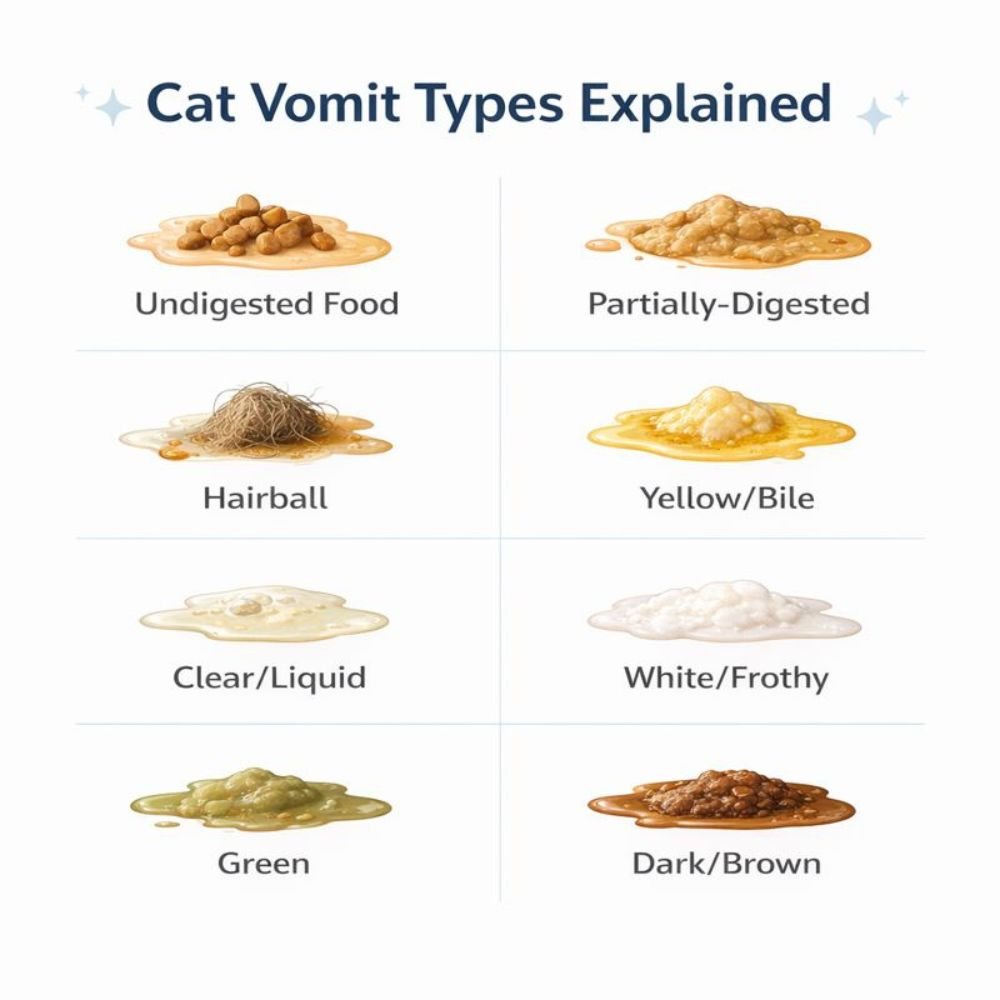
Cats vomit in different ways. Each type tells a story. Cat vomiting white foam? Often, an empty stomach or mild gastritis. Undigested food? Cat food intolerance or blockage. Clear liquid? Acid or saliva. Blood? Emergency. Ulcers. Tumors. Severe cat gastrointestinal problems.
| Vomit Type | Possible Causes |
| White Foam | Empty stomach, mild gastritis |
| Undigested Food | Eating too fast, cat food intolerance |
| Hairballs | Grooming, cat digestive issues |
| Blood | Ulcers, tumors, and emergency conditions |
| Clear Liquid | Stomach acid, saliva, and cat nausea |
| Yellow/Bile | Empty stomach, bile reflux, liver disease |
| Mucus | Esophageal irritation |
| Foreign Objects | Parasites, harmful ingestion |
Reading cat vomiting types and colors helps determine severity. Home care or vet visit? Pattern recognition is key. Clear liquid vomiting in young cats often happens due to sudden diet changes or mild nausea.
Extra tip: Keep a small notebook. Note what your cat vomits, the time, and the frequency. This helps vets diagnose faster.
Common Causes of Cat Vomiting
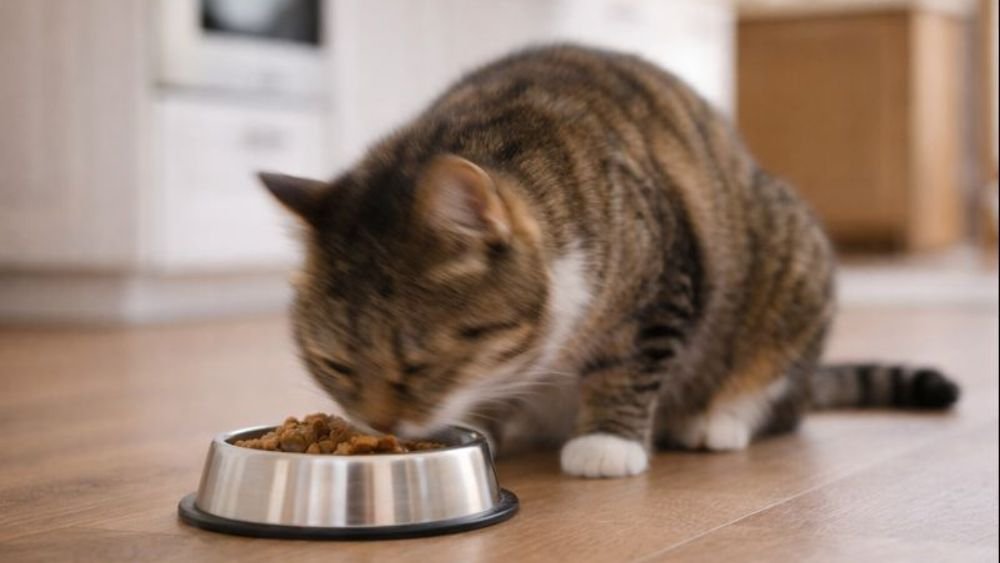
Causes of cat vomiting are many. Diet. Feeding behavior. Hairballs can irritate the stomach if not expelled properly. Allergies to certain foods or toxins can also trigger vomiting. Parasites like worms may cause frequent vomiting and require medical attention. Eating fast. Overeating. Cat feeding behavior affects vomiting. Hairballs. Allergies. Toxins. Foreign objects. Chronic illnesses: kidney, liver, pancreas. A cat vomiting frequently needs attention.
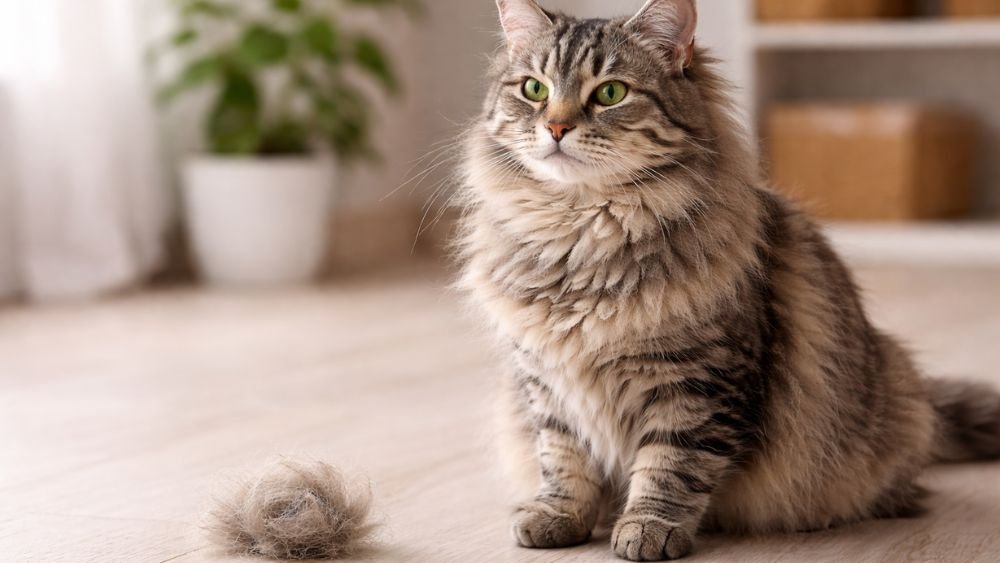
Parasites. Gastrointestinal infections. Inflammatory conditions. Sudden behavior or appetite change? Don’t blame hairballs automatically. Cat vomiting due to hairballs isn’t always the cause. Spot the root problem. Ensure proper cat vomiting treatment. Avoid complications.
Cats are creatures of habit. Sudden cat diet changes can shock the stomach. Even switching from wet to dry food too fast can trigger vomiting. Cat vomiting after meals often signals diet intolerance.
Stress is also a culprit. Cats in shelters often vomit due to anxiety. New pets or kids can stress them. Monitoring behavior helps identify triggers.
When to Be Concerned About Your Cat Throwing Up
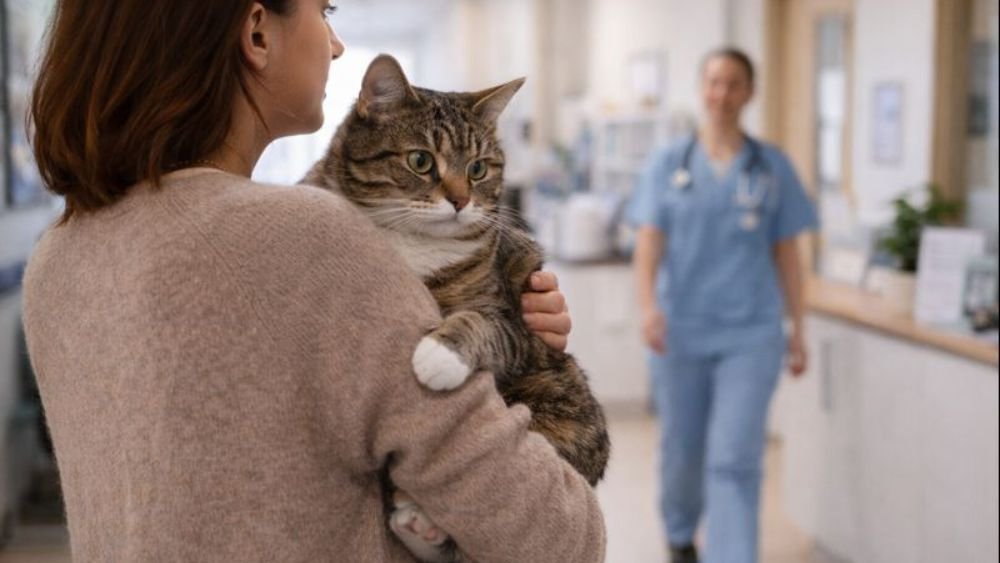
Persistent vomiting? Blood? Lethargy? Dehydration? Warning signs. Frequent cat vomiting warning signs mustn’t be ignored. Contact a cat emergency vet fast.
Chronic vomiting may signal serious cat gastrointestinal problems. Observe the cat’s vomiting frequency and patterns, appetite, and cat illness signs. Early intervention prevents complications. Saves lives.
Story: Milo, a Siamese, vomited foam every morning. The owner thought of hairballs. The vet diagnosed kidney disease. Early treatment saved Milo’s life. Moral? Patterns matter. Act fast.
How Veterinarians Diagnose the Cause
Vets follow detailed steps. Physical exam. Observe the cat’s feeding behavior, hydration, and condition. Blood tests. X-rays. Ultrasound. Fecal tests. Detect cat gastrointestinal disorders and rule out parasites.
Diet trials help find cat food intolerance. Severe cases? Endoscopy, biopsies. Understanding the process prepares owners. Ensures effective cat vomiting treatment.
Vets may also watch for cat vomiting after meals, patterns, stool consistency, and activity. Combining all observations improves diagnosis accuracy.
Treatment Options for Cat Vomiting
Mild vomiting? Home care often works. Withhold food few hours. Small water amounts. Bland diet. Cat slow feeding prevents overeating. Hairball remedies reduce cat vomiting due to hairballs.
Severe vomiting? Vet care. IV fluids for cat dehydration signs. Anti-nausea meds. Hospitalization if needed. Surgery or endoscopy for a cat vomiting blood emergency. Timely action ensures the best outcome.
Case study: Bella, a Persian, vomited undigested food daily. Vet started slow-feeding, changed diet, and gave anti-nausea meds. Now, Bella rarely vomits. Lesson? Early intervention works.
Prevention Tips for Cat Vomiting
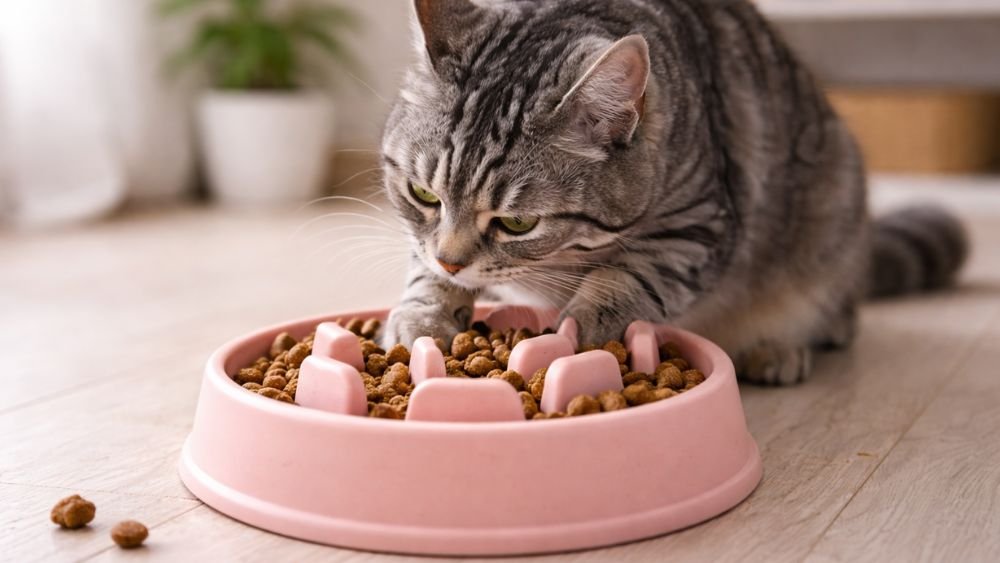
Prevention is key. Diet. Lifestyle. Small, frequent meals. Slow-feeder bowls. Brush regularly. Reduces cat hairballs. Keep toxins and small objects away. Gradual cat diet changes prevent upset stomach. Hydration is essential. Routine checkups monitor the cat’s gastrointestinal problems.
Observe the cat’s vomiting frequency and patterns. Early action prevents serious issues. Cat vomiting prevention works if consistent.
Extra tip: Use puzzle feeders. Helps cats eat more slowly. Prevents vomiting. Keeps them mentally engaged, too.
Final Thoughts
Vomiting ranges from minor hairballs to emergencies. Knowing cat vomiting causes, types, and treatments helps owners act fast. Chronic vs. acute vomiting in cats shows severity. Observation, diet management, and timely vet care = healthy cats. Never ignore frequent cat vomiting warning signs. Blood? Odd behavior? Don’t wait.
Early action ensures health, comfort, and happiness. Awareness and prevention manage cat digestive issues. Keep your feline safe.
Stories, careful observation, and small changes make a huge difference. Your cat trusts you. Protect them.
FAQs
When should I be concerned about my cat throwing up?
If vomiting is frequent, contains blood, or comes with lethargy, loss of appetite, or dehydration, you should contact a cat emergency vet immediately.
What color throw-up is bad for cats?
Red (blood), black, or coffee-ground-like vomit signals serious issues and requires urgent veterinary care.
Why does my cat vomit but act normal?
Occasional vomiting can be caused by hairballs, minor stomach upset, or eating too fast, even if your cat seems healthy.
Why do indoor cats puke?
Indoor cats may vomit due to diet changes, hairballs, stress, or minor digestive issues, even without outdoor hazards.