Seeing blood in cat urine can instantly worry any pet owner. You might notice subtle cat urine color changes, like pink or red shades, or even spots in the litter box. This condition, often linked to cat urinary problems, may appear suddenly or develop over time. While some causes are mild, others, like feline urinary tract issues or a cat bladder infection can become serious if ignored.
Many cats hide pain well, so early signs are easy to miss. That’s why paying attention to behavior, litter habits, and urine appearance is so important. Understanding what’s happening helps you act quickly and protect your cat’s health.
What Does Blood in Cat Urine Look Like? (Early Signs Most Owners Miss)

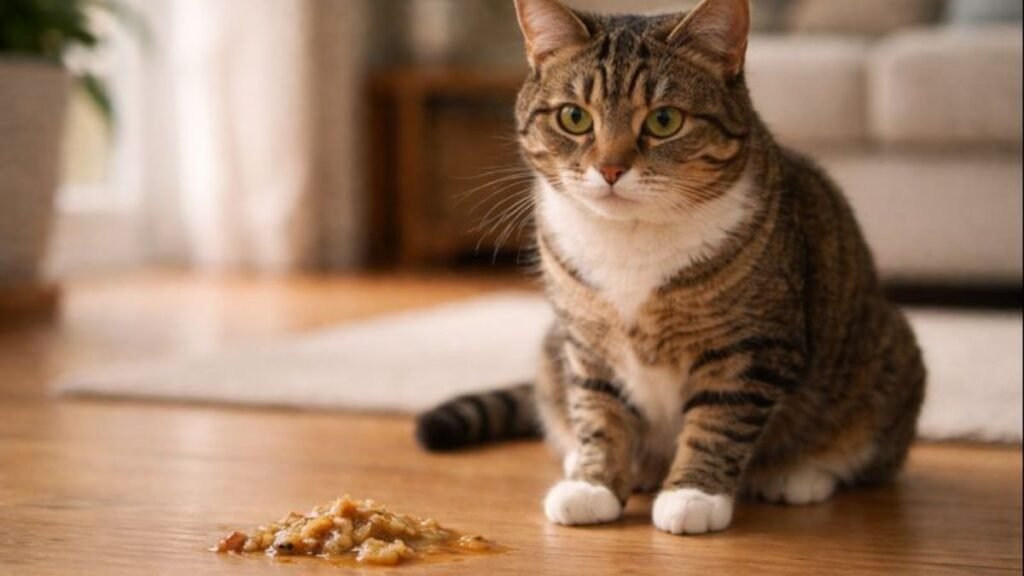
You might first notice subtle cat urine color changes. Instead of pale yellow, urine may appear pink, orange, or darker than usual. In some cases, pink urine in cats, red urine in cats, or even brown urine in cats shows up suddenly, which signals internal irritation.
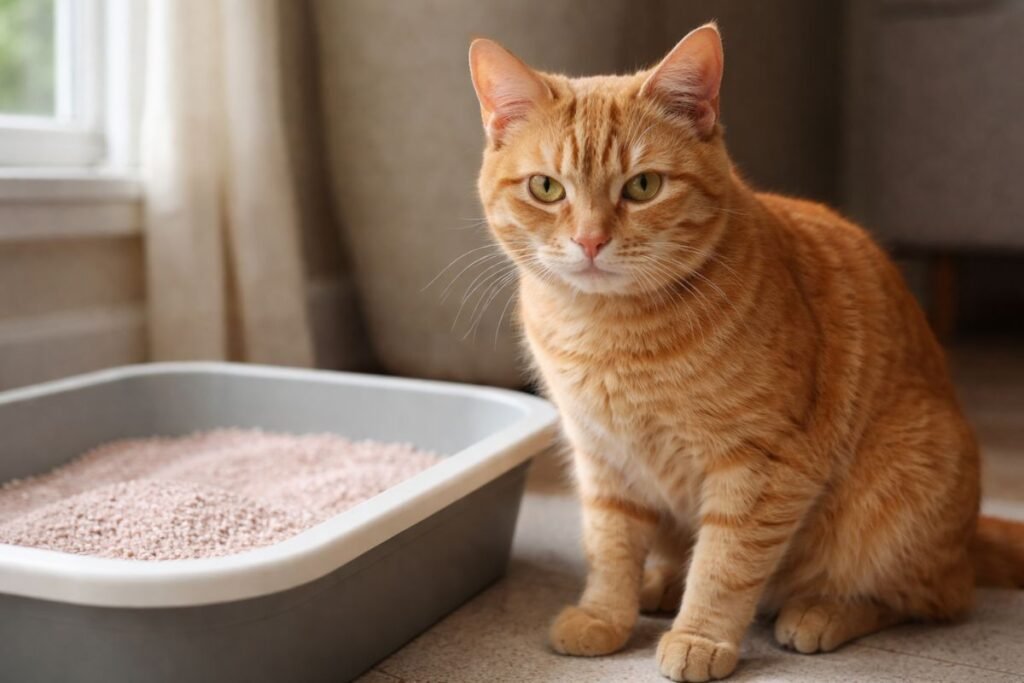
Sometimes, the change is barely visible. You may only notice cat litter box problems like strong odor or clumping differences. These small shifts often go unnoticed, yet they are early signs of blood in cat urine that demand attention.
Common Symptoms That Appear Alongside Bloody Urine
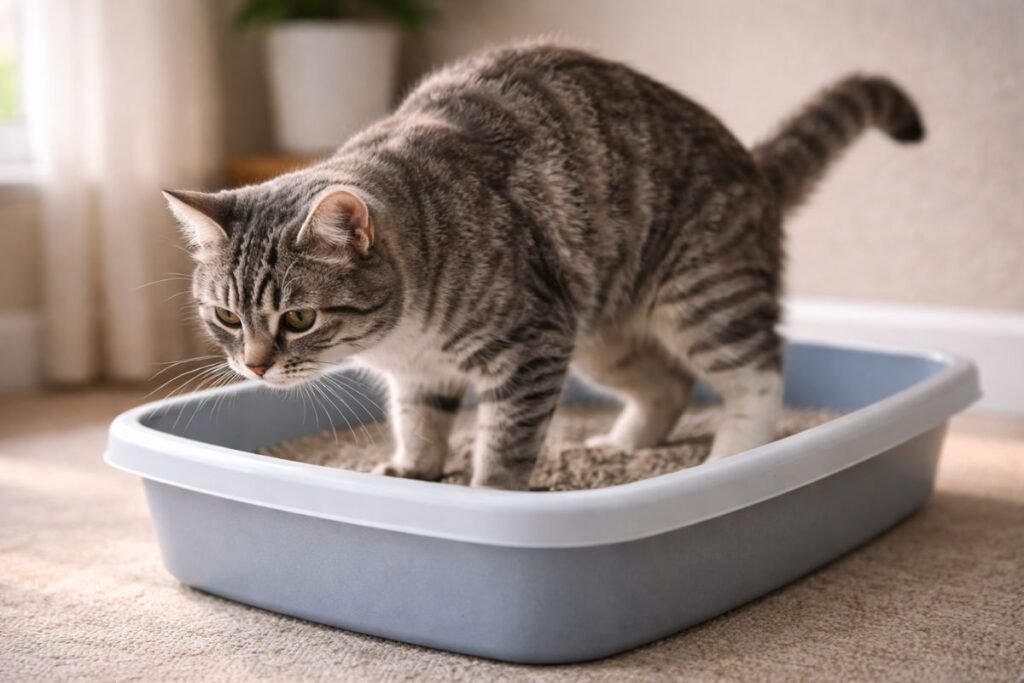
When cat peeing blood occurs, other symptoms usually follow. You may see a cat straining to urinate, or notice frequent urination in cats with very little output. These signs often point toward irritation or blockage in the urinary tract.
Some cats show subtle changes like low energy or reduced appetite. Others may cry while urinating. These symptoms often connect with a cat bladder infection or urinary tract infection in cats (UTI), both of which require quick care.
Top Causes of Blood in Cat Urine (Explained Clearly)
The most common cause is feline idiopathic cystitis (FIC), which links directly to stress and urinary tract inflammation. It affects the bladder lining and causes sudden discomfort without infection. This condition is part of feline lower urinary tract disease (FLUTD).
Other causes include bladder stones in cats, kidney stones in cats, or bacterial infection in cats. More serious cases involve chronic kidney disease in cats, renal lymphoma in cats, or pyelonephritis in cats. Even dehydration in cats and urine pH imbalance can trigger problems.
Is Blood in Cat Urine an Emergency? (When to See a Vet Immediately)

Yes, in many cases, blood in cat urine can be an emergency. This is especially true if your cat cannot urinate. A cat urinary blockage can become fatal within hours, particularly in male cats.
Watch closely for urethral blockage in male cats. Signs include repeated litter box visits, no urine output, and visible pain. These male cat urinary blockage symptoms require urgent care. Waiting too long can lead to severe complications.
What to Do Immediately If Your Cat Is Peeing Blood
First, stay calm and observe. If you see a cat peeing blood, note behavior changes and litter habits. Avoid guessing treatments at home. Instead, contact a vet quickly for proper guidance.
You can try a safe cat urine sample collection using a clean container. This helps speed up veterinary diagnosis for cats. Avoid giving medications without advice. Acting early improves outcomes and reduces suffering.
How Veterinarians Diagnose the Cause
Vets begin with a full exam and history check. They study diet, stress levels, and symptoms. Then they perform a urinalysis test to detect blood, bacteria, or crystals.
Further testing may include abdominal ultrasound for cats or imaging scans. In complex cases, a cystoscopy procedure helps view the bladder directly. These tools allow accurate diagnosis of blood in cat urine.
Treatment Options Based on the Cause
Treatment depends on the root issue. For infections, vets use antibiotic treatment for cats. For dehydration or severe illness, fluid therapy for cats helps restore balance.
If stones are present, surgery or special diets may be required. Stress-related cases like feline idiopathic cystitis (FIC) need environmental changes. Understanding how to treat blood in cat urine depends entirely on the diagnosis.
Can You Treat Blood in Cat Urine at Home? (What Actually Helps)
Some mild cases improve with hydration and stress reduction. Increasing water intake helps support bladder health in cats. Wet food diets also reduce risks linked to dehydration in cats.
However, home treatment for cat peeing blood has limits. If symptoms persist or worsen, professional care is necessary. Ignoring serious signs can lead to cat urinary blockage or long-term damage.
How to Prevent Blood in Cat Urine (Long-Term Care Plan)

Prevention starts with hydration and low stress. Clean litter boxes reduce cat litter box problems and encourage regular urination. A calm environment lowers the risk of feline urinary tract issues.
Balanced diets maintain the proper anatomy and function of the cat’s urinary system. Regular vet visits help detect early signs of cat kidney disease. If you wonder how to prevent urinary problems in cats, consistency is key.
Frequently Asked Questions About Blood in Cat Urine
Many owners ask, “Why is my cat peeing blood but acting normal?” In the early stages, symptoms may be hidden. That’s why regular observation matters.
Another common concern is whether blood in cat urine an emergency. The answer depends on severity, yet caution is always wise. You may also ask how long does hematuria last in cats. Recovery varies, but early treatment shortens healing time.
Is blood in cat urine an emergency?
Yes, it can be—especially if your cat isn’t urinating, seems in pain, or is a male cat, as blockage can become life-threatening quickly.
Can blood in urine go away on its own?
Sometimes mild cases improve, but you shouldn’t rely on it—most causes need proper diagnosis and treatment.
Can cats recover with blood in urine?
Yes, with early treatment and proper care, most cats recover fully, depending on the underlying cause.
Quick Comparison Table: Causes vs Symptoms
| Cause | Common Symptoms | Severity Level |
| FIC | Pain, frequent urination | Moderate |
| UTI | Burning, odor, discomfort | Moderate |
| Bladder stones | Straining, blockage risk | High |
| Kidney disease | Weight loss, lethargy | High |
| Urinary blockage | No urine, extreme pain | Emergency |
Final Thoughts
Blood in cat urine should never be ignored. Even mild symptoms can hide serious conditions. By understanding signs, causes, and treatment options, you protect your cat’s health.
Stay observant. Act quickly. And always prioritize your cat’s comfort and care.