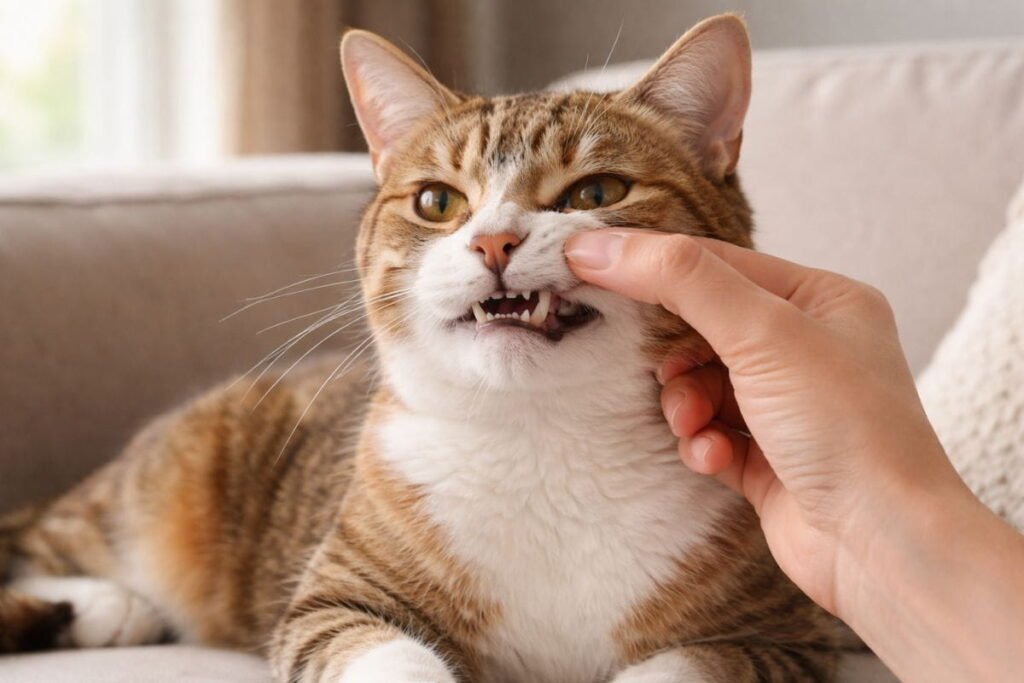
If you want to understand your cat’s oral health, a cat dental chart is the best place to start. Knowing how to read a cat teeth diagram or a feline dental chart can help you spot problems early. From kittens to adults, tracking your cat’s teeth gives you insight into their overall health. Using a cat dental record allows you to monitor changes over time and ensures your furry friend gets the care they need.
Cats rely on healthy teeth for eating, grooming, and playing. A cat dental health chart helps identify issues like plaque and tartar buildup or gingivitis in cats before they become serious. Understanding the cat dental anatomy makes home checks easier and helps you communicate effectively with your veterinarian.
Understanding Your Cat’s Dental Anatomy
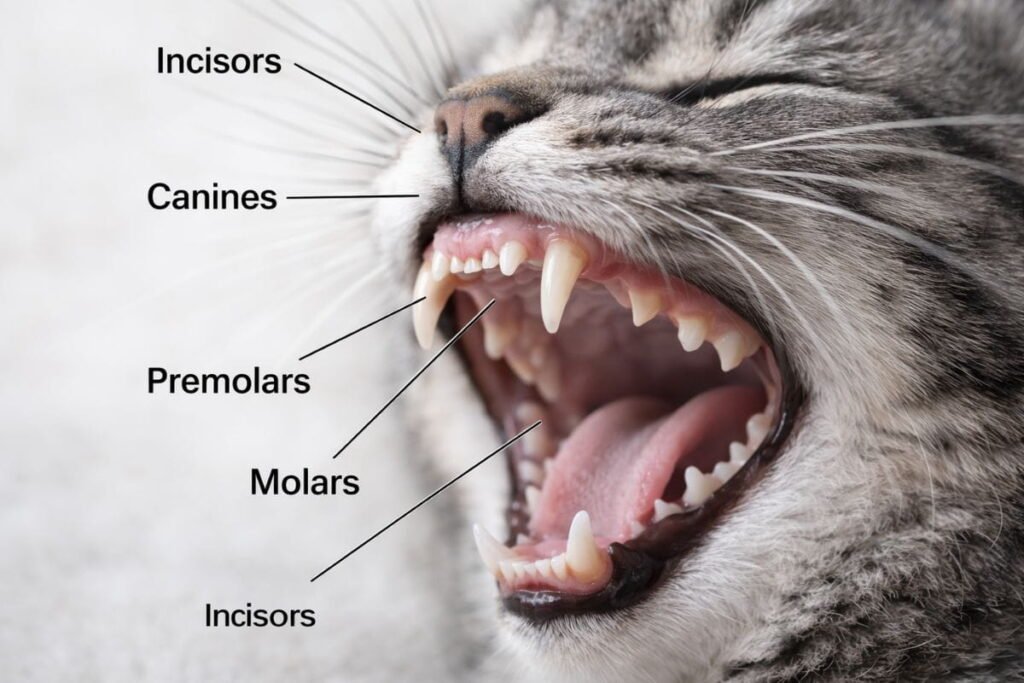
Cats have specialized teeth designed for hunting and eating meat. Their teeth types (incisors, canines, premolars, molars) serve different functions. The small incisors at the front are perfect for nibbling and grooming. The sharp canines tear meat, while the premolars and molars crush and grind food. A proper cat tooth chart adult shows all 30 teeth a mature cat has, while kittens have only 26.
A cat dental anatomy diagram is useful to identify each tooth’s function and position. Using cat tooth numbering helps veterinarians track extractions, injuries, or abnormalities. Even small differences in kitten teeth vs adult teeth can indicate developmental issues or dental disease, making early detection easier.
Cat Dental Chart Overview: Visual Guide
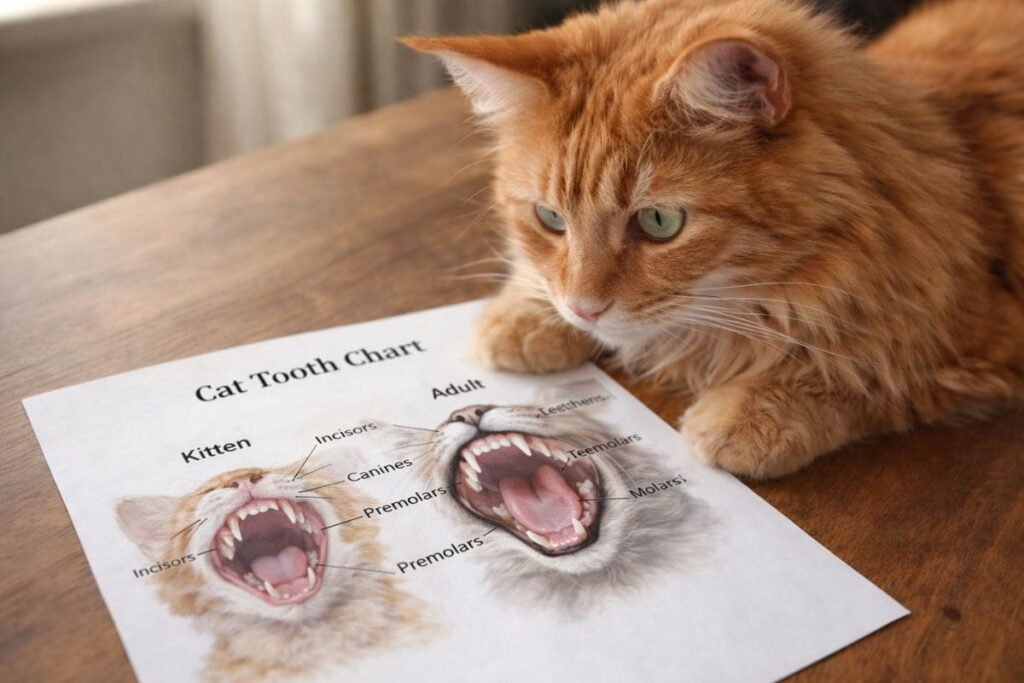
A visual cat teeth diagram labeled makes understanding your cat’s mouth simple. You can see which teeth belong to the upper or lower jaw and how many teeth are on each side. Feline dental charts often include kitten dental charts and adult versions for comparison.
For practical use, a cat tooth chart pdf can be downloaded or printed. It allows you to mark missing teeth, signs of wear, or discoloration. Combining a cat mouth chart with a veterinary dental chart ensures you have both home and professional records to track your cat’s oral health accurately.
Cat Dental Development Stages
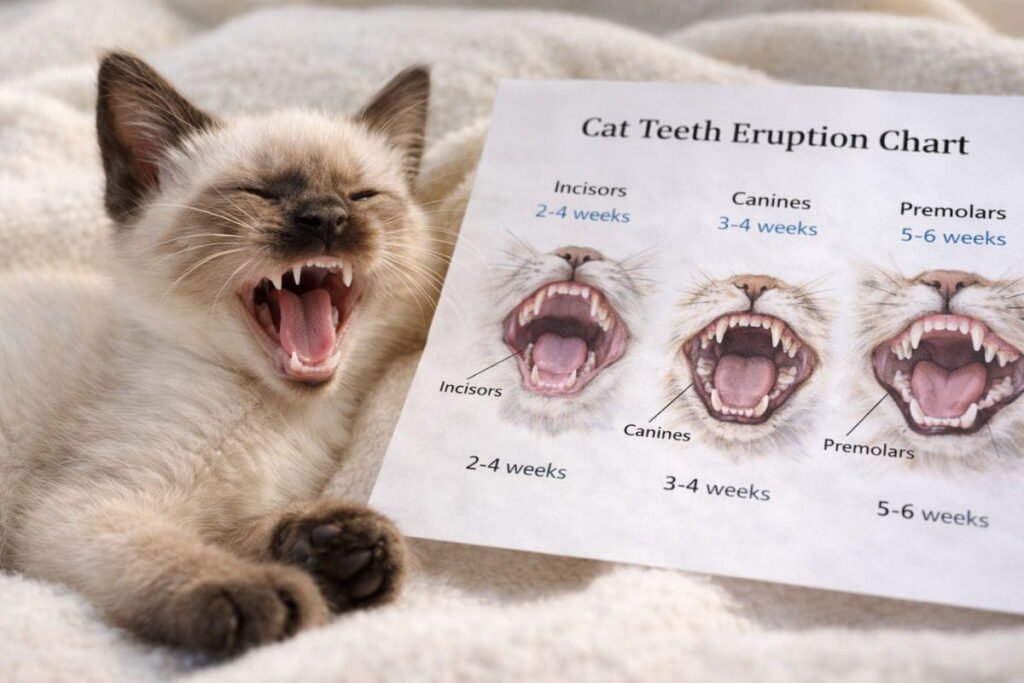
Kittens develop teeth in stages that are easy to follow using a cat teeth eruption chart. The first incisors appear around two to three weeks, followed by canines and premolars. By six months, most kittens have a complete adult set. Tracking this with a kitten dental chart can alert you if teeth are delayed or growing incorrectly.
Adult cats rarely gain new teeth, but tooth eruption issues can happen due to genetics or injury. Using a cat dental health chart lets you compare each stage and identify problems early. This helps ensure a smooth transition from kitten teeth vs adult teeth without discomfort or infection.
Common Dental Problems in Cats
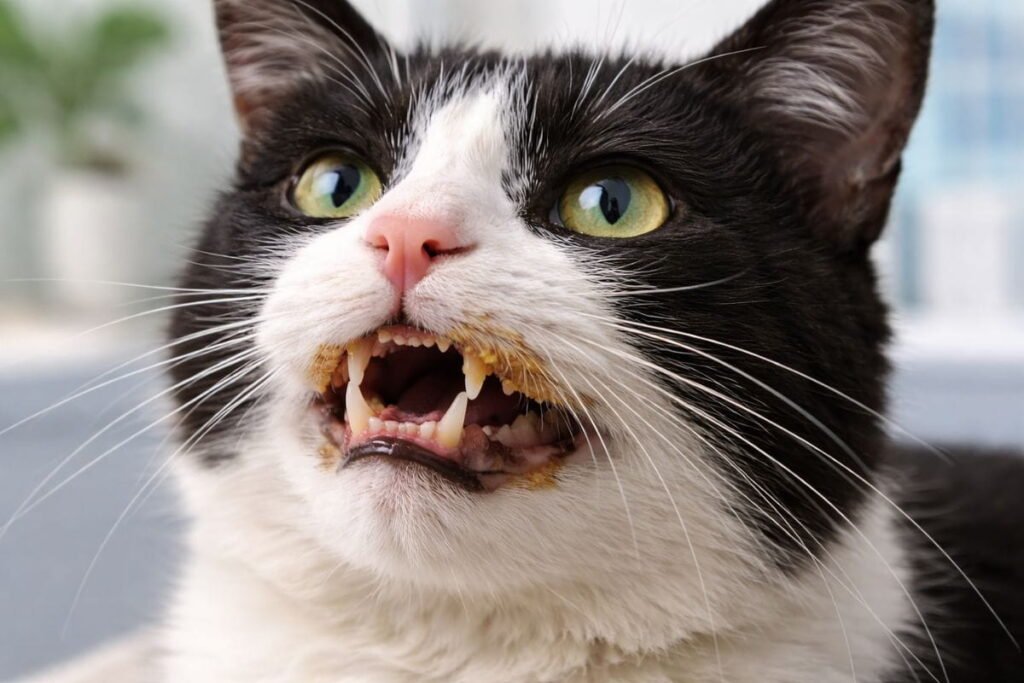
Cats can suffer from several dental problems that show up on a cat dental chart. Plaque and tartar buildup are common and can lead to gingivitis in cats. Over time, untreated gingivitis may cause tooth resorption, where the tooth structure slowly dissolves. Feline oral health issues also include fractures, abscesses, or misaligned teeth, all visible in a cat teeth diagram labeled.
A cat dental record helps you track symptoms like bad breath, drooling, or difficulty eating. Regular oral examination at home or by a vet, combined with dental check-up schedules, prevents these issues from worsening. Catching signs of dental disease early can save your cat pain and costly treatments later.
How to Use a Cat Dental Chart to Monitor Health
A cat dental chart is more than a diagram—it’s a tracking tool. Start by noting each tooth’s condition in a cat teeth guide or cat tooth chart adult. Take photos every few months to compare. Record any signs of wear, fractures, or swelling.
Use the chart to plan dental care tips like brushing, special diets, or scheduling veterinary dental chart appointments. By maintaining a cat dental record, you can spot changes early and provide your vet with an accurate history for better treatment decisions.
Age-Related Dental Changes in Cats
As cats age, their teeth naturally wear down. Senior cats may show more yellowing, tartar, or missing teeth on a cat dental anatomy diagram. Kitten teeth vs adult teeth changes are noticeable during this transition, and aging cats often need softer food or more frequent brushing.
A cat dental health chart helps track these changes. Regular dental check-up visits for older cats can prevent plaque and tartar buildup, gingivitis in cats, or tooth resorption. Preventive care ensures your cat maintains strong teeth and continues eating comfortably throughout life.
Cat Dental Care Tips and Preventive Practices
Daily teeth brushing for cats is the best way to prevent dental issues. Use soft-bristled brushes and pet-safe toothpaste. Adding dental treats or specially formulated diets supports preventive dental care. Professional cleanings every 6–12 months complement at-home routines.
Monitoring your cat dental chart while following dental care tips protects against signs of dental disease. Combining feline oral health practices like diet, brushing, and regular oral examination keeps your cat’s mouth healthy and prevents future pain.
DIY Dental Charts vs Veterinary Records
Maintaining a DIY cat dental chart at home is practical and educational. You can track missing teeth, color changes, or swelling and compare with a cat tooth chart pdf. This empowers you to notice changes between vet visits.
Veterinarians rely on veterinary dental chart records to track professional cleanings, extractions, or infections. Combining home cat dental record observations with vet records ensures a comprehensive view of feline oral health. Both approaches together give your cat the best preventive care.
Table: Cat Teeth Numbers and Types
| Tooth Type | Number (Adult Cat) | Function |
| Incisors | 12 | Nibbling, grooming |
| Canines | 4 | Tearing meat |
| Premolars | 10 | Cutting, crushing |
| Molars | 4 | Grinding food |
| Total | 30 | Complete adult teeth set |
FAQs and Myths About Cat Teeth
What does a feline dental chart show?
A feline dental chart shows all your cat’s teeth, their positions, and any problems like missing, worn, or damaged teeth.
How can I check my cat’s teeth at home?
Gently lift your cat’s lips and use a flashlight to look for plaque, tartar, swelling, or broken teeth while noting changes on a cat dental record.
Why is cat dental work so expensive?
Cat dental procedures require anesthesia, specialized veterinary dental chart tools, and careful cleaning, which makes treatments costly.
What does a rotten tooth look like on a cat?
A rotten tooth may appear discolored, broken, or blackened, sometimes with swelling, bad breath, or pus around the gum line.