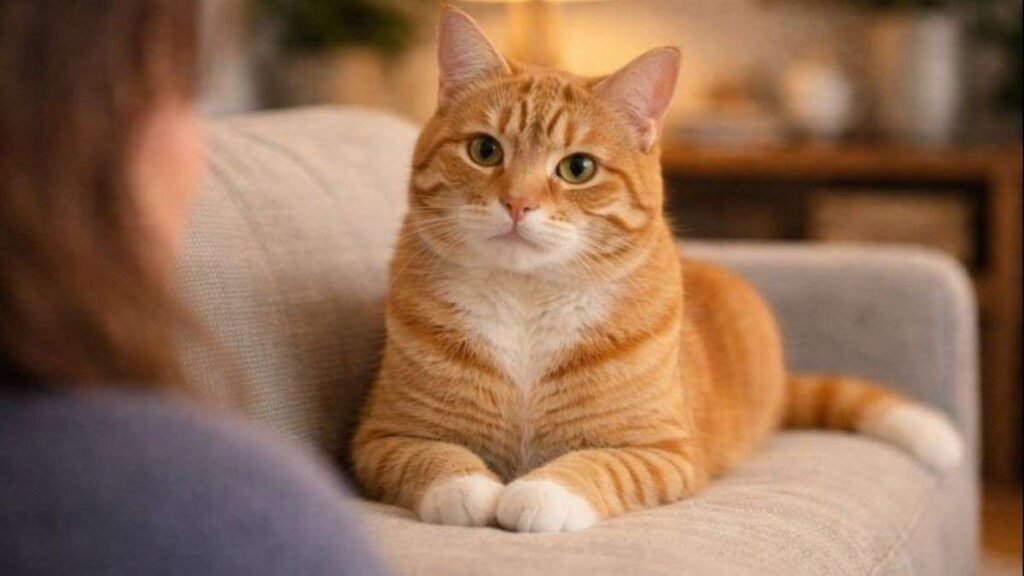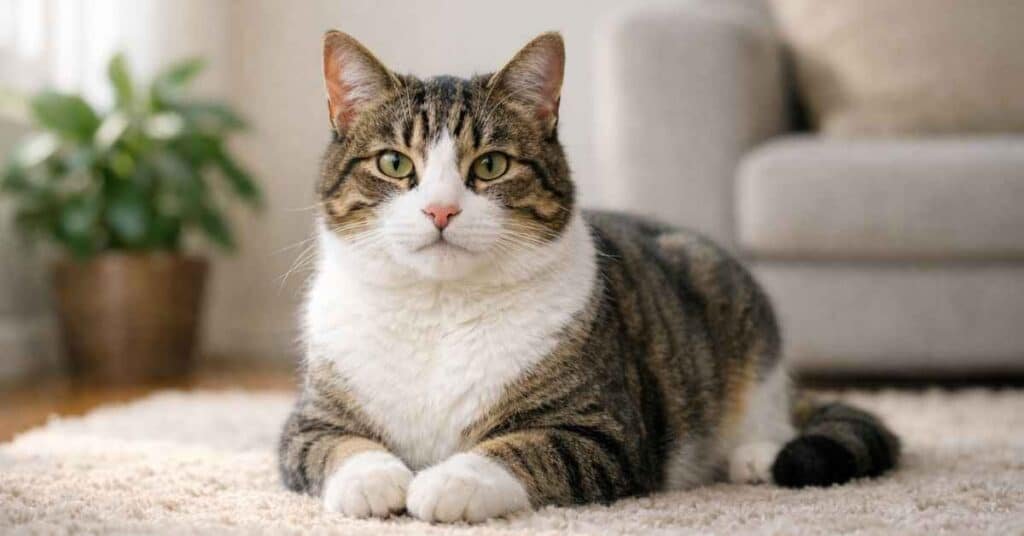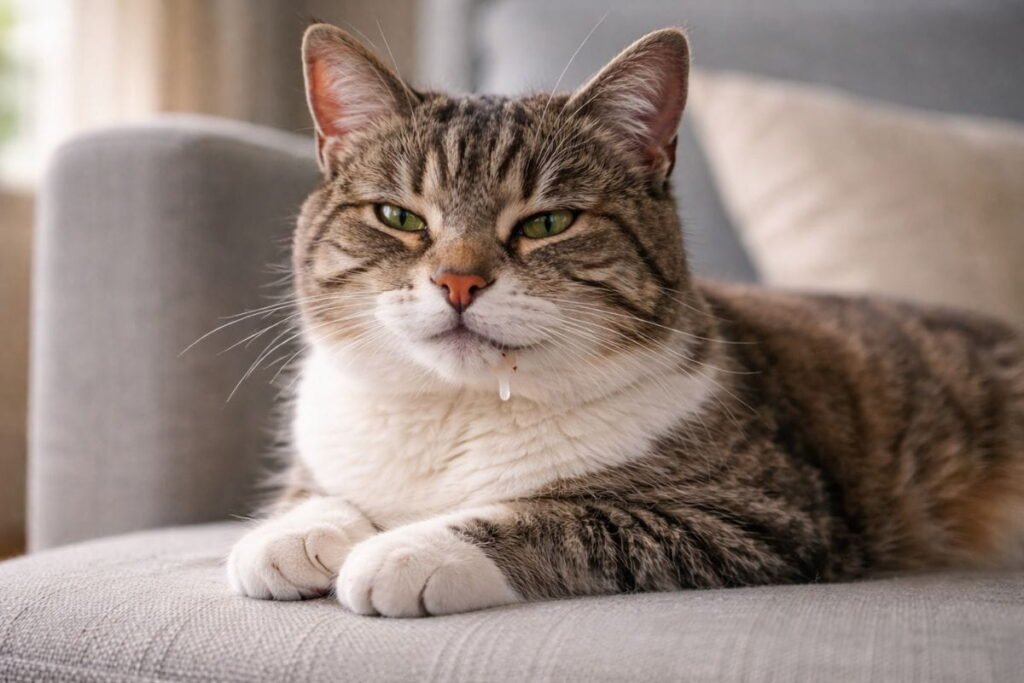
One evening while spending quiet time with one of my own cats, I noticed a small drop of drool while she purred in my lap. At first, I smiled because some cats drool when they feel completely relaxed and content. But it also reminded me that drooling isn’t always harmless. Over the past two years of researching feline health and caring for my own cats, I’ve found that drooling is only one part of the picture. Paying attention to your cat’s overall behavior, appetite, and energy level is usually far more helpful than focusing on drooling alone.
In many cases, mild drooling happens during purring, kneading, or after a tasty meal. However, excessive or sudden drooling can point to dental disease, nausea, toxin exposure, or other medical problems. This guide explains the most common causes, warning signs, and vet-approved solutions so you can confidently decide when to monitor your cat at home and when it’s time to contact your veterinarian.
Do Cats Normally Drool? Understanding What’s Normal
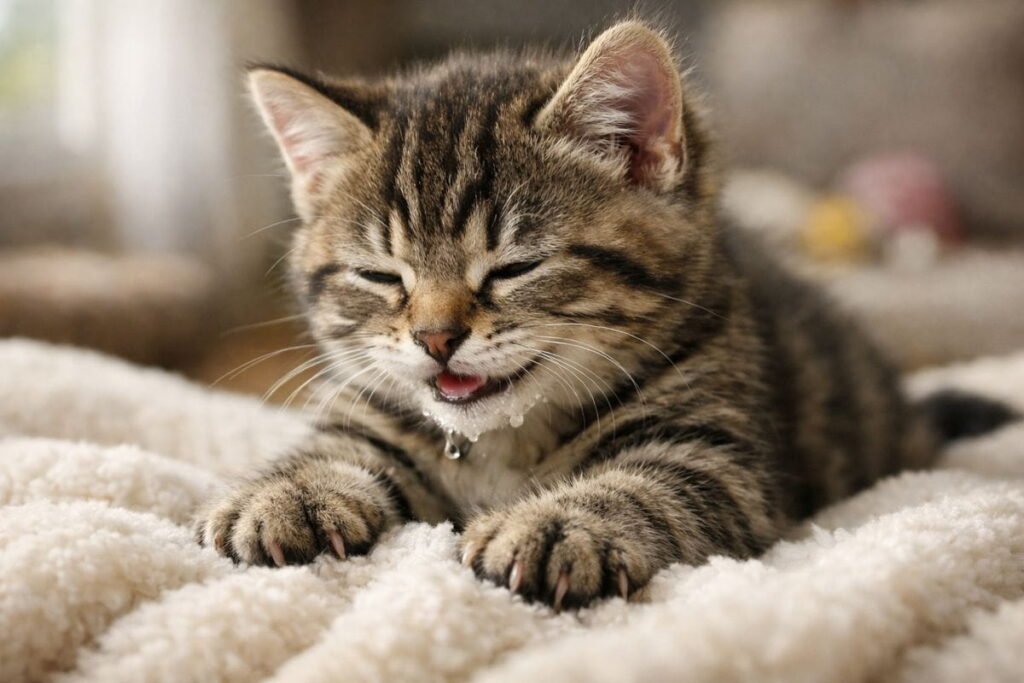
Many owners notice cat drooling while purring during quiet cuddle time. This happens when your pet feels safe and deeply relaxed. A cat drooling when kneading or cat making biscuits drooling often reflects kitten memories. For some cats, drooling becomes a true drooling sign of happiness in cats.
You may also see cat drooling when being petted or during naps. This gentle drooling when relaxed cat behavior usually stops quickly. If your cat seems healthy and happy, this mild feline hypersalivation is normal and doesn’t require a veterinary examination.
From my own experience caring for cats, I’ve noticed that relaxed drooling is usually brief and happens only during calm moments like purring or kneading. Once my cats get up, start playing, or eat normally, the drooling stops. If I ever notice it continuing for no clear reason or appearing alongside changes in appetite or behavior, I treat it as a sign to observe them more closely and, if needed, speak with my veterinarian.
Common Causes of Cat Drooling (From Mild to Serious)
Not all drooling means danger, but sudden changes matter. Mild triggers include excitement, cat drooling after eating, or cat drooling but acting normal. However, persistent excessive salivation may indicate underlying causes such as illness, injury, or toxin exposure.
If you’re wondering why is my cat drooling all of a sudden, look at the full picture. Behavior changes, appetite loss, or low energy often signal deeper problems. When drooling lasts more than a day, schedule a routine wellness exam or an annual vet checkup.
Dental and Oral Problems: The Most Frequent Cause
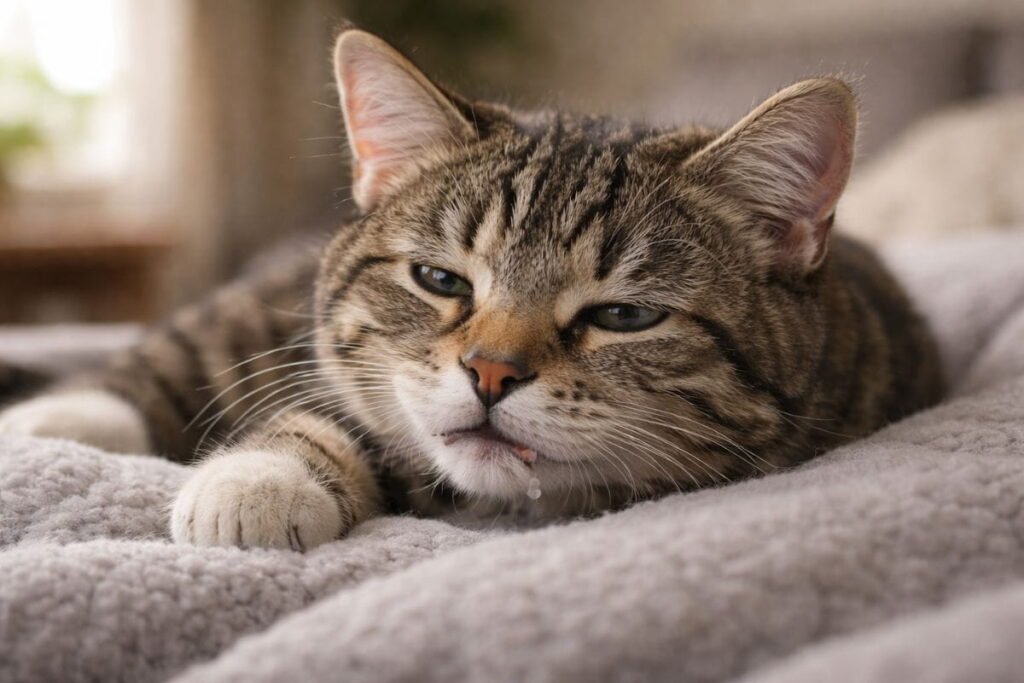
Dental problems are the most common cause of drooling in adult cats. Common issues include dental disease in cats, gum disease in cats, mouth ulcers in cats, and tooth resorption in cats. These painful conditions create severe oral pain in cats and lead to constant feline dental problems.
Watch for cat drooling and bad breath, bleeding gums, or food dropping while eating. Many cats need professional dental cleaning under general anesthesia for cats. Early care prevents infection and protects long-term health.
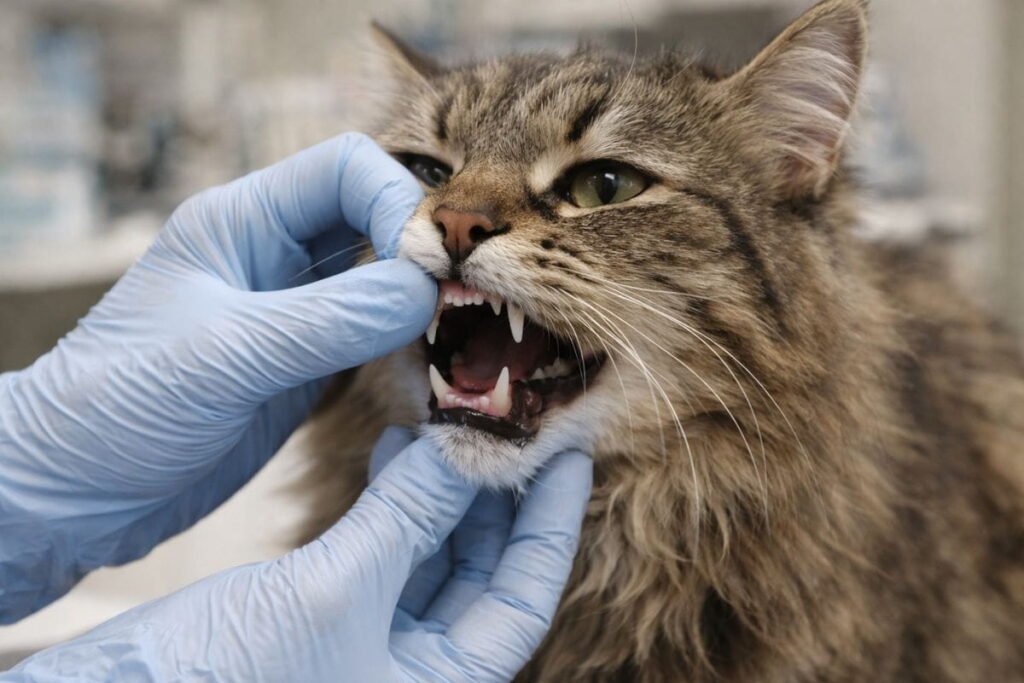
How to Safely Check Your Cat’s Mouth at Home
You don’t need to perform a full oral exam at home, but a quick visual check can sometimes reveal obvious problems. Choose a time when your cat is calm and avoid forcing the mouth open if they’re resisting or in pain.
Look for:
- Red or swollen gums
- Yellow or brown tartar on the teeth
- Broken or loose teeth
- Bleeding from the mouth
- A strong, unpleasant odor
- Swelling around the lips or jaw
Common Dental Causes Table
| Condition | What You May Notice |
| Gum infection | Red, swollen gums |
| Tooth damage | Dropping food, chewing on one side |
| Oral ulcers | Pawing at the mouth |
| Resorption | Sudden pain while eating |
Medical Conditions Linked to Excessive Drooling
Internal illness often explains ongoing excessive salivation. Digestive upset causes nausea in cats symptoms, including lip licking, vomiting and drooling. Chronic illness, such as kidney disease in cats signs may also appear with drooling.
Other hidden causes include gastrointestinal problems in cats, internal parasites in cats, and sudden loss of appetite in cats. A full veterinary examination with blood tests and diagnostics, and organ function testing helps identify the root cause.
Common Medical Conditions That Can Cause Drooling
| Condition | Other Signs You May Notice |
|---|---|
| Kidney disease | Bad breath, weight loss, drinking more water |
| Liver disease | Yellow gums or eyes, poor appetite |
| Nausea | Lip licking, vomiting, hiding |
| Respiratory infection | Sneezing, nasal discharge, low energy |
| Mouth tumor | Bad breath, bleeding, difficulty eating |
Serious medical conditions rarely cause drooling alone. Looking at your cat’s appetite, energy level, grooming habits, and litter box routine together provides a much clearer picture of their overall health.
Toxin Exposure and Poisoning in Cats
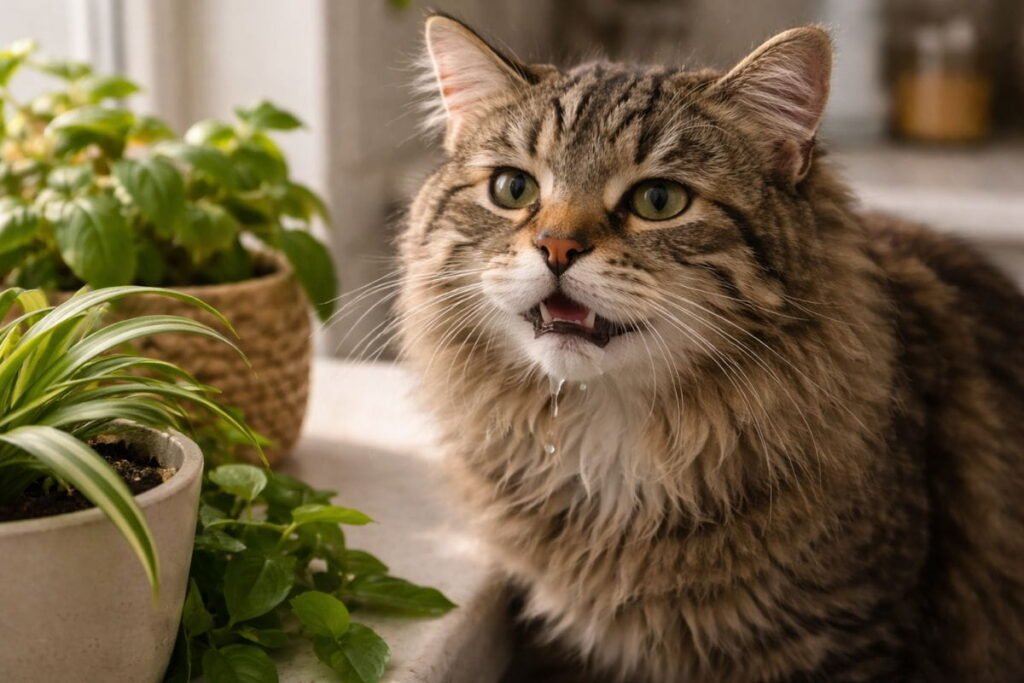
One dangerous cause of sudden cat drooling is toxin poisoning in cats. Common risks include poisonous plants for cats, household cleaners, and accidental chemical exposure in cats. Even flea products made for dogs can be toxic.
Emergency signs include tremors, vomiting, and extreme feline hypersalivation. If you suspect exposure, seek emergency veterinary care immediately. Quick treatment often makes the difference between recovery and serious complications.
Common Household Items That Can Cause Sudden Drooling
Many cases of sudden drooling happen after a cat chews, licks, or comes into contact with something toxic. Some of the most common household hazards include:
- Lilies and other toxic plants
- Household cleaners and bleach
- Human medications
- Essential oils
- Dog flea and tick products
- Antifreeze
- Chocolate and foods containing xylitol
Store medications, household cleaners, and toxic substances in secure cabinets where curious cats cannot reach them. Preventing exposure is far easier than treating poisoning.
Drooling and Not Eating: What It Means
When cat drooling appears with food refusal, take it seriously. Pain, infection, or blockage may prevent normal eating. Dental disease, nausea, and throat injuries often explain this worrying combination.
A foreign object stuck in cat mouth is another common cause. Owners sometimes notice string stuck in cat mouth or chewing problems. Never pull the string yourself. This situation needs urgent veterinary examination.
What You Should Do Next
The right response depends on your cat’s overall condition, not just the drooling itself.
| If your cat is… | What you should do |
|---|---|
| Drooling but eating, drinking, and acting normally | Monitor closely for the next 24 hours. |
| Drooling and refusing food | Schedule a veterinary appointment as soon as possible. |
| Drooling with vomiting or diarrhea | Contact your veterinarian the same day. |
| Drooling with trouble breathing, seizures, or collapse | Seek emergency veterinary care immediately. |
When caring for my own cats, I’ve found it helpful to focus on changes rather than a single symptom. A small amount of drooling by itself doesn’t always worry me, but if it’s combined with appetite loss, unusual behavior, or low energy, I know it’s time to contact my veterinarian instead of waiting to see if it gets better on its own.
Behavioral Causes: Stress, Anxiety, and Motion Sickness
Not every case involves illness. Emotional stress can trigger drooling. Owners often report cat drooling during car rides, along with motion sickness in cats. Travel, noise, or new environments may cause anxiety drooling in cats.
Watch for other stress in cats symptoms, such as hiding or trembling. Vet visit stress cat reactions, and car ride anxiety cat episodes usually improve with training, calm handling, and gradual exposure.
Simple Ways to Reduce Stress-Related Drooling
If your cat’s drooling seems to be triggered by stress rather than illness, a few small changes may help:
- Keep a consistent daily routine.
- Introduce new environments gradually.
- Use a secure, comfortable carrier during travel.
- Avoid loud noises whenever possible.
- Offer a quiet place where your cat can relax after stressful events.
I’ve found that keeping a predictable routine makes a noticeable difference for my own cats. During stressful situations, such as travel or unexpected visitors, giving them a quiet room and letting them settle at their own pace has helped reduce anxious behavior. While every cat is different, reducing stress is often an important part of keeping them comfortable.
Warning Signs That Require Immediate Veterinary Care
Some symptoms should never be ignored. Sudden heavy cat drooling with swelling, breathing trouble, or collapse suggests a medical emergency. Injury cases such as a mouth injury in cats, broken jaw in cats, or an electrical burn in cats need urgent help.
Persistent drooling beyond 24 hours also counts as one of the key warning signs. Severe lethargy, seizures, or toxin exposure require immediate emergency veterinary care without delay. Over the years, I’ve learned that drooling by itself rarely tells the whole story. One of my own cats occasionally drools while purring on my lap, but it always stops once she gets up and starts playing. That experience taught me to look for changes in appetite, energy, and behaviour instead of focusing on a single symptom. When something feels different from your cat’s normal routine, it’s worth paying closer attention.
Diagnosis and Treatment Options Your Vet May Recommend
Treatment begins with a full veterinary examination. Your vet may perform oral checks, imaging, blood tests and diagnostics. These tests reveal infection, organ disease, or hidden injury.
Care depends on the cause. Options include medication, fluids, dental therapy, or surgery. Many cases resolve quickly once the underlying problem is treated and supported through proper organ function testing and follow-up care.
Prevention Tips to Keep Your Cat’s Mouth Healthy
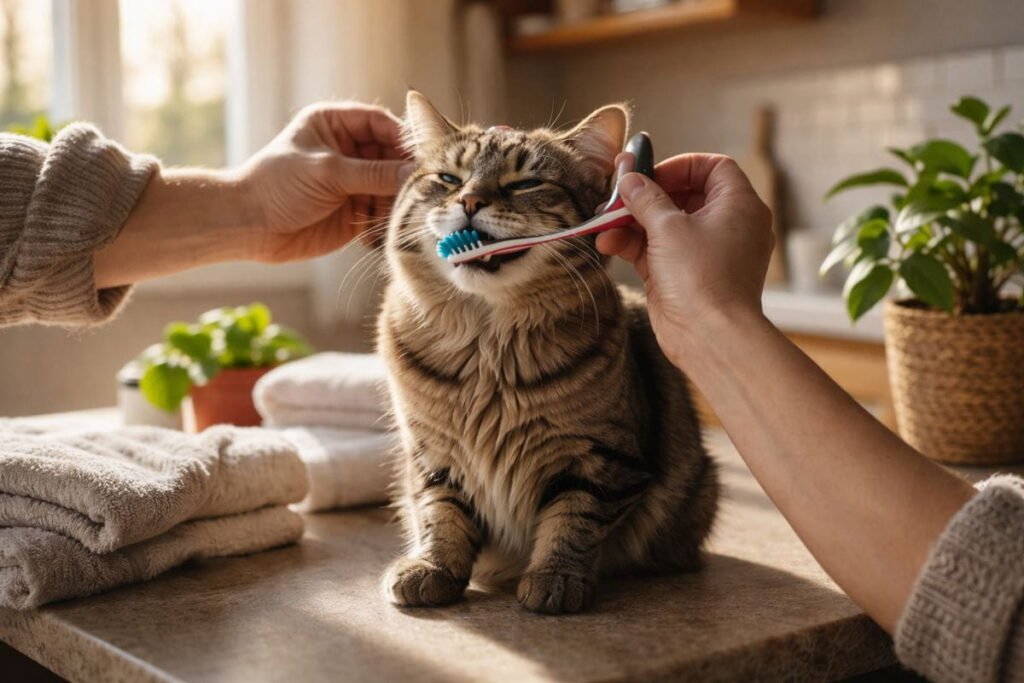
Good prevention reduces the risk of future cat drooling. Regular dental care, safe toys, and toxin control protect your pet from many hidden dangers. Routine monitoring helps you notice small changes early.
Schedule an annual vet checkup and maintain a consistent home routine. Preventive care, safe feeding habits, and a clean environment remain the most vet-approved way to avoid serious symptoms and protect lifelong health. The American Veterinary Medical Association (AVMA) recommends regular dental examinations because many oral diseases develop gradually and may not show obvious symptoms until they become painful.
Daily Habits That Help Prevent Unnecessary Drooling
Keeping your cat’s mouth healthy doesn’t have to be complicated. A few simple habits can greatly reduce the risk of dental problems and other conditions linked to excessive drooling.
- ✔ Check your cat’s mouth regularly for bad breath, swollen gums, or broken teeth.
- ✔ Provide fresh, clean water every day.
- ✔ Feed a balanced diet appropriate for your cat’s age and health needs.
- ✔ Keep toxic plants, medications, and household chemicals out of reach.
- ✔ Offer safe chew toys and avoid items that can splinter or become lodged in the mouth.
- ✔ Schedule regular veterinary checkups and dental examinations.
One habit that has helped me the most is paying attention to small changes during everyday routines. Whether it’s a change in eating, grooming, or the way my cats interact with me, noticing these early signs has often been more valuable than waiting for obvious symptoms to appear.
Final Thoughts
In my experience, the most important thing isn’t the drooling itself—it’s noticing when something about your cat suddenly feels different. Healthy cats have their own routines, and small changes in eating, grooming, energy, or behavior are often the first clues that something isn’t right. While many cases of drooling are completely harmless, persistent or excessive drooling should never be ignored. If you’re ever unsure, it’s always safer to have your cat examined by a veterinarian. Catching a problem early can make treatment easier and help your cat recover more comfortably.
FAQs
When should I worry about my cat drooling?
Worry if drooling is sudden, excessive, lasts over 24 hours, or comes with vomiting, lethargy, swelling, or loss of appetite.
Why is my cat dripping water from his mouth but acting normal?
If your cat is otherwise active and eating well, mild drooling may be from relaxation, excitement, or a happy response to petting.
Do cats drool when happy?
Yes, some cats drool when they feel safe, relaxed, or affectionate, especially during purring or kneading.
What are the first signs of feline leukemia in cats?
Early signs include low energy, weight loss, poor appetite, fever, and frequent infections due to a weakened immune system.

Wahsay Ahmed is the founder of FelineNest and a cat care writer. His interest in feline health began in 2023 after adopting two cats, Whisker and Mochi. Since then, he has spent two years studying trusted veterinary resources, feline behavior, nutrition, and preventive care while applying that knowledge through daily care of his own cats.