Most cat owners skip dental care entirely. You’re not alone — but here’s the problem. Around 70% of cats develop cat gum disease by age three. Cat teeth cleaning isn’t optional. It’s one of the most important things you can do for your cat’s long-term health. This guide covers everything — from brushing at home to vet costs — so your cat lives longer and pain-free.
Why Cat Teeth Cleaning Is More Important Than You Think
Bacteria from infected gums don’t stay in the mouth. They travel through the bloodstream and quietly damage the kidneys, heart, and liver. Periodontal disease in cats is the most common health problem vets see in the USA — yet most owners don’t catch it until it’s advanced. Cat dental care starts at home, and it starts early.
Cat dental disease progresses silently. Your cat won’t cry or complain. They’ll just eat less, groom less, and slowly withdraw. By the time visible symptoms appear, the damage is already done. Regular cat teeth cleaning catches problems before they become expensive emergencies.
The Hidden Link Between Oral Health and Your Cat’s Organs
Feline dental health directly affects vital organs. Studies link untreated gingivitis in cats to chronic kidney disease and heart inflammation. Plaque in cats hardens into tartar within 48 hours — and once that happens, only a vet can remove it. Don’t wait for bad breath to act.
How Often Should You Clean Your Cat’s Teeth?
Daily is ideal. That’s what every veterinary dentist recommends. How often should I clean my cat’s teeth? — at a minimum of three times per week. Even that frequency dramatically slows tartar buildup in cats compared to never brushing at all.
| Brushing Frequency | Tartar Risk | Vet Cleaning Needed |
| Daily | Very Low | Every 1-2 years |
| 3x per week | Low | Every 1-2 years |
| Weekly | Moderate | Yearly |
| Rarely | High | Every 6 months |
Factors That Affect How Often Your Cat Needs Cleaning
Senior cats and breeds like Persians need daily cat teeth brushing — they’re genetically prone to faster plaque buildup. Cats eating only wet food also accumulate plaque in cats faster than those on mixed diets. Age, breed, and diet all determine your cat’s personal cleaning schedule.
Best Tools for Cat Teeth Cleaning at Home
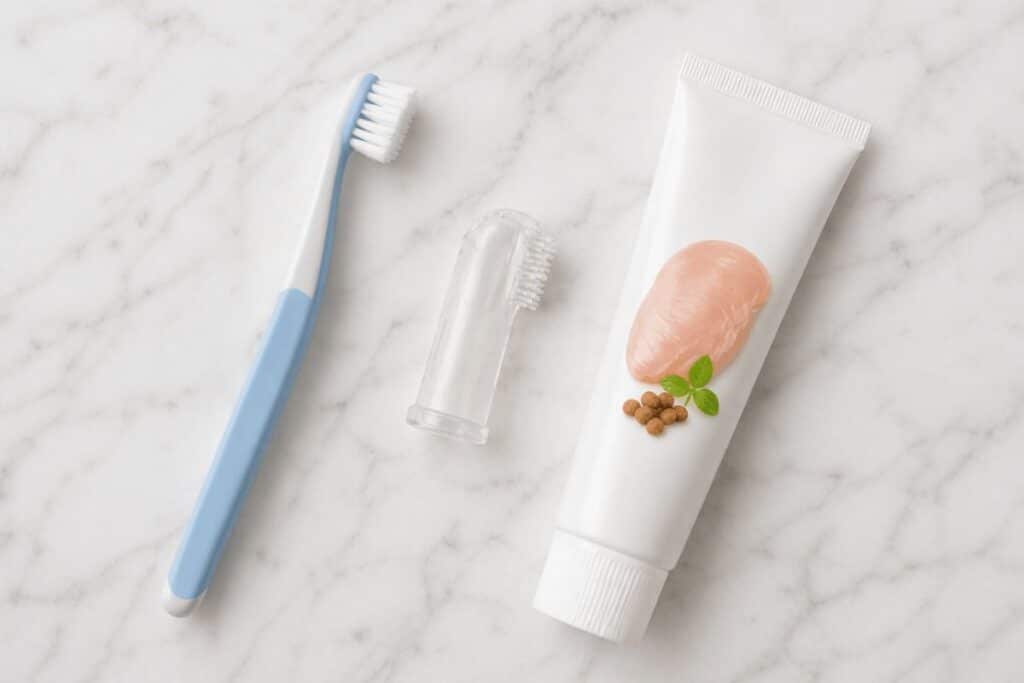
Is it safe to clean cat teeth at home? Absolutely — with the right tools. A soft-bristled cat toothbrush with a small head works best. Finger brushes give better control for nervous cats. Cat water additives work passively in the water bowl all day. Cat dental toys made from textured rubber scrape soft plaque during play.
Don’t improvise with human dental tools. Cat mouths are smaller, and gums are more delicate. The wrong brush causes more harm than skipping altogether. Cat teeth cleaning at home works beautifully when you use products designed specifically for cats.
Finger Brushes, Dental Wipes and Water Additives Explained
Finger brushes slide over your index finger — perfect for beginners. Dental wipes wrap around your finger and rub along the gum line without any brushing technique needed. Cat water additives like Healthymouth reduce bacteria silently. For cats who hate every tool, cat dental treats with VOHC approval offer real plaque-fighting benefits with zero effort from your cat.
How to Clean Cat Teeth Step by Step — Even If Your Cat Hates It
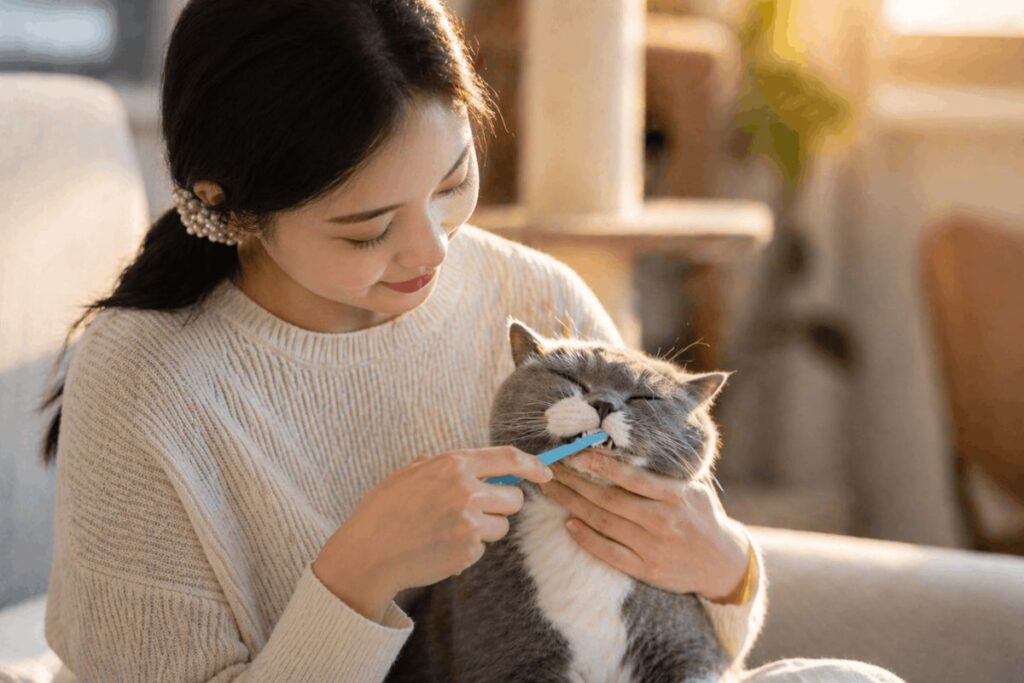
Patience beats technique every time. How to get your cat used to teeth brushing comes down to one thing: never rush. A cat that associates brushing with stress will fight you forever. Take two to three weeks introducing tools slowly, and most cats come around completely.
Start with just touching the mouth daily. No tools yet. Then introduce cat toothpaste on your finger — let them lick it. Move to the toothbrush only once they’re fully relaxed. Short sessions, calm voice, treat at the end. That formula works even on stubborn cats.
The 5-Step Brushing Routine That Actually Works
Step one — wait until your cat is calm. Step two — apply a pea-sized amount of cat toothpaste. Step three — start with the canine teeth using soft circular motions. Step four — brush outer surfaces at a 45-degree angle to the gum line. Step five — keep it under two minutes and always reward immediately after.
Cat Toothpaste vs Human Toothpaste — What’s the Difference?
What toothpaste is safe for cats? Only cat-specific toothpaste. Human toothpaste contains xylitol and fluoride — both genuinely toxic to cats. Even small amounts swallowed regularly cause organ damage. This isn’t a minor warning. It’s a hard rule with zero exceptions.
Enzymatic cat toothpaste breaks down plaque chemically and keeps working after you finish brushing. It comes in chicken and tuna flavors that most cats love. Popular USA options include Virbac CET and Petrodex Enzymatic — both VOHC approved for real cat oral health results.
Why Human Toothpaste Is Toxic to Cats
Xylitol triggers dangerous blood sugar drops and liver failure in cats. Fluoride causes neurological damage with repeated ingestion. Foaming agents upset the stomach. Cat dental care means cat products only — no substitutions, no exceptions, ever.
Cat Teeth Cleaning Without a Toothbrush — 5 Alternative Methods
Cat teeth cleaning without brushing is absolutely possible. Some cats simply won’t tolerate a toothbrush — and that’s okay. Can I brush my cat’s teeth without toothpaste? You can use plain water, but the enzymatic paste boosts results significantly. Here are five alternatives that genuinely work.
Cat dental treats — VOHC-approved options like Feline Greenies reduce tartar daily. Cat dental toys — textured rubber toys scrape soft plaque during play. Dental gels — applied with a fingertip directly to the gum line. Cat water additives — flavorless drops in the water bowl reduce bacteria all day. Cat dental diet — prescription kibble like Hill’s t/d scrubs teeth mechanically with every bite.
Water Additives and Dental Diets as Backup Options
Cat dental diet options like Royal Canin Dental and Hill’s t/d carry VOHC approval. These prescription foods use oversized fibrous kibble that wraps around the tooth surface before breaking — creating a natural brushing effect. Combined with cat water additives, they form a solid passive dental routine for cats who won’t accept any hands-on cleaning.
How to Start Cat Teeth Cleaning With a Kitten
Kitten teeth cleaning tips always start with the same advice — begin at eight weeks. That’s the socialization window when new experiences register as normal. Cat teeth cleaning introduced this early means your adult cat barely notices brushing. Start before adult teeth arrive at six months, and you’ve already won.
Use only your fingertip at first — no tools needed. Rub gently along the gum line for thirty seconds. Pair it with a treat every single time. Build duration slowly over weeks. By the time adult teeth come in, mouth handling feels completely ordinary to them.
Making Mouth Handling a Positive Experience Early On
Keep kitten sessions under thirty seconds. Always follow with something they love. Never push through resistance — stop, reward, try again later. Feline dental health built from kittenhood is genuinely effortless compared to training an adult cat. Starting early is the single biggest advantage you can give your cat.
Warning Signs Your Cat Needs Urgent Dental Care
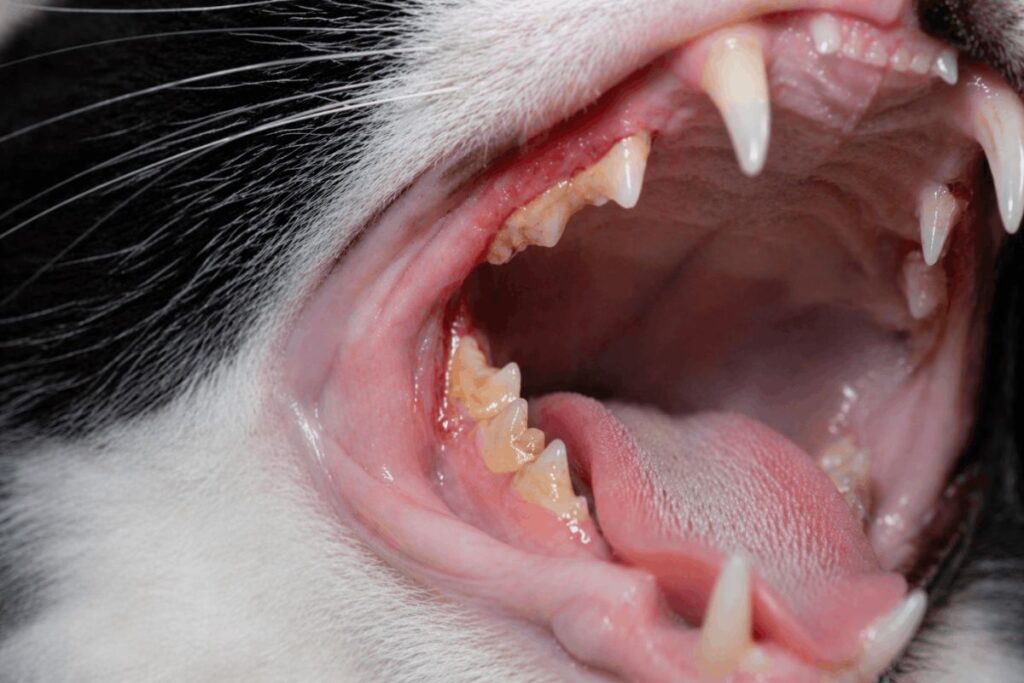
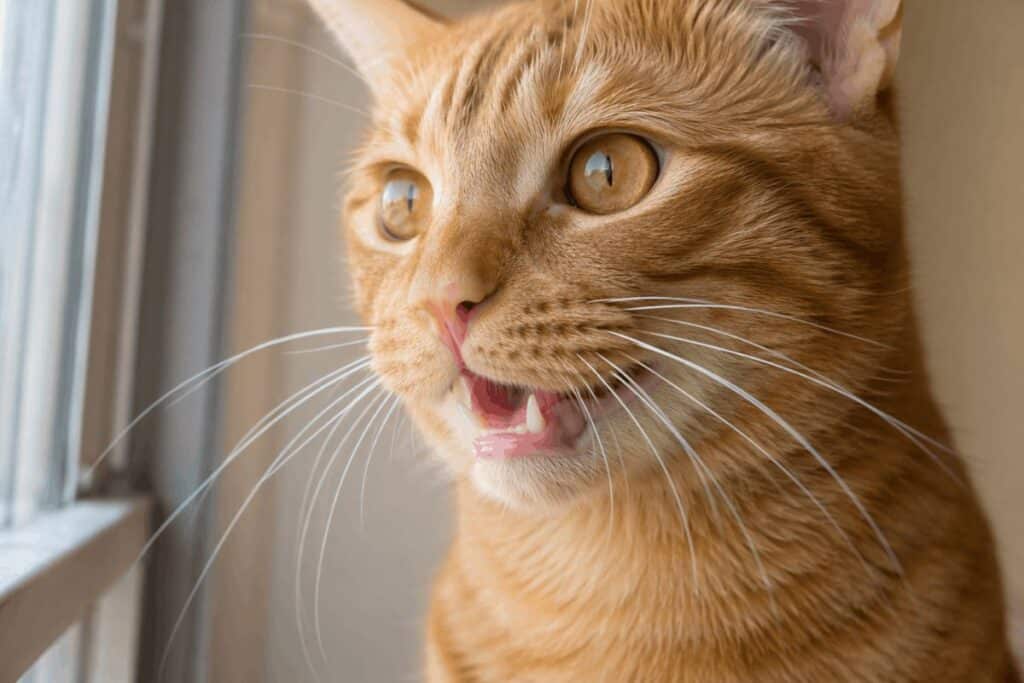
Signs of dental disease in cats are easy to miss. Cats hide pain naturally. Watch for dropping food while chewing, reluctance to eat hard kibble, drooling more than usual, and pawing at the mouth. Cat bad breath dental problems — specifically a strong rotting smell — signal active infection requiring same-day vet attention. For trusted veterinary guidance on feline dental care and oral health, see the American Association of Feline Practitioners (AAFP).
Visible yellow or brown deposits on teeth mean tartar buildup in cats has already hardened. Red, swollen gums mean gingivitis in cats has taken hold. What happens if you don’t clean cat teeth? Infection spreads to organs, teeth loosen and fall out, and your cat lives in chronic silent pain for months or years.
When Bad Breath Means Something Far More Serious
Mild breath odor is normal. A persistent foul smell means bacterial infection deep in the gum tissue. Untreated periodontal disease in cats at this stage sends bacteria into the bloodstream — putting the kidneys, heart, and liver at real risk. Don’t wait for a scheduled checkup. Call your vet today.
Professional Cat Teeth Cleaning — What to Expect and How Much It Costs
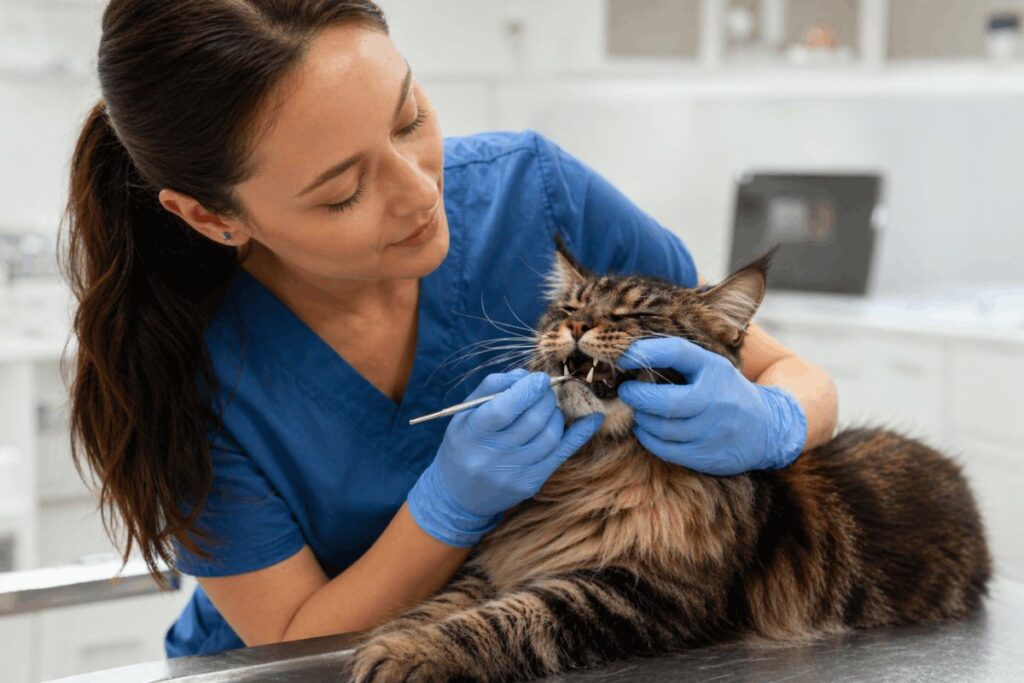
Professional cat teeth cleaning under anesthesia is the only way to clean below the gum line. Home brushing handles surface plaque. Only a vet with ultrasonic scalers can reach subgingival areas where the most destructive cat dental disease develops. Anesthesia cat dental cleaning is safe, routine, and genuinely transformative for cats with existing buildup.
Most USA vets recommend professional cleaning every one to two years for cats with regular home care. Pre-anesthetic bloodwork confirms safety. The vet then scales, polishes, and X-rays every tooth — catching hidden infections and bone loss invisible during regular exams.
Average Cost of Cat Teeth Cleaning in the USA
| Procedure | Estimated Cost |
| Basic cleaning | $300 — $500 |
| Cleaning with X-rays | $500 — $700 |
| Cleaning with extraction | $700 — $900 |
| Multiple extractions | $900 — $1,500+ |
Cat dental cleaning cost varies by location and the severity of the condition. Pet insurance covering dental procedures reduces out-of-pocket expenses significantly. Always ask your vet for a full estimate before the procedure. From my own experience, I’ve seen that many cat owners don’t notice dental problems until their cat stops eating or develops bad breath. That’s why I often refer to the American Association of Feline Practitioners (AAFP) for trusted guidance on feline dental care and prevention.
How Diet and Treats Support Cat Teeth Cleaning at Home
What your cat eats every day directly affects their teeth. A poor diet accelerates plaque in cats and speeds up cat gum disease progression. The right cat dental diet works passively between every brushing session — protecting teeth around the clock without any effort from you.
VOHC-approved cat dental treats like Feline Greenies and Purina DentaLife reduce tartar when given daily. They’re not a replacement for cat teeth brushing — but as part of a complete cat oral health routine, they make a real, measurable difference your vet will notice at checkups.
VOHC Approved Dental Diets Worth Knowing About
Hill’s Prescription Diet t/d, Royal Canin Dental, and Purina Pro Plan Veterinary Diets DH all carry VOHC certification. These prescription cat dental diet options use specially engineered kibble that scrubs tooth surfaces mechanically with every bite. Ask your vet which option suits your cat’s specific dental history and overall health.
Frequently Asked Questions
How much does it cost to clean a cat’s teeth?
Basic professional cat teeth cleaning in the USA costs between $300 and $500. If X-rays or extractions are needed, a cat dental cleaning can cost $700 to $1,500 or more, depending on severity and location.
Is it worth getting a cat’s teeth cleaned?
Absolutely. Untreated cat dental disease leads to organ damage, chronic pain, and costly emergency treatment. One professional cleaning every 1 to 2 years protects your cat’s health and saves money in the long term.
How to remove plaque from cat’s teeth at home?
Daily cat teeth brushing with enzymatic cat toothpaste is the most effective method. Cat dental treats, cat water additives, and cat dental toys all help reduce plaque in cats between brushing sessions.
How much do vets charge to clean cats’ teeth?
Most USA vets charge $300 to $700 for a standard anesthesia cat dental cleaning, including polishing and examination. Specialist veterinary dentists charge $1,500 to $3,000 or more for complex cases.

Wahsay Ahmed is the founder of FelineNest and a cat care writer. His interest in feline health began in 2023 after adopting two cats, Whisker and Mochi. Since then, he has spent two years studying trusted veterinary resources, feline behavior, nutrition, and preventive care while applying that knowledge through daily care of his own cats.