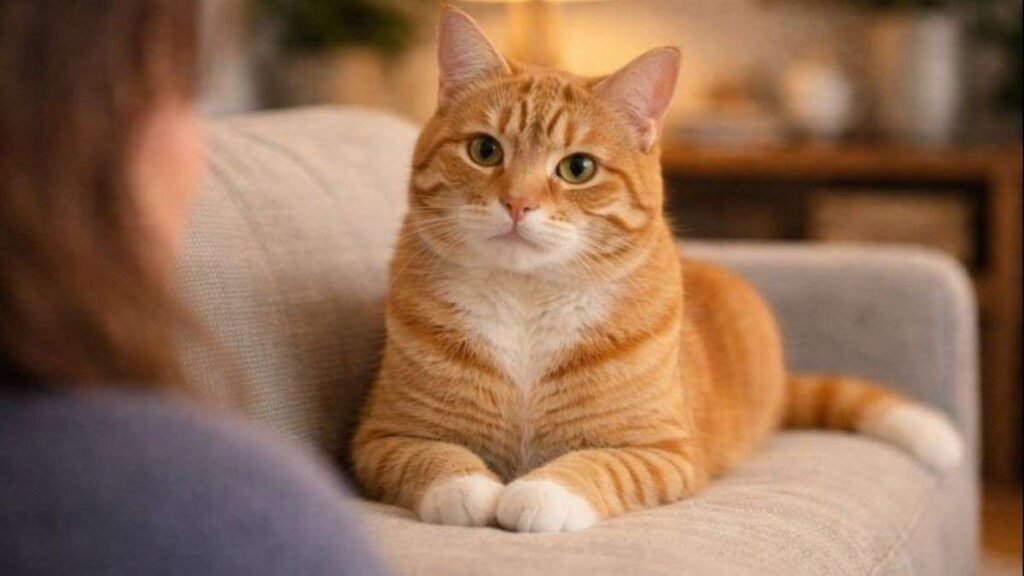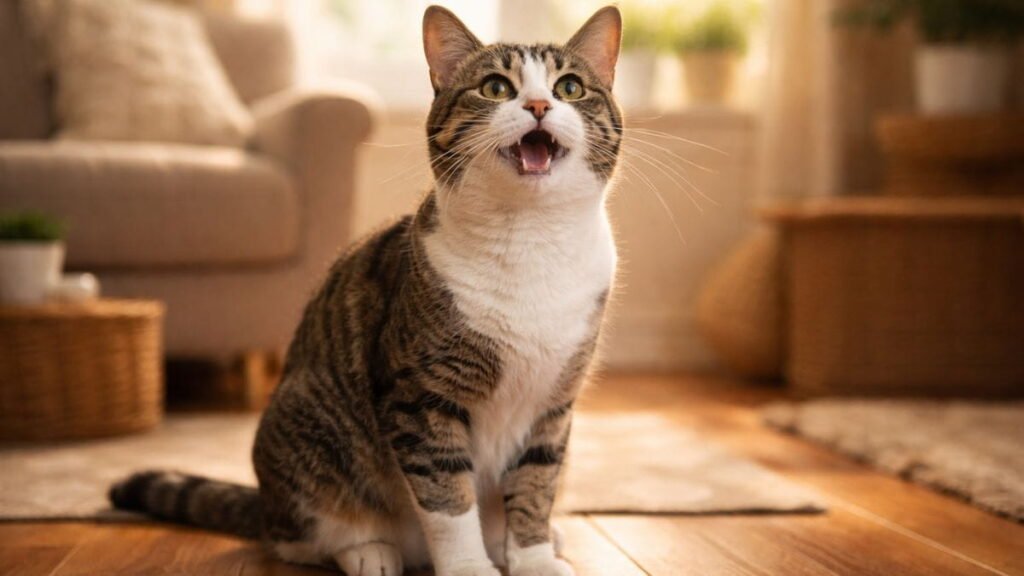
Have you ever paused when your cat made a soft, rolling sound that wasn’t a meow or a purr? That unique noise is called a trill, and understanding cat trilling meaning helps you connect with your feline on a deeper level. This gentle, melodic sound often reflects a cat’s mood, showing signs of comfort, curiosity, or a desire for interaction.
Paying attention to trilling sounds in cats and cat vocalization types allows owners to interpret subtle cat communication sounds and happy cat sounds accurately. Recognizing these cues strengthens your bond and helps meet your cat’s emotional needs every day.
What Is Cat Trilling? (Clear Definition for First-Time Readers)
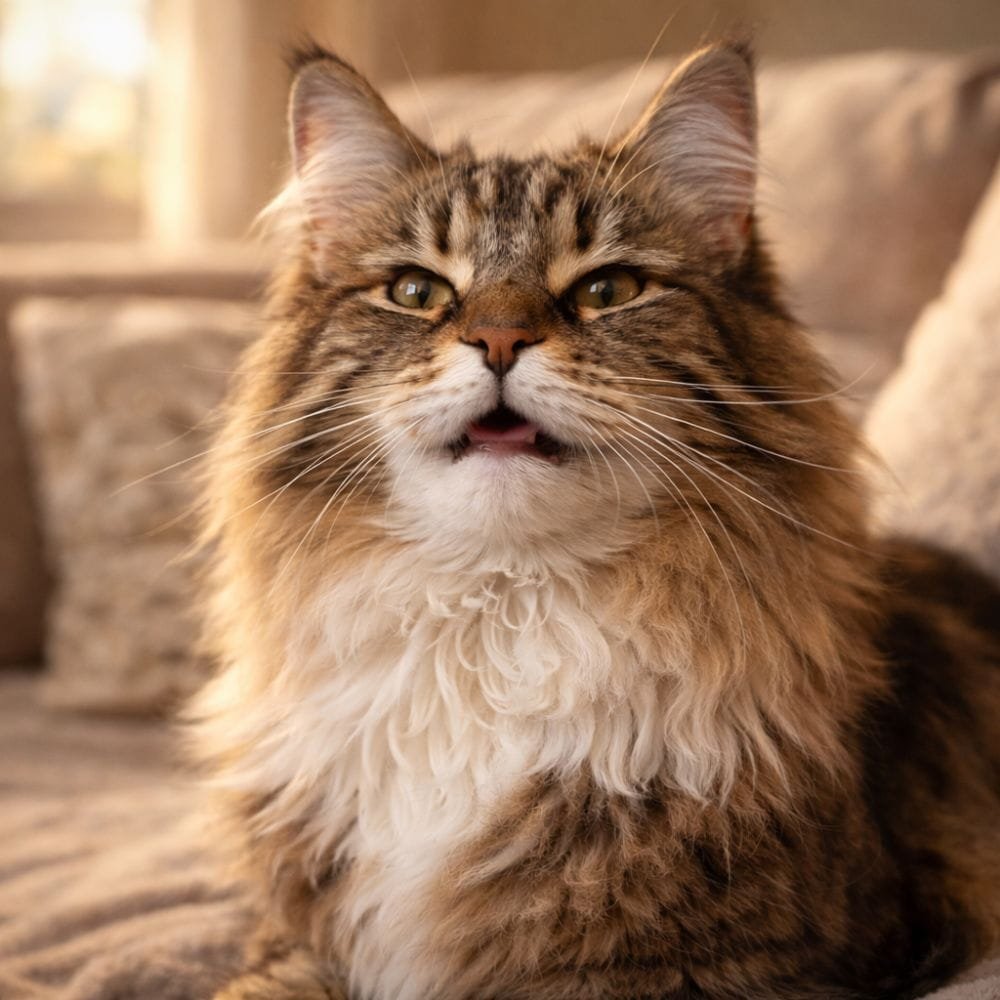
So, what is cat trilling exactly? It’s a gentle vocal sound made with a closed mouth and vibrating throat. This sound sits between a meow and a purr. Many experts describe it as a musical role. It reflects natural feline vocal behavior and early bonding instincts.
In terms of cat trilling meaning, this sound signals comfort and familiarity. Cats rarely trill at strangers. They reserve it for safe relationships. This makes it important in cat-human communication and everyday understanding cat sounds when living closely with a cat.
Is Trilling a Learned or Natural Cat Behavior?
Trilling starts early in life. Kittens hear it from their mothers first. That makes it instinctive. Over time, cats adapt to humans. This shows evolving animal communication patterns shaped by domestic life.
What Does a Cat Trill Sound Like? (With Real-World Examples)
The trilling sound in cats feels soft, bouncy, and rhythmic. Many owners compare it to a “brrrp” or rolling chirp. Unlike loud meows, it feels gentle and close. It often appears as one of the most recognizable happy cat sounds.
You may hear this cat greeting sound when you arrive home. Some cats trill while walking past you. Others do it before meals. These moments help with interpreting cat behavior and spotting emotional comfort.
Common Situations Where You’ll Hear a Trill
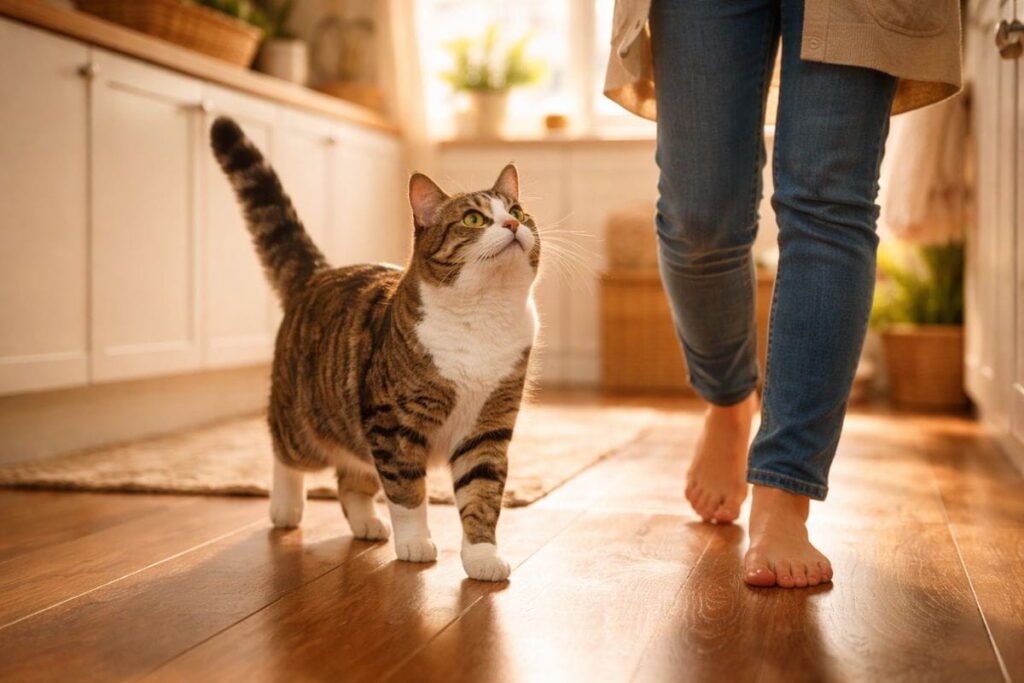
Morning greetings and follow-me moments trigger trills. These moments reflect signs of contentment in cats and relaxed emotional states.
Trilling vs Other Cat Sounds (Meows, Chirps, Chatters, Chirrups)
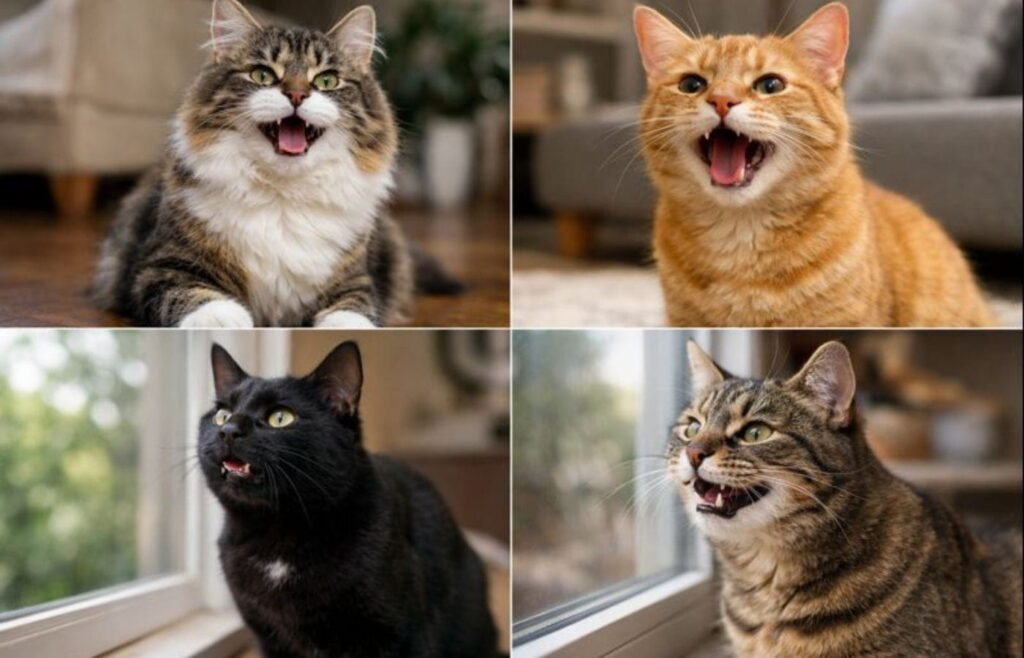
Understanding cat trilling vs meowing clears up confusion fast. Meows are learned human-directed sounds. Trills are instinctive and social. Chirps and chatters relate to excitement or prey focus. This comparison explains broader cat vocalization types.
Trills differ from a cat chirrup sound by tone and purpose. Chirruping feels sharper. Trilling stays smooth. Recognizing this helps decode cat communication sounds during daily interactions.
Quick Comparison of Common Cat Sounds
| Sound Type | Purpose | Emotional Tone |
| Trill | Greeting or bonding | Calm and friendly |
| Meow | Request or demand | Varies |
| Chirrup | Excitement or interest | Alert |
| Chatter | Prey frustration | Intense |
Why Do Cats Trill? The Core Behavioral Reasons
Many owners ask, why do cats trill so often around people they love? The answer lies in trust. Trilling shows recognition and comfort. It reflects emotional signals in cats tied to safety and routine.
Another layer of cat trilling behavior involves guidance. Cats trill while moving to invite you along. This reflects leadership and shared curiosity. It also supports bonding with your cat through shared moments.
Why Cats Rarely Trill at Strangers
Cats avoid trilling with unfamiliar people. They protect emotional energy. This highlights selective social behavior in cats.
Cat Trilling in Social Situations (Humans, Cats, and Kittens)
Trilling appears strongly in close relationships. Mother cat trilling helps guide kittens. It keeps them close and calm. This early sound shapes kitten communication sounds and emotional safety.
Adult cats use trills with trusted humans and friendly cats. These moments reveal the cat expressing affection without physical contact. It’s a subtle but powerful social language.
What Trilling Reveals About Social Bonds
Frequent trilling shows emotional security. It reflects healthy cat mood indicators in familiar spaces.
Why Does My Cat Trill When I Touch or Pet Them?
When cats trill during touch, they often enjoy it. A cat trilling when happy appears alongside a relaxed posture. Soft eyes and loose tails confirm comfort. This supports reading cat emotional needs accurately.
However, context matters. Trilling can also signal mild overstimulation. Watching body language helps protect cat behavior and health while maintaining trust.
Reading Touch-Based Trilling Correctly
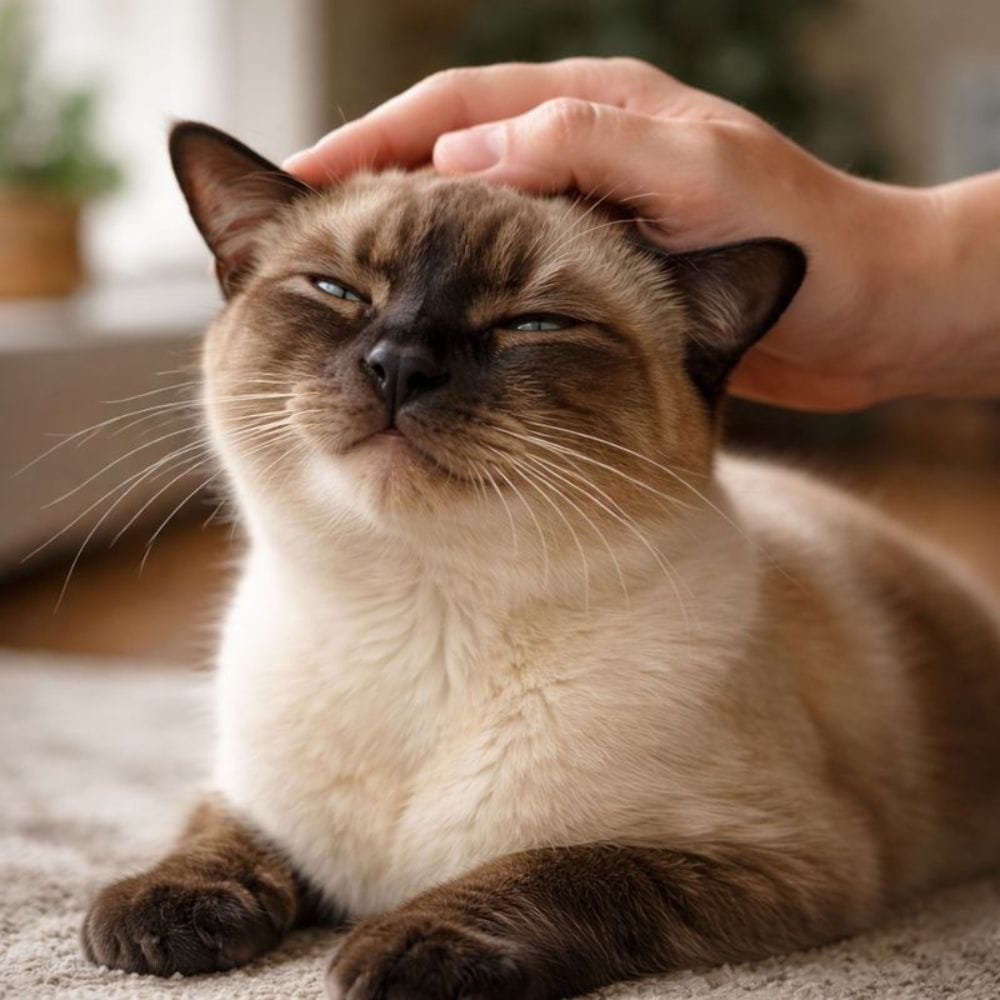
Watch the ears and tail movement. These signs refine interpreting cat behavior during petting.
Is Cat Trilling Always Positive? When Changes Matter
Most thrilling reflects comfort. Still, sudden changes in cat vocalization deserve attention. A cat making unusual sounds repeatedly may express stress or discomfort.
If trilling pairs with hiding or appetite loss, consider a vet visit. Vocal shifts often mirror deeper cat behavior and health signals.
Signs You Should Call a Vet
Persistent vocal changes matter. They may reflect unmet cat emotional needs or physical issues.
How to Respond to Your Cat’s Trilling (Do This, Avoid That)
Respond calmly when your cat trills. Gentle speech helps cat-human communication feel mutual. Avoid ignoring repeated trills. Cats often use cat trilling for attention in subtle ways.
Overreacting can confuse them. Let your response match their tone. This approach supports healthy, playful cat behavior and long-term trust.
Simple Ways to Strengthen Communication
Consistency builds comfort. Soft replies improve daily bonding with your cat.
Can You Encourage Trilling? Strengthening Communication Naturally
You can’t force trilling. You can encourage it through routine and calm interaction. Safe environments increase vocal comfort. This nurtures positive animal communication patterns.
Cats trill more when relaxed. Predictable schedules and respectful handling support emotional openness and signs of contentment in cats.
Building Trust Without Training Tricks
Trust grows slowly. Respectful interaction supports natural feline vocal behavior.
FAQs About Cat Trilling (Quick Answers to High-Intent Questions)
The cat trilling meaning usually reflects comfort and recognition. Not all cats trill, but many do. Breed and personality matter. Some cats stay quiet yet remain happy.
If your cat never trills, don’t worry. Silence doesn’t equal unhappiness. Watch behavior patterns instead. They reveal cat mood indicators more reliably than sound alone.
Final Thoughts
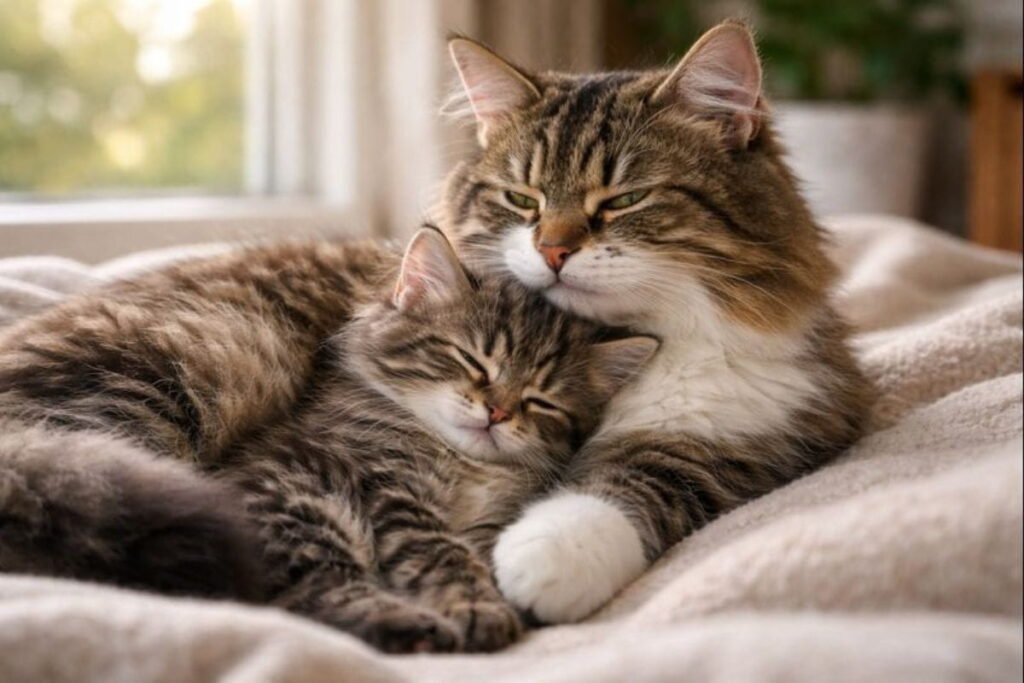
Understanding trilling helps you connect deeper with your cat. These sounds carry emotional meaning beyond words. When you listen closely, your cat tells you how they feel. That’s the real beauty behind the cat trilling meaning.