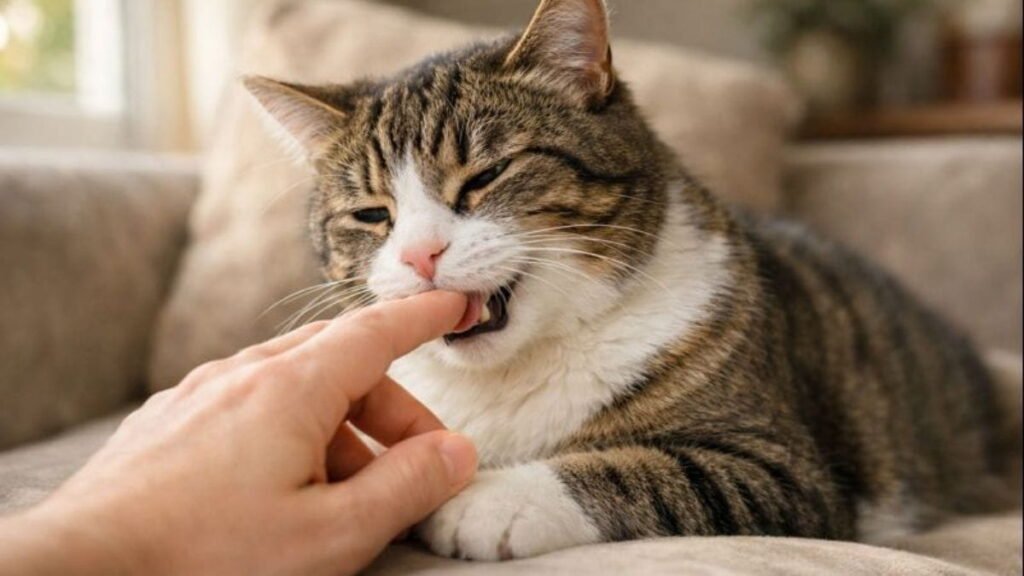
Have you ever been enjoying a petting session with your cat, only to feel a gentle nibble on your hand or arm? These behaviours, known as cat love bites, can confuse new cat owners. Understanding why do cats love bite and what these nibbles mean is essential for keeping your relationship safe and happy. In this article, we explore cat love biting behavior, signs to watch, and how to respond without stress or punishment.
Cat love bites are often harmless expressions of affection or play, but they can sometimes indicate overstimulation or stress. Recognising the difference between gentle nips and aggressive bites helps you enjoy a strong, trusting bond with your feline companion. This guide is designed for US cat owners, with practical tips, enrichment ideas, and warnings you can trust.
What Are Cat Love Bites? (Simple Definition for New Cat Owners)
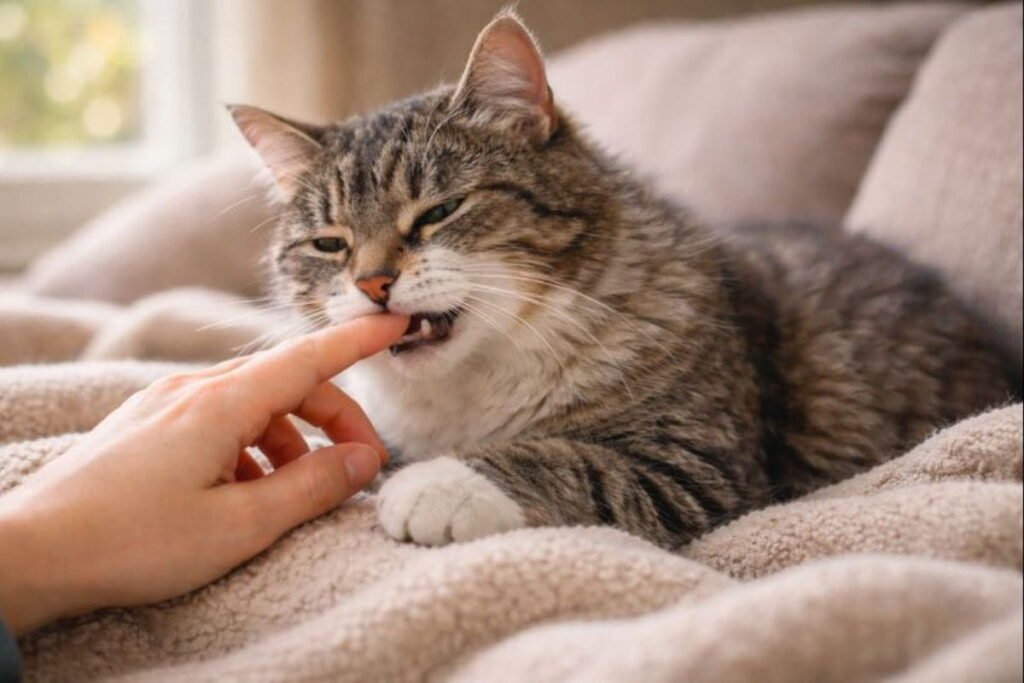
Cat love bites are small, gentle nibbles that usually don’t break the skin. Unlike aggressive bites, they happen during petting, grooming, or play. Some cats will start with cat grooming then biting, using gentle licking as a prelude to a nibble. This is normal feline communication signals and rarely a cause for concern.
These bites are a way your cat shows affection. Affectionate cat biting can indicate that your pet enjoys your attention, wants to interact, or is playing in a safe way. Observing your cat’s body and mood is key to understanding the difference between loving nips and warning bites. Recognising the cat love bite meaning helps new cat owners navigate these interactions safely.
Why Do Cats Give Love Bites? (All Behavioral Reasons Explained)
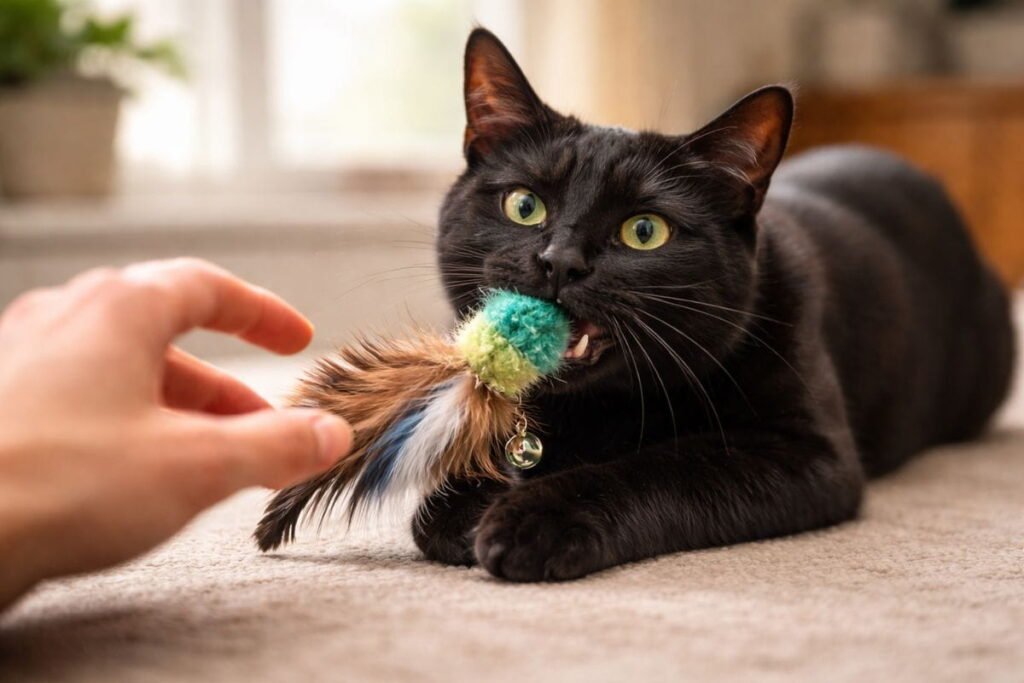
Cats give cat love bites for several reasons. Sometimes, it’s an expression of trust and bonding. Other times, a cat may feel overstimulated or playful. Cat nipping while petting is common when contact becomes too intense, or the cat wants attention, known as cat attention-seeking biting.
Behaviour experts say cat’s playful biting stems from feline instinctive behavior. Cats are natural hunters, and gentle nips mimic pouncing or grabbing prey. Even indoor cats show cat predatory instincts, using love bites as a safe outlet. Understanding cat gentle biting in context helps prevent stress and allows you to respond appropriately.
Cat Love Bites vs Aggressive Bites (How to Tell the Difference Fast)
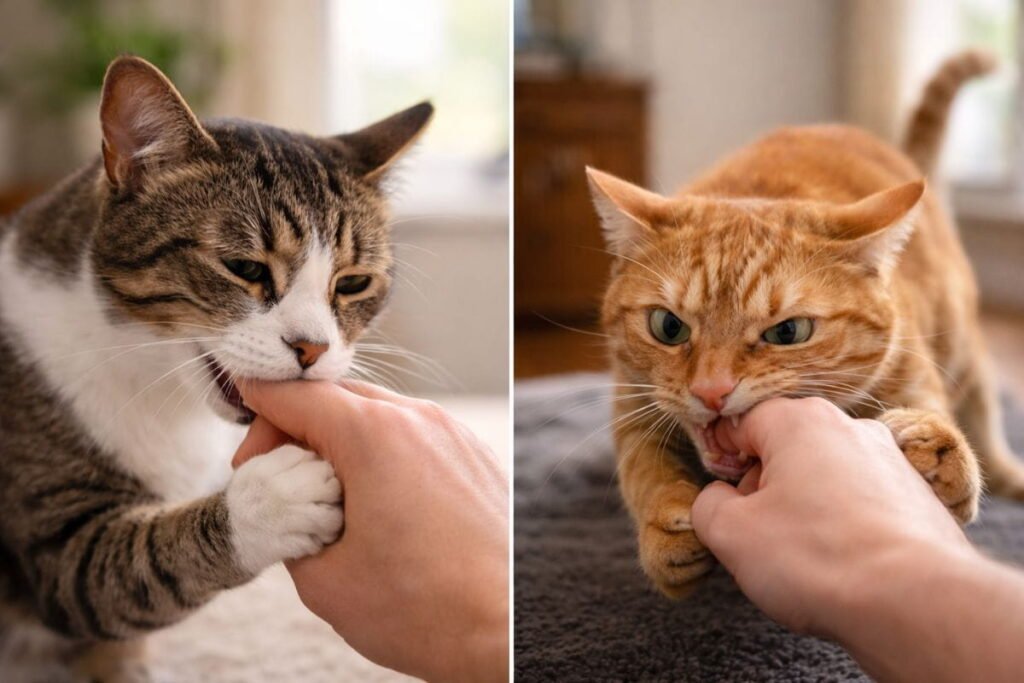
It’s vital to distinguish cat love bite vs real bite. Love bites are soft, brief, and often paired with purring. Aggressive bites can break the skin, accompanied by hissing or growling. Stress-related cat biting and pain-related aggression in cats usually come with tense muscles, flattened ears, and a twitching tail in cats.
| Feature | Cat Love Bite | Aggressive Bite |
| Bite Pressure | Gentle | Strong |
| Vocalization | Purring or silent | Hissing, growling |
| Body Language | Relaxed | Flattened ears, dilated pupils in cats |
| Intent | Affection, play | Fear, pain, stress |
Observing cat body language signs during interactions ensures safety. Recognizing these cues allows you to enjoy loving interactions without injury.
Cat Body Language Signals That Predict a Love Bite
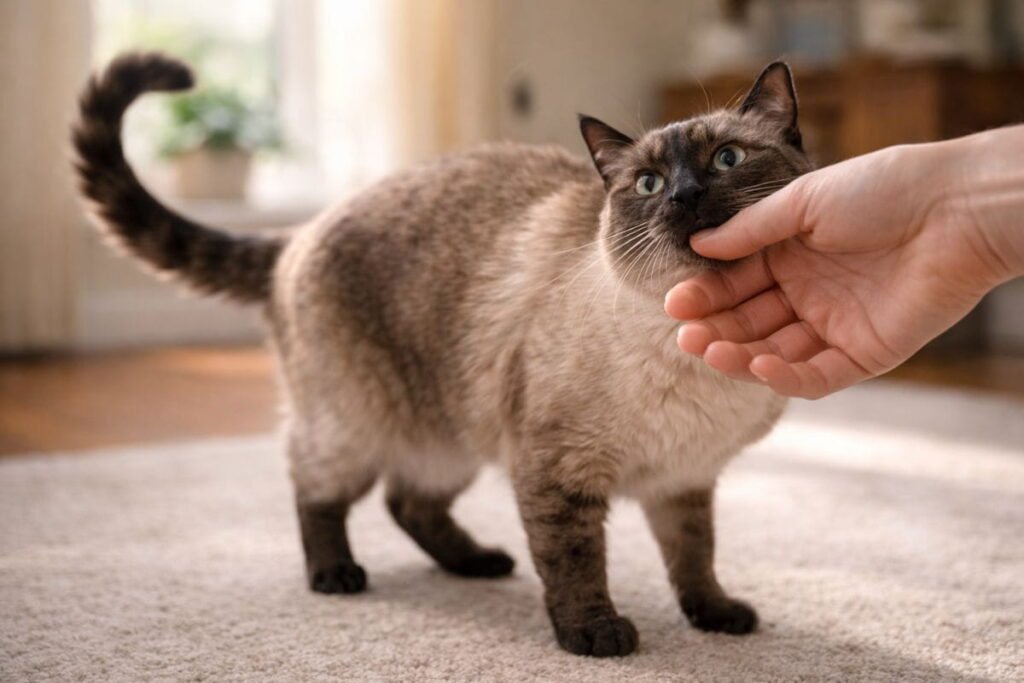
Cats often give warning signs before a love bite. A twitching tail in cats, slightly flattened ears, or dilated pupils in cats can indicate that a gentle nip is coming. Grooming first, or cat grooming then biting, is a classic signal that the bite is playful, not aggressive.
Understanding feline communication signals makes interactions smoother. A cat leaning in, slow blinking, and relaxed posture usually signals a safe, affectionate bite. Watching for overstimulated cat signs allows you to redirect attention early, improving human–cat interaction and reducing accidental scratches.
Are Love Bites Normal or a Behavioral Problem?
Most cat gentle biting is normal. It shows trust and social bonding. Even kittens demonstrate kitten biting habits, which often decrease with proper play and boundaries. Love bites are typically a safe form of interaction for healthy cats.
However, frequent, hard, or escalating nips can indicate issues. If bites cause injury or coincide with pain-related aggression in cats, it may signal stress or discomfort. Observing cat mouthy behavior and ensuring adequate indoor cat enrichment can prevent problems and keep nips harmless.
Do Some Cats Give More Love Bites Than Others?
Yes, some cats are naturally more likely to give love bites than others. Age, personality, breed, and early socialization all influence this behavior. Kittens and young adult cats often use gentle nibbles during play because they’re still learning bite control, while highly social breeds such as Siamese, Burmese, and Abyssinians may show affection through gentle mouthing more often. As long as the bites remain soft and your cat’s body language stays relaxed, this behavior is usually a normal way of expressing affection.
How to Respond to Cat Love Bites the Right Way
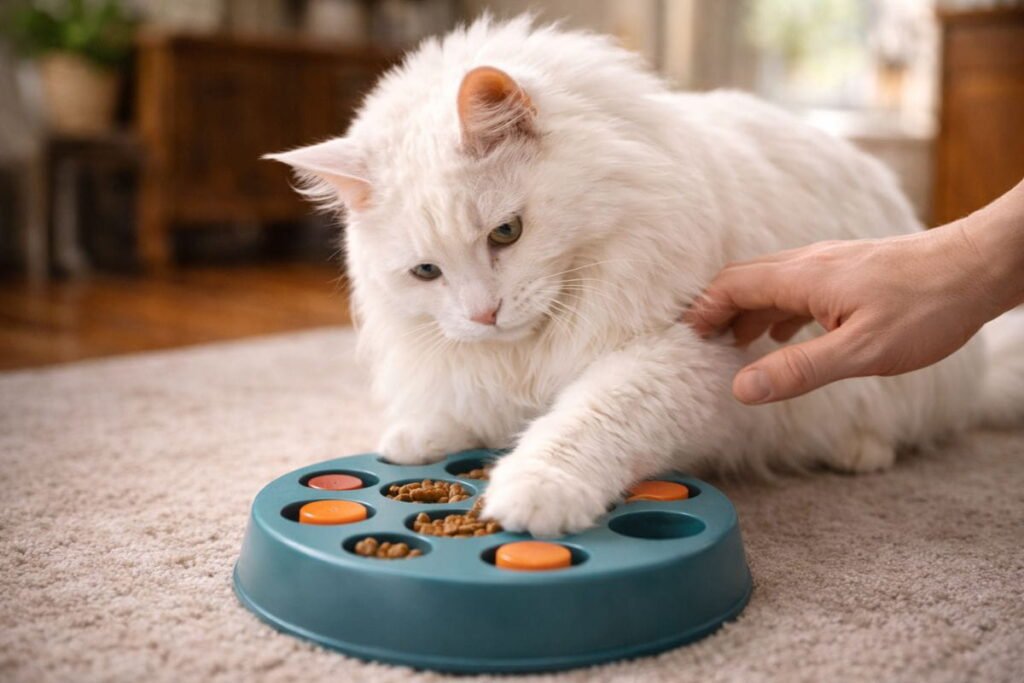
Proper responses strengthen bonds. Avoid jerking your hand away, which can trigger cat predatory instincts. Instead, disengage calmly or redirect to interactive cat toys. Rewarding calm behaviour is positive reinforcement for cats, encouraging gentle interactions.
If a bite hurts, move slowly and calmly. Observing a cat biting during petting helps you set boundaries without stress. Using redirecting cat behavior like toys or food puzzle toys ensures safe play while maintaining strong human–cat bonds.
How to Stop or Reduce Love Biting Without Punishment
Love bites can be reduced through enrichment. Cat playful biting responds well to mental stimulation for cats like climbing structures, cat trees and climbing perches, and puzzle feeders. Indoor cat enrichment keeps cats active and reduces boredom-related nipping.
Consistency is key. Never use your hands as toys to prevent the cat biting owner gently. Short daily play sessions with interactive cat toys and safe plants, like catnip or silvervine, satisfy feline instinctive behavior while keeping love bites gentle and controlled.
My Experience Understanding Cat Love Bites
While researching feline behavior for FelineNest, I found that many first-time cat owners worried that every bite meant aggression. However, after comparing behavior guides and real-life owner experiences, it became clear that gentle love bites usually happened during relaxed petting sessions or play. Paying attention to a cat’s body language made it much easier to tell the difference between affectionate nibbles and signs of discomfort or overstimulation.
Common Mistakes Cat Owners Make That Encourage Love Bites
Many owners unintentionally reinforce cat love-biting behaviour. Allowing nibbling hands, ignoring warning signs, or inconsistent reactions increase cat attention-seeking biting. Overstimulation may trigger cat overstimulation biting, escalating small nips into painful bites.
Recognising cat mouthy behavior and using redirecting cat behavior early prevents escalation. Teaching boundaries with patience, observing cat grooming then biting, and rewarding gentle interactions strengthen trust and reduce unwanted love bites over time.
When to Worry: Love Bites That May Signal Pain or Stress
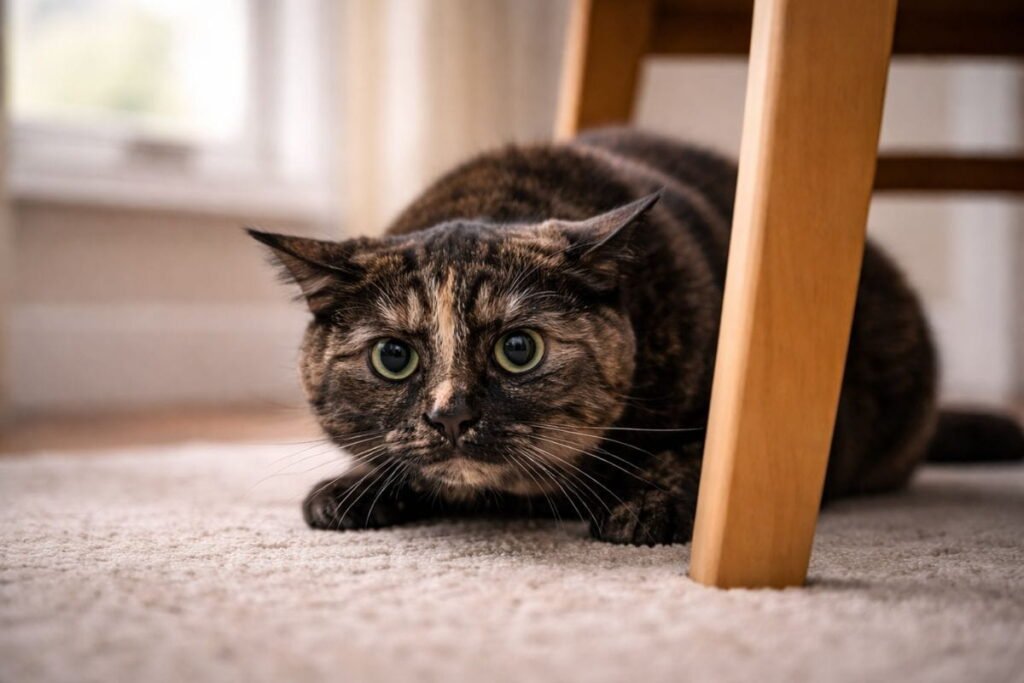
Most love bites are harmless, but sudden aggression may signal stress-related cat biting or pain-related aggression in cats. Persistent biting with hissing, hiding, or tense posture, combined with flattened ears cat behavior or dilated pupils in cats, may indicate discomfort.
Consult a vet if bites break the skin or worsen. Addressing underlying issues early and watching feline communication signals ensures your cat remains safe, healthy, and affectionate, reducing potential injuries while maintaining trust. If you’d like to better understand why cats bite, communicate, and react during petting or play, International Cat Care (iCatCare) provides expert-reviewed guidance on feline behavior and welfare.
Final Thoughts
Cat love bites can be confusing at first, but they’re usually a normal part of feline communication. In many cases, these gentle nibbles are your cat’s way of expressing affection, inviting play, or responding to excitement. Learning to read your cat’s body language helps you understand when a love bite is playful and when it may be a sign of overstimulation or stress.
Every cat has its own personality and communication style. By respecting your cat’s boundaries, providing regular play and enrichment, and responding calmly to gentle bites, you can build a stronger, more trusting relationship. If your cat’s biting suddenly becomes frequent, painful, or aggressive, consult your veterinarian to rule out any underlying medical or behavioral concerns.
Cat Love Bites FAQs (Quick Answers to Popular Searches)
Cat love bites too hard?
This can happen due to overstimulation or frustration and may need redirection.
Why does my cat bite me gently out of nowhere?
Usually, a subtle way to get attention or signal playtime.
Cat love bites Reddit?
Many cat owners report that gentle nips are common and manageable with toys and enrichment.
Cat love bites vs real bite?
Love bites are soft and brief, while real bites are stronger, may break skin, and show stress signs.

Wahsay Ahmed is the founder of FelineNest and a cat care writer. His interest in feline health began in 2023 after adopting two cats, Whisker and Mochi. Since then, he has spent two years studying trusted veterinary resources, feline behavior, nutrition, and preventive care while applying that knowledge through daily care of his own cats.