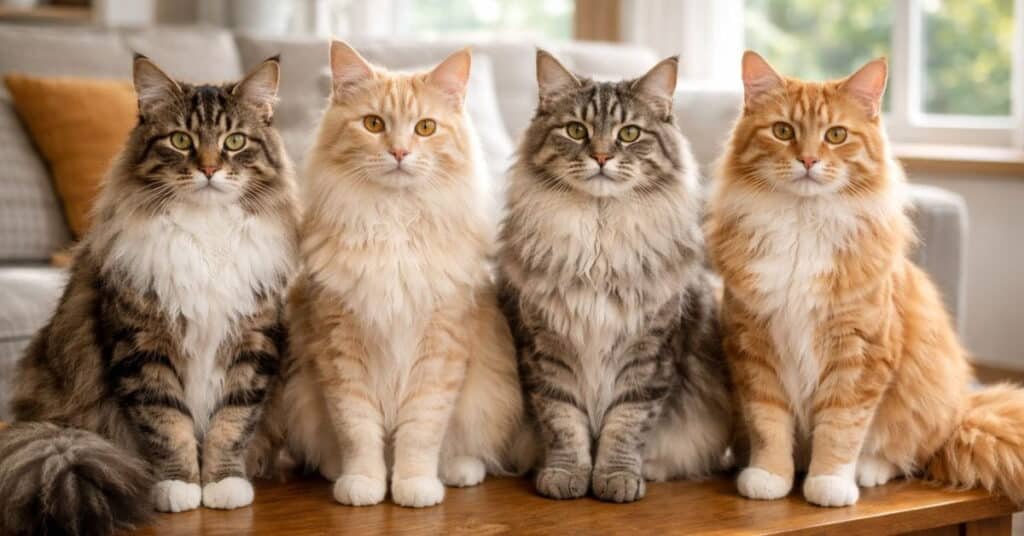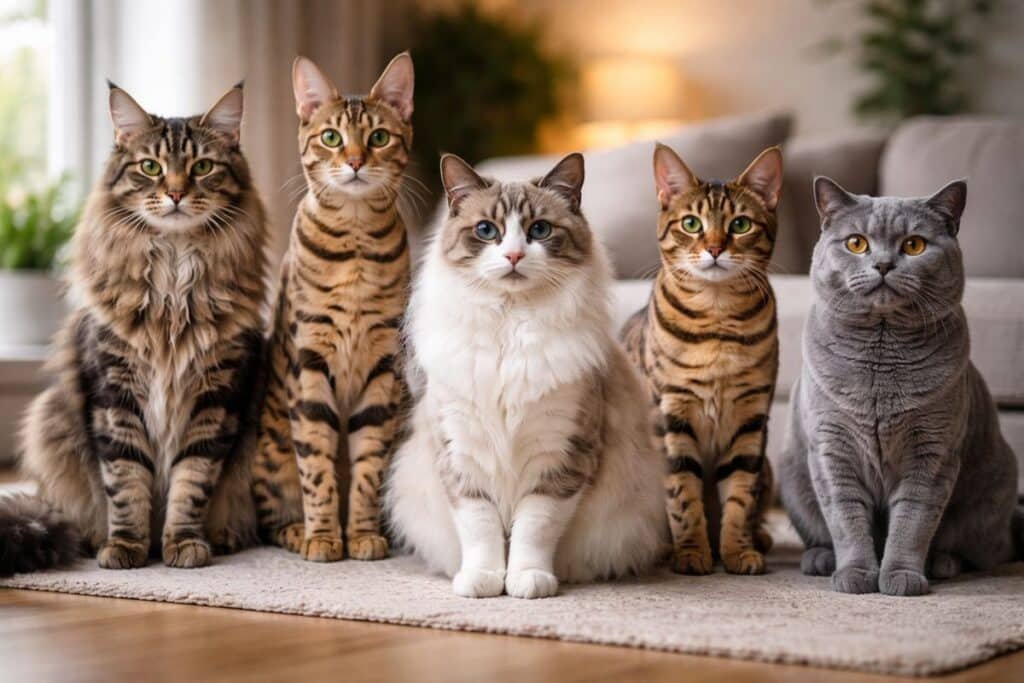
Living with a large cat feels like sharing your home with a quiet presence that fills every room. These Big Domestic Cat Breeds are not just bigger in size. They carry personality, intelligence, and a strong bond with humans. Many owners say it feels like living with a small wild spirit that chose to trust you.
In the USA, interest in large domestic cat breeds has grown fast because people want pets that feel interactive and emotionally connected. Some of these cats behave like companions rather than traditional pets, making them ideal for families and individuals who want more than just a house cat.
What Defines a “Big Domestic Cat Breeds? (Size, Weight, and Structure Explained)
A big cat is not only defined by weight. While many domestic cats that grow big can cross 15 to 20 pounds, real size also comes from body shape, bone structure, and muscle density. Some cats look huge because of thick fur, while others are naturally powerful underneath.
For example, two cats may weigh the same, but one feels heavier due to dense bone structure. That is why experts focus on building rather than just numbers. When comparing the large breed cats list, you will notice differences in height, length, and posture that matter more than scale readings.
Here is a simple comparison:
| Type | Weight Range | Appearance |
| Average house cat | 8–12 lbs | Small frame |
| Large domestic cat breeds | 15–25 lbs | Strong, long body |
| Giant-type breeds | 20+ lbs | Muscular, tall, heavy |
This shows why the biggest house cat breeds often surprise first-time owners with their presence and strength.
Maine Coon – The Gentle Giant With Dog-Like Personality
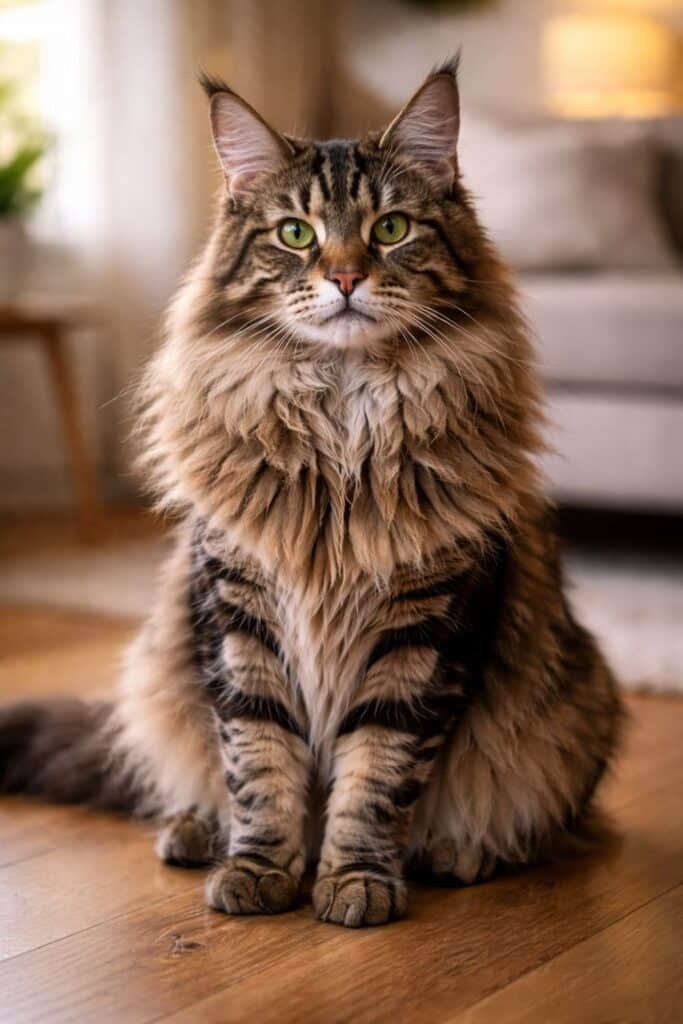
The Maine Coon is one of the most loved large, friendly cat breeds in the world. People often describe the Maine Coon personality as loyal, social, and calm. It behaves more like a dog, following its owners and staying close without being demanding.
One interesting real-life example comes from many owners in cold U.S. states. They report that Maine Coons naturally adapt to family routines, often greeting children after school or sitting quietly during work hours. However, their size means you must invest in strong furniture and proper grooming routines.
They are truly among the most balanced large companion cats, combining intelligence with emotional stability.
Savannah Cat – The Tallest and Most Exotic-Looking Breed
Savannah cats are among the most striking, biggest non-wild cats available today. Their long legs and spotted coat make them look almost wild, but they are domesticated when raised properly. Their Savannah cat size and behavior are energetic, alert, and highly intelligent.
However, they are not low-maintenance pets. These cats need space, movement, and mental stimulation. Many owners install climbing walls or vertical shelves because normal furniture is not enough. Without activity, they can become restless and destructive.
They are best suited for experienced owners who understand active big cats as pets and can match their energy level.
Ragdoll – The Laid-Back Lap Giant
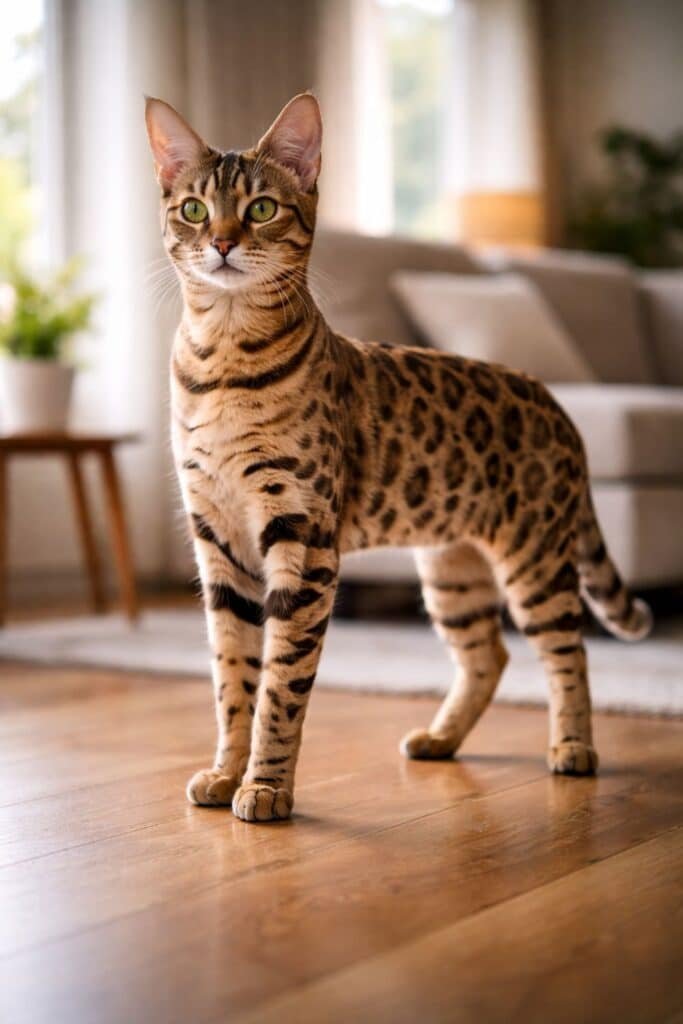
Ragdolls are among the calmest big fluffy cat breeds. Their Ragdoll temperament is relaxed, affectionate, and gentle. They often go limp when picked up, which is how they got their name.
But this peaceful nature has a downside. They move less than other breeds, which increases cat obesity risks if feeding is not controlled. Owners must carefully manage portion control for cats and ensure daily movement through soft play sessions.
They are perfect for people looking for quiet, emotional companionship in indoor settings.
Norwegian Forest Cat – Built for Cold and Climbing
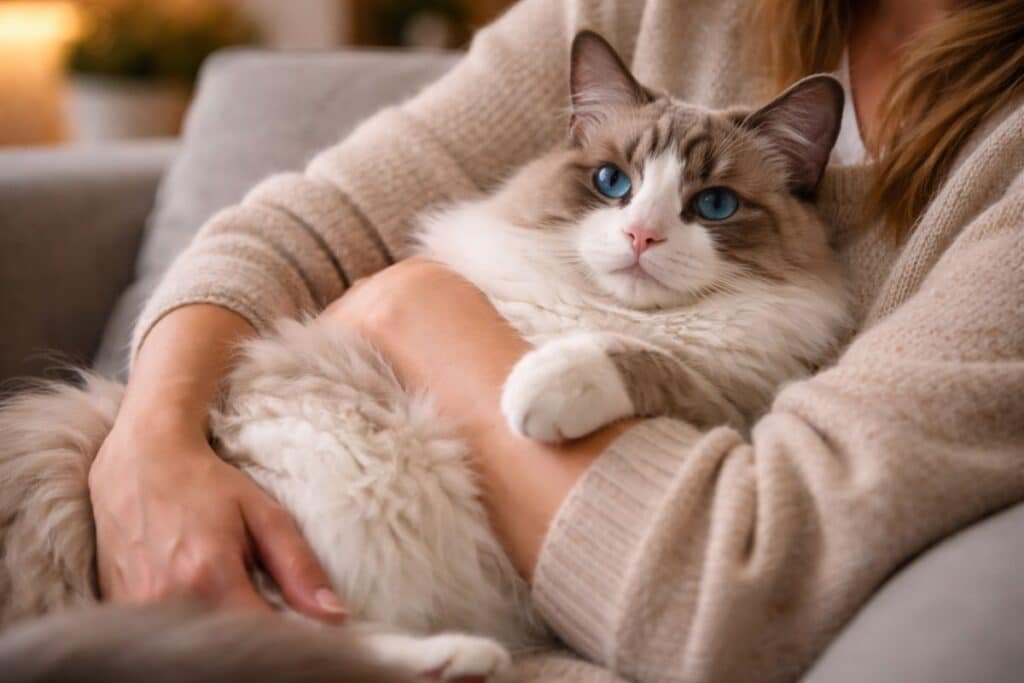
The Norwegian Forest Cat is one of the strongest large domestic cat breeds. It has thick fur, strong claws, and excellent climbing ability. Its Norwegian Forest cat traits reflect its survival background in cold climates.
These cats love vertical spaces. If you do not provide climbing areas, they will find their own. Owners often use tall trees or wall platforms to satisfy their instincts. Without activity, they can develop weight-related health issues in cats.
They are ideal for people who want a natural, adventurous indoor climber.
Siberian Cat – Powerful, Fluffy, and Hypoallergenic Traits
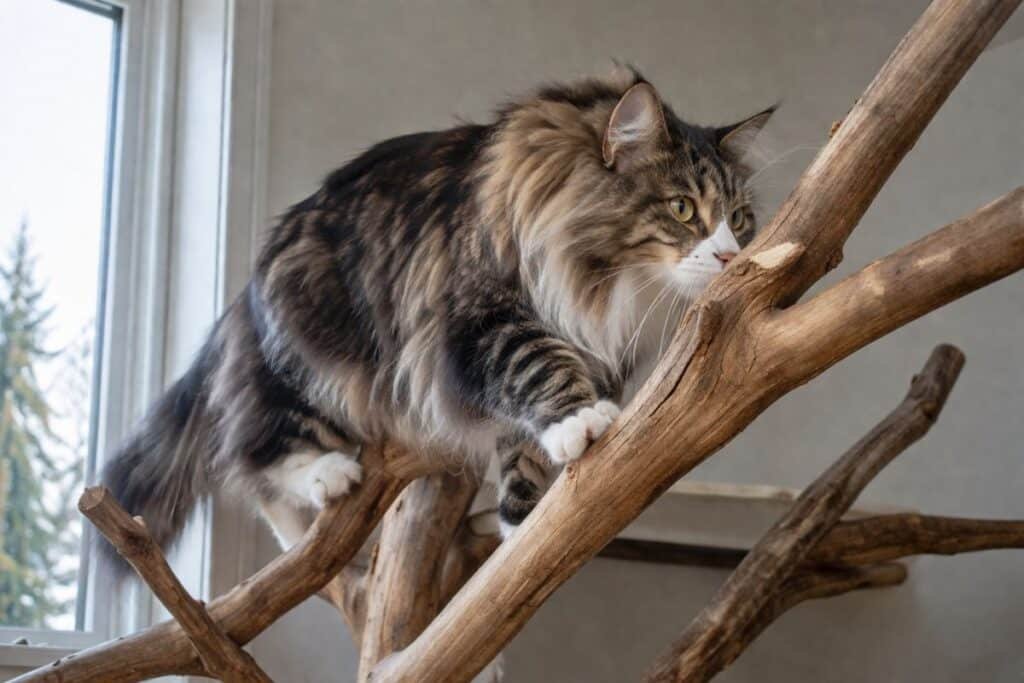
Siberians are known for their strength and beauty. Many people choose them because of the Siberian cat hypoallergenic trait, which makes them more suitable for allergy-sensitive households.
They are also slow maturing cat breeds, taking years to fully grow. During this time, they remain playful and kitten-like, which many owners enjoy.
With proper care and feeding big cat breeds correctly, Siberians become healthy, balanced, and affectionate companions.
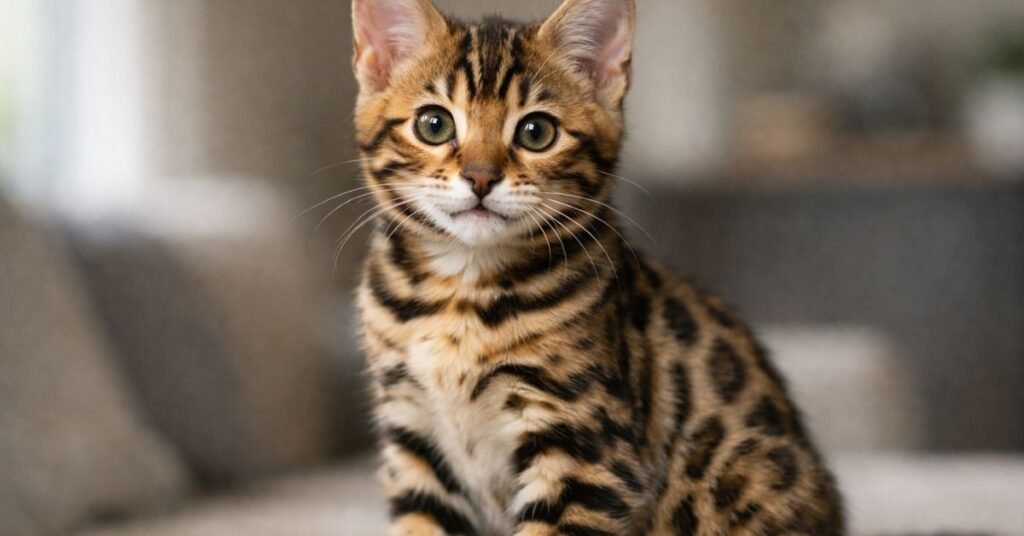
Bengal Cat – Muscular, Wild Look With High Energy
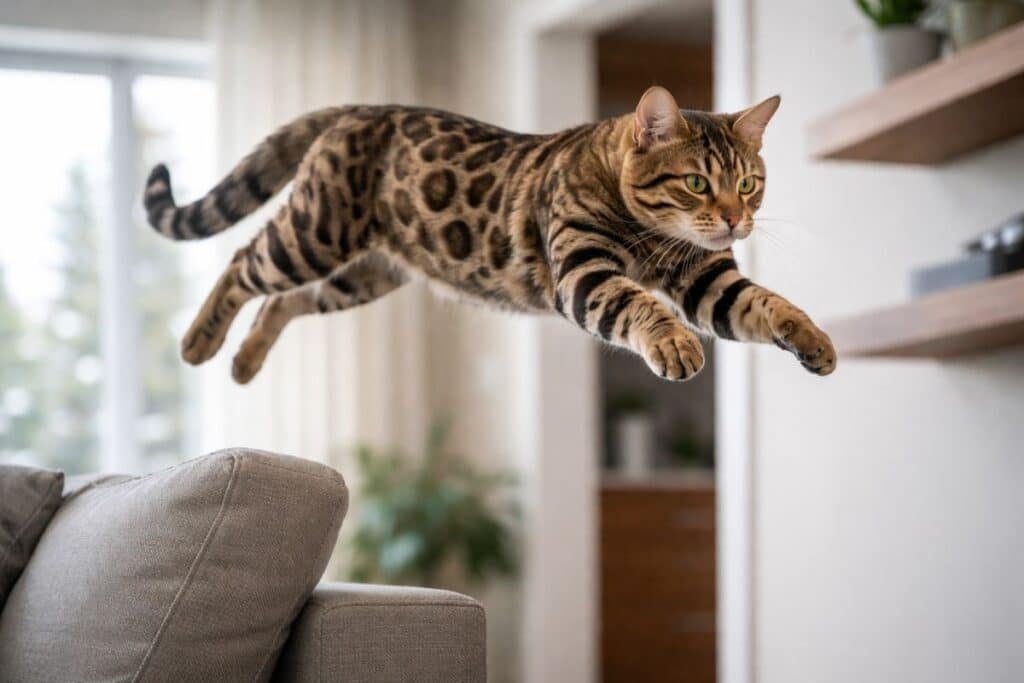
Bengals are athletic and intelligent. Their Bengal cat energy level is extremely high compared to most domestic breeds. They love running, climbing, and exploring every corner of the house.
Owners often use interactive cat toys and puzzle feeders for cats to keep them engaged. Without stimulation, they quickly become bored.
They are perfect for active people who want a pet that feels alive, energetic, and constantly curious.
Ragamuffin – Oversized and Ultra-Affectionate
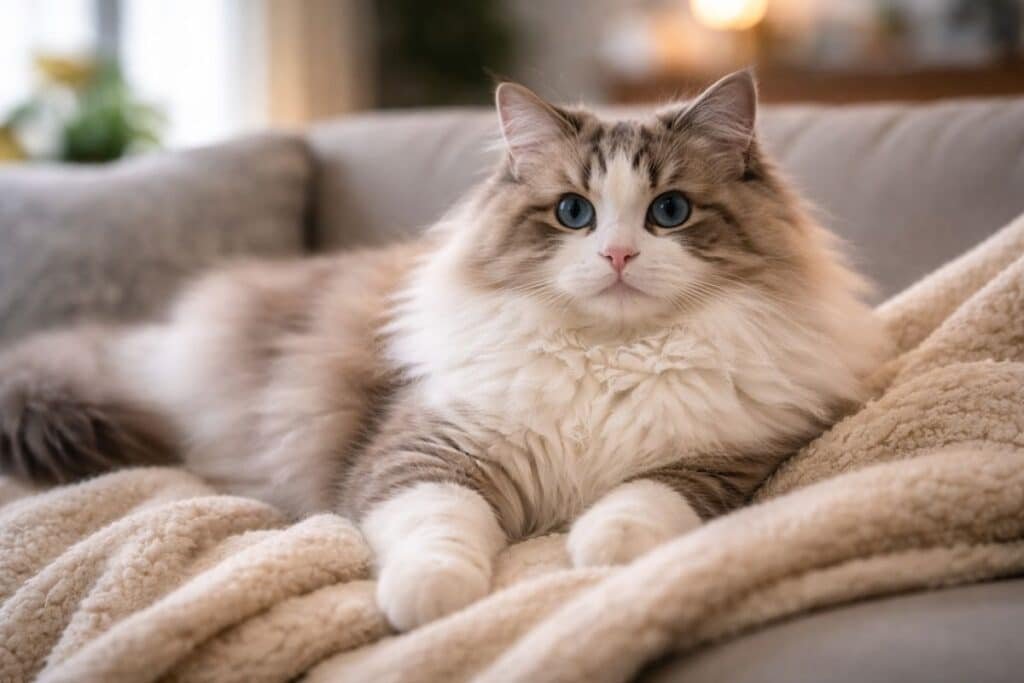
Ragamuffins are gentle giants with soft personalities. The Ragamuffin affectionate cat nature makes them ideal for families and children. They enjoy attention and often seek human contact.
Because of their size, they need larger supplies like a large litter box for big cats and sturdy resting areas. Without proper care, they may face weight-related health issues in cats.
They are one of the most emotionally connected big house cats available today.
British Shorthair – Chunky Build With Calm Nature
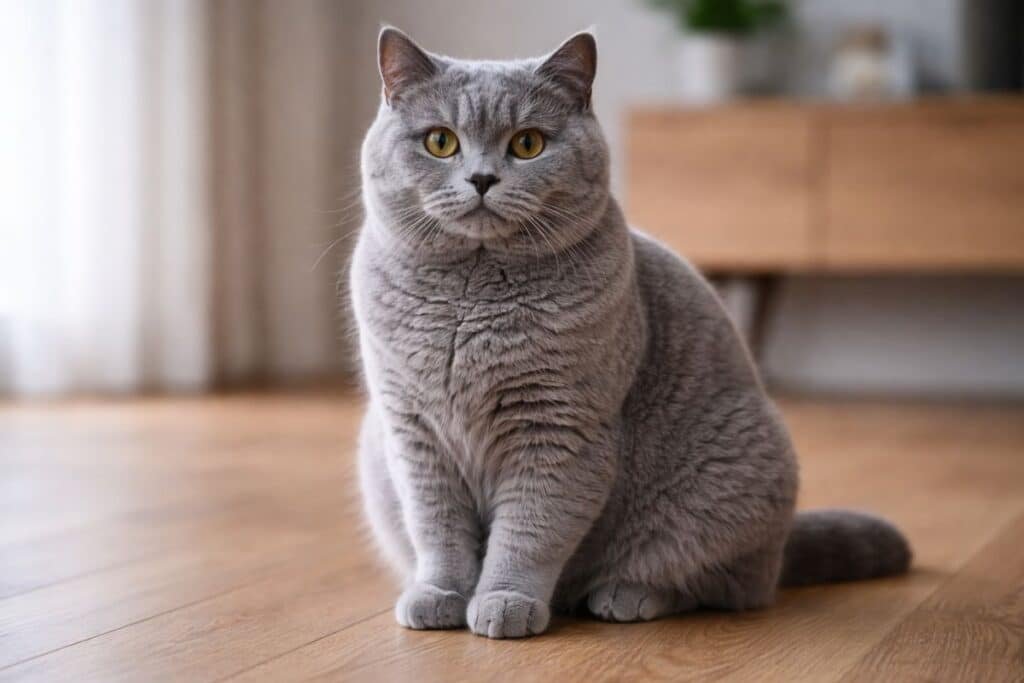
British Shorthairs are calm, quiet, and independent. Their British Shorthair behavior is steady and predictable, making them ideal for low-energy households.
However, their relaxed lifestyle increases the risk of arthritis in cats if not managed properly. Regular movement and a balanced diet for large cats are essential.
They are among the best low-maintenance large cat breeds for apartments and smaller homes.
Turkish Van – Athletic Swimmer With Unique Coat
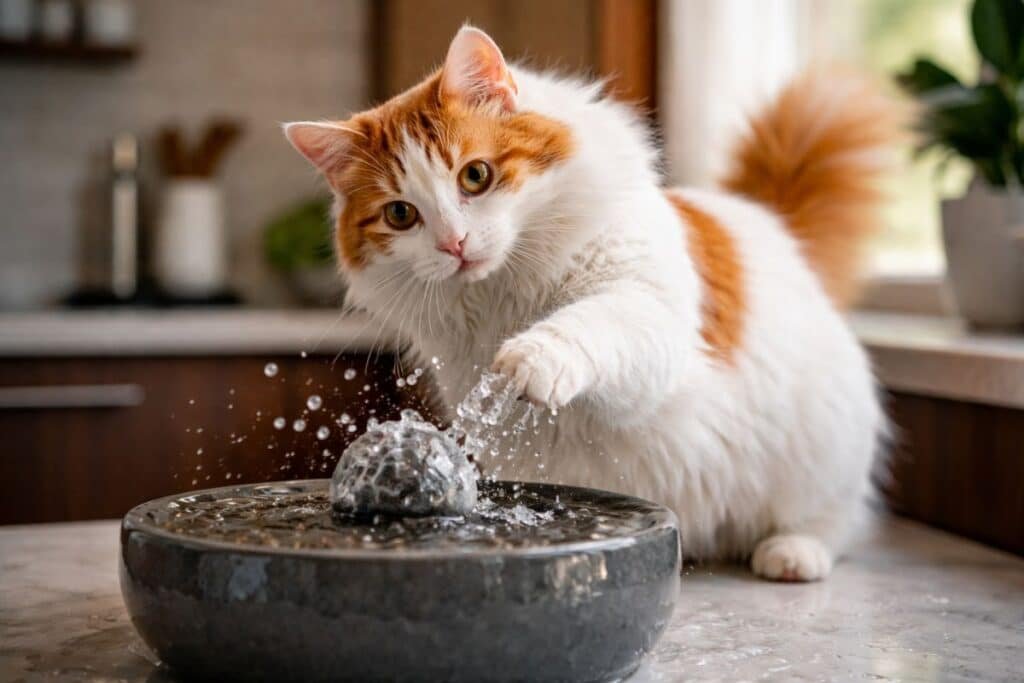
The Turkish Van is one of the most unique large domestic cat breeds because it enjoys water. Its Turkish Van water-loving cat behavior sets it apart from most felines.
These cats need space and stimulation to stay healthy. Regular activity and climbing structures help manage their energy. Without this, they may become bored and restless.
They are a great choice for active households with time for engagement.
American Bobtail & Chausie – Rare Large Breeds Worth Knowing
These rare breeds offer something different from mainstream cats. The American Bobtail intelligence makes it easy to train and is highly interactive with humans.
Chausies, on the other hand, have wild ancestry. They are energetic and require experienced handling. Owners often say they feel like living with a semi-wild companion.
Both breeds may face spine issues in cats and require proper veterinary care to stay healthy.
Big Cat Breeds Comparison: Which One Is Right for Your Lifestyle?
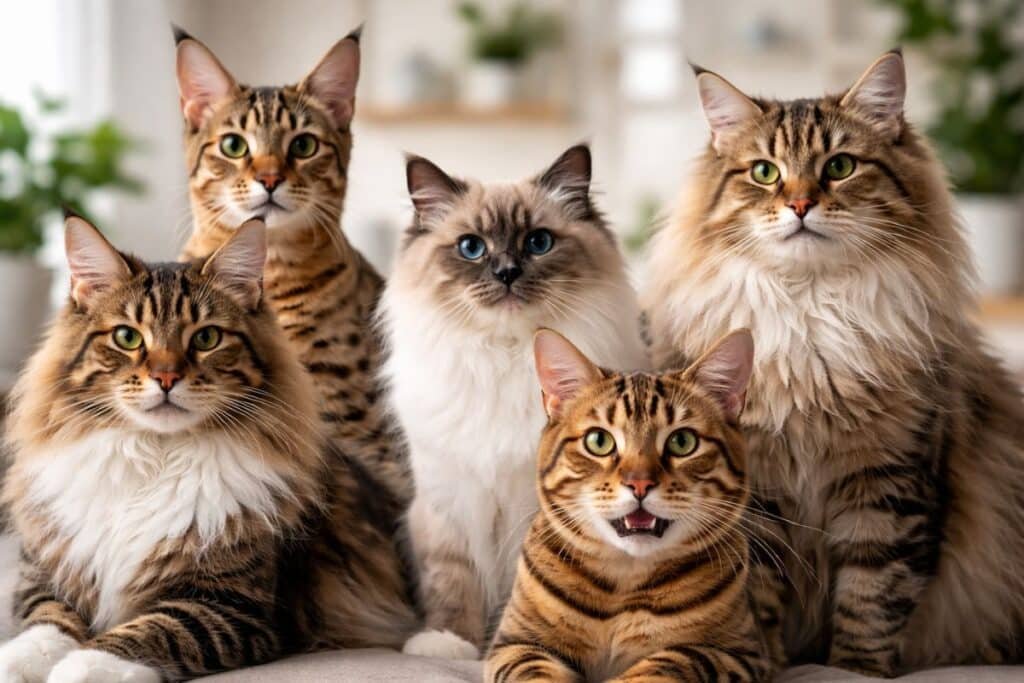
Choosing between big cat breeds depends on your lifestyle. Some are calm and suited for apartments, while others need large open spaces.
If you prefer quiet companionship, Ragdolls and British Shorthairs work well. If you want energy and interaction, Bengals or Savannahs are better choices. Matching personality matters more than size alone.
Cost of Owning a Large Cat Breed (Hidden Expenses Most Blogs Miss)
Owning big cats as pets costs more than many expect. Food consumption is higher, and medical care often costs more due to size.
Items like sturdy cat tree for large cats, larger litter boxes, and quality food increase monthly expenses. Planning ahead prevents financial stress later.
Care Guide for Large Cats: Diet, Space, and Exercise Needs
Proper care for big cat breeds includes balanced nutrition, space, and movement. Without this, health problems develop quickly.
Daily activity helps prevent preventing obesity in cats, while proper feeding supports long-term health. Vertical spaces also improve mental stimulation.
For reliable information about cat breeds and responsible cat ownership, visit the Cat Fanciers’ Association.
Health Issues Common in Large Cat Breeds (And How to Prevent Them)
Large cats may develop joint problems like hip dysplasia in cats and arthritis in cats. These issues often come from weight or inactivity.
Regular vet visits, controlled feeding, and exercise reduce risks. Prevention is always easier than treatment.
Biggest Cat Records: Longest, Heaviest, and Most Impressive Cats Ever
Some largest pet cats have reached record-breaking sizes, especially Maine Coons. These records help answer curiosity about what is the biggest domestic cat breed.
They show how genetics and care can influence size significantly. For more information about different large and giant cat breeds, check our guide to Big Cat Breeds.
Pros and Cons of Owning a Big Cat (Before You Decide)
Owning big cat breeds is rewarding but requires responsibility. You get companionship, affection, and personality, but also higher care needs.
Understanding challenges early helps avoid surprises later.
Personal Experience
I’ve always found large cats especially impressive because they combine a strong presence with gentle personalities. Watching a big cat relax beside you can make them feel less like a pet and more like part of the family.
Final Verdict: Choosing the Perfect Large Cat Breed for Your Home
The best big cat breed depends on your lifestyle, space, budget, and available time. A calm Ragdoll or British Shorthair may suit a quieter home.
Active owners may prefer a Bengal, Savannah, or Norwegian Forest Cat. These breeds need more exercise, climbing space, and daily interaction.
Remember that a larger body also means larger care needs. Food portions, litter boxes, cat trees, grooming tools, and veterinary care should all match the cat’s size.
If you choose carefully, large domestic cat breeds can become loving and memorable family companions. Their size may catch your attention first, but their personality is what makes them special.

Wahsay Ahmed is the founder of FelineNest and a cat care writer. His interest in feline health began in 2023 after adopting two cats, Whisker and Mochi. Since then, he has spent two years studying trusted veterinary resources, feline behavior, nutrition, and preventive care while applying that knowledge through daily care of his own cats.