Choosing the best senior cat food is one of the most important decisions you can make for your aging feline. As cats age, their bodies change, and their nutritional needs shift significantly. Providing the right senior cat nutrition helps maintain muscle mass, supports joint health, and prevents age-related issues like arthritis and kidney disease.
Many owners are unsure whether to choose wet or dry food, or how to balance nutrients. Feeding your cat the right food for older cats improves energy, digestion, and happiness. A thoughtful diet for senior cats ensures they enjoy their golden years active and healthy.
When Is a Cat Considered Senior? (Age, Life Stage, and Health Changes)
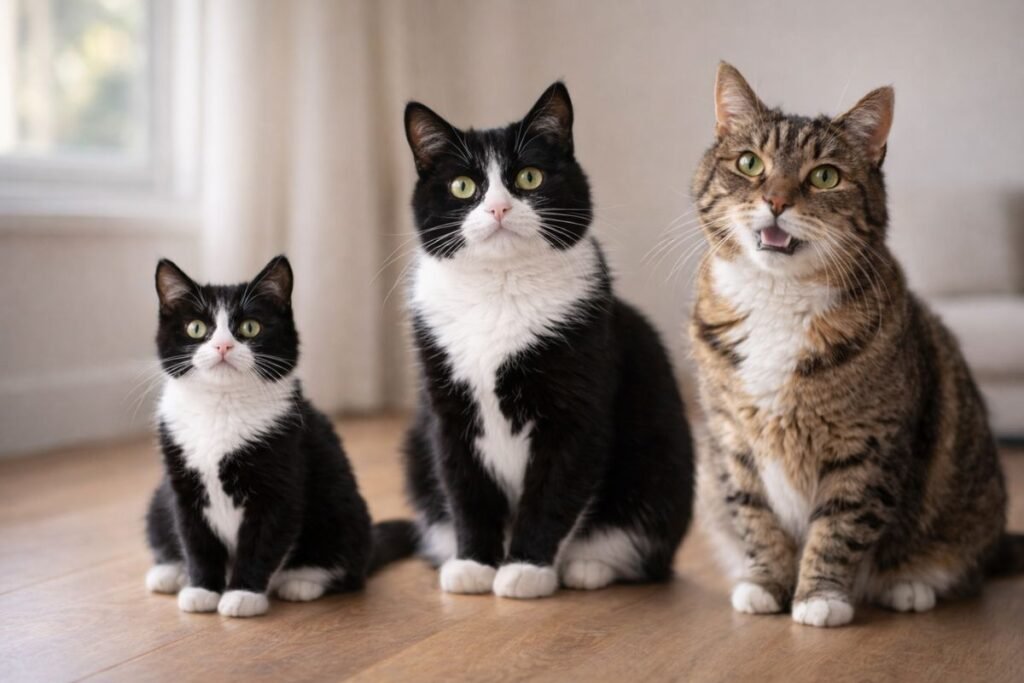
A cat is generally considered senior between seven and ten years old. At this stage, age-related changes in cats become noticeable. Seniors often sleep more, are less active, and may have senior cat appetite changes. Their metabolism slows, increasing the risk of weight gain. Common issues include arthritis in older cats, kidney disease in senior cats, and dental problems in senior cats. Knowing when is a cat considered senior helps owners adjust their aging cat diet for long-term wellness.
Older cats process nutrients differently. They need more high-quality animal protein for muscle mass maintenance, additional fiber for digestion, and a balanced mix of minerals for bone and joint health. Recognizing older cats dietary needs early prevents serious health problems and ensures your cat enjoys vitality, comfort, and happiness in their senior years.
How Aging Changes a Cat’s Nutritional Needs
As cats age, slowed metabolism in cats means they burn calories more slowly. Some may lose muscle or appetite, while others gain weight. Providing high-quality animal protein and easily digestible foods is key for muscle mass maintenance and energy. A proper senior feline diet balances protein, fats, and essential nutrients while preventing obesity and malnutrition.
Older cats may develop digestive issues, food sensitivities, or reduced nutrient absorption. Dietary fiber for cats helps maintain digestive health in older cats, while vitamins and minerals for cats support organ function. Balanced senior cat nutrition keeps the heart, kidneys, and joints healthy and boosts overall longevity and vitality.
Essential Nutrients Senior Cats Need (And Why Each One Matters)
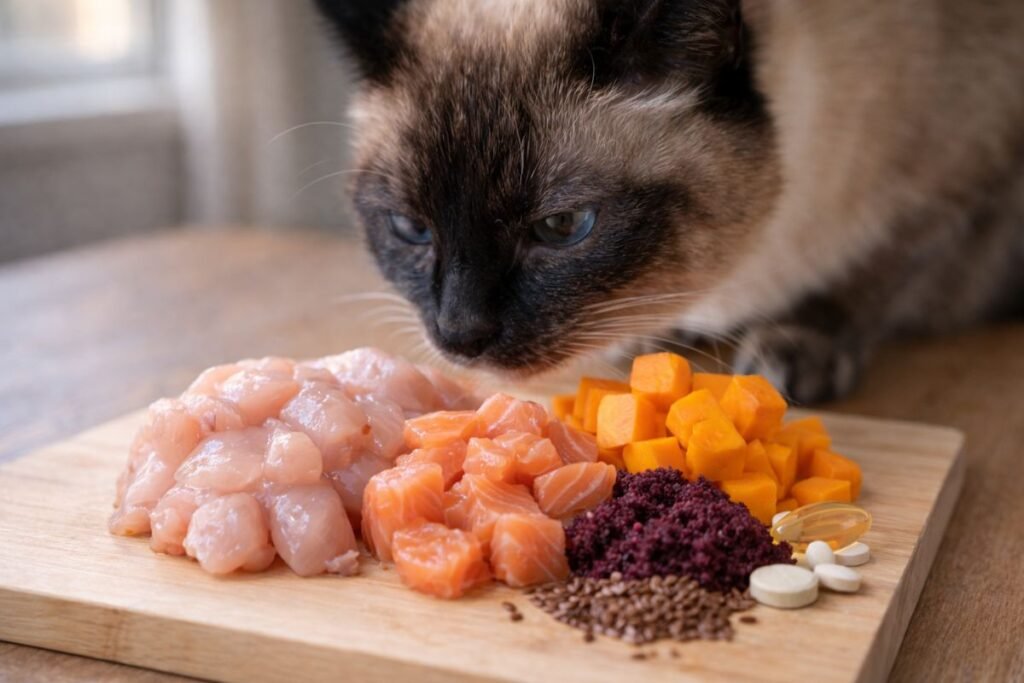
Protein is critical for muscle mass maintenance, organ repair, and immunity. Always select foods where high-quality animal protein is the main ingredient. Controlled fat levels provide energy without causing obesity. Omega-3 fatty acids and omega-6 fatty acids reduce inflammation, support joint health in senior cats, and maintain a shiny coat.
Dietary fiber for cats improves digestion, prevents constipation, and supports digestive health in older cats. Antioxidants for cats protect against cellular damage, while calcium and phosphorus balance strengthens bones, especially in cats with arthritis in older cats. Proper nutrition for senior cats ensures longevity, vitality, and a better quality of life.
| Nutrient | Benefit | Sources |
| Protein | Muscle maintenance, repair | Chicken, turkey, fish |
| Fat | Energy, weight control | Fish oil, chicken fat |
| Fiber | Healthy digestion | Pumpkin, beet pulp |
| Omega-3 & Omega-6 | Joint & coat health | Salmon oil, flaxseed |
| Antioxidants | Cellular protection | Vitamins E & C |
| Calcium & Phosphorus | Bone strength | Dairy, balanced mineral mix |
Protein in Senior Cat Food: How Much Is Enough Without Harming Kidneys?
Many owners worry that protein harms the kidneys. In reality, high-quality animal protein is essential for muscle mass maintenance and organ support. Seniors need moderate protein to prevent frailty. Avoid low-quality fillers, which provide calories but little nutrition.
Senior cats with kidney disease may need specialized diets. Healthy seniors benefit from 30–40% protein. Balanced protein ensures weight management for senior cats while protecting kidney function. Always consult your vet if your cat has pre-existing kidney issues.
Wet vs. Dry Food for Senior Cats: Which Is Better in Real Life?
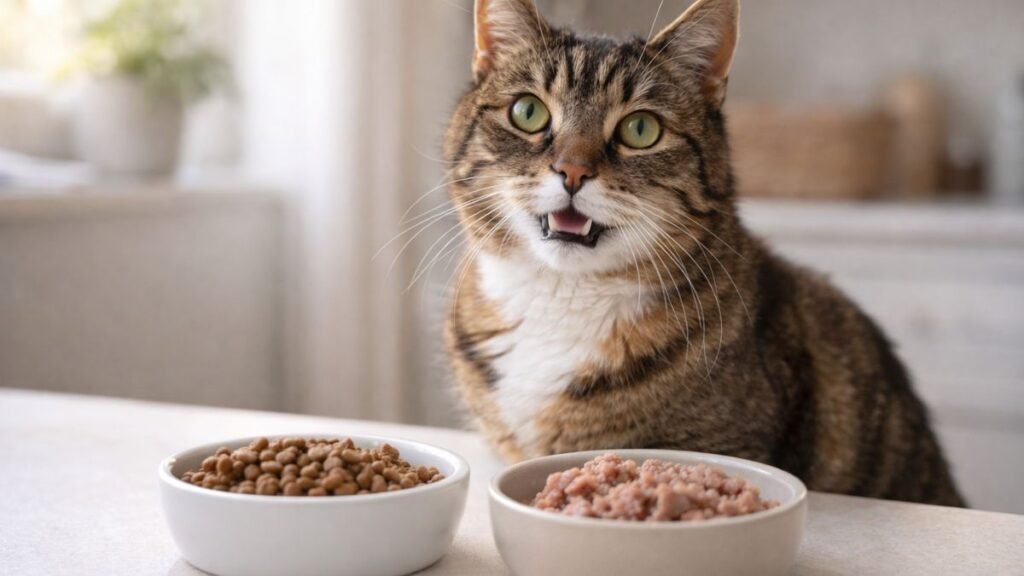
Wet food for senior cats contains more moisture, perfect for hydration for senior cats and urinary health. It’s easy to chew, ideal for cats with dental problems in senior cats, and often more palatable, helping manage senior cat appetite changes.
Dry food for senior cats is convenient and supports dental health. Cats must drink enough water to avoid kidney stress. Many owners combine wet and dry food to balance moisture-rich cat food intake, dental care, and nutrient diversity.
| Type | Pros | Cons |
| Wet Food | Hydrating, easy to eat | Short shelf life, pricier |
| Dry Food | Dental benefits, convenient | Less moisture, risk of dehydration |
Ingredients to Look For—and Ingredients to Avoid in Senior Cat Food
Choose foods with high-quality animal protein, fiber, antioxidants, and essential fatty acids. Chicken, fish, or turkey should be first in the ingredient list. Avoid fillers, artificial colors, and high phosphorus, which can strain the kidneys.
Fiber improves digestive health in older cats, while omega-3 fatty acids support joint health in senior cats. Antioxidants reduce age-related cell damage. Foods tailored for older cats dietary needs ensure a safe and balanced senior feline diet.
Best Types of Food for Senior Cats (Commercial, Prescription, Homemade)
Commercial foods like Hill’s Science Diet Senior or Royal Canin Aging 12+ provide convenience and balanced nutrients. Prescription diets for cats target kidney disease, diabetes, or weight concerns. Homemade meals with cooked meat, vegetables, and supplements can meet senior cat nutrition needs if carefully balanced.
Cats with dental issues may prefer soft or wet foods. Weight-sensitive cats need lower-fat meals. Picky eaters need flavorful options. Choosing the right type supports weight management and overall health in senior cats.
Feeding Senior Cats With Special Conditions (Kidney Disease, Diabetes, Weight Loss)
Cats with kidney disease in senior cats require low-phosphorus, high-quality protein diets. Diabetic cats benefit from high-protein, low-carb meals. Unexplained weight loss may require more palatable senior cat food to restore energy.
Monitor senior cat appetite changes closely. Consistent feeding schedules, moisture-rich meals, and supplements like fish oil support joint health in senior cats and vitality. Always consult your vet for special health needs.
How Much and How Often to Feed a Senior Cat
Portion control is essential for weight management for senior cats. Smaller, frequent meals aid digestion and prevent overeating. Adjust portions for activity, metabolism, and health status.
Proper feeding schedules also manage senior cat appetite changes. Wet food should be paired with fresh water to maintain hydration for senior cats. Following correct feeding senior cats techniques ensures a balanced aging cat diet and a longer, healthier life.
When to Change Your Senior Cat’s Diet—and When to See a Vet
Transition senior cat food gradually over 7–10 days to avoid digestive upset. Vomiting, diarrhea, sudden weight loss, or worsening senior cat health conditions are signs to visit a vet.
Regular check-ups detect kidney disease in senior cats, arthritis, or dental issues early. Adjusting a senior feline diet based on veterinary advice ensures your cat enjoys a long, healthy life with the best senior cat food tailored to their needs.
Top 5 Senior Cat Foods in the USA (2026)
| Brand | Type | Protein | Fat | Fiber | Price (USD) | Notes |
| Hill’s Science Diet Senior | Dry/Wet | 32% | 12% | 3% | $35/15lb | Balanced for kidney & joint health |
| Royal Canin Aging 12+ | Dry | 30% | 14% | 4% | $40/12lb | Supports digestion and mobility |
| Blue Buffalo Healthy Aging | Dry/Wet | 34% | 10% | 3% | $38/12lb | Natural ingredients with antioxidants |
| Purina Pro Plan Focus Senior | Dry/Wet | 36% | 12% | 4% | $36/15lb | Variety of protein sources for vitality |
| Wellness CORE Grain-Free Senior | Dry/Wet | 38% | 12% | 3% | $42/12lb | Grain-free, rich in omega fatty acids |
How to Choose the Best Senior Cat Food for Your Cat
Choosing the best senior cat food should depend on your cat’s age, body condition, activity level, and health needs. A healthy senior may need a balanced diet that supports muscle mass maintenance, digestion, and hydration. Cats with kidney disease, diabetes, dental problems, or unexplained weight loss may require a different nutritional approach.
Read the nutritional information and feeding guidelines instead of choosing food based only on the word “senior” on the package. Look for appropriate animal protein, essential nutrients, and a calorie level that matches your cat’s needs. If your cat has a diagnosed medical condition, ask your veterinarian before making major changes to its senior feline diet.
My Personal Experience With Senior Cat Nutrition
Caring for an older cat can teach you how quickly eating habits can change with age. A food that your cat once loved may suddenly become less appealing, especially when appetite, activity, or dental comfort changes. I have found that paying attention to small changes in eating habits can make feeding an older cat much easier.
I would recommend monitoring your cat’s weight, appetite, water intake, and activity regularly. Wet food can also be useful when an older cat needs more moisture or finds dry kibble difficult to chew. The goal should not simply be finding the “highest protein” food, but choosing a balanced diet that fits your cat’s individual nutritional and health needs.For reliable guidance about feeding older cats, the American Association of Feline Practitioners (AAFP) provides educational resources covering feline health and senior-cat care. Veterinary guidance is especially important when an older cat develops kidney disease, diabetes, weight loss, dental problems, or other age-related conditions.
Final Thoughts
Choosing the best senior cat food is about more than selecting a product labeled for older cats. Senior cats have different nutritional and health needs, and those needs can change as they age. A balanced diet with appropriate protein, calories, essential nutrients, and adequate moisture can support muscle condition, digestion, and overall well-being.
Monitor your cat’s weight, appetite, hydration, and behavior as part of everyday care. If you notice sudden weight loss, vomiting, diarrhea, reduced appetite, or major changes in drinking habits, speak with your veterinarian. With the right senior cat nutrition, regular health checks, and a diet suited to individual needs, your cat can remain comfortable and active throughout its later years.
Frequently Asked Questions About Senior Cat Food
What is the healthiest cat food for a senior cat?
The healthiest senior cat food contains high-quality animal protein, balanced fats, fiber, and essential vitamins for joints, digestion, and overall vitality.
What are signs my cat needs senior food?
Look for decreased activity, weight changes, senior cat appetite changes, dental issues, and slower digestion, indicating an aging cat diet is needed.
Is senior cat food really different?
Yes, it has adjusted protein, fat, fiber, and nutrients specifically for older cats dietary needs, supporting aging organs.
What is the best thing for elderly cats?
A combination of high-quality senior cat food, proper hydration, and regular vet care keeps elderly cats healthy and active.

Wahsay Ahmed is the founder of FelineNest and a cat care writer. His interest in feline health began in 2023 after adopting two cats, Whisker and Mochi. Since then, he has spent two years studying trusted veterinary resources, feline behavior, nutrition, and preventive care while applying that knowledge through daily care of his own cats.