If your cat makes a soft musical sound instead of a meow, you’re hearing something special. The cat trill usually has a positive, social meaning. This gentle noise is part of everyday feline communication and reveals how your cat feels about you and their environment. Understanding it helps you respond better and build trust.
Cats don’t speak our language, but they communicate clearly. Their voices, posture, and eyes work together. Learning the different cat sounds and their meanings improves your understanding of cat language and strengthens your relationship over time.
What Is Cat Trilling? (Simple Definition for Cat Owners)
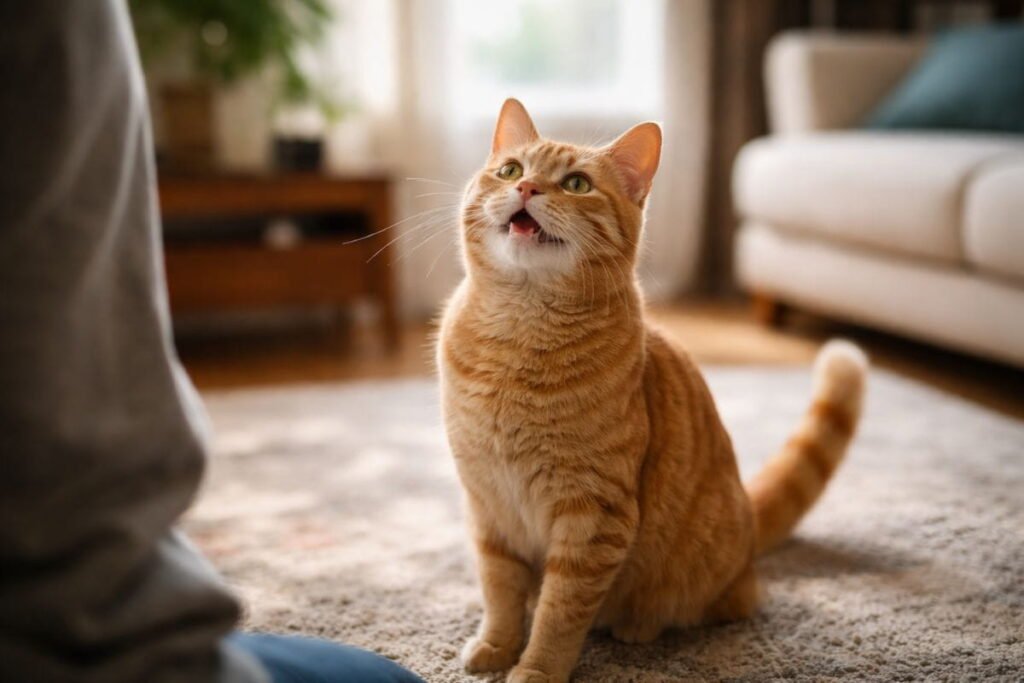
The cat trilling meaning refers to a short, high-pitched rolling sound made with a closed or slightly open mouth. This cat trill sound sits between a purr and a meow. It is one of the most pleasant types of cat vocalizations and often signals comfort and friendliness.
This sound usually appears during social moments. Many experts consider it a clear sign of contentment in cats and overall healthy cat behavior. When you hear it, your cat is likely relaxed and expressing positive cat emotions through natural cat vocal behavior.
What Does Cat Trilling Sound Like? (Trill vs Chirp vs Chatter)
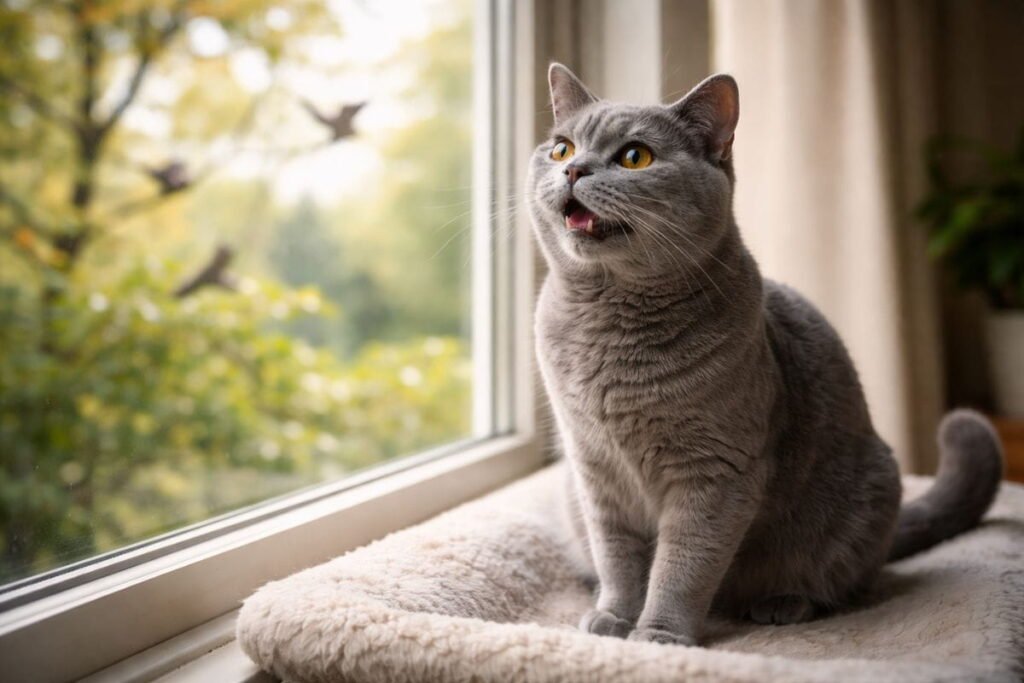
A trill often sounds like a quick “brrp” or rolling chirp. Many owners confuse it with a cat chirping sound. However, there is a difference between cat chirps and trills and other noises. A trill is smooth and social, while chirping often appears during hunting excitement.
Understanding cat trill vs meow also helps. Meows vary in meaning, but trills almost always signal friendly intent. The table below explains common sounds and their emotional context, helping you read feline emotional expression and overall normal cat vocalization.
| Sound Type | Typical Meaning | Emotional State |
| Trill | Greeting or affection | Relaxed and social |
| Chirp | Hunting excitement | Focused and alert |
| Meow | Request or complaint | Mixed emotions |
| Chatter | Frustration at prey | High arousal |
Why Do Cats Trill? The Main Reasons Behind This Behavior
Many owners ask, why do cats trill? The answer is simple. Cats use trills to greet, invite interaction, or show comfort. This gentle tone reflects strong feline body language and sounds working together with social intent.
Sometimes a cat trills to guide you toward food, a toy, or a favorite spot. Other times it appears during play or exploration. In most cases, the cat trilling meaning connects to playful cat behavior, excitement, and everyday cat excitement behavior.
Cat Trilling at Humans: What Your Cat Is Trying to Tell You
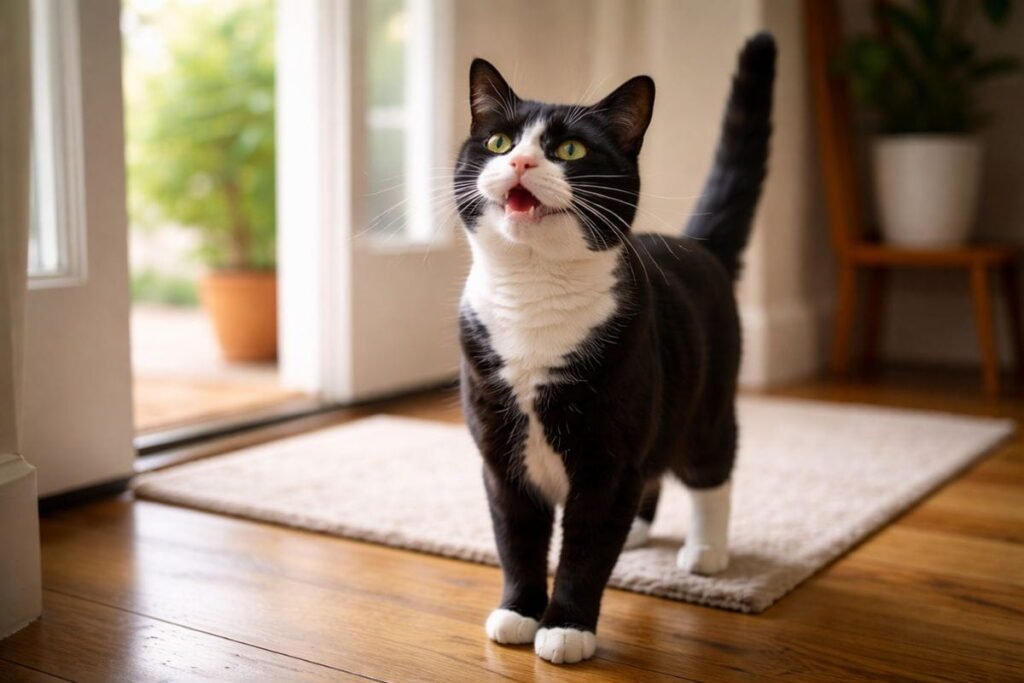
Cat trilling at humans often happens when you come home or enter a room. Think of it as a warm hello. This soft cat greeting sound shows trust and strong human-cat bonding inside your shared space.
Some cats trill to request attention, food, or play. Others invite you to follow them somewhere important. This behavior reflects gentle attention-seeking behavior in cats and clear cat showing affection through friendly social communication.
Cat Trilling at Other Cats and Animals
Cat trilling at other cats helps maintain peace and connection. This soft tone works as a friendly signal during greetings or play. In multi-cat homes, it supports social bonding in cats and reduces tension during daily interactions.
Cats also trill when inviting play or sharing space calmly. These sounds act as subtle cat interaction signals within normal domestic cat behavior. Understanding them helps you manage group dynamics and maintain harmony at home.
Why Do Cats Trill When You Touch or Pick Them Up?
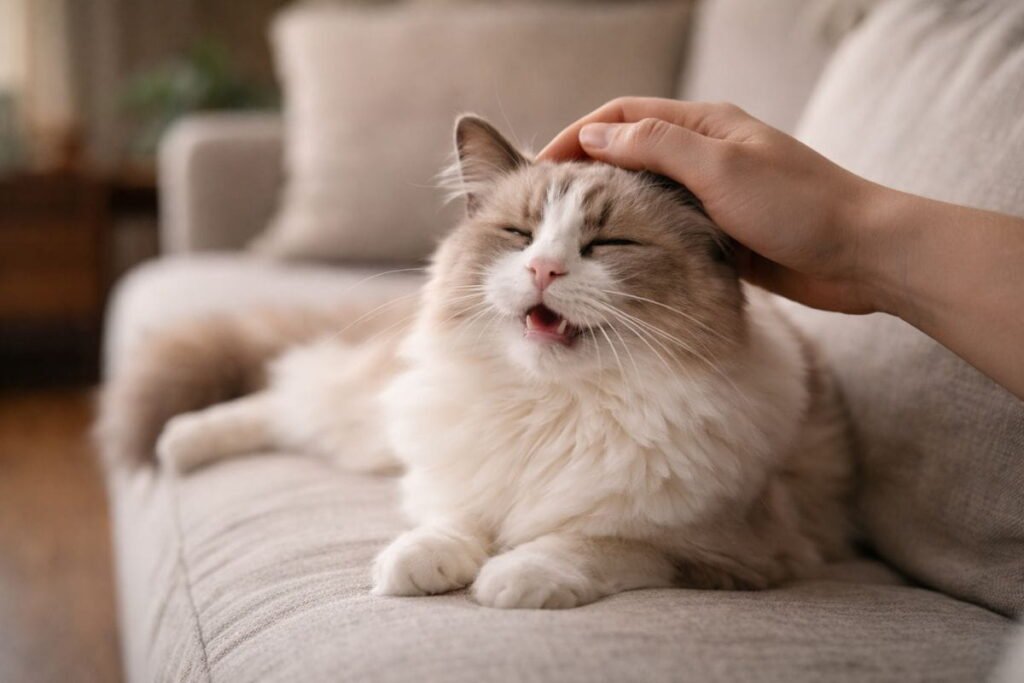
If your cat makes a sound during petting, it often reflects cat trilling when touched and deep comfort. This reaction signals trust and is a strong signs of a happy cat during physical contact.
Watch their body closely. Relaxed ears and a loose tail confirm comfort. However, tension or tail flicking means overstimulation. Matching touch with feline body language and sounds ensures ongoing healthy cat behavior and emotional safety.
The Mother-Kitten Connection: Why Trilling Starts Early
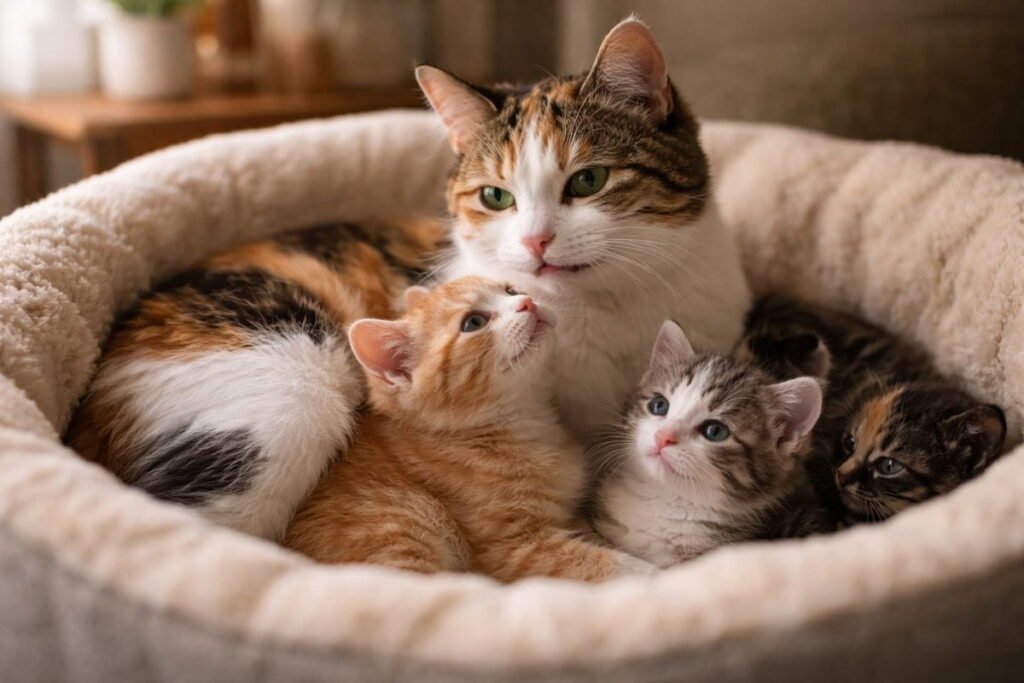
The roots of kitten trilling behavior begin at birth. Mothers use soft trills to guide and reassure their young. This early mother cat and kitten communication helps kittens feel safe and connected.
As they grow, kittens copy the sound. This natural kitten learning vocalization continues into adulthood. Many cats later use the same tone with humans, showing family-like trust and strong positive cat emotions.
Is Cat Trilling Always Normal? When to Be Concerned
Most of the time, trilling is harmless and healthy. It fits within normal domestic cat behavior and stable emotional states. Regular patterns usually reflect comfort and steady feline emotional expression.
However, sudden changes matter. Excessive vocalizing, hiding, or appetite loss may signal stress or illness. Tracking shifts in normal cat vocalization helps you detect problems early and protect long-term wellness.
Which Cat Breeds Are More Likely to Trill?
Some breeds communicate more than others. Siamese, Bengals, Maine Coons, and Oriental breeds show frequent feline communication and expressive personalities. These cats rely heavily on sound within daily social life.
Still, personality matters more than breed. Even quiet cats trill with trusted people. Regardless of genetics, the core cat trilling meaning remains the same, reflecting comfort, curiosity, and emotional security.
How to Respond to Your Cat’s Trilling (Strengthen Your Bond)
The best response is simple and warm. Talk back, offer gentle petting, or follow their lead. Positive reactions reinforce trust and deepen human-cat bonding through everyday interaction.
If trilling becomes constant for attention, create routine play sessions instead of instant rewards. Balanced responses support emotional stability, encourage healthy cat behavior, and keep communication clear and positive. From my own experience with cats, I’ve noticed that trilling usually happens during calm, happy moments. My cats often greet me with a soft trill when I walk into the room or prepare their meals. I’ve learned that responding with a gentle voice or a little attention helps strengthen our daily bond and makes communication feel much more natural.
Quick Summary: What Does Cat Trilling Meaning Tell You?
So, what does cat trilling mean in daily life? In most situations, it signals happiness, trust, and social connection. This gentle sound reflects strong feline communication and healthy emotional balance.
When you understand the cat trilling meaning, you begin reading your pet like a book. Over time, this awareness improves understanding cat language, strengthens your bond, and helps you respond with confidence and care.
Can You Encourage Your Cat to Trill More?
While every cat has its own personality, you can encourage positive vocal communication by creating a safe and rewarding environment. Cats are more likely to trill when they feel relaxed, confident, and connected to their owners.
Simple ways to encourage natural trilling include:
- Spend a few minutes playing together every day.
- Greet your cat with a calm, friendly voice.
- Reward affectionate behavior with gentle petting.
- Keep a consistent daily routine.
- Respect your cat’s personal space and avoid forcing interaction.
Remember, some cats naturally trill more than others. A quiet cat isn’t unhappy—it simply has a different communication style. For more information about feline behavior and communication, the American Association of Feline Practitioners provides reliable cat health and behavior resources for pet owners.
Final Thoughts
Cat trilling is one of the friendliest sounds your cat can make. In most cases, it reflects trust, happiness, curiosity, and a desire to interact with you. Unlike loud meowing, a trill is usually a gentle greeting that strengthens the bond between cats and their families.
Every cat communicates a little differently, so it’s helpful to pay attention to the situation, body language, and daily routine instead of focusing on the sound alone. Small details—such as relaxed ears, slow blinking, or rubbing against your legs—often confirm that your cat is feeling safe and content.
The more you understand your cat’s vocalizations, the easier it becomes to recognize changes that may signal stress or illness. Responding with patience, regular playtime, and positive interaction builds trust over time and creates a stronger relationship with your feline companion. In the end, every little trill is your cat’s unique way of saying, “I’m happy you’re here.”
FAQs
What’s the difference between purring and trilling?
Purring is a steady, vibrating sound that shows relaxation or comfort, while a trill is a short, high-pitched greeting sound used for friendly communication.
Why does my cat go mrrp when I touch her?
That soft “mrrp” or trill usually means your cat feels comfortable, happy, and enjoys the interaction.
What does it mean when my cat trills when she sees me?
Trilling when she sees you is a friendly greeting and a sign she’s excited and happy you’re there.
When cats trill, are they happy?
Yes, in most cases, trilling reflects positive emotions like affection, excitement, and social connection.

Wahsay Ahmed is the founder of FelineNest and a cat care writer. His interest in feline health began in 2023 after adopting two cats, Whisker and Mochi. Since then, he has spent two years studying trusted veterinary resources, feline behavior, nutrition, and preventive care while applying that knowledge through daily care of his own cats.