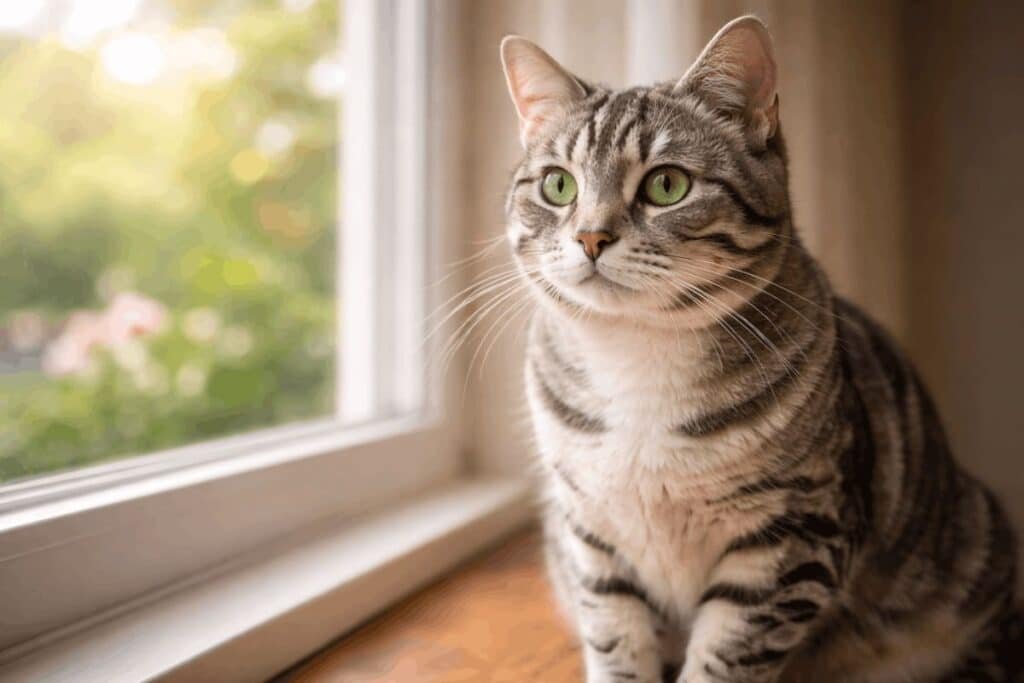
What Do Cat Ears Tell You? Understanding Cat Ear Language and Emotional Signals
Cats don’t speak words, but they never stop talking. Their ears reveal emotions faster than anything else. When you learn cat ear language, you unlock hidden feelings your cat cannot express in other ways. That is why What Do Cat Ears Tell You? becomes such an important question for every cat owner in the USA.
This guide explains real feline ear signals, emotional changes, and behavior patterns in simple English. You will also learn how a cat’s body language ears connect with mood, health, and trust. By the end, you will understand what cat ears movements mean in everyday situations.
Why Cat Ear Language Matters (Understanding Silent Communication)
Cats rely on silent signals more than sound. Their ears move like emotional antennas. These movements show fear, comfort, curiosity, or stress. When you study cat emotions through ears, you begin to notice patterns that improve your bond with your pet.
In fact, many owners miss early signs of stress. Learning pet behavior body language helps you respond before problems grow. This is why understanding cat body language is essential for every cat parent who wants a peaceful home.
From my own experience caring for cats, I’ve learned that ear movements are often the first sign that something has changed in a cat’s mood. One of my cats keeps her ears pointed forward while playing or greeting me, but the moment she hears an unfamiliar sound outside, her ears swivel backward before the rest of her body reacts. Watching these subtle changes has helped me understand when she’s curious, relaxed, or simply asking for a little space. Over time, paying attention to ear language has made it much easier to avoid stressful situations and build a stronger bond with my cats.
Basic Cat Ear Positions and Their Meanings
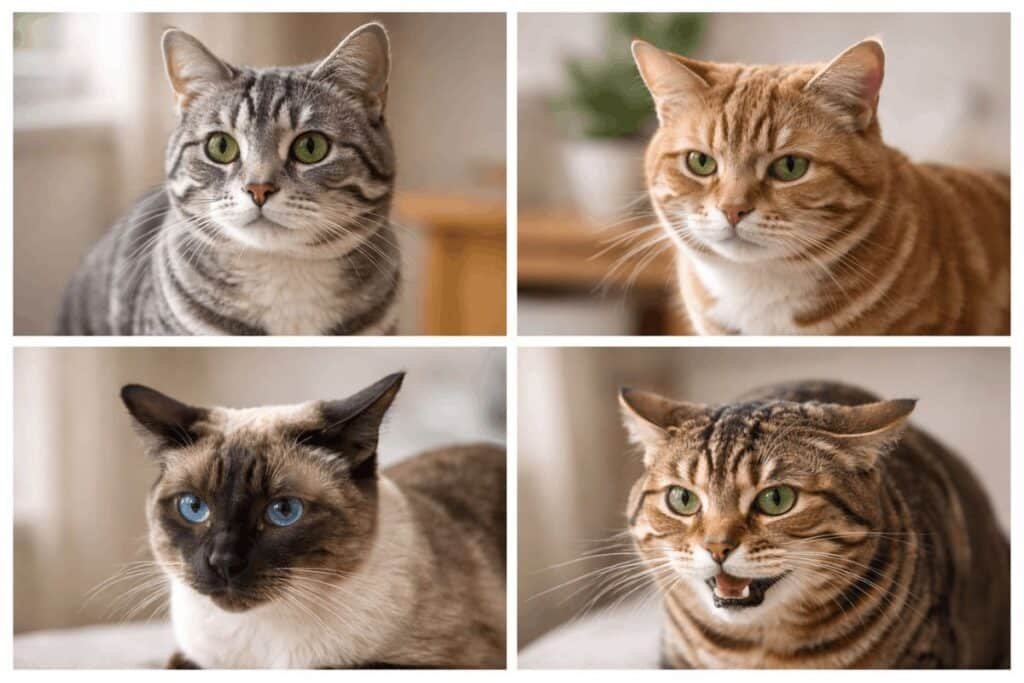
Cat ears change position many times a day. Each position has meaning. Forward ears show interest, sideways ears show uncertainty, and backward ears show discomfort. These simple shifts form the base of cat ear positions meaning and cat ear positions explained.
To make it easier, here is a quick reference table:
| Ear Position | Meaning | Emotional Signal |
| Forward | Interest | Alert curiosity |
| Sideways | Cautious | Mild stress |
| Backward | Fear or anger | Defensive mood |
| Flat | Threat response | High stress |
These cat communication signals help you understand your cat instantly without guessing.
What Forward, Upright Ears Really Mean
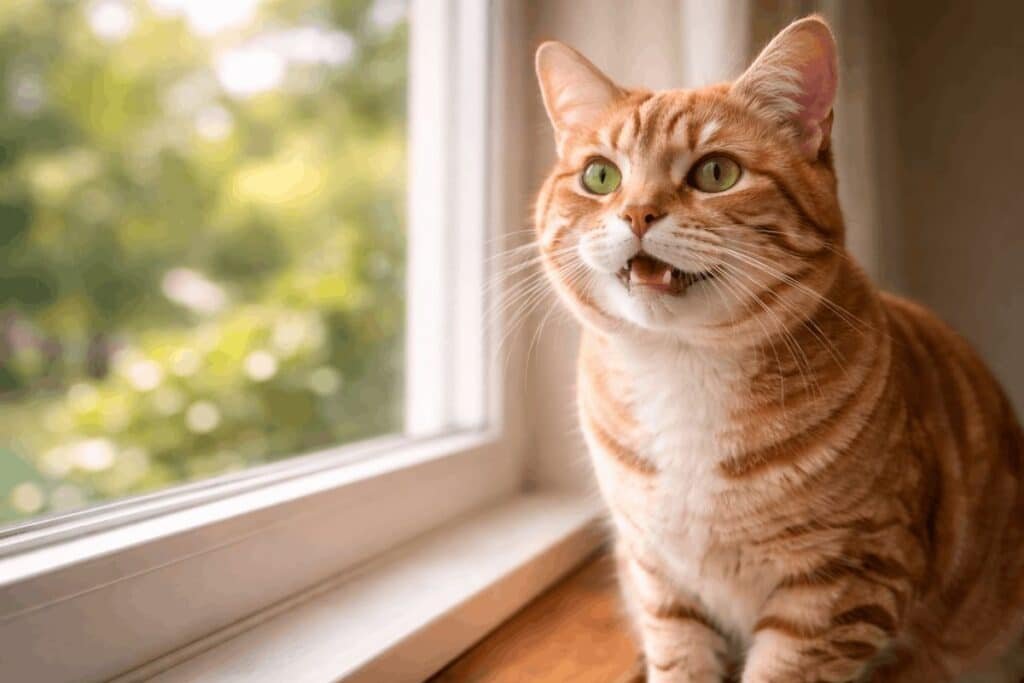
Forward ears are a positive sign. They show attention, excitement, or curiosity. This is known as a cat alert ears forward position. Your cat may be watching birds, playing, or waiting for food.
Many experts link this with cat happy ear position because it often appears during safe and relaxed moments. So when you ask what does it mean when a cat’s ears are forward, the answer is simple. Your cat feels engaged and mentally active.
The American Association of Feline Practitioners (AAFP) also recommends observing your cat’s body language and behavior as an important part of monitoring overall health and emotional well-being.
Flattened or Backward Ears: Signs of Fear, Stress, or Aggression
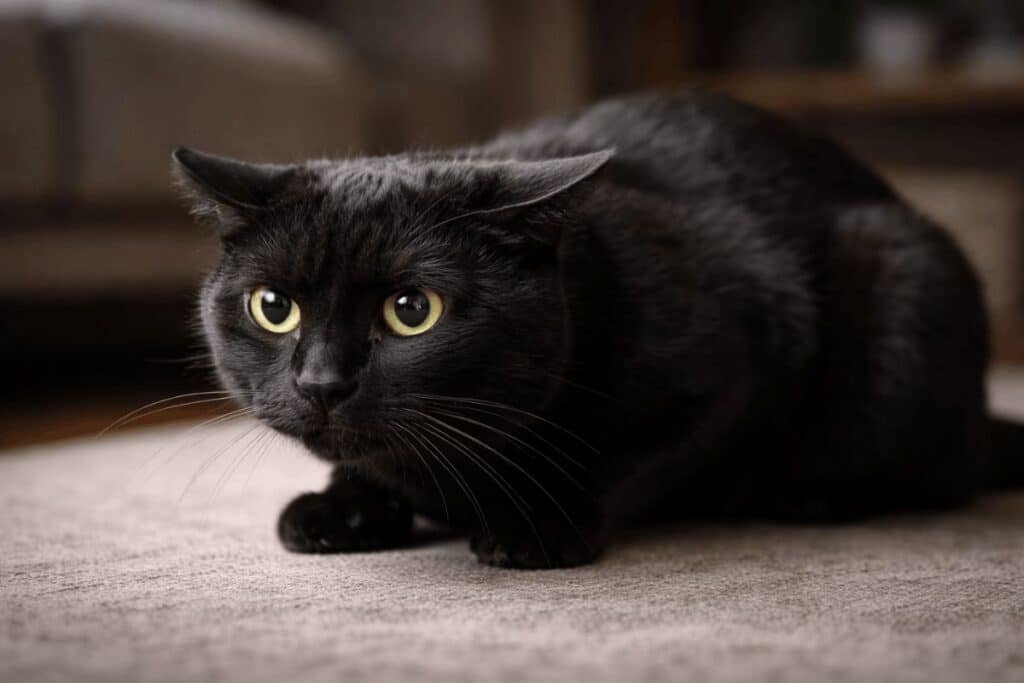
Flat ears are serious signals. They often show fear or anger. This is commonly known as airplane ears cat meaning. When this happens, your cat may feel unsafe or threatened.
This is also where cat stress ear signals become important. You may notice hissing or body tension. Many owners ask what does it mean when a cat flattens its ears or how do cats show fear with their ears, and the answer is always connected to protection behavior.
Swiveling and Twitching Ears: How Cats Track Sounds

Cats have powerful hearing. Their ears rotate in different directions to track sounds. This explains why do cats rotate their ears when listening. It helps them detect movement even from far away.
Sometimes, the ears twitch quickly. This is called cat ear twitching meaning, often linked with irritation or focus. Owners often wonder why are my cat’s ears twitching all the time, and the answer usually involves strong environmental awareness.
Cat Ear Movements That Show Mood Changes in Real Time
Cats change emotions fast, and their ears show it instantly. One moment they are calm, the next they are alert. These shifts represent cat ear movement signs and real-time mood tracking.
For example, relaxed ears may suddenly move backward when a loud sound appears. This is why cat emotions through ears are such reliable indicators of mood changes. It helps you understand your cat before behavior escalates.
How to Read Cat Ears with Other Body Language Signals
Ears alone are not enough. You must combine them with eyes, tail, and posture. This full system is called cat behavior interpretation. It gives a complete picture of emotion.
When combined, you understand how to read cat ear positions and emotions better. For example, a raised tail with forward ears shows excitement. This is key to understanding cat body language and ears in real life.
How to Build Trust by Reading Your Cat’s Ear Signals
Understanding cat ear language is more than identifying emotions—it also helps build trust. When you respond appropriately to your cat’s ear positions, your cat learns that you respect its comfort level. For example, if your cat’s ears remain forward and relaxed, it’s usually a good time for gentle interaction or play. If the ears suddenly flatten or rotate backward, giving your cat a little space can prevent unnecessary stress.
Over time, responding to these silent signals creates positive experiences. Cats naturally feel safer around people who understand their body language. By combining ear movements with tail position, facial expression, and posture, you’ll communicate with your cat in a way that feels natural and reassuring.
When Cat Ear Behavior Signals a Health Problem
Not all ear movements are emotional. Sometimes they signal health issues. Constant shaking or scratching may mean infection. This connects to can cat ears show stress or anxiety and physical discomfort.
If you notice changes, watch for these signs:
Constant head shaking
Bad smell from the ears
Uneven ear posture
Sensitivity when touched
These are strong signs of possible ear problems that need attention.
Common Mistakes People Make When Reading Cat Ears
Many owners misunderstand ear signals. They assume every backward ear means anger. But context matters. This leads to wrong cat behavior interpretation.
For example, a cat may pin its ears back while being petted. People ask why does my cat pin its ears back when I pet it, but the reason may be overstimulation, not fear. Misreading signals creates confusion between you and your pet.
How to Respond to Your Cat Based on Ear Signals
Your reaction matters as much as reading signals. If ears are forward, interact gently. If ears are flat, give space. This is basic cat communication signals understanding.
When you respond correctly, trust grows. You learn what are signs of a happy cat through ears, and your cat feels safe. This builds a stronger emotional connection every day.
FAQs
Cat ear positions chart
A cat ear position chart shows different ear angles like forward, sideways, and flat, helping you quickly understand your cat’s mood, from curiosity to fear or aggression.
Cat ears meaning with pictures
Cat ears meaning with pictures helps you visually compare ear positions so you can easily recognize emotions like happiness, stress, or alertness in real situations.
Cat ears meaning when sleeping
When a cat sleeps, relaxed ears mean deep comfort, but slight twitching shows they are still alert to sounds while resting lightly.
Cat ears flat when petting
If a cat’s ears go flat while being petted, it usually means overstimulation or discomfort, so your cat may need a break from touch.

Wahsay Ahmed is the founder of FelineNest and a cat care writer. His interest in feline health began in 2023 after adopting two cats, Whisker and Mochi. Since then, he has spent two years studying trusted veterinary resources, feline behavior, nutrition, and preventive care while applying that knowledge through daily care of his own cats.