If you’ve ever found yourself asking why doesn’t my cat meow, you’re not alone. Many cat owners in the USA worry when they notice a cat not meowing, especially if the silence feels unusual or sudden. While some cats are naturally quiet, others stop meowing for reasons that deserve attention.
Understanding the difference between a normal silent cat personality and a warning sign can protect your cat’s health and give you peace of mind. This guide explains why doesn’t my cat meow in clear, simple language—covering normal behavior, warning signs, health-related causes, and how cats truly communicate. Instead of waiting for a sound, you’ll learn how to understand your cat’s real language.
Key Takeaways (Quick Summary)
Many owners wonder why doesn’t my cat meow even when the pet seems otherwise healthy. In most homes, a cat not vocal is simply expressing a quiet personality shaped by genetics, environment, and comfort.
Veterinarians agree that silence alone is rarely dangerous. Concern begins when cat’s meowing changes suddenly and appears alongside lethargy in cats, appetite changes in cats, breathing difficulty, or behavioral withdrawal. Patterns matter more than volume.
Is It Normal for a Cat Not to Meow?
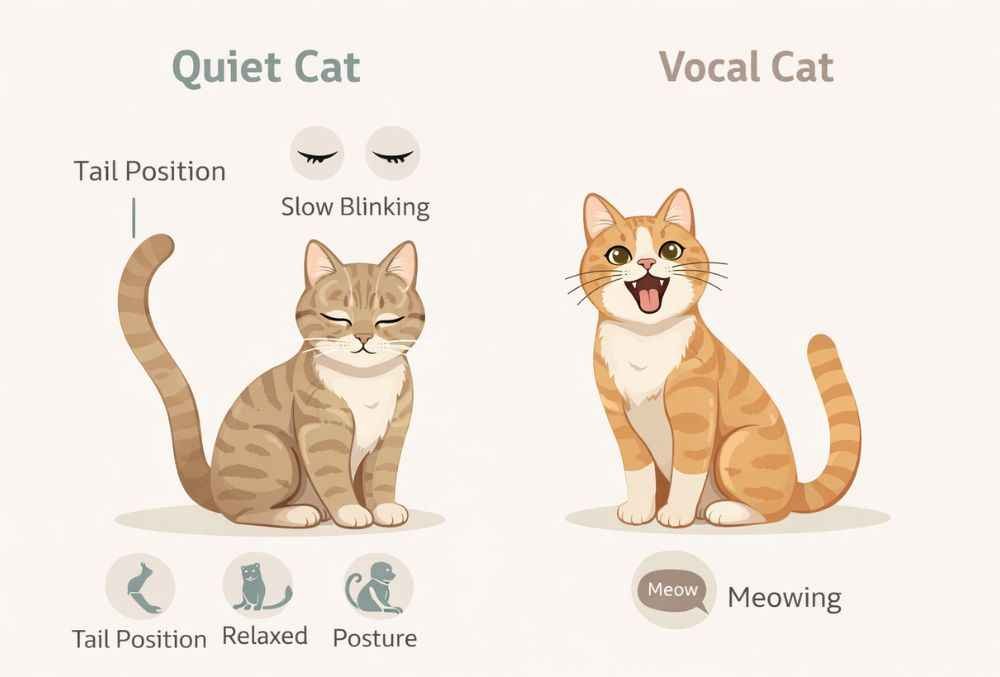
Yes—silence is often completely normal. Many people don’t realize that it is normal for cats to be quiet, depending on the individual. Cats communicate in many ways beyond sound, including posture, eye contact, tail movement, and facial expressions.
This type of quiet cat behavior usually reflects comfort, not distress. Age also plays a role. Kitten vocal behavior is typically louder because kittens rely on sound for survival. As cats grow older, adult cats’ communication shifts toward subtle, non-vocal signals. This change aligns with domesticated cat behavior, where safety reduces the need to call out.
Why Have I Never Heard My Cat Meow?
If you’ve never heard your cat meow, your cat may simply prefer body language cues in cats over sound. These cats communicate through slow blinking, tail positioning, gentle head bumps, and proximity.
Interestingly, research suggests that the cat’s meow is primarily directed at humans, not other cats. A cat raised in a calm, predictable home may never feel the need to vocalize, leading owners to wonder why their cat doesn’t meow at all. In these cases, silence reflects security—not a problem.
My Cat Used to Meow and Suddenly Stopped – Why?
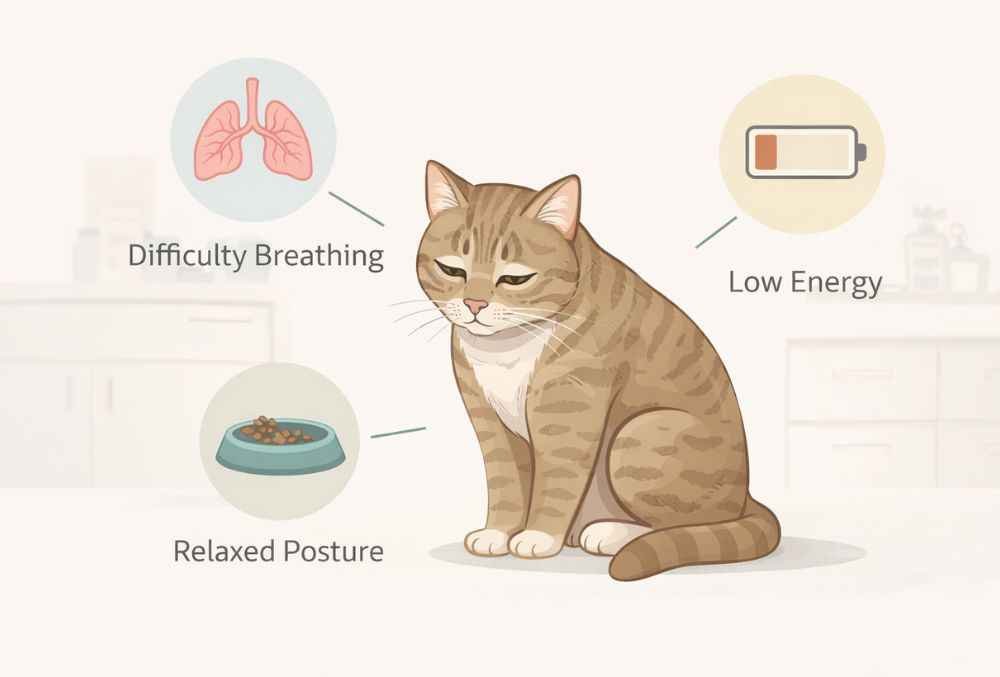
A cat that stopped meowing suddenly deserves closer observation. Environmental stress is one of the most common reasons. Moving homes, new pets, loud environments, or schedule changes can trigger stress-related behavior in cats, causing them to become quiet.
Health must also be considered. When silence appears alongside energy level changes, grooming behavior changes, or withdrawal, it becomes one of the most important warning signs. In these cases, silence is not personality—it’s communication.
Common Non-Medical Reasons Your Cat Doesn’t Meow
Many cats are quiet due to temperament. A calm household often results in a cat not meowing but purring, which is a sign of comfort. Some cats also learn silence over time if meowing never leads to a response.
Breed tendencies also matter. Cat breed vocalization varies widely:
| Breed | Vocal Tendency |
| Siamese | Very vocal |
| Bengal | Moderately vocal |
| Persian | Low vocal |
| British Shorthair | Quiet |
Past trauma can also influence cat silence reasons, especially in rescue cats who may associate vocalizing with stress.
Medical Reasons Why a Cat May Stop Meowing
Medical causes should never be ignored. Upper respiratory infections can cause throat pain and a hoarse meow in cats, leading owners to think their cat lost its voice.
Other potential causes include polyps, tumors, nerve damage, or inflammation. Some treatments, including those for thyroid conditions, may alter vocal tone. When silence appears with respiratory problems in cats, weight loss in cats, or weakness, veterinary care is urgent.
Can a Quiet Cat Still Be Happy?
Absolutely. A quiet cat can be just as healthy and affectionate as a vocal one. Some cats naturally prefer communicating through body language instead of meowing. They may follow you around, slow blink, rub against your legs, purr, or sleep nearby to show trust and affection.
Rather than focusing on how often your cat meows, pay attention to changes in their normal routine. If your cat is eating well, playing, grooming, and interacting as usual, their quiet nature is simply part of their personality.
Can a Cat Lose Its Voice Temporarily?
Yes, temporary voice loss does happen. Dry air, excessive meowing, or mild infections can cause a raspy or absent sound. A cat that lost its voice often recovers with rest, hydration, and time.
However, hoarseness lasting more than two days—or paired with coughing or labored breathing—falls under illness symptoms in cats, not harmless personality changes. Duration matters more than loudness.
Things You Can Do at Home to Help
Your strongest tool is observation. Proper cat health monitoring includes watching eating habits, breathing rhythm, posture, and emotional response. Silence without other symptoms often resolves naturally.
Reduce stress by maintaining consistent routines. Increase moisture in dry homes using fresh water or a humidifier. That said, silence combined with discomfort is not a waiting game. Knowing when not to wait can save lives.
When Should You Take Your Cat to the Vet?
Veterinarians recommend seeking care within 24–48 hours if silence appears with fatigue, pain, or breathing difficulty. A quiet cat showing appetite changes in cats or withdrawal needs prompt evaluation.
Emergency signs include wheezing, collapse, severe lethargy, or rapid breathing. These are not behavioral changes—they indicate physical distress connected to cat silence that only medical care can resolve. According to the American Association of Feline Practitioners (AAFP), a sudden loss of vocalization combined with breathing difficulty, appetite changes, or lethargy should be evaluated by a veterinarian as soon as possible.
Accepting a Quiet Cat – Understanding Their Communication
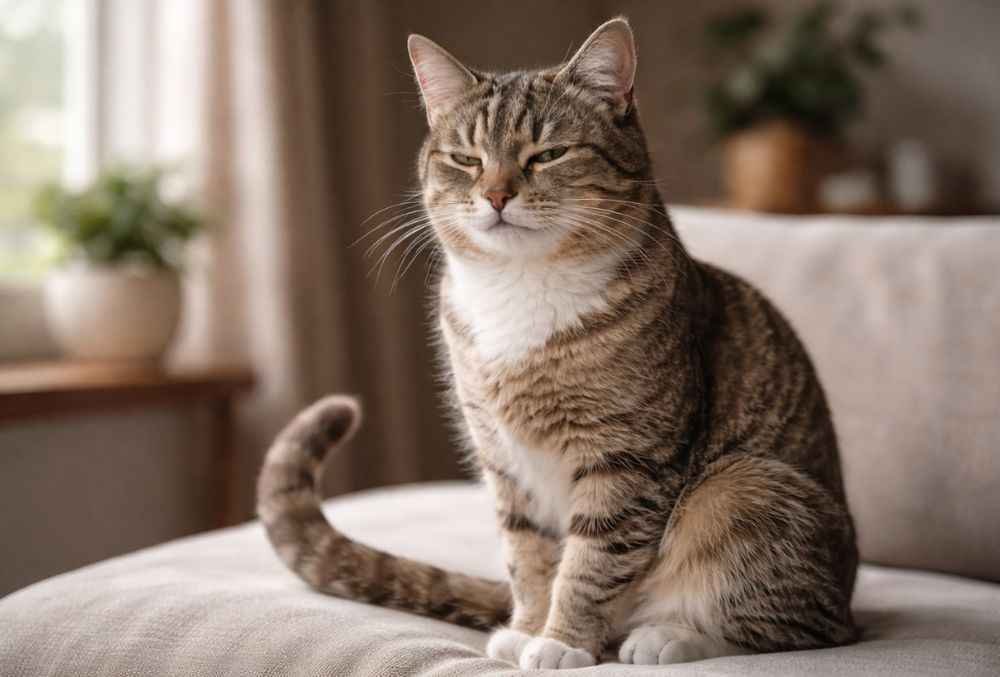
Some cats will never be vocal—and that’s okay. Accepting silence means learning cat communication signs beyond sound. Slow blinking signals trust. Tail movements show mood. Gentle purring reflects safety.
In many homes, silence equals peace. Once owners truly understand why doesn’t my cat meow, they stop waiting for noise and start recognizing the connection. Quiet doesn’t mean distant. It often means content.
“A silent cat is not an empty cat. It’s a cat speaking in a different language.”
— Feline Behavior Specialist, USA One of my own cats has always been unusually quiet. For months, I wondered if something was wrong because she almost never meowed. Over time, I realized she communicated in other ways—following me from room to room, slow blinking, and gently rubbing against my legs. That experience taught me that silence doesn’t mean a cat is unhappy. The important thing is noticing changes from your cat’s normal behaviour, not comparing them to other cats.
Final Thought
Understanding why doesn’t my cat meow allows you to respond with clarity instead of fear. Silence is often normal. Sudden change is the real signal. Learn to listen with your eyes as much as your ears.
FAQs: Why Doesn’t My Cat Meow?
How do I encourage my cat to meow?
Talk to your cat often and respond when they make any sound. Some cats still prefer body language, so a cat not meowing can be normal.
Should I be concerned if my cat can’t meow?
Worry only if silence is sudden or paired with lethargy in cats or breathing issues. A healthy cat not vocal is usually fine.
What are the signs of a depressed cat?
Less play, hiding, poor grooming, and energy level changes are common signs. Silence plus these changes needs attention.
Do some cats never learn to meow?
Yes, some cats rely on body language instead. The cat meow directed at humans is learned, not required.

Wahsay Ahmed is the founder of FelineNest and a cat care writer. His interest in feline health began in 2023 after adopting two cats, Whisker and Mochi. Since then, he has spent two years studying trusted veterinary resources, feline behavior, nutrition, and preventive care while applying that knowledge through daily care of his own cats.