Cats are playful creatures. They love toys that stimulate their minds and bodies. A catnip toy for cats is more than just a fun accessory. It engages their cat hunting instincts, promotes cat enrichment, and keeps them active indoors. Understanding the right types of toys can improve cat behavior and play and help prevent boredom. This guide will cover everything you need to know about catnip toys, from benefits to DIY ideas and safety tips.
Whether you have a kitten or an older cat, a catnip toy for cats can make a huge difference in their daily routine. It encourages cat exercise and play while providing mental stimulation for cats. Indoor cats, in particular, benefit from interactive cat toys and puzzle toys for cats that mimic hunting and exploration. With the right approach, these toys can also serve as natural stress relief for cats and help reduce destructive behavior.
What Is a Catnip Toy and Why Do Cats Love It?
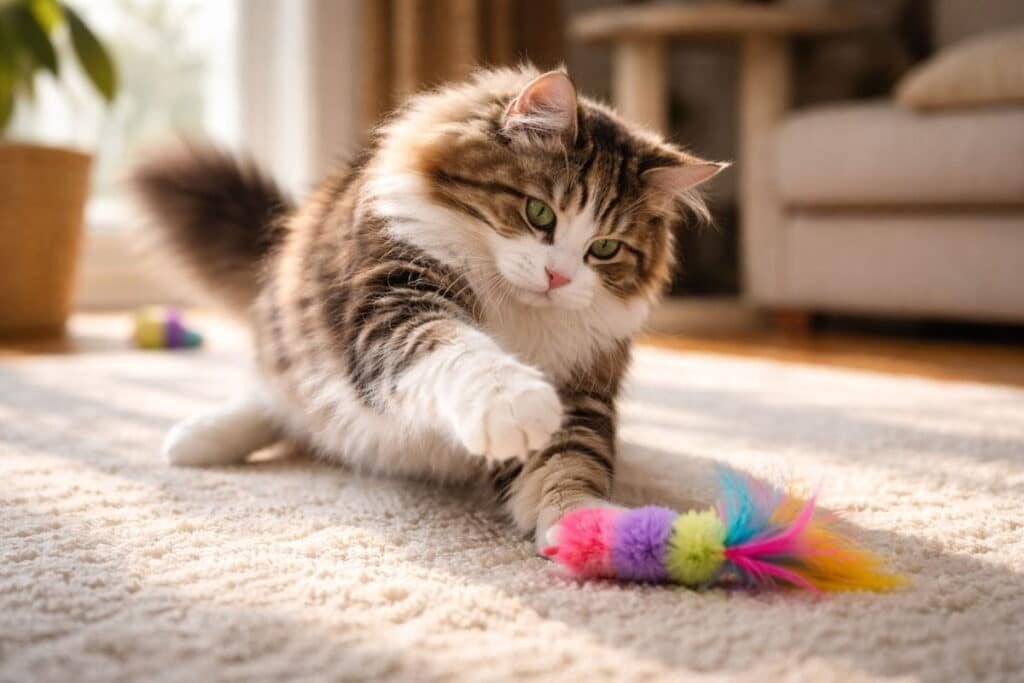
A catnip toy for cats is a toy infused with catnip for cats, a plant that triggers playful and excited behavior. Cats may roll, jump, or chase the toy when exposed to catnip. This reaction is natural and safe. Why cats love catnip toys lies in how the scent stimulates their brain. It mimics pheromones that excite them. Every cat reacts differently, so observing your pet is key. Some may not respond at all.
These toys come in many forms, including plush cat toys, kicker catnip toys, and themed catnip toy bundles. They are designed to satisfy cat hunting instincts and provide cat enrichment. For indoor cats, these toys are crucial as they offer indoor cat activity ideas and act as cat boredom buster toys. Proper use of safe catnip toys can keep cats engaged, prevent stress, and even promote healthy play habits.
The Science Behind Catnip and Feline Behavior
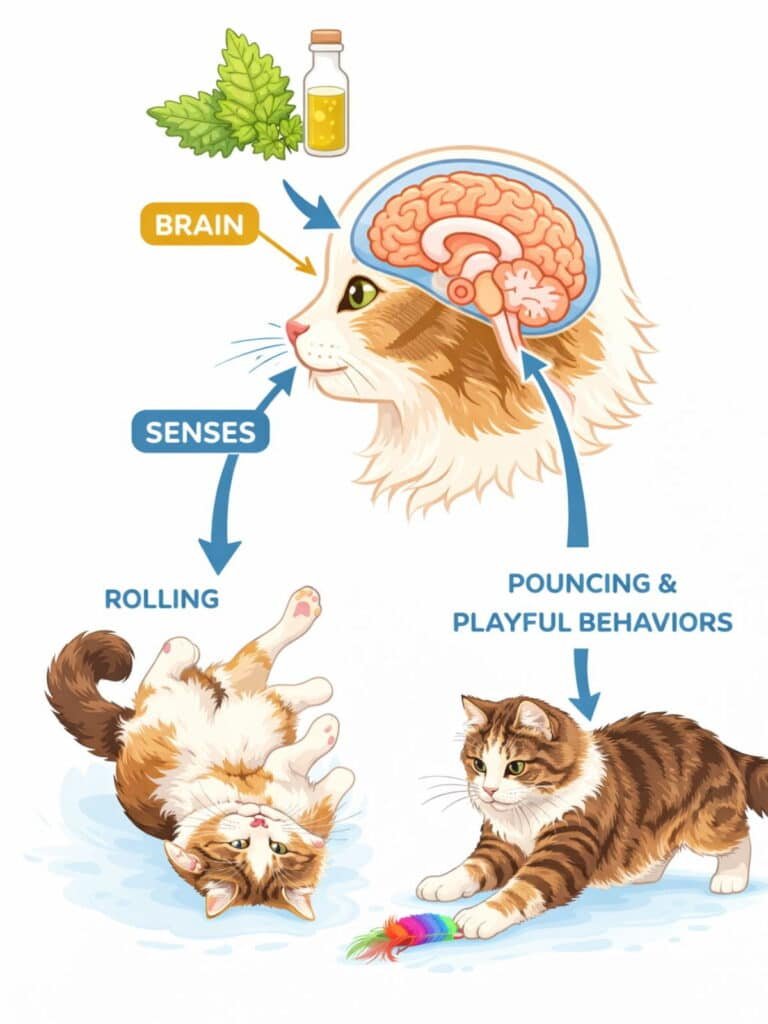
The active compound in catnip, called nepetalactone, stimulates sensory neurons in cats. This triggers cat play and toys interactions, rolling, rubbing, or chasing. About 50-70% of cats respond to catnip. Genetics determines whether your cat will react. Kittens under six months usually don’t respond to catnip for cats, while adult cats often enjoy it.
Scientists also note that catnip acts as a mild stress relief toy for cats. It can reduce anxiety and encourage self-play cat toys. Studies show that regular, controlled exposure enhances mental stimulation for cats and satisfies their instincts safely. Using catnip sprays and bubbles can boost the effect of interactive cat toys, enriching cat sensory stimulation and indoor playtime.
Benefits of Catnip Toys for Cats
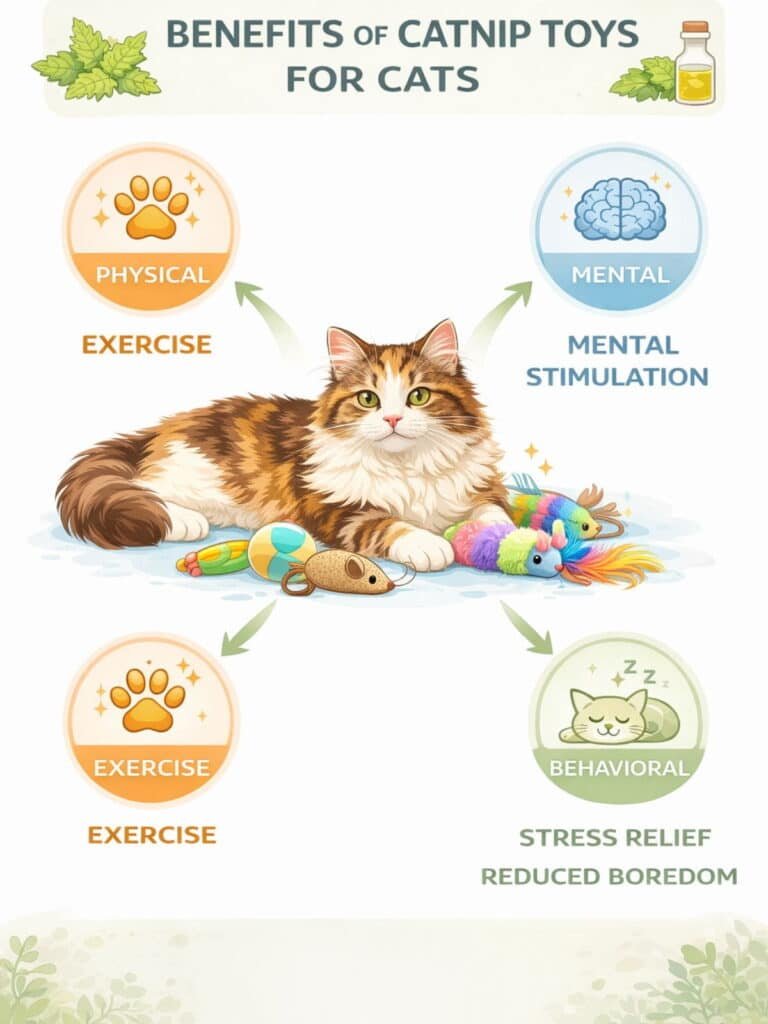
Catnip toy benefits for indoor cats are numerous. These toys improve cat exercise and play, keeping muscles strong and joints flexible. They also provide mental stimulation for cats, which reduces boredom and prevents unwanted behaviors. Cat toys to prevent destructive behavior work well when paired with safe catnip toys, allowing cats to release energy appropriately.
Behavioral benefits include reducing stress, promoting relaxation, and providing substitute play behavior for indoor cats. Regular play with cat enrichment routine toys also encourages independence, especially for self-play cat toys. In addition, rotating best cat toys or rotating cat toys can maintain novelty and excitement, ensuring cats remain active and happy.
Personal Experience With Catnip Toys
When I first gave my cat a catnip toy, I expected her to start playing immediately. Instead, she sniffed it briefly and walked away. I left the toy nearby and did not force her to interact with it.
A few days later, she suddenly started rubbing against it, kicking it with her back legs, and carrying it around the room. I learned that cats can react differently to catnip, and giving them time to explore works much better than forcing play.
Different Types of Catnip Toys and Their Uses
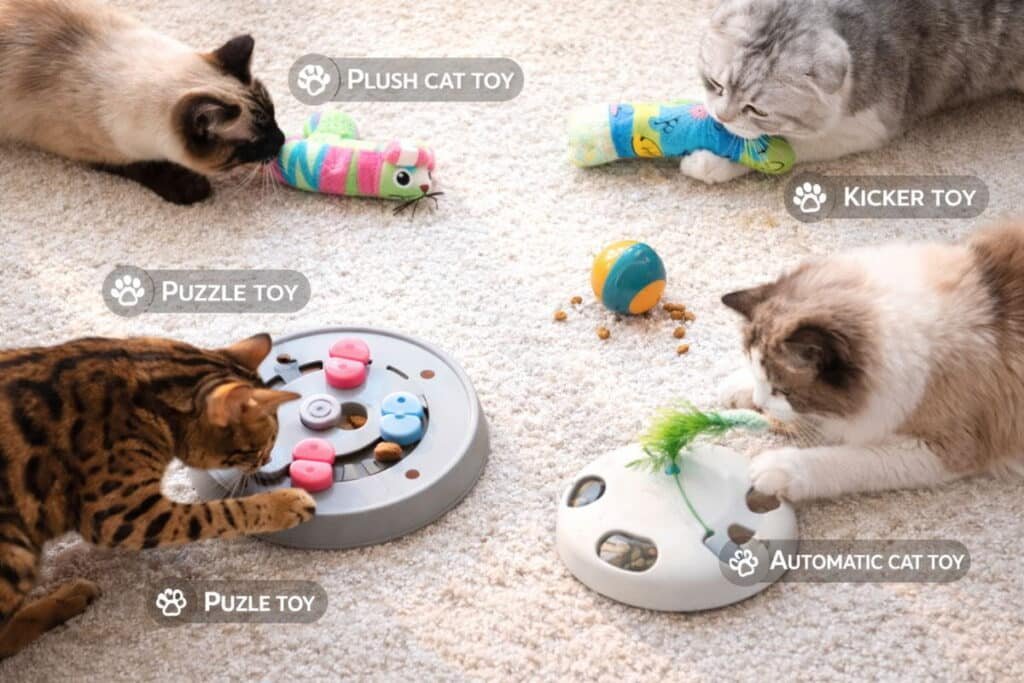
There are many types of catnip toys. Plush cat toys provide comfort and cuddling. Kicker catnip toys allow cats to wrestle and release energy. Puzzle toys for cats challenge their minds while treat-dispensing cat toys motivate hunting instincts. Automatic cat toys and self-play cat toys provide engagement even when you’re away.
| Toy Type | Use | Benefits |
| Plush Cat Toys | Snuggle and chew | Comfort, stress relief |
| Kicker Catnip Toys | Wrestling, batting | Exercise, hunting instincts |
| Puzzle Toys | Mental challenges | Brain stimulation, boredom reduction |
| Treat-Dispensing Toys | Rewards for play | Engagement, interactive play |
| Automatic Cat Toys | Self-play | Exercise, independence |
These interactive cat toys are excellent for cat play and toy sessions. Indoor cats, they mimic hunting behavior and maintain healthy activity levels.
How to Choose the Right Catnip Toy for Your Cat
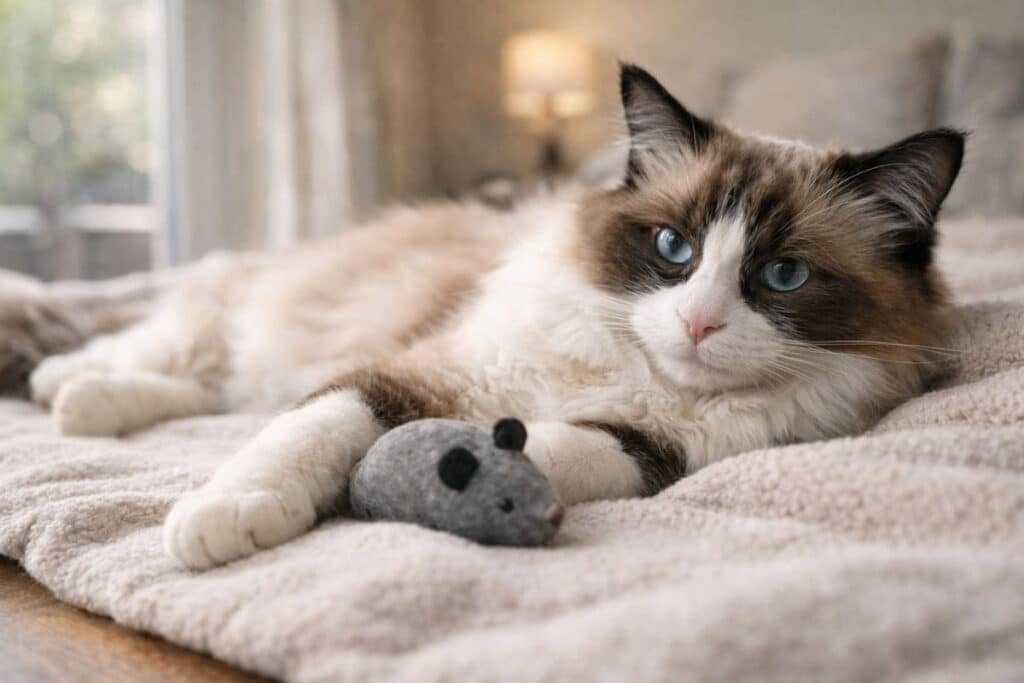
Choosing the best catnip toys for indoor cats depends on your cat’s age, size, and activity level. Kittens need soft plush cat toys, while adult cats may prefer kicker catnip toys or puzzle toys for cats. Safety is important, so always select non-toxic cat toys and check for choking hazards.
A proper catnip toy buying guide USA recommends considering your cat’s preferences. Rotate rotating cat toys to maintain novelty and prevent boredom. Consult vets for vet-recommended options and check labels for safe catnip toys. By understanding how to choose the best catnip toy for cats, you can enhance your cat’s mental stimulation for cats and ensure safe playtime.
DIY Catnip Toys You Can Make at Home
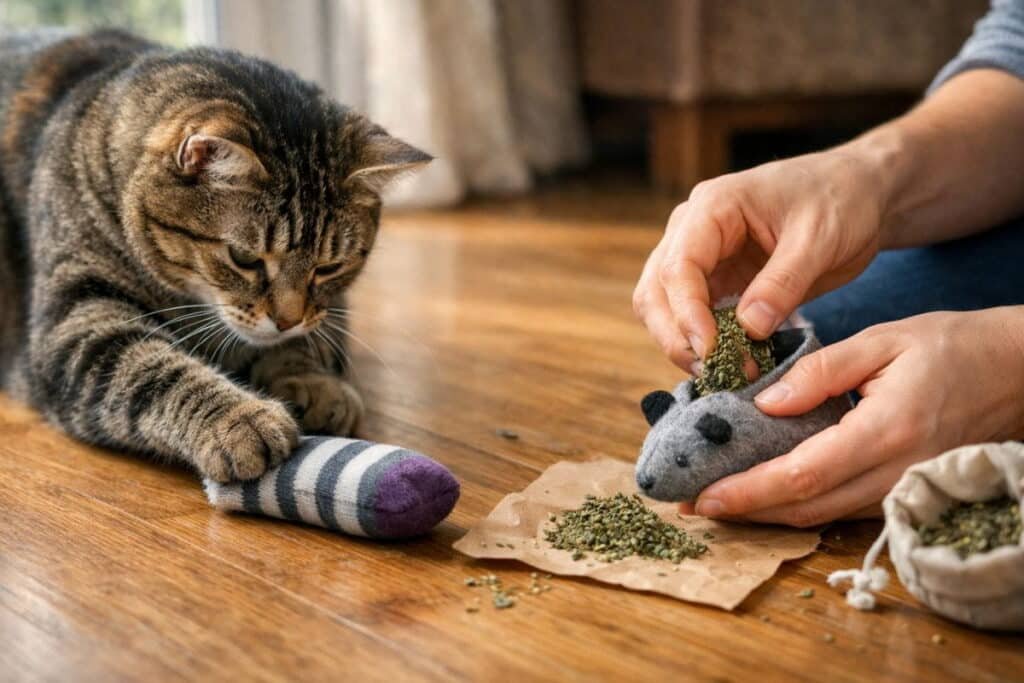
Making DIY catnip toy ideas at home is easy and fun. You can use old socks, felt, or cardboard, and add catnip for cats to create toys that encourage independent play. Kicker toys can be stuffed with catnip and sewn, while small plush toys can be tossed for indoor play.
DIY toys are cost-effective and allow you to customize for size and durability. Adding catnip sprays and bubbles can refresh older toys. Creating your own toys to keep cats entertained helps bond with your pet while offering safe, stimulating alternatives to store-bought options.
How to Use Catnip Toys Effectively
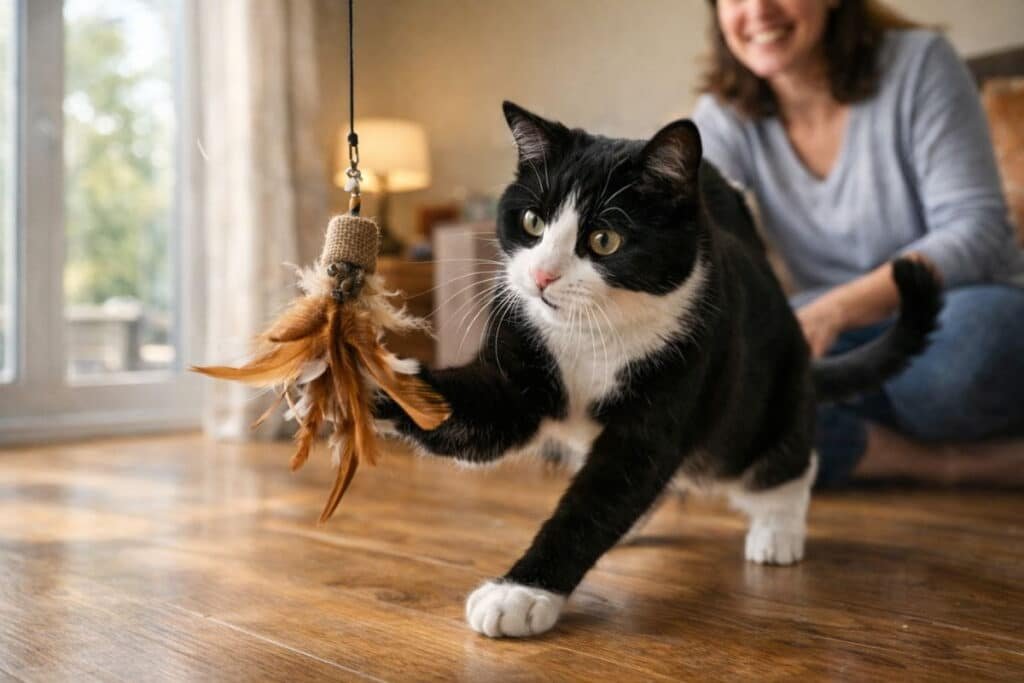
Use catnip toys for cats in moderation to avoid overstimulation. Short play sessions, multiple times a day, work best for cat exercise and play. Pair toys with interactive sessions for mental stimulation for cats and to encourage healthy play habits.
Storing toys properly is important. Keep catnip toys sealed when not in use to preserve scent. Multi-cat households may need multiple toys to prevent conflict. Combining a cat enrichment routine with treat-dispensing cat toys or automatic cat toys ensures indoor cats remain engaged and happy throughout the day.
Potential Risks and Mistakes to Avoid
Overusing catnip toys can cause mild digestive upset or overstimulation. Avoid small pieces that could be swallowed. Always supervise play with interactive cat toys. Choosing age-appropriate cat toys and non-toxic cat toys is essential for kittens and older cats.
Another mistake is relying solely on catnip. Cats also need cat exercise and play beyond catnip toy benefits for indoor cats. Rotate rotating cat toys to maintain novelty. Avoid toys with sharp edges or unsafe materials to ensure cat toy safety while promoting natural stress relief for cats.
Top-Rated Catnip Toys for Cats (Vet-Recommended Options)
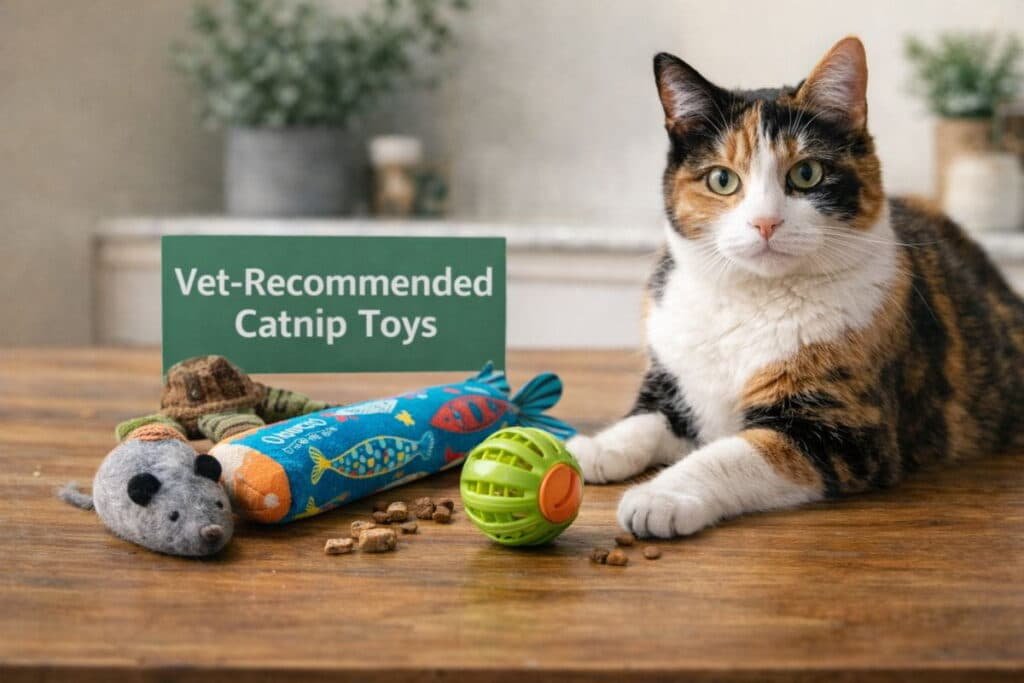
Some best cat toys recommended by vets include kicker catnip toys, plush cat toys, and interactive cat toys with treat-dispensing features. Popular options in the USA include “Yeowww! Catnip Toys,” SmartyKat Skitter Critters,” and themed catnip toy bundles.
These toys provide cat sensory stimulation and encourage cat play and toys sessions safely. Using vet-recommended options ensures cat toy safety while enhancing cat enrichment routine. They are ideal for a cat owners guide to catnip toys and indoor activity solutions.
FAQs About Catnip Toys for Cats
Are Catnip Toys OK for Cats?
Yes, catnip toys for cats are generally safe when used in moderation. Choose safe catnip toys and supervise play for young kittens or cats prone to chewing.
What Exactly Does Catnip Do to Cats?
Catnip contains nepetalactone, which triggers playful behaviors like rolling, chasing, and pouncing. It stimulates cat hunting instincts and provides natural stress relief for cats.
How Long Should I Let My Cat Play with a Catnip Toy?
Short sessions of 5–15 minutes are ideal. Too much can cause overstimulation or mild digestive upset, so rotate cat toys and supervise play.
Do Catnip Toys Actually Work?
Most cats respond, but about 30% don’t due to genetics. For responsive cats, catnip toys for cats improve cat enrichment, encourage mental stimulation for cats, and reduce boredom.

Wahsay Ahmed is the founder of FelineNest and a cat care writer. His interest in feline health began in 2023 after adopting two cats, Whisker and Mochi. Since then, he has spent two years studying trusted veterinary resources, feline behavior, nutrition, and preventive care while applying that knowledge through daily care of his own cats.