What Is Stomatitis in Cats? (Simple Explanation for Pet Owners)
Many owners wonder what is stomatitis in cats when their pets show signs of pain. This condition, also called feline chronic gingivostomatitis, causes chronic oral inflammation in cats. It is a severe cat oral inflammation affecting the gums, tongue, cheeks, and throat.
Signs include drooling, cat not eating due to pain, and bad breath, which indicate a painful mouth condition in cats. Early recognition and proper veterinary care are essential to reduce discomfort and protect your cat’s long-term health and quality of life.
Gingivitis vs. Periodontal Disease vs. Stomatitis
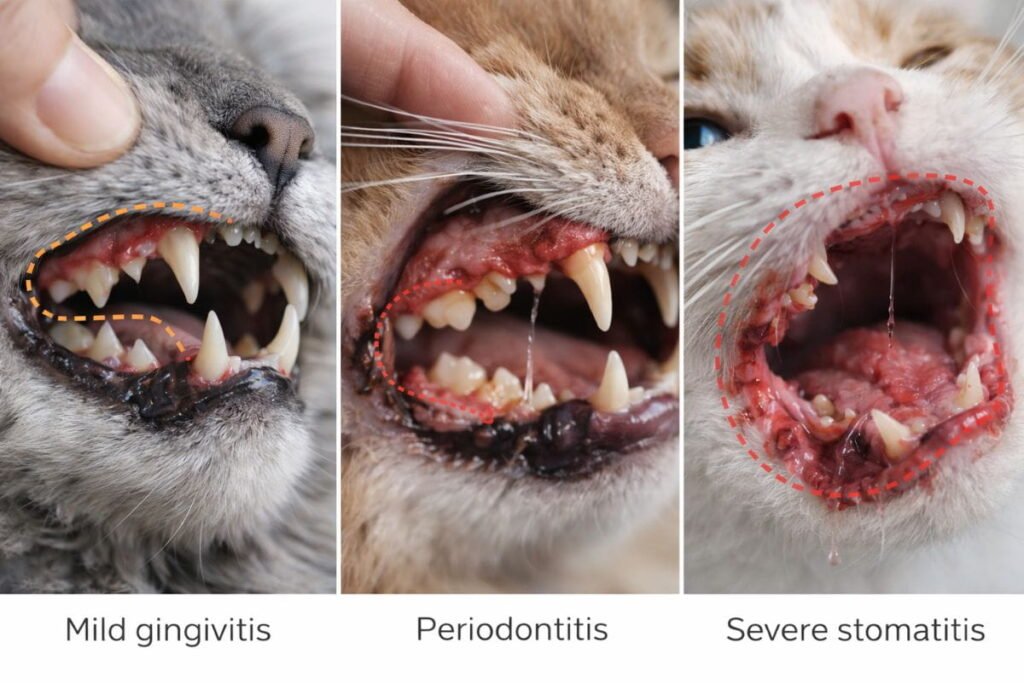
Not all dental problems are the same. Mild gum inflammation in cats begins as gingivitis but can advance to periodontal disease in cats or severe stomatitis in cats, causing deep tissue damage. Early recognition helps prevent permanent harm.
| Condition | Severity | Areas Affected |
| Gingivitis | Mild | Gumline only |
| Periodontitis | Moderate | Gums and bone |
| Stomatitis | Severe | Entire mouth |
This table helps owners understand the differences and act before the condition worsens.
Early and Advanced Symptoms of Stomatitis in Cats
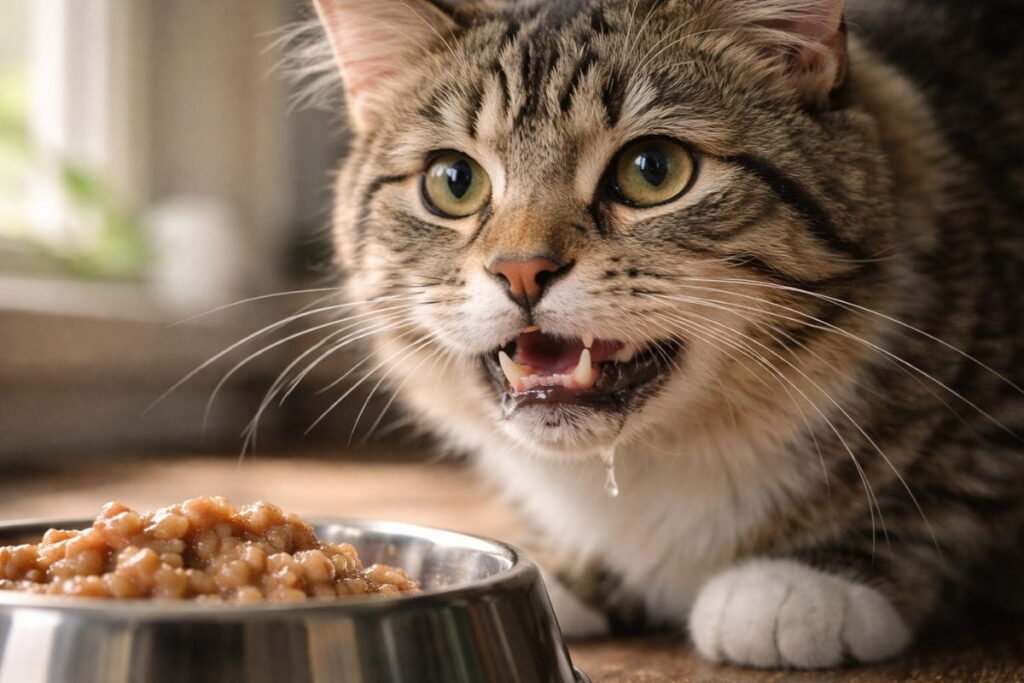
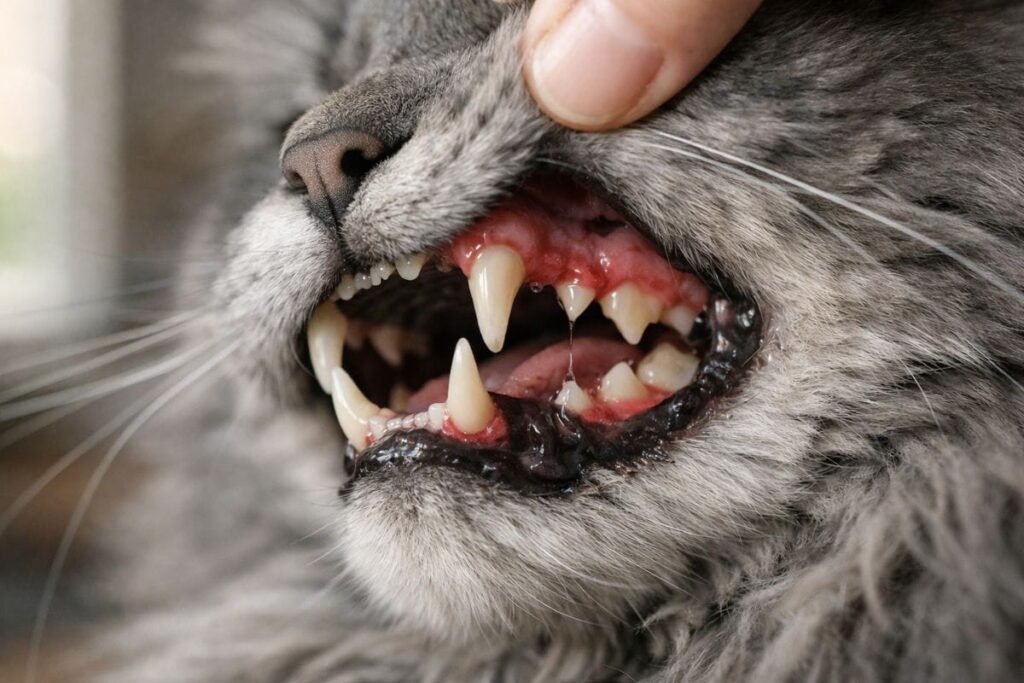
Early signs are subtle. Owners notice bad breath in cats, drooling, or red swollen gums in cats. If you ask how to know if my cat has mouth pain, watch for hiding, irritability, or reduced grooming.
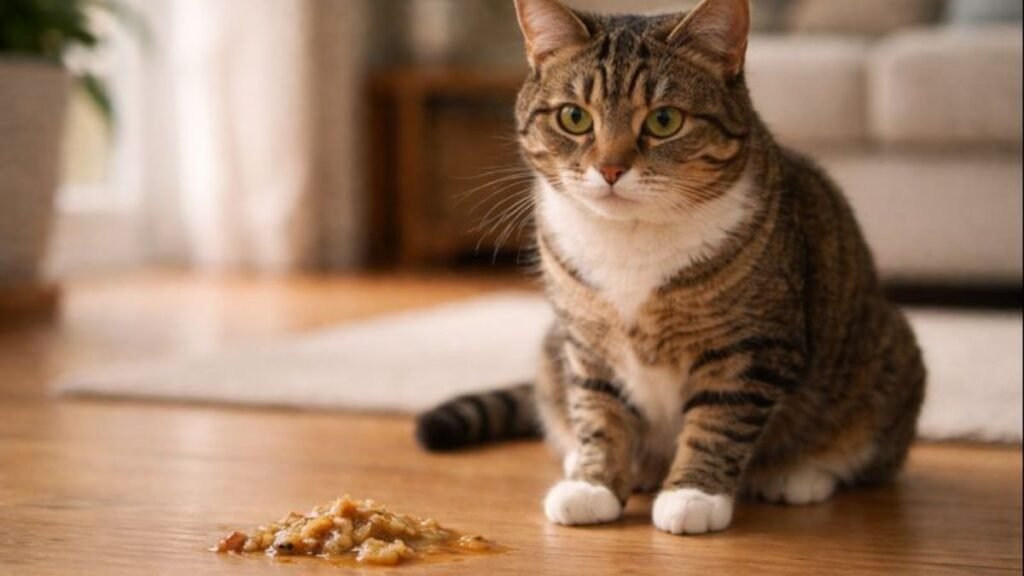
Advanced signs include cat not eating due to pain, excessive salivation, cat dropping food while eating, and weight loss in cats. Observing these symptoms early allows urgent intervention and prevents further complications.
What Causes Stomatitis? Understanding the Immune System Connection
Many owners ask what causes stomatitis in cats. Research shows the immune system sometimes overreacts to plaque buildup in cats and dental bacteria in cats, causing chronic inflammation.
Other factors include genetics, viruses, stress, and underlying oral disease in cats. Conditions like tooth resorption in cats or ongoing dental infection increase risk. Even indoor cats can develop problems when bacteria accumulate over time.
How Veterinarians Diagnose Feline Stomatitis
Diagnosis begins with a detailed veterinary dental exam for cats. Vets check for ulcers, swelling, and pain. Dental X-rays for cats may be required to detect hidden bone issues. Blood tests screen for viral infections such as feline calicivirus, FIV, or FeLV. Biopsies may also be taken in severe cases. Early and accurate diagnosis ensures proper treatment and reduces chronic pain.
Treatment Options for Stomatitis in Cats (Medical vs. Surgical)
Owners often ask how to treat stomatitis in cats. Medical care includes antibiotics, anti-inflammatory drugs, and cat oral pain management. Severe cases often require dental procedures.
Treatment plans may include partial tooth extraction in cats or full-mouth tooth extraction in cats. Costs vary widely, and many search for cost of stomatitis treatment for cats before committing to surgery. If you’d like to learn more about feline stomatitis, dental disease, and oral care, PetMD offers veterinarian-reviewed information to help cat owners better understand symptoms, treatment options, and long-term dental health.
Tooth Extraction for Stomatitis: What to Expect and Success Rates
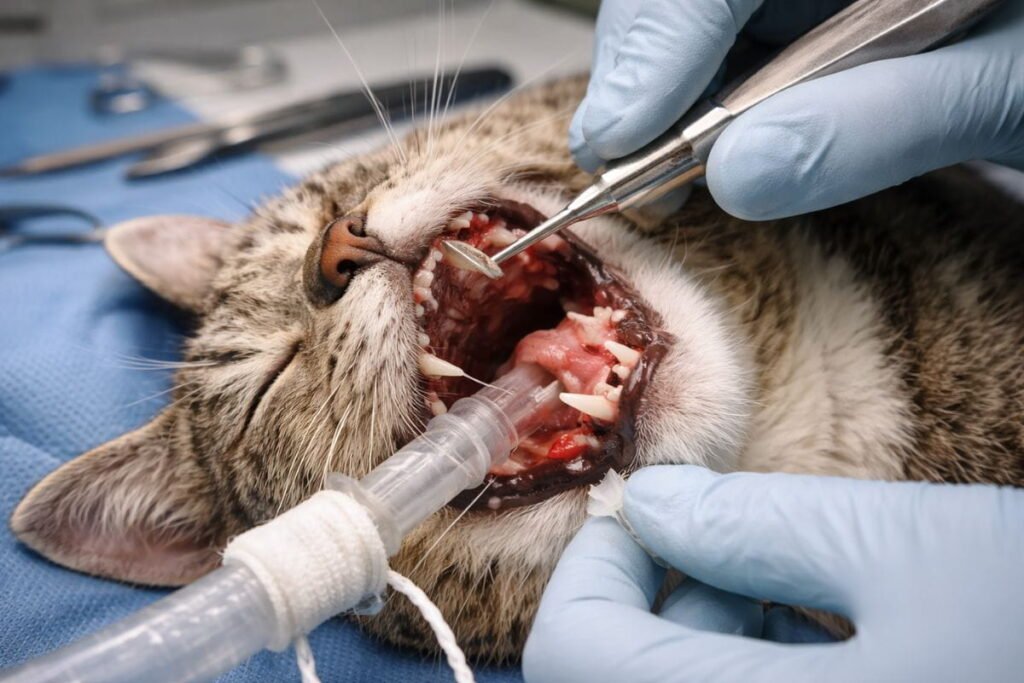
Surgery often improves quality of life. Studies show 80–90% of cats improve after full-mouth or partial tooth extraction in cats. Owners ask does tooth removal cure stomatitis and can cats live without teeth. The answer is yes; cats adapt well and resume normal eating habits.
Recovery, Home Care, and Long-Term Management

Recovery usually takes 2–3 weeks. During this time, a soft food diet for cats after surgery and proper cat oral pain management are crucial. Long-term success relies on home care for cats with dental disease, including brushing cat teeth daily and maintaining plaque and tartar control for cats.
Can Stomatitis Be Prevented? Risk Reduction Tips
While not all cases are preventable, owners can reduce risks. Routine dental care for cats, cat dental cleaning routines, and a dental diet for cats help prevent future issues. Early detection of red swollen gums in cats allows intervention before the condition worsens.
I once spoke with a cat owner who thought their cat had simply become a picky eater. The cat had started avoiding dry food and was drooling more than usual, but there were no obvious signs of illness. A veterinary exam revealed severe stomatitis. After treatment and tooth extractions, the cat’s appetite returned, and it became much more active. That experience showed me how easily cats can hide oral pain and why early dental checkups are so important.
Can Cats Still Eat Normally with Stomatitis?
Many owners worry that cats cannot eat after developing stomatitis. In reality, the problem is not chewing itself but the intense pain caused by inflammation. Cats with stomatitis often avoid dry kibble because it hurts their gums and soft tissues. They may chew on one side of the mouth, drop food, or refuse meals altogether.
After treatment, especially tooth extractions, most cats adapt surprisingly well. Cats use their tongues and strong jaw muscles to eat, so they can comfortably consume wet food and even softened dry food. With proper pain management and regular veterinary follow-ups, many cats return to eating normally and regain lost weight within a few weeks.
Living with a Cat That Has Stomatitis: Daily Care Tips
Caring for a cat with stomatitis requires patience and consistency. Offer soft, easy-to-eat meals and ensure fresh water is always available. Keep the feeding area clean and watch for changes in appetite, drooling, or behavior that may indicate discomfort.
Schedule regular veterinary dental checkups and follow your vet’s treatment plan closely. Reducing stress, maintaining good oral hygiene when recommended, and monitoring your cat’s weight can all improve long-term comfort. With proper daily care, many cats with stomatitis go on to live happy and active lives despite the condition.
Can Stomatitis in Cats Be Cured Completely?
Many cat owners ask whether stomatitis can be cured permanently. The answer depends on the severity of the condition. Mild cases may improve with medications, professional dental cleanings, and good oral hygiene. However, because feline stomatitis is linked to an overactive immune response, the inflammation can return even after treatment.
For cats with severe or recurring stomatitis, full-mouth or partial tooth extraction often provides the best long-term results. Most cats experience a significant reduction in pain and inflammation after surgery, although a small number may still need medication to manage occasional flare-ups. With regular veterinary care and home monitoring, many cats enjoy a comfortable, pain-free life for years after treatment.
Prognosis, Quality of Life, and When to See a Vet Immediately
With proper treatment, cats regain appetite, energy, and grooming habits. Recognizing signs of dental disease in cats early and knowing when should I take my cat to the vet for mouth problems ensures faster recovery and long-term comfort.
FAQs
How long can cats live with stomatitis?
With proper care, many cats live a normal lifespan and maintain good quality of life.
What triggers stomatitis in cats?
Overactive immune response to plaque and dental bacteria often triggers stomatitis, sometimes linked to viruses or genetics.
Can stomatitis be reversed in cats?
Mild cases may respond to medications, but severe cases often require tooth extractions.
How much does it cost to remove a cat’s stomatitis teeth?
Full or partial mouth extractions cost between $800–$3,000 in the U.S., depending on severity and clinic location.

Wahsay Ahmed is the founder of FelineNest and a cat care writer. His interest in feline health began in 2023 after adopting two cats, Whisker and Mochi. Since then, he has spent two years studying trusted veterinary resources, feline behavior, nutrition, and preventive care while applying that knowledge through daily care of his own cats.