When your cat feels unwell, your heart sinks. You start searching for answers fast. This detailed sick pet care guide will show you exactly how to care for a sick cat, what signs to watch for, and when to seek professional help. If you understand the basics of caring for a sick cat at home, you can act early and protect your cat’s long-term feline health.
Cats are masters at hiding pain. That makes early action critical. Whether you are dealing with mild stomach upset or serious illness, good sick pet care focuses on observation, comfort, and smart decisions about veterinary care. Let’s walk through every step in simple language.
How to Tell If Your Cat Is Sick – Sick Pet Care Signs – Sick Pet Care Basics
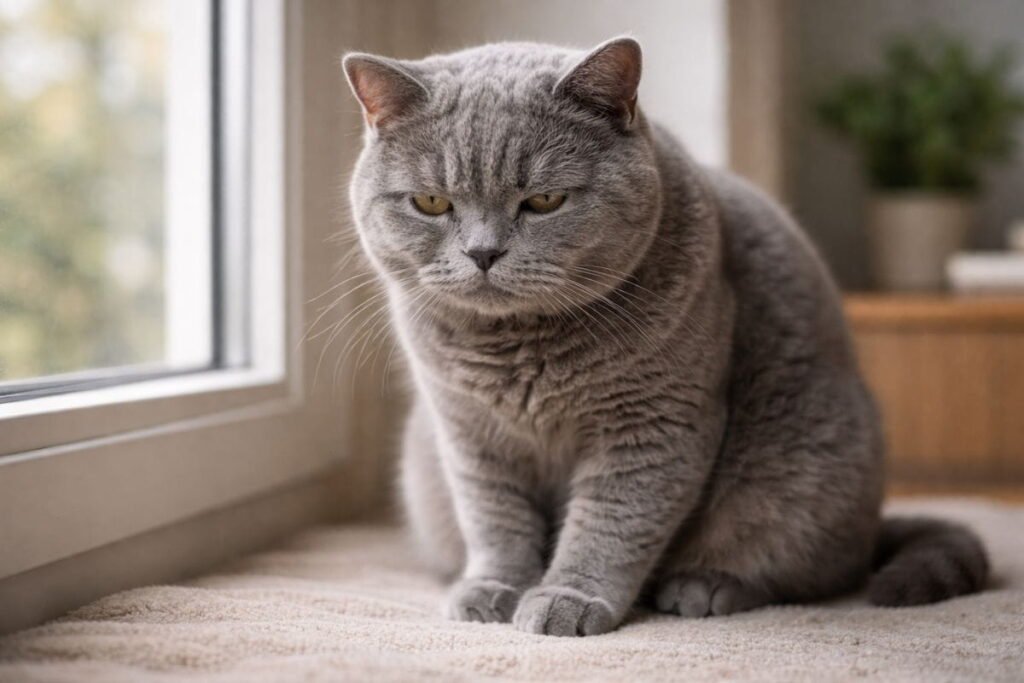
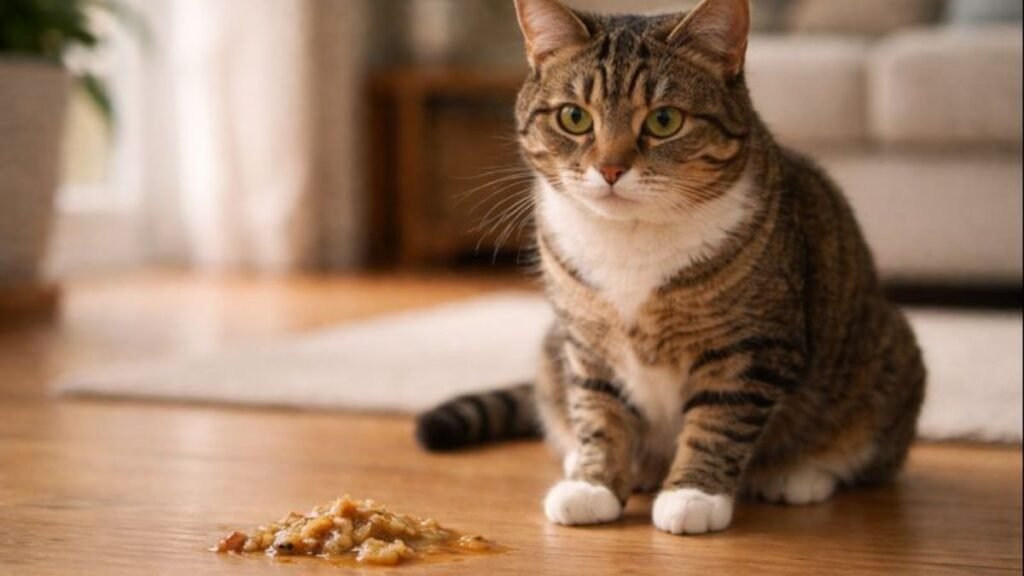
The first step in proper sick pet care is recognizing signs your cat is sick before things get worse. Watch for subtle changes. Cat illness symptoms often include appetite loss, unusual hiding, lethargy, vomiting, diarrhea, coughing, or changes in litter habits. Even a slight drop in normal activity can signal trouble.
Pay attention to physical clues. Check body temperature, gum color, and breathing pattern. A healthy cat usually has moist pink gums and steady breathing. If you notice discharge from the nose, it may point to a respiratory infection. If your cat seems stiff or reacts to touch, there could be inflammation or pain that needs attention.
One of my own cats once stopped eating and spent almost the entire day hiding under the bed. At first, I thought she was simply tired, but by the next morning, she was still refusing food and seemed unusually quiet. A visit to the veterinarian revealed a mild stomach infection. After a few days of medication, extra fluids, and plenty of rest, she recovered well. That experience taught me how quickly small changes in a cat’s behavior can point to a health problem and why acting early is always the safest choice.
What to Do First When Your Cat Gets Sick – Smart Sick Pet Care Actions
When illness appears, stay calm. Begin monitoring symptoms carefully. Note food intake, water drinking, and energy levels. Many owners worry about how long can a sick cat go without eating. Generally, more than 24 hours without food requires urgent advice from a vet.
Create a simple record like the table below to guide early sick pet care decisions.
| Symptom Observed | Duration | Action Taken |
| Vomiting | 1 day | Offered small meals |
| Low energy | 2 days | Called vet |
| Not drinking | 12 hours | Encouraged fluids |
If symptoms worsen quickly, move toward emergency cat care instead of waiting.
How to Check If Your Cat Is Dehydrated at Home
Dehydration is one of the biggest risks when a cat is sick. A simple way to check is the skin tent test. Gently lift the skin between your cat’s shoulders and let it go. In a well-hydrated cat, the skin quickly returns to its normal position. If it stays raised or moves back slowly, dehydration may be present.
You should also look at your cat’s gums. Healthy gums are moist and pink, while dry or sticky gums can be another warning sign. If your cat refuses water, vomits repeatedly, or shows signs of dehydration, contact your veterinarian as soon as possible because severe dehydration often requires professional treatment.
Creating a Comfortable Recovery Space at Home for Better Sick Pet Care

Healing requires calm. Set up an isolation space away from noise and other pets. Soft bedding helps sore joints relax. Proper stress reduction strengthens the immune system and shortens the recovery period.
Keep essentials nearby. Food, water, and litter should be within easy reach. This setup improves sick cat care at home and prevents extra strain. For indoor cats, managing indoor cat health problems often starts with maintaining a quiet and clean recovery area.
Feeding and Hydration Tips for a Sick Cat During Sick Pet Care
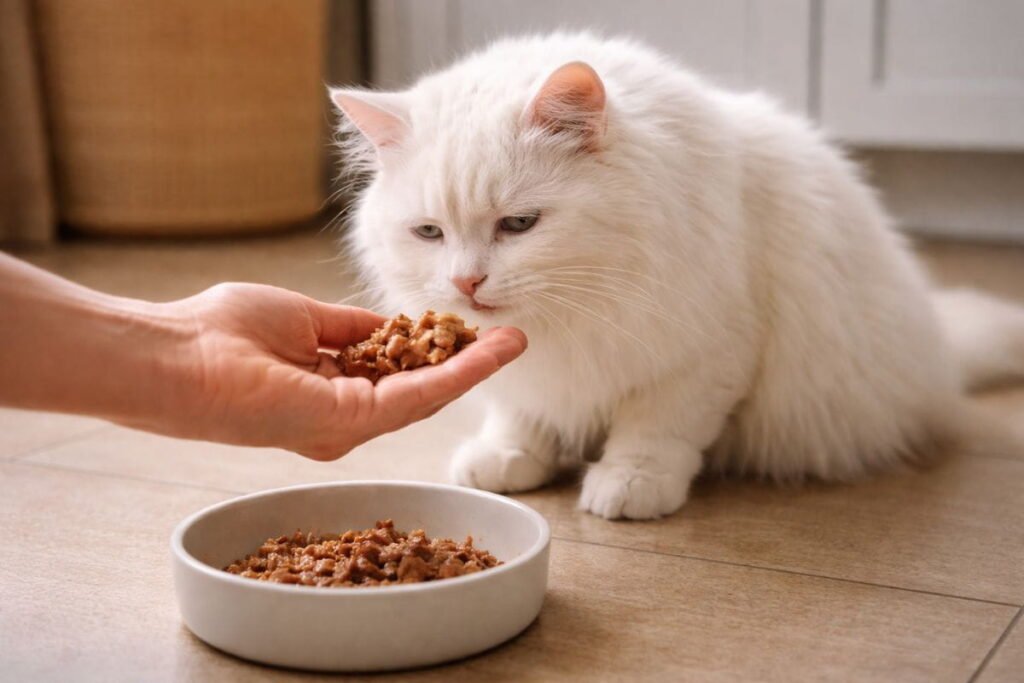
Nutrition fuels healing. If you wonder what to feed a sick cat, start with warm, wet food. Strong smells encourage eating. Small, frequent meals work better than large portions. This approach supports steady hydration levels and prevents weakness.
Some cats show cat not eating but drinking water behavior. That still signals concern. Watch for dehydrated cat symptoms such as dry gums or skin that does not bounce back quickly. In cases of fever, gentle cat fever treatment may include vet-approved medication and cooling rest.
Giving Medication Safely and Effectively in Sick Pet Care
Medication must be precise. Always follow the prescribed medication dosage. Guessing can delay healing or worsen side effects. Many cases of cat vomiting treatment require specific timing and careful observation.
If you are caring for an injured cat, clean the wounds gently and follow your vet’s pain management guidance. During post-surgery cat care, keep movement limited and inspect stitches daily. Consistency protects long-term feline health.
When to Take Your Sick Cat to the Vet Immediately for Emergency Sick Pet Care
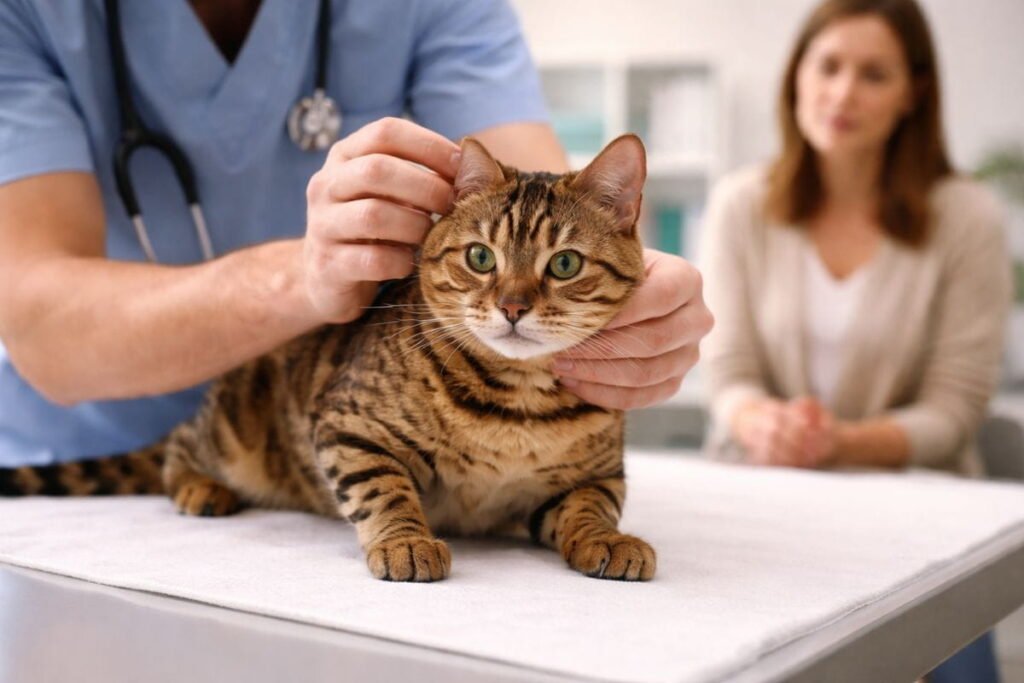
Some symptoms demand urgent action. Severe breathing difficulty, seizures, or collapse require emergency cat care without delay. If vomiting continues, professional help becomes essential.
Ask yourself clearly when to take cat to vet. If symptoms last more than two days, worsen rapidly, or involve extreme weakness, seek veterinary care. Quick decisions can save your cat’s life.
Common Illnesses in Cats and How They Are Treated in Sick Pet Care
Cats commonly suffer from stomach upset, infections, and digestive issues. Mild cases respond to rest and diet changes. However, untreated infections can turn into chronic illness.
Below is a simple overview.
| Condition | Common Cause | Usual Treatment |
| Respiratory infection | Virus or bacteria | Antibiotics or supportive care |
| Digestive upset | Food intolerance | Diet adjustment |
| Fever | Infection | Vet evaluation |
Strong cat health checkup routines reduce these risks.
How to Monitor Your Cat’s Recovery at Home During Sick Pet Care
Recovery requires daily attention. Track appetite, litter use, and mood. Good cat recovery tips include offering comfort while avoiding overstimulation.
Improvement should be steady. If there is no progress, consult your vet again. Regular observation supports both kitten illness care and ongoing senior cat health care, since older cats recover more slowly.
Preventing Future Illness in Cats Through Smart Sick Pet Care Habits
Prevention is easier than treatment. Maintain routine preventive care and follow a proper vaccination schedule. Regular parasite control also protects long-term feline health.
A balanced diet strengthens the immune system. Clean water and stress-free environments matter deeply. Strong habits reduce the need for emergency sick pet care later. If you’d like to learn more about caring for a sick cat, PetMD provides reliable information on common feline illnesses, symptoms, and home care tips that can help you understand when veterinary attention is needed.
Caring for Your Cat Emotionally During Illness as Part of Sick Pet Care
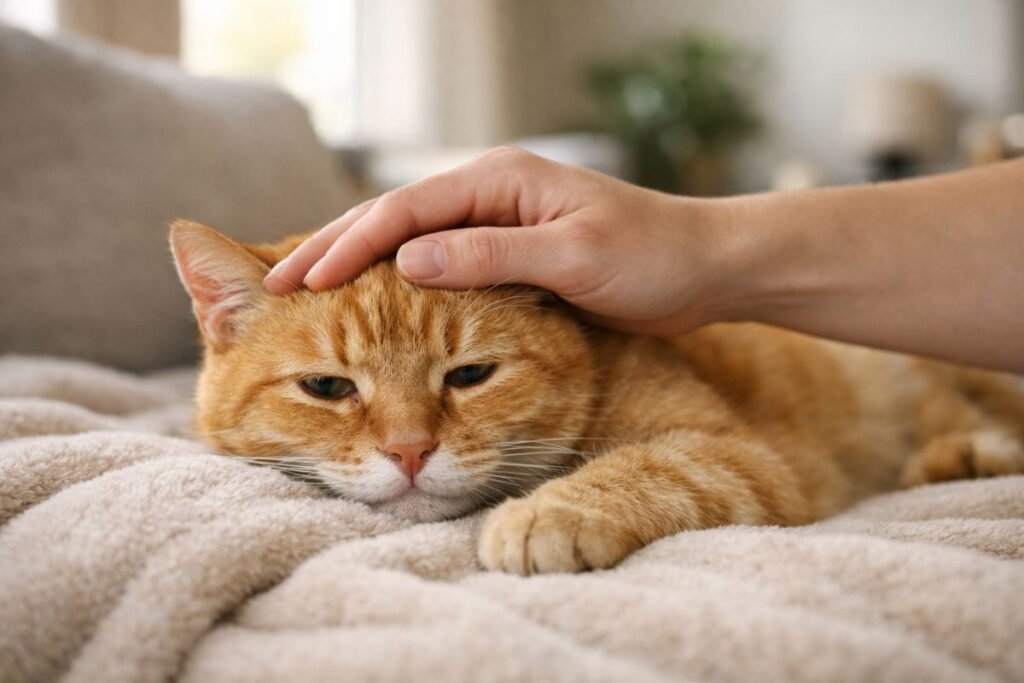
Physical healing is only half the story. Learning how to comfort a sick cat makes a real difference. Sit nearby. Speak softly. Let your presence reassure them.
During illness, cats often feel vulnerable. Quiet companionship lowers anxiety and supports stress reduction. Emotional care improves both physical recovery and trust.
Sick Pet Care Quick Reference Guide for Cat Owners
Below is a simplified overview to remember.
| Key Focus | Why It Matters |
| Hydration | Prevents organ damage |
| Nutrition | Supports healing |
| Vet contact | Prevents complications |
| Calm space | Speeds recovery |
Mastering sick pet care is about balance. Observe closely. Act early. Support gently. When you understand how to care for a sick cat, you become your pet’s strongest protector.
Common Mistakes to Avoid When Caring for a Sick Cat
Even with good intentions, many cat owners make mistakes that can slow recovery. Never give your cat human medications unless your veterinarian specifically recommends them, as many common pain relievers are toxic to cats. Avoid forcing food or water if your cat is struggling to swallow, and don’t wait several days hoping serious symptoms will disappear on their own.
Instead, monitor your cat closely, keep them warm and comfortable, and contact your veterinarian whenever symptoms worsen or your cat stops eating for more than 24 hours. Quick action and proper sick pet care often lead to faster recovery and help prevent minor illnesses from becoming serious emergencies.
Final Thoughts
Learning how to care for a sick cat isn’t about replacing your veterinarian—it’s about recognizing problems early and giving your cat the best possible support until professional care is available. Careful observation, proper hydration, good nutrition, and a quiet recovery space can make a significant difference in your cat’s healing process.
Remember that cats naturally hide pain, so even small changes in behavior deserve attention. Trust your instincts as a pet owner, monitor symptoms closely, and never hesitate to seek veterinary care if your cat’s condition worsens or doesn’t improve. Acting early is one of the best ways to protect your cat’s health and help them return to their happy, active self as quickly as possible.

Wahsay Ahmed is the founder of FelineNest and a cat care writer. His interest in feline health began in 2023 after adopting two cats, Whisker and Mochi. Since then, he has spent two years studying trusted veterinary resources, feline behavior, nutrition, and preventive care while applying that knowledge through daily care of his own cats.