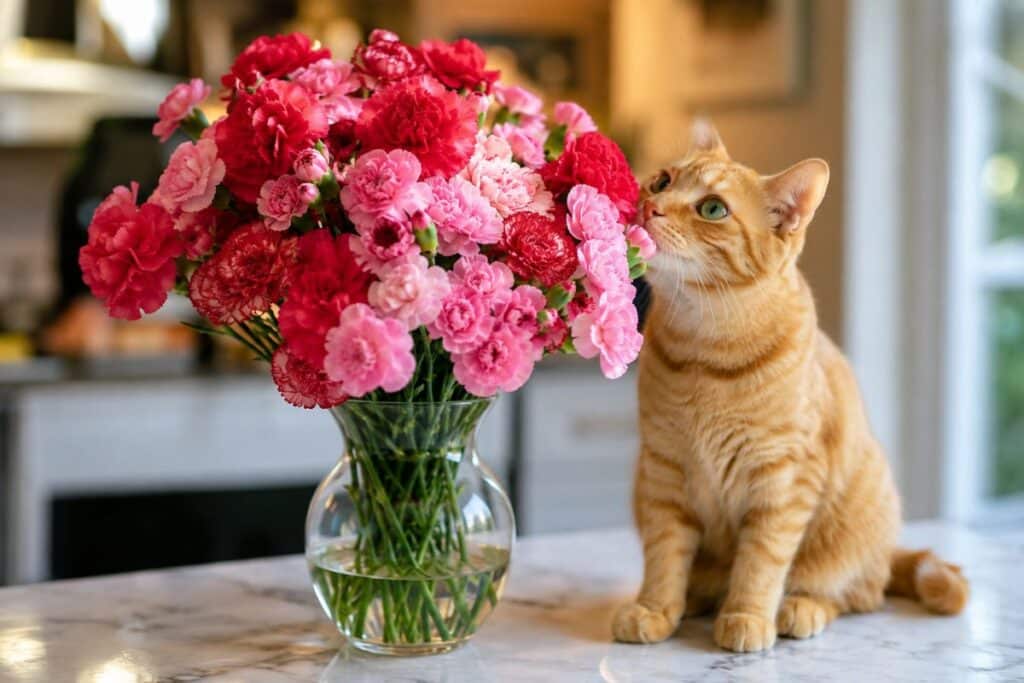
If you just brought home a fresh bouquet and noticed your cat sniffing those pretty ruffled blooms, you need to know the answer right now. Yes, carnations are toxic to cats. The good news is that they fall into the mild toxicity category — nowhere near as dangerous as lilies. But mild does not mean harmless, and knowing exactly what to expect can save you a lot of panic.
Carnations go by several names — sweet William, wild carnation, pinks, and their scientific name, Dianthus caryophyllus. They are one of the most popular flowers in bouquets worldwide, sold in every color from deep red to soft white. That widespread popularity is exactly why cat owners need to understand the risk before these flowers ever enter the home. If you want to keep flowers in your home safely, start with our guide on 7 cat-safe flowers that brighten your home without any risk.
Why Are Carnations Toxic to Cats?
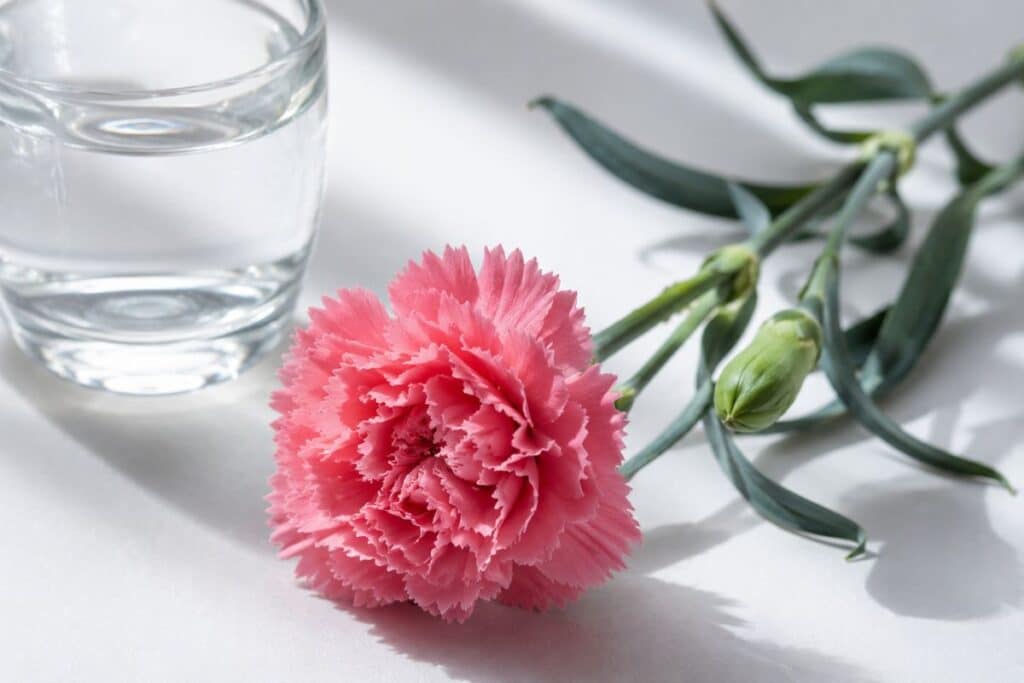
The compound responsible for carnation toxicity is called triterpenoid saponins. These are naturally occurring plant chemicals found in the sap of carnations and every other member of the Dianthus genus. Saponins irritate the soft tissues of the mouth, esophagus, stomach, and digestive tract when ingested. They can also cause skin irritation on direct contact.
Here is something most articles skip: saponins taste bitter. Most cats will take one nibble, make that disgusted face only cats can make, and walk away. That natural deterrent keeps many exposures minimal. However, younger cats, kittens, or particularly persistent chewers may consume enough to trigger real symptoms. You should never rely on taste alone to protect your cat.
Which Parts of the Carnation Plant Are Dangerous?
Every single part of the carnation plant carries risk. The petals, stems, leaves, pollen, and even the seeds all contain the saponin compound. The ASPCA officially lists carnations as toxic to cats, dogs, and horses, with mild gastrointestinal signs and mild dermatitis as the expected clinical response. There is no “safe” part to let your cat chew on — the whole plant should stay out of reach.
| Plant Part | Contains Saponins? | Risk Level |
| Petals | Yes | Moderate |
| Stems | Yes | Moderate |
| Leaves | Yes | Moderate |
| Pollen | Yes | Low–Moderate |
| Seeds | Yes | Low |
| Vase water | Possible (pesticide runoff) | Low |
One detail most owners miss: florist carnations are often treated with pesticides and fertilizers before they reach the store. Those chemical residues add another layer of risk on top of the plant’s natural toxicity. A cat that mouths or rubs against a commercially grown carnation may be exposed to more than just saponins.
Are Mini Carnations Toxic Too?
Yes, mini carnations are equally toxic to cats. They belong to the same Dianthus genus and contain the same saponin compounds as full-sized carnations. In fact, all 360-plus species within the Dianthus genus carry some level of toxicity to cats. The concentration and type of saponins varies between species, but none of them are safe for your cat to eat.
| Carnation Variety | Toxic to Cats? |
| Standard carnation (Dianthus caryophyllus) | Yes |
| Mini carnations | Yes |
| Border carnations | Yes |
| Dwarf carnations | Yes |
| Perpetual-flowering carnations | Yes |
| Sweet William (Dianthus barbatus) | Yes |
Symptoms of Carnation Poisoning in Cats
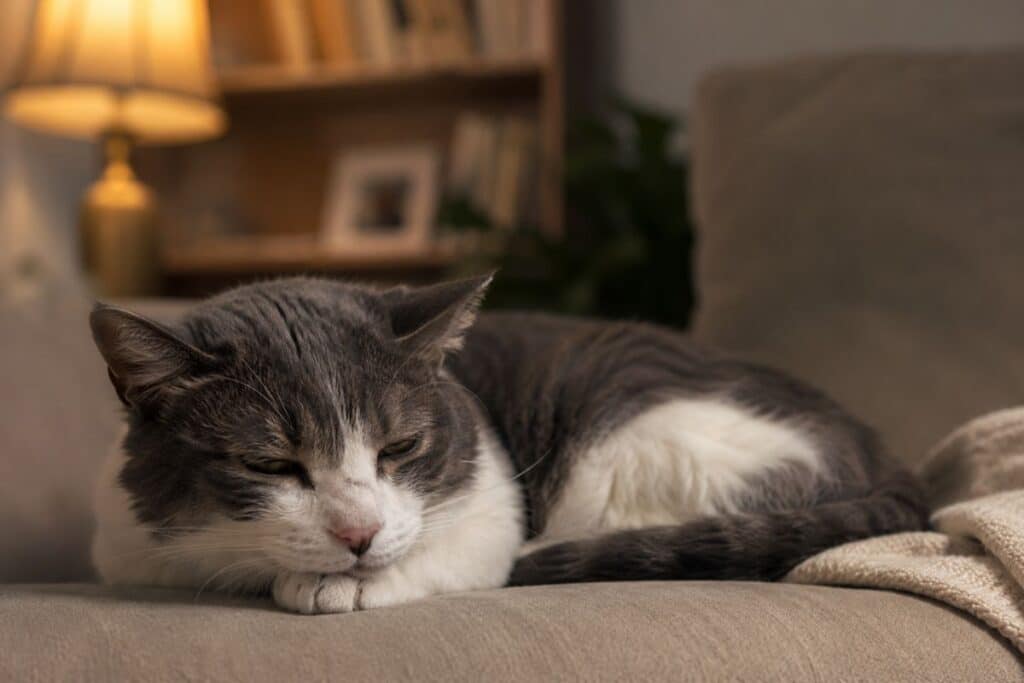
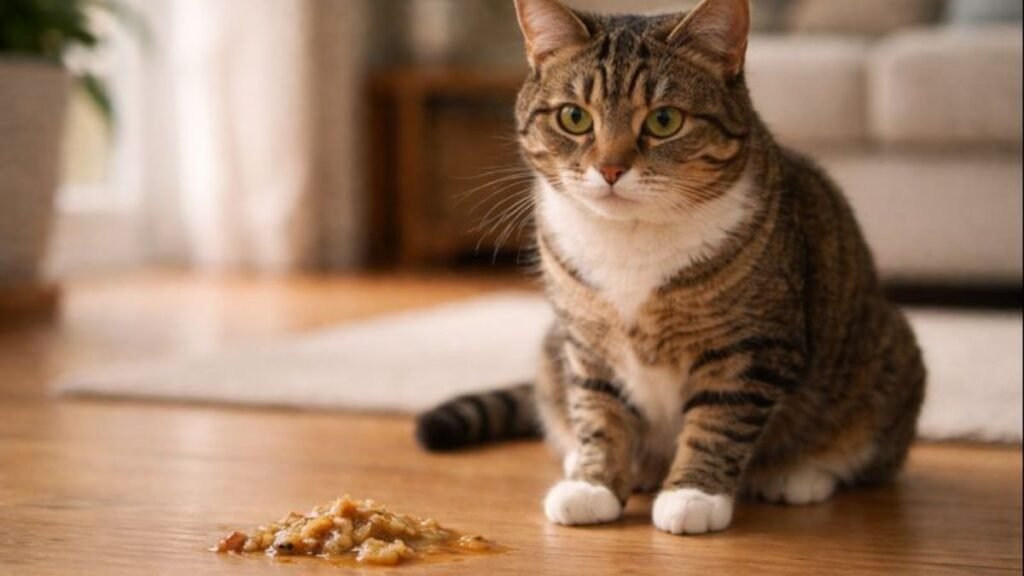
If your cat eats a carnation, symptoms can appear within minutes or take a few hours to show up. Early signs are often the most telling — watch for lip licking, drooling, and pawing at the mouth. These are your cat’s way of reacting to the bitter, irritating taste in real time.
From there, gastrointestinal upset takes over. Vomiting and diarrhea are the most common symptoms, sometimes accompanied by lethargy and a loss of appetite. Most cases resolve on their own within 24 hours. Secondary dehydration can develop if vomiting and diarrhea persist, which is why monitoring matters even when symptoms seem minor. If your cat is already showing these signs, our detailed guide on cat vomiting and diarrhea causes and treatment can help you understand what to watch for and exactly when to act.
| Symptom | Mild Exposure | Large Exposure |
| Drooling | ✅ Common | ✅ Common |
| Vomiting | ✅ Common | ✅ Common |
| Diarrhea | ✅ Common | ✅ Common |
| Lethargy | Sometimes | ✅ More likely |
| Loss of appetite | Sometimes | ✅ More likely |
| Dehydration | Rare | ✅ Possible |
| Skin irritation (contact) | ✅ Possible | ✅ Possible |
| Mouth redness/swelling | ✅ Possible | ✅ Possible |
Can Carnations Kill Cats?
No reported cases of feline fatality from carnation ingestion exist. This is not the same as saying carnations are safe — they are not — but the toxicity level is far below plants like lilies, which can cause fatal kidney failure even in tiny amounts. A cat that eats a small piece of carnation will almost certainly recover fully with basic supportive care.
| Flower | Toxicity Level | Can It Be Fatal? |
| Carnations | Mild | No (in normal cases) |
| Daisies | Mild–Moderate | Rarely |
| Tulips | Moderate | Rarely |
| Azaleas | High | Yes |
| Lilies | Severe | Yes — even small amounts |
| Sago Palm | Severe | Yes |
The risk increases if your cat consumes a large quantity, is very young, very old, or has underlying health conditions. Take every ingestion seriously, even when the expected outcome is good.
Skin Contact — A Risk Most Owners Miss
Most cat owners worry about ingestion and completely overlook skin contact. Carnation sap causes dermatitis — skin inflammation — when it comes into direct contact with a cat’s skin. A cat that rubs its face against a carnation stem, bats at the flowers, or gets pollen on its coat can develop redness, swelling, and irritation around the mouth, paws, or fur-covered areas.
If you notice your cat scratching or licking at a specific spot after being near carnations, rinse the area with warm water immediately. Check for redness or swelling. Skin-only exposures are generally milder than ingestion but still uncomfortable for your cat. If your cat also shows other unusual health changes like excessive thirst, weight loss, or lethargy alongside plant exposure, it is worth reading our guide on early signs of kidney disease in cats to rule out anything more serious.
What to Do If Your Cat Eats a Carnation

Act quickly but calmly. Remove the carnation plant or bouquet from your cat’s reach the moment you suspect they have eaten any part of it. This stops further exposure while you assess the situation. If you can safely do so, gently rinse your cat’s mouth with clean water to remove any remaining plant material or sap.
| Step | Action |
| 1 | Remove the carnation plant from your cat’s reach immediately |
| 2 | Rinse your cat’s mouth gently with clean water |
| 3 | Offer fresh water and encourage your cat to drink |
| 4 | Provide a small bland meal once vomiting settles |
| 5 | Monitor your cat closely for the next 12–24 hours |
| 6 | Note how much was eaten — your vet will need this detail |
| 7 | Call your vet if symptoms worsen or last more than a few hours |
Keep a close eye on your cat for the next 12 to 24 hours and note any symptoms that develop. Write down what you saw your cat eat and roughly how much, because your vet will ask for this information.
When to Call Your Vet
Call your veterinarian if symptoms last more than a few hours, worsen instead of improving, or if your cat stops drinking water. Vomiting that continues beyond 24 hours is a red flag. Call immediately if your cat is very young, elderly, pregnant, or has a known health condition — these cats need professional evaluation even for mild exposures.
Your vet may recommend anti-nausea medication, antacids to soothe the stomach lining, or intravenous fluids to treat dehydration. In some cases, activated charcoal is given to bind remaining toxins in the digestive tract. Most cats recover fully with this level of supportive care. You can also call the ASPCA Animal Poison Control Center at (888) 426-4435 for immediate guidance any time of day or night.
Cat-Safe Flower Alternatives You Can Display Proudly
Loving flowers and loving your cat do not have to be in conflict. Several beautiful, widely available flowers are completely non-toxic to cats. Roses are a classic choice — no toxicity, just the occasional petal mess on your table. Sunflowers are bright, long-lasting, and fully safe. African violets come in rich purple and pink shades and are non-toxic to both cats and dogs alike.
| Flower | Safe for Cats? | Notes |
| Roses | ✅ Yes | Watch for sharp thorns |
| Sunflowers | ✅ Yes | Bright and long-lasting |
| African Violets | ✅ Yes | Low maintenance, rich colors |
| Orchids | ✅ Yes | Elegant, long-blooming |
| Snapdragons | ✅ Yes | Colorful and widely available |
| Gerbera Daisies | ✅ Yes | Safe — not the same as regular daisies |
| Celosia | ✅ Yes | Unique texture, fully cat-safe |
| Carnations | ❌ No | Mildly toxic — avoid entirely |
| Regular Daisies | ❌ No | Toxic to cats |
| Lilies | ❌ No | Severely toxic — fatal risk |
Orchids, snapdragons, and gerbera daisies are all widely available at US grocery stores and florists, and every single one is completely cat-safe. When in doubt, cross-reference any new flower with the ASPCA toxic plant database before bringing it home. For a full visual guide with display tips, see our complete post on 7 cat-safe flowers to brighten your home safely.
The bottom line on our carnations are toxic to cats: yes, they pose a real risk, but a manageable one. Keep them out of your home if you have cats. If exposure does happen, monitor symptoms closely and contact your vet when in doubt. Swap carnations for a cat-safe bloom and everyone in your home — human and feline — gets to enjoy beautiful flowers without worry. For more guides on keeping your cat safe from everyday household hazards, explore our full cat health and safety collection at FelineNest.
Frequently Asked Questions
Q1: What happens if my cat eats a carnation?
Your cat will likely experience mild gastrointestinal upset — vomiting, drooling, and diarrhea. Most cases resolve on their own within 24 hours. Call your vet if symptoms persist, worsen, or if your cat stops drinking water.
Q2: Can carnations kill cats?
No. Carnations are mildly toxic, not fatal. No recorded deaths from carnation ingestion in cats exist. However, large amounts consumed by kittens, elderly cats, or cats with existing health conditions can lead to more serious symptoms that require vet attention.
Q3: Are all parts of the carnation plant toxic to cats?
Yes — petals, stems, leaves, pollen, and seeds all contain saponins. There is no safe part of the plant for cats to chew on. Even vase water may carry trace pesticide residue from commercially grown florist carnations.
Q4: Are carnations toxic to dogs too?
Yes. The ASPCA lists carnations as toxic to dogs and horses as well, not just cats. Dogs typically experience similar symptoms — vomiting, drooling, and mild diarrhea — though they tend to be slightly less sensitive than cats overall.
Q5: Is it safe for cats to smell carnations?
Toxicity is not transmitted through scent alone. However, getting close enough to smell a carnation means your cat is close enough to lick or chew it. It is always safer to keep carnations completely out of your cat’s environment rather than relying on supervision.
Medical Disclaimer: This article is for informational purposes only and does not replace professional veterinary advice. If your cat shows signs of poisoning, call your vet or ASPCA Poison Control at (888) 426-4435 immediately.

Wahsay Ahmed is the founder of FelineNest and a cat care writer. His interest in feline health began in 2023 after adopting two cats, Whisker and Mochi. Since then, he has spent two years studying trusted veterinary resources, feline behavior, nutrition, and preventive care while applying that knowledge through daily care of his own cats.