If you’ve stood in a pet store aisle staring at rows of grain free cat food and wondered whether it’s actually better — or just clever marketing — you’re asking exactly the right question. The grain-free trend has exploded over the past decade, and with it came passionate opinions on both sides. This guide cuts through the noise, provides the science, and helps you decide whether grain-free cat food is the right choice for your cat.
What Is Grain Free Cat Food Exactly?
Grain free cat food is formulated without cereal grains — meaning no wheat, corn, rice, barley, or oats anywhere in the recipe. These are ingredients that traditionally provided carbohydrates and bulk in commercial cat food. The idea behind removing them is simple: cats are obligate carnivores, meaning their bodies are designed to run on animal protein rather than plant-based starches. The logic follows that eliminating grains creates a diet more aligned with what a cat would naturally eat in the wild.
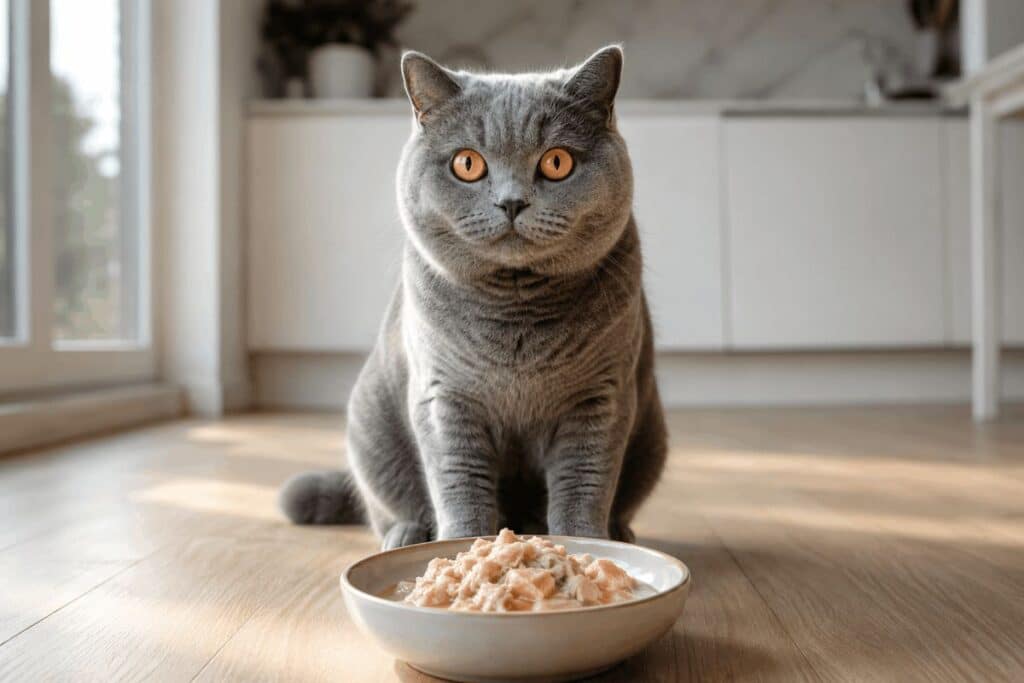
Grain-free formulas are available in every format — dry kibble, wet food in pâté or gravy form, freeze-dried raw, and even fresh-cooked meals. The variety has made grain-free one of the fastest-growing categories in the pet food industry, and today it’s found in everything from budget supermarket shelves to premium boutique brands.
| Grain-Free Food Format | Moisture Content | Best For |
| Dry Kibble | ~10% | Convenience, dental health, grazing cats |
| Wet / Canned (Pâté) | ~75–80% | Hydration, sensitive stomachs, and seniors |
| Wet in Gravy | ~78–82% | Picky eaters, urinary tract health |
| Freeze-Dried Raw | ~5% (rehydrate) | Maximum nutrition, cats rejecting kibble |
| Fresh / Gently Cooked | ~60–70% | Cats needing whole-food nutrition |
Grain-Free vs Gluten-Free — They Are Not the Same
This is one of the most common points of confusion among cat owners. Gluten is a specific protein found only in certain grains like wheat, barley, and rye. A gluten-free food simply removes those grains but can still contain rice or oats. Grain-free goes further — it removes all cereal grains entirely. Every grain-free food is automatically gluten-free, but not the other way around. If your cat has a confirmed grain sensitivity, you need grain-free specifically, not just gluten-free.
What Replaces Grains in These Formulas?
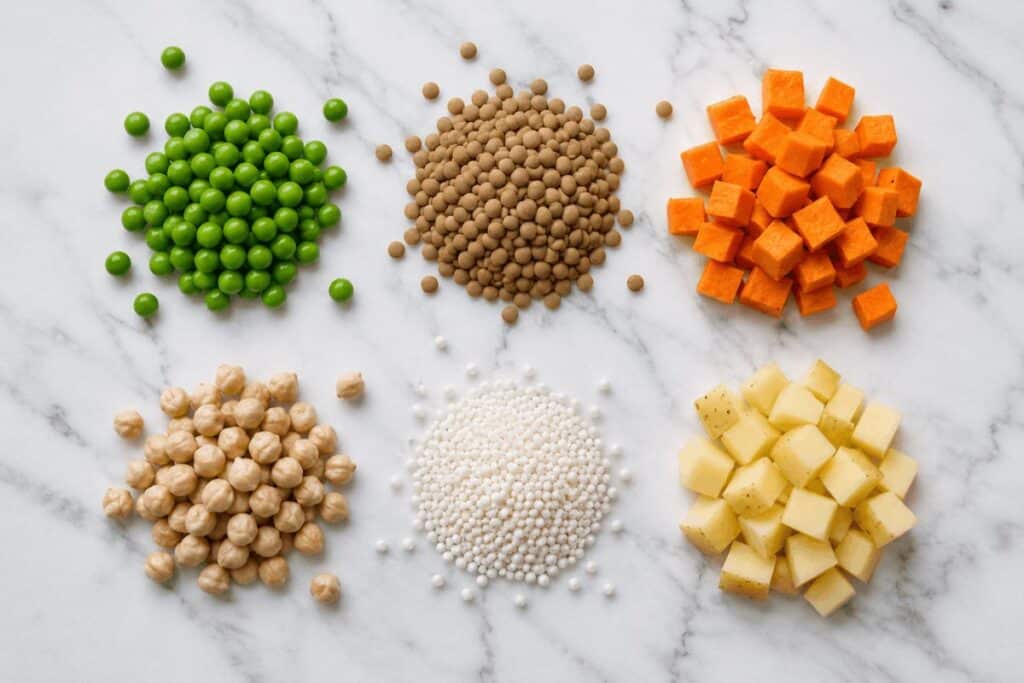
When manufacturers remove grains, they still need a carbohydrate source to bind the food and provide energy. Most grain free cat food replaces grains with peas, lentils, chickpeas, sweet potatoes, or tapioca. This means grain-free does not automatically mean low-carbohydrate. Some grain-free formulas contain just as many carbs as traditional foods — they just come from a different source. This is a crucial detail that many pet food marketing campaigns quietly gloss over.
| Common Grain Replacement | Carb Level | Concern Level |
| Sweet Potato | Medium | Low — digestible, nutritious |
| Peas / Lentils | Medium–High | Medium — watch if top 3 ingredients |
| Chickpeas | Medium | Low–Medium |
| Tapioca | High | Medium — low nutrient value |
| Potatoes | High | Medium — high glycemic index |
Real Benefits of Grain Free Cat Food
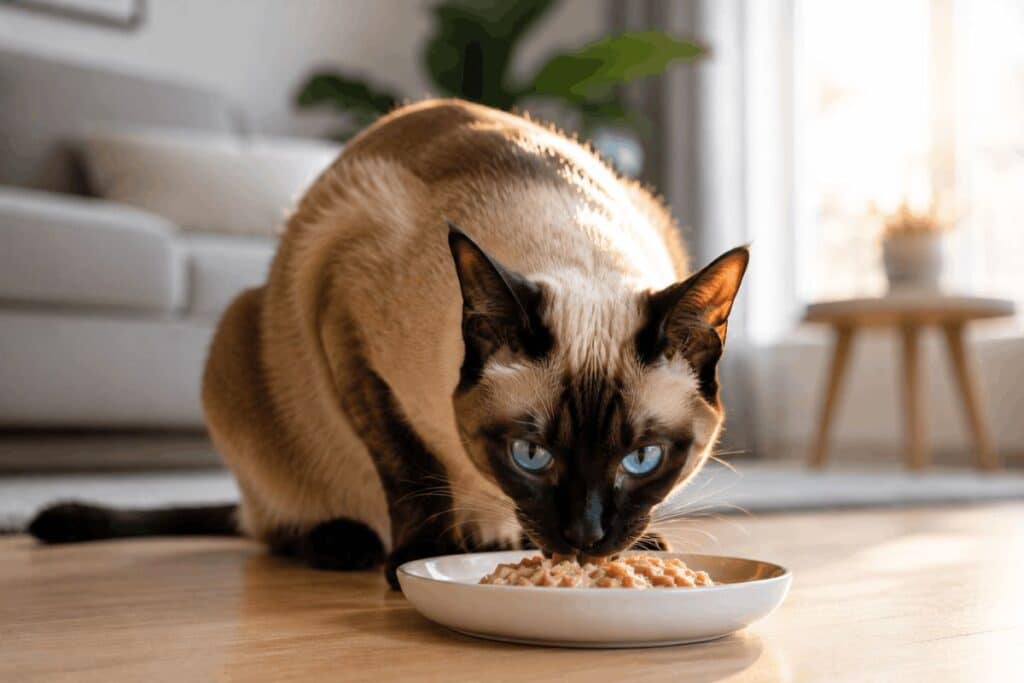
The benefits of grain free cat food are real — but they apply more strongly to some cats than others. For the right cat, switching to grain-free can produce visible improvements in digestion, coat quality, energy levels, and comfort.
A 2025 peer-reviewed study published in the journal Animals found that grain-free formulas typically deliver higher protein and fat content, which aligns more closely with what cats actually need as obligate carnivores. Many cat owners also report softer coats, reduced litter box odor, and fewer vomiting episodes after switching — results that align with what veterinary nutritionists understand about feline protein metabolism.
| Benefit | Who It Helps Most |
| Improved digestion, less vomiting | Cats with grain sensitivity or IBD |
| Shinier coat, reduced shedding | Cats with skin or coat issues |
| Better weight management | Overweight or sedentary indoor cats |
| Higher energy levels | Active or underweight cats |
| Reduced litter box odor | All cats on high-protein diets |
| Less bloating and gas | Cats with sensitive stomachs |
Better for Cats With Allergies or Sensitivities
If your cat scratches constantly, has recurring skin irritations, or deals with chronic digestive upset, a grain sensitivity could be the culprit — though true grain allergies are not particularly common in cats. The most frequent food allergens for cats are actually animal proteins like beef or fish, not grains. That said, for cats that do react to grains, removing them from the diet can produce dramatic improvement. Veterinary dermatologists sometimes recommend elimination diets that are grain-free as a diagnostic step to identify what’s triggering a cat’s symptoms. If your cat has been vomiting frequently, it’s worth reading our guide on why is my cat throwing up to rule out other causes.
Higher Protein, Closer to Feline Biology
Cats have a unique metabolism. Unlike dogs or humans, they rely on protein — not carbohydrates — as their primary energy source at the cellular level. Their livers are constantly processing amino acids, and they have a limited ability to adjust this even when protein intake drops. A grain-free cat food that prioritizes named animal proteins like deboned chicken, wild-caught salmon, or turkey as the first ingredient naturally supports this biology. The result is often a leaner body composition, better muscle maintenance, and more stable energy throughout the day.
Risks You Should Know Before Switching
Grain free cat food is not without legitimate concerns, and any responsible cat owner deserves to hear both sides clearly. The biggest mistake cat owners make is assuming that “grain-free” automatically means “healthier” or “higher quality.”
The label alone tells you nothing about the overall nutritional balance of the food. A grain-free formula can still be poorly formulated, heavy in cheap plant-based fillers, or deficient in essential nutrients.
Veterinary nutritionists consistently emphasize one thing above all else: balance matters more than the presence or absence of any single ingredient. Choosing food based on what it doesn’t contain — rather than what it does — is one of the most common nutrition mistakes cat owners make.
The Heart Disease Question — What Science Actually Says
You may have heard concerns about grain-free diets and dilated cardiomyopathy (DCM), a serious heart condition. Here’s the honest picture. The FDA’s investigation into diet-associated DCM was triggered primarily by cases in dogs — out of hundreds of reported cases, only nine involved cats. The 2025 review in Animals confirmed that concerns about legume-heavy grain-free formulas causing heart disease were significantly more relevant in dogs than in cats. Cats do need adequate taurine — an amino acid they cannot produce on their own — for healthy heart function. Modern AAFCO-compliant grain-free formulas that use real meat as the primary ingredient are generally taurine-sufficient, making this risk manageable when you choose quality brands.
Not All Grain-Free Foods Are High Quality
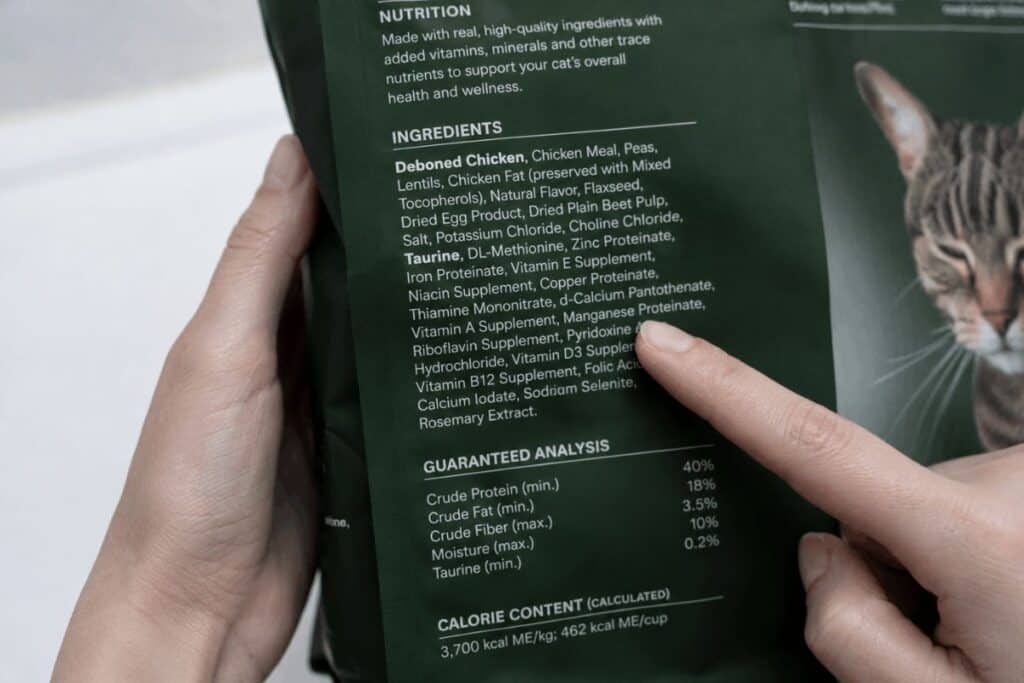
Some grain-free formulas replace grains with excessive amounts of peas, lentils, or potatoes — ingredients that crowd out animal protein and can upset nutritional balance. Others use vague terms like “meat meal” without specifying the source, or skip the AAFCO nutritional adequacy statement entirely.
| ✅ What to Look For | ❌ What to Avoid |
| Named meat as the first ingredient (chicken, salmon, turkey) | “Meat meal” or unnamed protein sources |
| AAFCO complete and balanced statement | No nutritional adequacy statement on the label |
| Taurine is listed in the ingredients or guaranteed analysis | No taurine mention anywhere |
| Moderate legume content (not in top 3 ingredients) | Peas or lentils as the 2nd and 3rd ingredients |
| Life-stage appropriate formula | Generic “all life stages” on low-quality food |
| No artificial colors or preservatives | Artificial colors, BHA, and BHT preservatives |
How to Choose the Best Grain Free Cat Food
Choosing a quality grain free cat food comes down to reading the label carefully and ignoring the front-of-bag marketing. Start with the ingredient list — the first ingredient should always be a named animal protein. Chicken, deboned turkey, wild-caught salmon, or beef are all strong signs.
If peas or potatoes appear in the first three ingredients, the formula is leaning too heavily on plant-based fillers. Next, look for the AAFCO nutritional adequacy statement — this small line of text confirms the food is complete and balanced for your cat’s specific life stage.
Finally, make sure taurine appears in the guaranteed analysis or ingredient list. If you have a senior cat, the right formula matters even more — check out our full guide on best food for older cats.
| Cat Type | Best Grain-Free Format | Key Ingredient Priority |
| Healthy adult cat | Wet or dry — either works | Named protein first, moderate fat |
| Overweight cat | High-protein wet food | Low carb, controlled calories |
| Cat with allergies | Limited ingredient dry or wet | Single novel protein (duck, rabbit) |
| Senior cat (8+ years) | Wet food — higher moisture | Easy-digest protein, added taurine |
| Kitten | Kitten-specific grain-free wet | DHA, ARA, taurine for development |
| Cat with urinary issues | Wet grain-free canned | High moisture (78%+), low magnesium |
How to Switch Your Cat to Grain-Free Food Safely
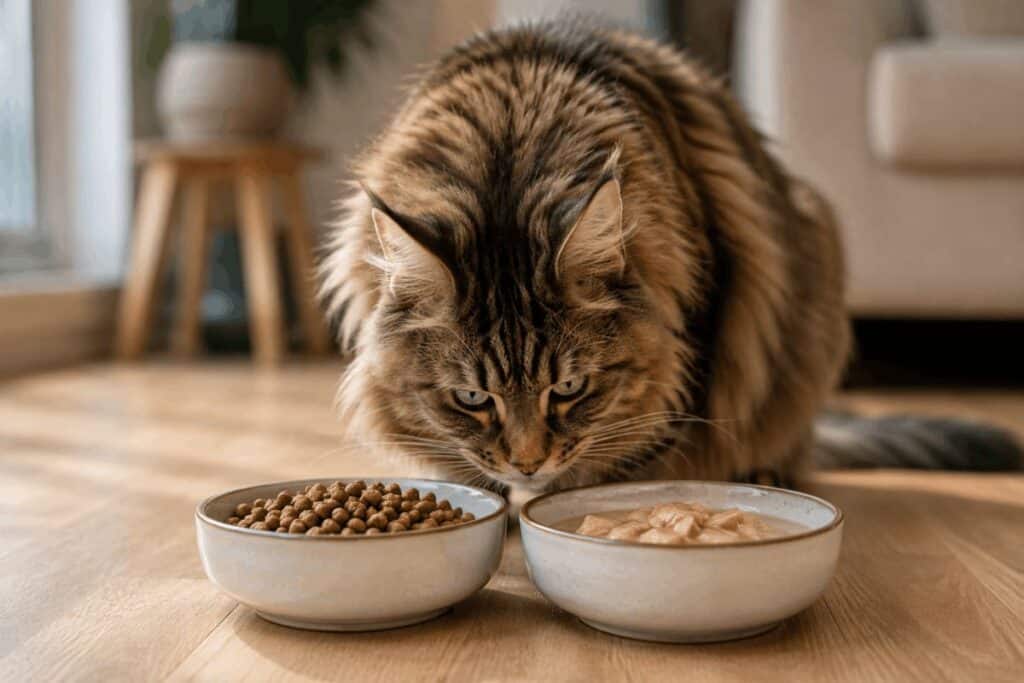
Switching too quickly is the most common mistake cat owners make when changing their cat’s diet, and it almost always results in stomach upset, loose stools, or outright food refusal. Veterinarians recommend a gradual 7 to 10-day transition to give your cat’s digestive system time to adjust to the new protein and carbohydrate sources. Senior cats need extra care during transitions — you can find detailed advice in our best senior cat food guide.
| Day | Old Food | New Grain-Free Food |
| Day 1–3 | 75% | 25% |
| Day 4–6 | 50% | 50% |
| Day 7–9 | 25% | 75% |
| Day 10 onward | 0% | 100% |
Watch for any changes in litter box habits, coat condition, energy levels, or appetite during the transition. If your cat develops persistent vomiting or diarrhea, slow the transition down further or consult your vet. For cats with existing health conditions like kidney disease, diabetes, or IBD, always speak with your veterinarian before making any dietary change. You should also check whether any plants or foods in your home are harmful — our guide on cat safe flowers is a great place to start.
Frequently Asked Questions — Grain Free Cat Food
Q1: Is grain-free cat food actually better for cats?
Not always — it depends on your cat’s individual health needs. For cats with grain sensitivities, allergies, or digestive issues, grain-free can be genuinely beneficial. For healthy cats with no specific issues, ingredient quality matters more than whether grains are present or not.
Q2: Do cats need grain-free food?
No — cats have no biological requirement for grains, but they also don’t require grain-free food specifically. What cats truly need is high-quality animal protein, adequate taurine, and a nutritionally complete and balanced formula, grain-free or otherwise.
Q3: Can grain-free cat food cause heart disease?
The FDA’s DCM heart disease investigation was primarily focused on dogs — only 9 out of hundreds of reported cases involved cats. Current research does not establish a clear link between grain-free diets and heart disease in healthy cats, especially when the food contains adequate taurine and named animal protein.
Q4: Is grain-free the same as low-carb?
No — this is one of the biggest misconceptions. Many grain-free formulas replace grains with peas, lentils, potatoes, or tapioca, which are all carbohydrates. Some grain-free foods can be even higher in carbs than traditional grain-inclusive formulas.
Q5: What should I look for on a grain-free cat food label?
Look for a named animal protein as the first ingredient, an AAFCO complete and balanced statement, taurine in the ingredient list, and minimal legume content. Avoid foods where peas, lentils, or potatoes dominate the first three ingredients.
Fanal
Grain-free cat food is neither a miracle solution nor the danger some headlines make it out to be. For cats with genuine grain sensitivities, allergies, or digestive issues, it can be a genuinely helpful dietary shift. For healthy adult cats with no specific concerns, the decision comes down to ingredient quality rather than the grain-free label itself.
The best grain-free cat food is the one with real meat at the top of the ingredient list, an AAFCO nutritional adequacy statement, and adequate taurine — not simply the one with the biggest “grain-free” badge on the front. Ready to find the right food for your cat? Start with your vet, read the label carefully, and let your cat’s health tell you the rest. For more science-backed cat nutrition guides, explore the rest of the Feline Nest blog!

Wahsay Ahmed is the founder of FelineNest and a cat care writer. His interest in feline health began in 2023 after adopting two cats, Whisker and Mochi. Since then, he has spent two years studying trusted veterinary resources, feline behavior, nutrition, and preventive care while applying that knowledge through daily care of his own cats.