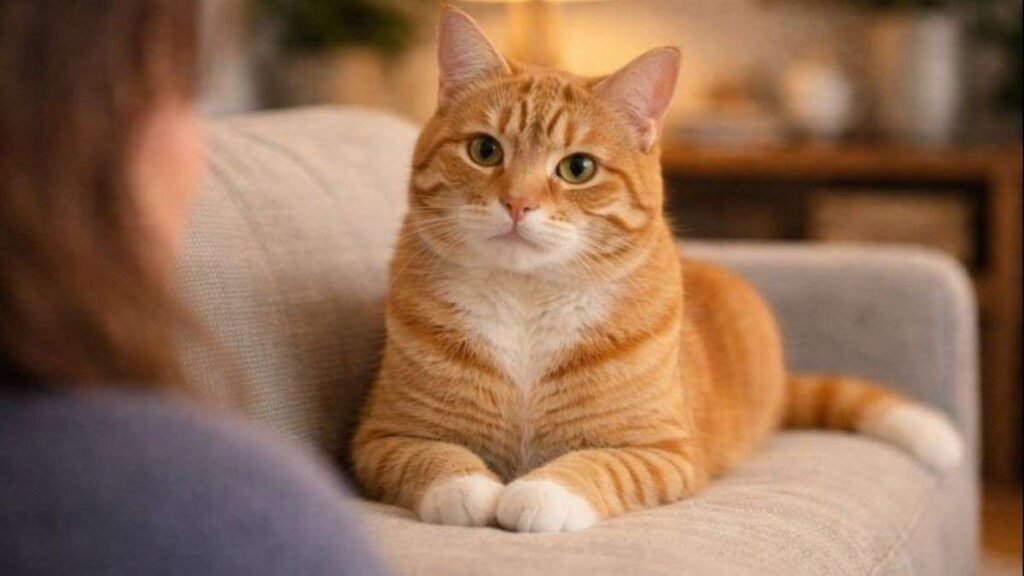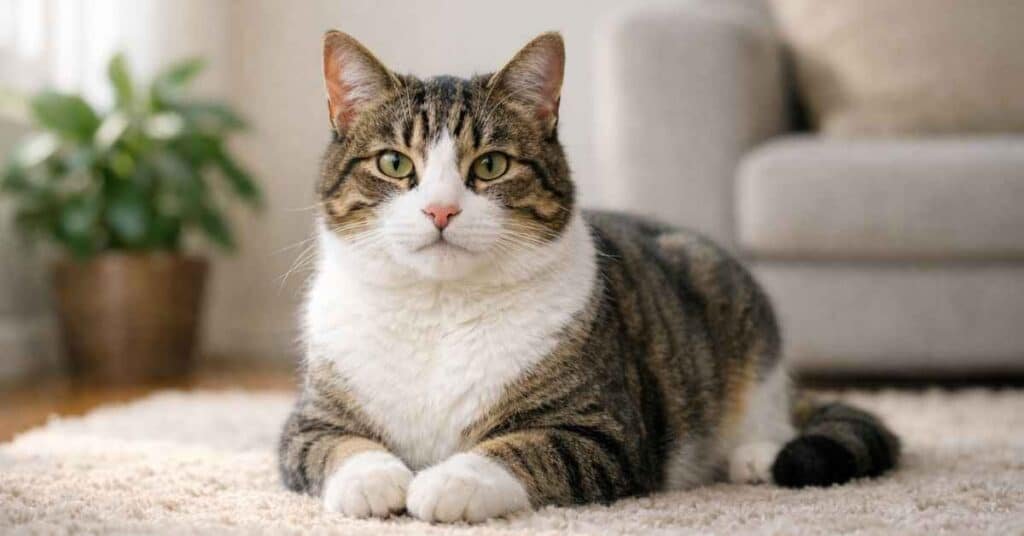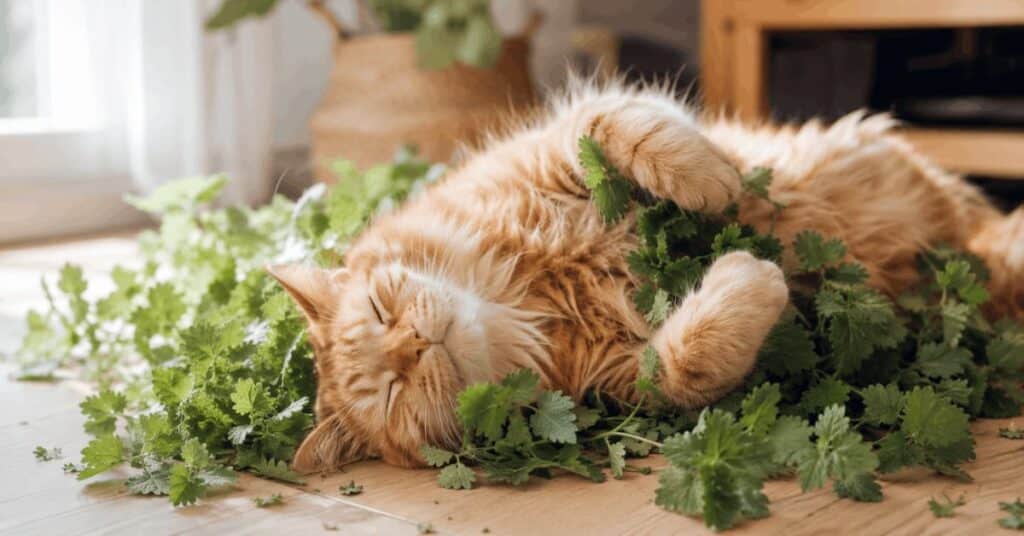
If you’ve ever dropped a pinch of catnip near your cat and watched her instantly flip into a rolling, purring, wide-eyed frenzy — you’ve probably wondered: why do cats love catnip so much? The answer is surprisingly deep, rooted in brain chemistry, ancient instinct, and even a bit of evolutionary survival strategy. By the end of this post, you’ll understand exactly what’s happening inside your cat’s head every time she encounters this magical little herb.
What Is Catnip and Where Does It Come From?
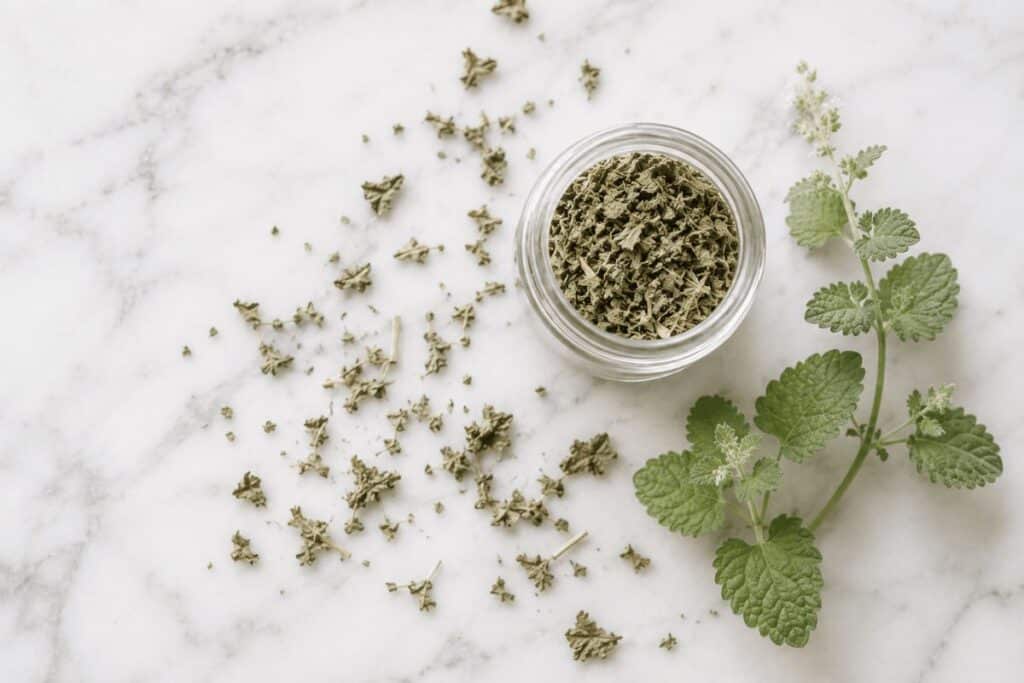
Catnip, scientifically known as Nepeta cataria, is a perennial herb that belongs to the mint family — making it a distant cousin of peppermint and spearmint. Originally native to parts of Asia and Europe, catnip has since spread across the globe and can now be found growing wild along country roads, in home gardens, and in pet stores worldwide.
Most commercial catnip is sold in a dried and crushed form, but fresh catnip is significantly more potent. If you want to give your cat a stronger experience, growing a catnip plant at home is a simple, affordable option.
| Type | Potency | Best For |
| Fresh Catnip | High | Maximum reaction, smaller amount needed |
| Dried Catnip | Medium | Every day use, toys, sprinkling |
| Catnip Spray | Low–Medium | Scratching posts, carriers, training |
| Catnip Toys | Low | Gentle play, kittens approaching 6 months |
The Secret Compound Inside Catnip
The real magic is locked inside tiny, microscopic bulbs that coat the plant’s leaves, stems, and pods. These bulbs contain an organic compound called nepetalactone. The moment the plant is crushed, chewed, or even gently rubbed, those bulbs burst open and release nepetalactone into the air. That’s the trigger — the smell that sets everything in motion.
From my own experience caring for cats, I’ve learned that every cat reacts to catnip differently. One of my cats starts rolling, rubbing her face on the floor, and purring loudly within seconds of smelling fresh catnip, while another barely notices it. Watching these different reactions made me curious about the science behind catnip, and after researching feline behavior and veterinary sources, I discovered that genetics—not personality alone—plays the biggest role in whether a cat responds. That understanding completely changed the way I use catnip as a fun enrichment tool rather than expecting every cat to react the same way.
How Nepetalactone Travels to Your Cat’s Brain
Once your cat sniffs catnip, nepetalactone molecules drift into her nasal passages and bind directly to olfactory receptor cells. From there, sensory neurons fire signals straight to the brain — specifically to areas like the amygdala and hypothalamus, which govern emotion, arousal, and behavior. Cats also have a special scent organ called the vomeronasal gland located at the roof of their mouths, which gives them an extra pathway for processing powerful scents. Together, these systems send the brain into a burst of stimulated activity that produces the wild, euphoric behavior we all love to watch.
Why Do Cats Love Catnip So Much?
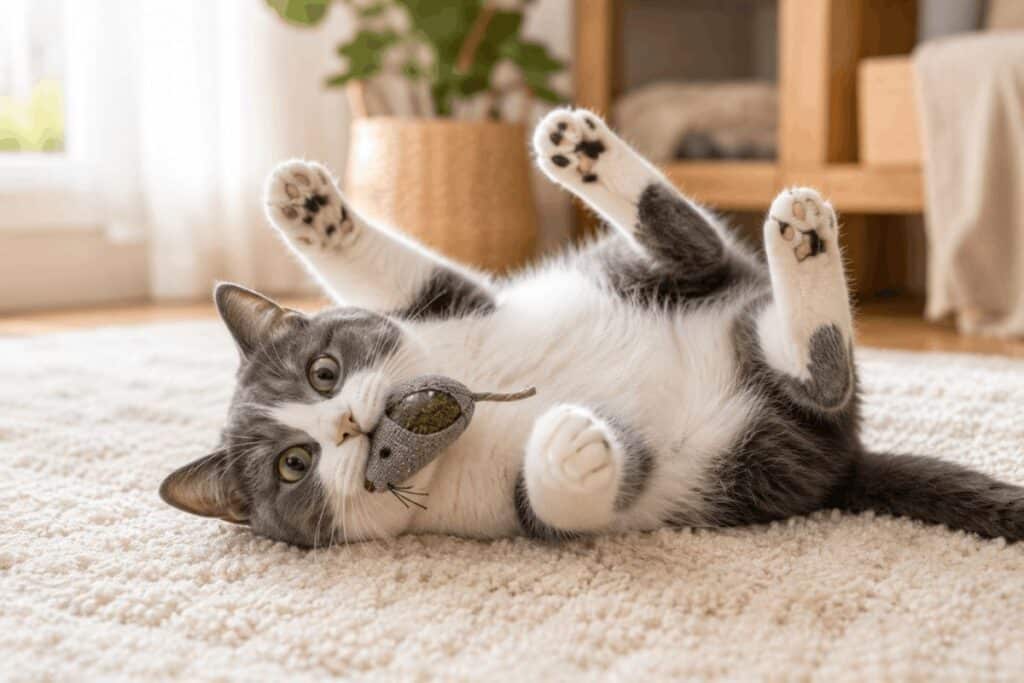
The short answer: it makes them feel genuinely amazing. Scientists believe the nepetalactone behaves similarly to feline pheromones — natural chemical signals cats use to communicate pleasure, excitement, and even sexual attraction. When the brain interprets nepetalactone as a pheromone, it responds accordingly, triggering behaviors like rolling, rubbing, vocalizing, drooling, and sprinting around the room.
| Behavior | What It Means |
| Rolling & Rubbing | Spreading nepetalactone on the body (insect repellent instinct) |
| Vocalizing & Meowing | Heightened emotional arousal from opioid reward activation |
| Drooling | Intense pleasure response, similar to a euphoric state |
| Zoning Out / Stillness | Post-peak sedation as the brain returns to baseline |
| Sprinting / Jumping | Stimulated playfulness from the pheromone-mimicking effect |
The effects typically last between 5 and 15 minutes before cats temporarily lose interest. After about 30 minutes, sensitivity resets, and the whole wonderful cycle can begin again.
The Opioid Reward System Connection
Research published in Science Advances by scientists from Japan and the UK revealed something remarkable: nepetalactone and a similar compound called nepetalactol activate the μ-opioid reward system in cats. This is the same reward pathway that regulates feelings of intense pleasure and happiness. It works similarly to the way certain compounds affect the human brain — producing a natural, short-lived high without any harmful dependency. Crucially, this response is not addictive. Cats cannot develop a chemical dependency on catnip, and their bodies show no signs of withdrawal when it’s taken away.
The research behind catnip’s effects has been explored in peer-reviewed studies. A study published in Science Advances found that compounds in catnip activate the feline μ-opioid reward system while also helping repel mosquitoes, suggesting that the behavior provides both pleasure and an evolutionary survival benefit.
Why Even Wild Big Cats Can’t Resist It
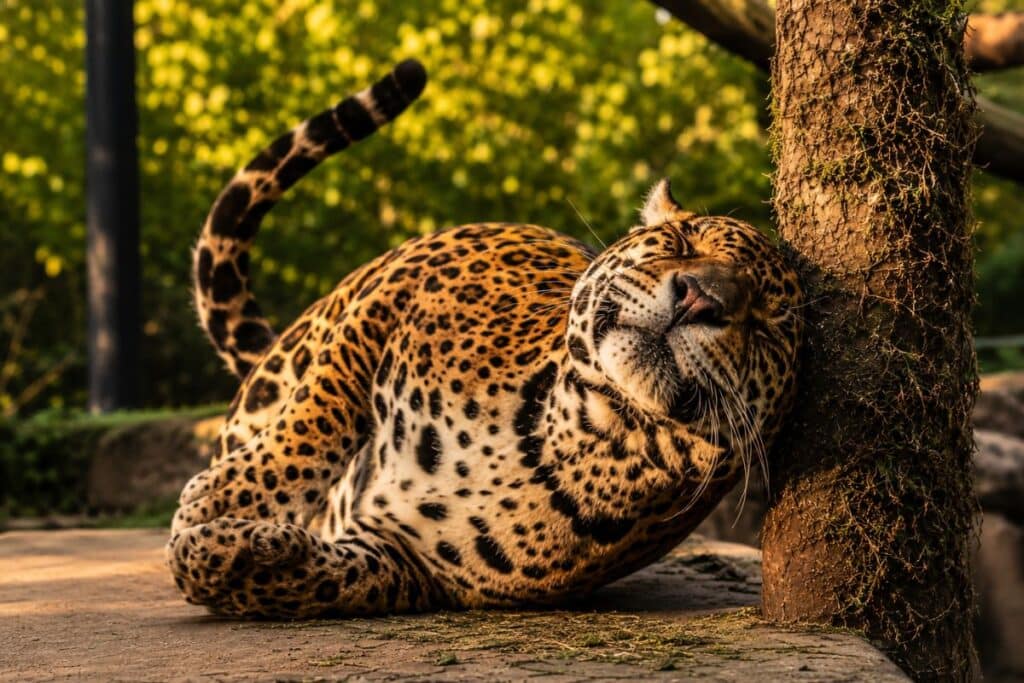
Here’s something that surprises many cat owners: domestic cats are not the only felines that go wild for catnip. The same researchers tested nepetalactol on leopards, lynxes, and jaguars housed in Japanese zoos — and every single one responded, rubbing their heads and bodies against the catnip-treated surfaces for an average of 10 minutes. This tells us the catnip response is deeply embedded in feline biology, stretching back millions of years before cats ever curled up on a human couch.
The scientists also uncovered a fascinating evolutionary reason why cats may have developed this response: nepetalactone acts as a natural insect repellent. Cats that rubbed themselves in catnip had roughly half as many mosquitoes land on them compared to cats that didn’t. So your cat’s catnip obsession may actually be ancient, instinctive pest control.
| Feline Species | Reacts to Catnip? |
| Domestic Cat | Yes — ~70% respond |
| Lion | Yes |
| Leopard | Yes |
| Jaguar | Yes |
| Lynx | Yes |
| Tiger | Mostly indifferent / disapproving |
Not All Cats React the Same — Here’s Why
If you’ve offered catnip to your cat and gotten a completely blank stare in return, you’re not alone. Roughly 30% of domestic cats show little to no reaction to catnip whatsoever. The response is genetic — it’s an autosomal dominant trait, meaning a cat either inherited the gene for sensitivity or didn’t. No amount of exposure will change that.
Can Kittens Have Catnip?
Young kittens typically don’t respond to catnip at all, and that’s completely normal. The brain receptors that detect nepetalactone need time to develop. Most cats don’t begin showing a catnip reaction until they are between 3 and 6 months old, as they approach sexual maturity. Senior cats may also show a gradually reduced response over time.
| Age Group | Catnip Response |
| Under 3 months | No response — receptors not yet developed |
| 3–6 months | Response begins to appear |
| Adult (1–8 years) | Strongest, most consistent reaction |
| Senior (8+ years) | Gradually reduced sensitivity |
How to Use Catnip Wisely for Your Cat

Catnip is wonderfully versatile. Beyond just entertainment, it offers real, practical benefits for cat owners who use it thoughtfully.
| Use Case | How to Apply | Benefit |
| Reduce vet anxiety | Sprinkle in the carrier before travel | Calmer, less-stressed cat |
| Stop furniture scratching | Apply catnip spray on the scratching post | Redirects clawing instinct |
| Encourage exercise | Use dried catnip in a toy or ball | Stimulates sedentary cats |
| Training reward | Offer after good behavior | Positive reinforcement |
| Strengthen bonding | Shared play session with a catnip toy | Better human–cat connection |
Use catnip in moderation — a small pinch two to three times per week is plenty. Too much too often doesn’t cause harm, but it can dull the novelty of the response over time.
Silver Vine — A Powerful Catnip Alternative
If your cat is among the 30% who don’t respond to catnip, don’t give up on plant-based enrichment. Silver vine (Actinidia polygama), native to East Asia, contains compounds called actinidine and dihydroactinidiolide that produce similar — and often even stronger — effects than catnip. Studies show silver vine affects a larger percentage of cats than regular catnip and can be a game-changer for cats who seem immune to the classic herb.
| Plant | Key Compound | % Cats Affected | Potency |
| Catnip | Nepetalactone | ~70% | Medium |
| Silver Vine | Actinidine / Nepetalactol | ~80% | High |
| Valerian Root | Actinidine (trace) | ~50% | Low–Medium |
FAQs
Q1: Why do cats go crazy for catnip?
Catnip contains nepetalactone, which binds to a cat’s olfactory receptors and activates the brain’s opioid reward system, triggering a short burst of euphoria, rolling, and playful behavior.
Q2: Do all cats react to catnip?
No — around 30% of cats don’t respond at all. Sensitivity to catnip is an inherited genetic trait, so some cats are simply born without it.
Q3: How long do catnip effects last?
The peak reaction lasts 5–15 minutes, after which the cat becomes temporarily immune for about 30 minutes before the sensitivity resets.
Q4: Is catnip addictive or harmful to cats?
Catnip is completely non-addictive and safe. Cats naturally stop when they’ve had enough, though eating too much may cause mild stomach upset.
Q5: Can kittens have catnip?
Kittens under 3–6 months old typically don’t respond, as their brain receptors haven’t fully developed yet. It’s best to wait until they’re at least 6 months old.
Final Thoughts — The Magic Behind Catnip
Now you know exactly why cats love catnip — it’s a perfect storm of brain chemistry, ancient instinct, and evolutionary adaptation. From nepetalactone triggering the feline opioid reward system to the surprising mosquito-repelling discovery, catnip is far more fascinating than it first appears. If your cat is a catnip fan, treat her to a pinch today. And if she’s in the 30% who don’t respond, try silver vine — chances are, you’ll find her bliss one way or another. For more science-backed cat care tips, explore the rest of the Feline Nest blog!

Wahsay Ahmed is the founder of FelineNest and a cat care writer. His interest in feline health began in 2023 after adopting two cats, Whisker and Mochi. Since then, he has spent two years studying trusted veterinary resources, feline behavior, nutrition, and preventive care while applying that knowledge through daily care of his own cats.