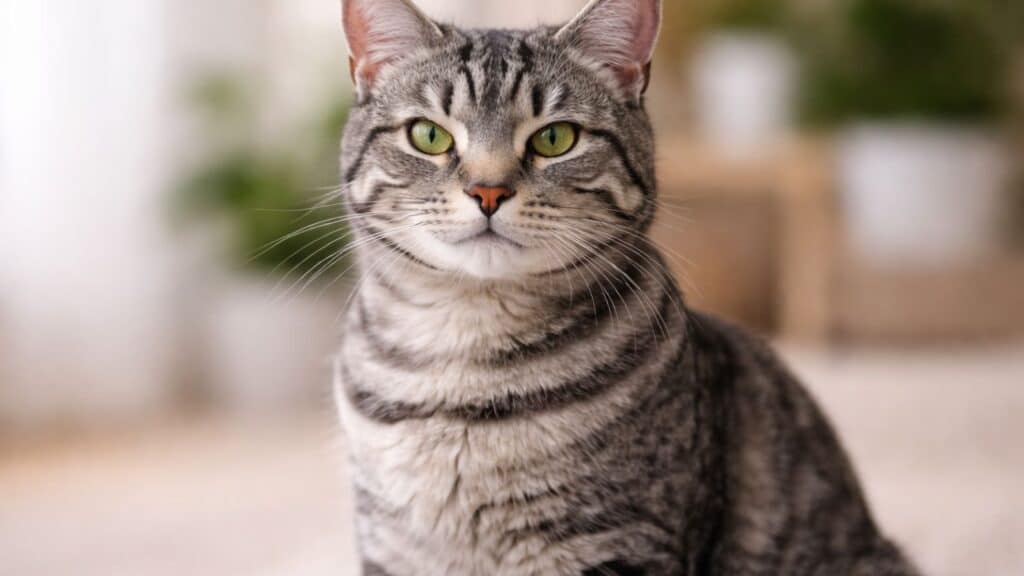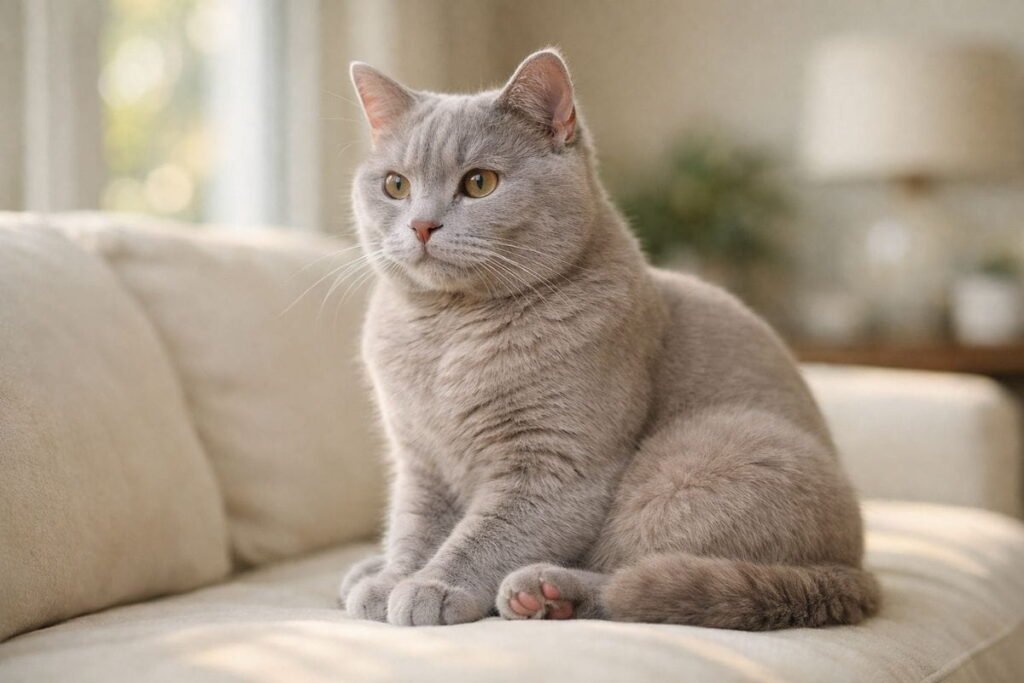
A lilac cat doesn’t just walk into a room. It arrives softly. The coat looks like powdered cocoa mixed with morning fog. In sunlight, it shimmers. Up close, it feels almost pastel. Many Americans mistake it for gray. Others call it lavender. Both are close. Neither tells the full story.
This guide goes deeper than surface beauty. You’ll learn how genetics creates this rare shade, why breeders prize it, how much it costs in the United States, and how to care for one properly. By the end, you won’t just recognize a lilac cat. You’ll understand it.
What Is a Lilac Cat? (Color Definition vs. Breed Confusion)
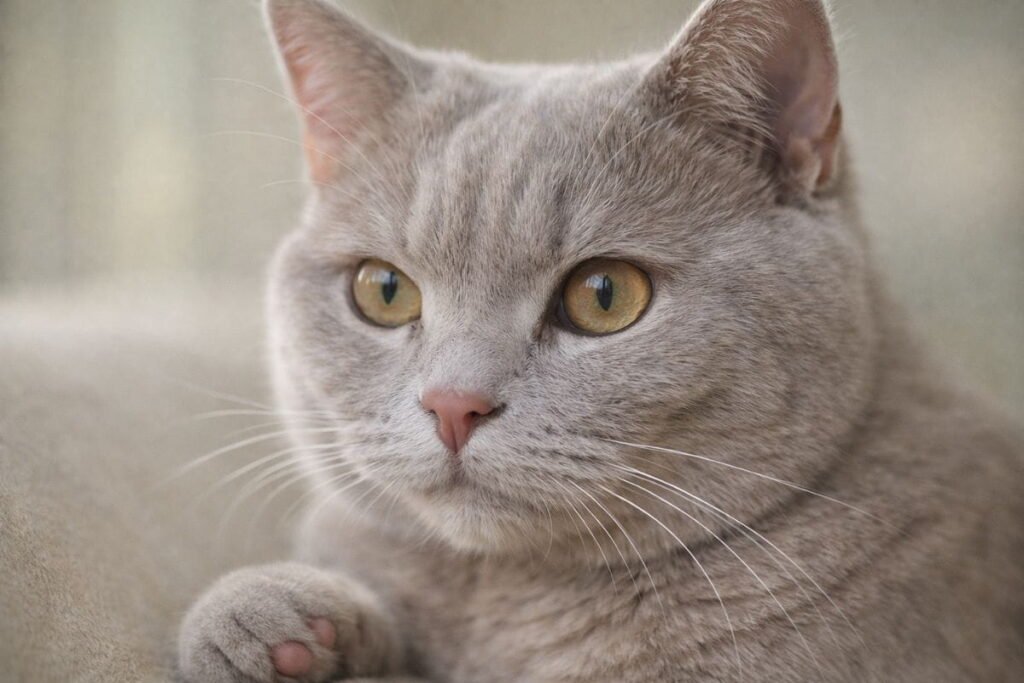
A lilac cat is a color, not a breed. The lilac cat color comes from a softened chocolate base that appears diluted and cool. Imagine a light chocolate cat brushed with silver frost. Some describe it as a lavender cat coat because of its pale glow. Under certain lighting, the fur reveals a subtle lilac undertone coat that feels warm beneath the surface.
Look closer, and you’ll notice details that matter. Most have soft pink nose and paw pads. The body may resemble a dusty gray cat, though the warmth separates it from true gray. Others call it a frost colored cat or even a dove gray feline. Those poetic names exist for a reason. The shade sits between brown and gray with quiet elegance.
The Genetics Behind Lilac Coloring (How the Dilution Gene Works)
Every lilac cat begins with pigment science. Cats carry the orange and black base colors. When black shifts through a black to chocolate mutation, it becomes brown. Then a second layer of biology steps in. A dilute gene in cats softens the brown through chocolate dilution in cats, creating what experts call eumelanin dilution.
For a kitten to appear lilac, it must inherit a recessive chocolate gene from both parents. It must also receive the dilution gene from both sides. That pairing forms a double recessive trait. This is classic recessive allele inheritance in action. Low cat color probability explains why you don’t see lilac often. It’s a clear example of genotype vs phenotype in cats, where hidden codes determine visible beauty.
Lilac Genetics Overview
| Genetic Element | What It Does | Visible Effect |
| Chocolate gene | Alters black pigment | Brown base |
| Dilution gene | Lightens pigment | Pale smoky tone |
| Double recessive pairing | Requires both parents | Rare outcome |
This simplified table supports the broader feline coat color genetics and offers a clear feline genetics explanation without overwhelming you.
Is Lilac a Breed? Breeds That Can Have Lilac Coloring
Here’s where confusion spreads online. A lilac cat is not its own breed. Instead, it appears in several established breeds. In the United States, you’ll find the shade in the lilac Siamese, lilac Persian, lilac Ragdoll, lilac Burmese, and lilac Oriental Shorthair. Each keeps its distinct personality. The color simply overlays the structure.
Organizations like the Cat Fanciers’ Association and The International Cat Association enforce strict pedigree breeding standards. Through official color recognition in cat registries, breeders earn breed standard acceptance for lilac coats. The Thai Lilac cat, which traces back to a Korat-related breed, emerged from a naturally occurring mutation rather than deliberate crossbreeding. That detail increases its appeal among serious enthusiasts.
My Experience with Lilac-Colored Cats
Although I don’t own a lilac cat myself, I’ve spent time researching and observing several at cat shows and through experienced breeders while creating breed guides for FelineNest. The first thing that stood out wasn’t just the unusual coat color—it was how the soft lilac shade seemed to change under different lighting. In natural sunlight, the coat appeared warm and creamy, while indoors it looked more like a cool silver-gray. That unique color shift is one of the reasons so many cat lovers fall in love with lilac cats.
Lilac Point vs Solid Lilac: What’s the Difference?
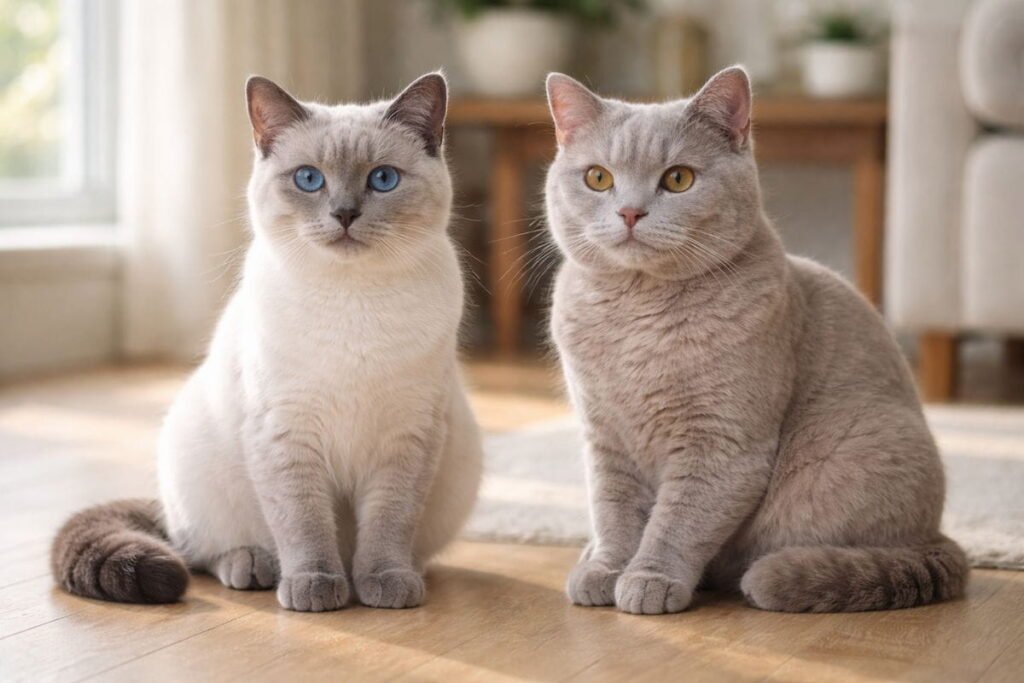
A lilac point cat carries darker shading on the ears, face, tail, and paws. The body stays lighter. This happens because of temperature-sensitive pigmentation. Cooler body parts darken. Warmer areas remain pale. Many lilac points also display brilliant blue eyes that contrast beautifully with their muted coat.
A solid lilac cat shows even color throughout the body. The tone appears creamy indoors and cooler in daylight. Some variations include a lilac lynx point with faint tabby striping or a soft striped lilac cat pattern. Both add texture without overpowering the delicate base shade.
Are Lilac Cats Rare? Popularity, Recognition & Breed Standards
Yes, a lilac cat is genuinely rare. The color depends on precise gene combinations. That limited genetic probability in breeding drives demand in the U.S. market. Among rare pedigree cat colors, lilac consistently ranks near the top.
Historically, many people confused lilac with blue. Over time, experts identified the distinct chocolate dilution phenotype and classified it separately. This recognition helped elevate lilac within show circles. Today, registry listings reflect full approval, proving it is not a faded gray but a true natural coat color variation shaped by predictable inheritance patterns.
Personality Traits: Do Lilac Cats Behave Differently?
Coat color does not determine temperament. A lilac cat behaves according to its breed and upbringing. A lilac Siamese may vocalize constantly and follow you from room to room. A lilac Persian may prefer quiet corners and gentle affection. These differences reflect hereditary feline traits, not shade alone.
Some owners claim pale colors feel calmer. That belief sounds charming but lacks science. Behavior stems from socialization, environment, and genetics combined. The coat simply wraps around deeper character layers.
Health Considerations: Are There Genetic Risks?
The lilac shade itself does not cause illness. However, certain breeds may carry inherited feline disorders. Common congenital defects in cats include cerebellar hypoplasia, also known as Wobbly Kitten Syndrome, which affects coordination.
Other reported issues include feline heart defects, cryptorchidism in cats, and occasional extra digits in polydactyl cats. Responsible U.S. breeders screen for these risks and provide health documentation. Always request proof of testing before committing to a kitten.
How Much Do Lilac Cats Cost? (Pricing Breakdown)
In the United States, price reflects rarity and pedigree. A pet-quality lilac cat often ranges between $800 and $2,500. Show-quality kittens frequently exceed $3,000 depending on lineage and breeder reputation.
| Category | Average U.S. Price |
| Pet Quality | $800–$2,500 |
| Show Quality | $3,000+ |
| Yearly Care | $600–$1,200 |
Annual expenses include food, routine vet visits, grooming, and insurance. Rare colors increase upfront cost, though daily care remains similar to other breeds.
Lilac Patterns Explained: Tabby, Tortie, and Rare Variations
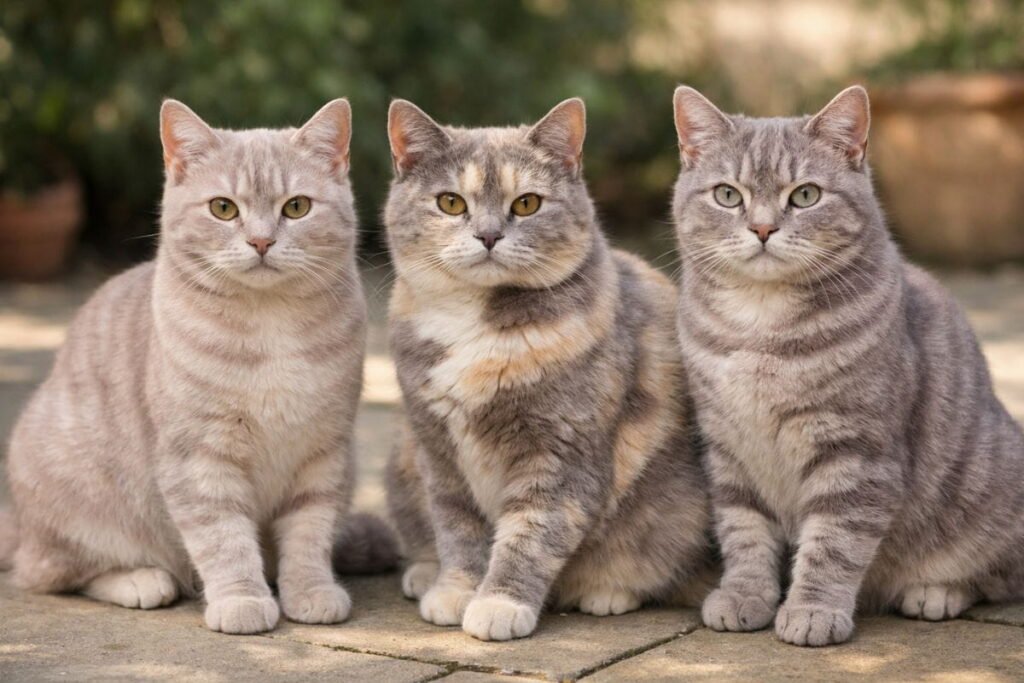
Not all lilac cats look identical. A lilac tabby cat displays subtle striping over the base shade. A lilac tortie cat blends diluted brown with cream patches. When red pigment dilutes, it transforms into ivory, creating a beautiful lilac and cream tortoiseshell pattern.
These combinations highlight the complex coat pigmentation process driven by layered genes. Each variation represents a distinct genetic mutation in cats, though not a harmful one. Instead, it showcases how inherited pigment shifts can produce extraordinary results. If you’d like to explore feline coat colors, genetics, and breed standards in greater detail, the Cat Fanciers’ Association (CFA) offers reliable information on recognized breeds and color variations.
How to Care for a Lilac Cat (Coat Care, Grooming & Environment)
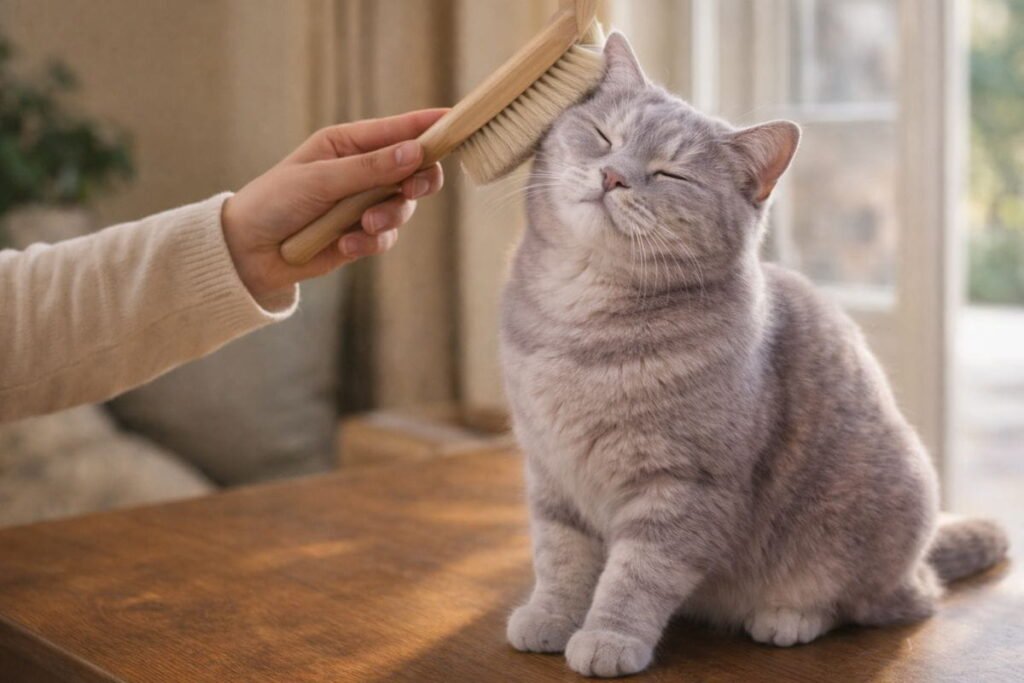
Maintaining a lilac cat requires consistency rather than complexity. Feed a balanced diet rich in protein to support the delicate coat tone. Regular brushing keeps fur smooth and reduces shedding. Long-haired breeds require more frequent grooming sessions.
Keep your lilac cat indoors when possible. Pale coats may fade in prolonged sunlight. Provide climbing structures and interactive toys to encourage mental stimulation. Healthy routines protect not only appearance but overall wellness. Behind every elegant shade lies a living companion who needs attention, play, and affection.
A lilac cat represents more than a beautiful hue. It reflects careful inheritance patterns, selective breeding, and fascinating biology. Through a refined feline genetics explanation, we see how subtle gene interactions shape extraordinary coats. Whether you admire a pointed or solid variation, one truth remains clear. The lilac cat stands as one of the most captivating examples of feline color science in the United States.
FAQs
How rare is a lilac cat?
A lilac cat is considered rare because the color appears only when kittens inherit both the chocolate gene and the dilute gene from their parents. This double-recessive combination makes the soft lilac cat color uncommon in most cat populations.
What is the personality of a lilac point cat?
A lilac point cat, often seen in breeds like the lilac Siamese, is usually affectionate, social, and very vocal. Their personality depends mostly on the breed, but they are commonly playful and strongly bonded with their owners.
How much do lilac cats cost?
In the United States, a lilac cat usually costs between $800 and $2,500 for pet quality, while show-quality kittens from top breeders can exceed $3,000.
What is the rarest cat color?
One of the rarest cat colors is lilac, a soft dilute chocolate shade often described as lavender or frosty gray. Other extremely rare colors include chocolate, cinnamon, and albino in certain breeds.

Wahsay Ahmed is the founder of FelineNest and a cat care writer. His interest in feline health began in 2023 after adopting two cats, Whisker and Mochi. Since then, he has spent two years studying trusted veterinary resources, feline behavior, nutrition, and preventive care while applying that knowledge through daily care of his own cats.