Can cats eat Spam? The short answer is no — not safely. Cats can technically consume a tiny amount without immediate harm, but Spam should never be given intentionally as a treat. One slice contains 790mg of sodium — far more than a cat’s entire daily recommended intake of just 42mg. That single number explains why veterinarians consistently advise against feeding Spam to cats in any quantity.
This guide explains what Spam contains, how it affects feline health, and why veterinarians strongly caution against it. Understanding is spam bad for cats helps you make smarter food choices that protect your cat’s comfort, weight, and long-term wellbeing. That tempting bite may look harmless, but for cats, Spam can strain the kidneys long before symptoms appear.
What Is Spam and Why It’s Made for Humans, Not Cats
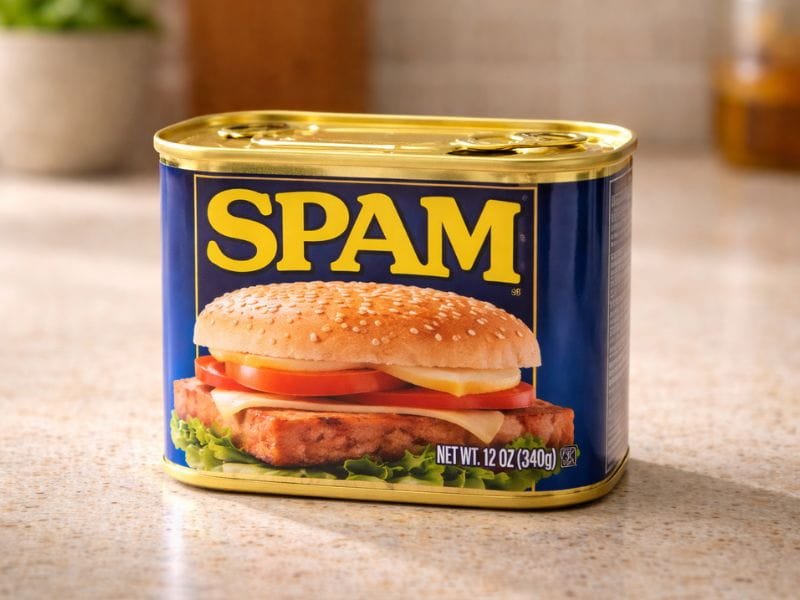
Spam is a processed canned meat made mainly from pork and ham ingredients, water, salt, and preservatives. Humans enjoy Spam because it stores easily and delivers a strong savory flavor. Cats, however, are not designed to handle foods preserved for long shelf life or intense taste.
While Spam is not immediately poisonous, it falls under cat diet processed foods that veterinarians advise avoiding in a cat’s diet. Cats are obligate carnivores, meaning their bodies thrive on fresh, animal-based nutrition rather than preserved human foods created for convenience.
One of my own cats developed a persistent cough after we started renovating a room, and I later realized the extra dust in the air was the trigger. Improving ventilation and visiting our veterinarian helped her recover quickly, and it reminded me how important clean indoor air is for a cat’s respiratory health.
Can Cats Eat Spam?
The short answer to processed meat for cats is yes, but only in rare, accidental situations. This does not mean spam for cats is healthy or appropriate. A small bite may not cause instant harm, but offering it intentionally invites health problems.
Many owners ask whether Spam is dangerous or if is spam toxic to cats. Spam is usually not toxic in the strict sense, but it places stress on a cat’s digestive system. Over time, cats eating spam may develop stomach upset and nutrient-related issues.
Spam Nutritional Content vs Cat Daily Limits
The numbers tell the story that most Spam articles avoid showing. Here is exactly what one serving of Original Spam contains — compared to what a typical 10-pound adult cat can safely process per day.
| Nutrient | 1 Slice of Spam (Classic) | Cat’s Daily Safe Limit | How Much Over the Limit? |
|---|---|---|---|
| Sodium | 790mg | 42mg | 18x over daily limit |
| Fat | 15g | 5–6g max | 2.5x over daily limit |
| Calories | 174 kcal | 200–250 kcal total/day | 70–85% of daily calories |
| Protein | 7g | Yes — but low quality | Source matters |
| Sugar | 1g | 0g (cats need none) | Any amount is unnecessary |
| Sodium nitrite | Present | 0 (toxic preservative) | No safe level |
| Carbohydrates | 3g | Near 0g (cats are carnivores) | Unnecessary filler |
This table makes the danger concrete. A single slice of Spam delivers 18 times a cat’s daily sodium limit. Even a quarter slice — the size most owners would consider a “small treat” — contains 4 to 5 times the safe daily sodium intake.
Sodium toxicosis in cats begins at approximately 41mg of sodium per pound of body weight. For a typical 10-pound cat, that is approximately 410mg of sodium before toxicity risk begins. A single full slice of Spam (790mg) approaches that threshold in one feeding, with no other sodium sources factored in.
What Happens If a Cat Eats Spam?
What happens depends on how much Spam the cat consumed and whether it was a one-time incident or repeated exposure. Here is the symptom progression most vets observe:
| Amount Eaten | Expected Symptoms | Timeline | Action Needed |
|---|---|---|---|
| A small lick or tiny piece (under 5g) | Usually none — monitor | 0–2 hours | Watch and hydrate |
| A quarter slice (~12g) | Increased thirst, mild GI upset | 1–4 hours | Ensure water access, monitor |
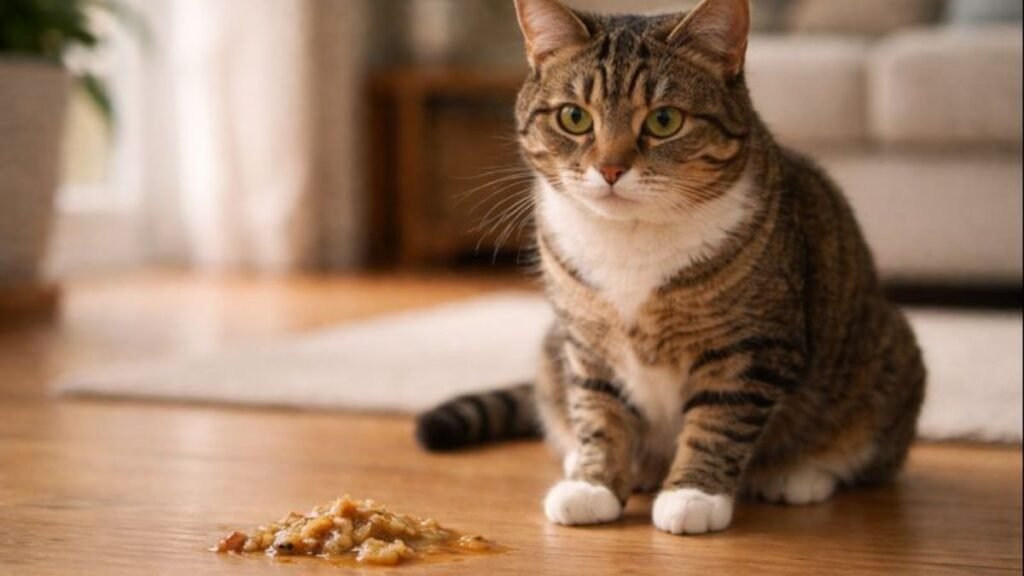
| Half a slice (~25g) | Vomiting, diarrhea, lethargy, excessive thirst | 2–6 hours | Call vet — same day |
| One full slice (~50g) | Vomiting, tremors, excessive drooling, weakness | 1–4 hours | Emergency vet — immediately |
| Multiple slices | Seizures, severe dehydration, kidney stress | Within hours | Emergency vet — immediately |
If your cat ate Spam: Stay calm. Give fresh water immediately — do not restrict water access. If your cat ate more than a small lick and is showing any symptoms from the table above, call your vet or the ASPCA Animal Poison Control Center (888-426-4435) without delay.
Can Kittens Eat Spam?
No — kittens are significantly more vulnerable to sodium toxicity than adult cats. A kitten’s kidneys are still developing and cannot process high sodium loads as effectively as adult feline kidneys. Their smaller body mass means the same amount of sodium represents a proportionally larger dose.
A kitten weighing 2 pounds has a sodium toxicity threshold of approximately 82mg — less than one-tenth of what a single slice of Spam contains. Even a small amount of Spam represents a genuine medical risk for a kitten under 6 months old.
Can Senior Cats Eat Spam?
No — senior cats (7 years and older) face elevated risk from Spam specifically because kidney disease is the most common age-related condition in older cats. The National Kidney Foundation estimates that approximately 30 to 40 percent of cats over 10 years old have some degree of chronic kidney disease.
High sodium intake puts direct strain on kidneys — even in healthy adults. In a senior cat whose kidneys are already working harder to maintain function, a single high-sodium exposure can trigger a measurable decline. If your cat is over 7 years old, avoid Spam and any other processed, high-sodium human food entirely.
Ingredients in Spam That Can Harm Cats
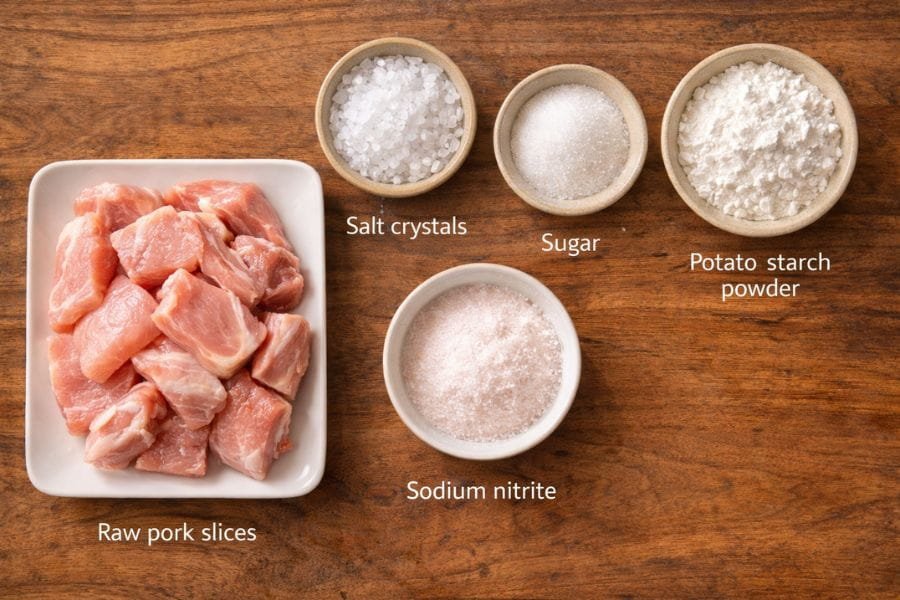
Understanding spam ingredients for cats makes the risk clear. Spam contains high sodium content, added sugar in food, and a sodium nitrite preservative. Cats do not require these substances, and their bodies struggle to process them safely.
Spam also contains a potato starch filler, which adds calories without nutritional value. Can cats eat pork, or can cats eat ham when plain and unseasoned? Spam combines these meats with preservatives and flavorings that increase health concerns.
How Much Spam Is Too Much for a Cat?
The honest answer: Any intentional serving of Spam is too much. But for the practical reality that cats sometimes steal food, here is the threshold guide:
| Cat Weight | Body Sodium Limit | “Accidental” Safe Zone | Danger Zone |
|---|---|---|---|
| 5 lbs (small cat/kitten) | ~205mg sodium | Under 1g of Spam | Over 5g (1/10 slice) |
| 8 lbs (average cat) | ~328mg sodium | Under 3g of Spam | Over 15g (1/4 slice) |
| 10 lbs (average adult) | ~410mg sodium | Under 5g of Spam | Over 25g (1/2 slice) |
| 15 lbs (large cat) | ~615mg sodium | Under 8g of Spam | Over 40g (3/4 slice) |
The practical rule: If your cat stole a small lick from your plate, monitor and provide fresh water. If your cat consumed a quarter slice or more, call your vet regardless of whether symptoms appear immediately.
Safe Alternatives to Spam for Cats
If your cat is attracted to Spam because of its meaty smell, that craving is completely normal and easy to satisfy safely. Here are the alternatives that give cats the protein hit they want without the sodium, preservatives, and fat that make Spam dangerous.
| Lower in sodium than chicken | Preparation | Sodium Content | Notes |
|---|---|---|---|
| Plain boiled chicken | No seasoning, no skin, no bones | ~30mg per oz | Best overall safe treat |
| Plain boiled turkey | Same as chicken | ~25mg per oz | Lower sodium than chicken |
| Cooked plain salmon | No seasoning, boneless | ~40mg per oz | Rich in omega-3 — limit to 2x week |
| Plain canned tuna (water) | Drain thoroughly, no salt | ~35mg per oz | Occasional only — mercury risk |
| High-quality wet cat food | Serve as treat portion | Formulated safely | Best daily option |
| Commercial cat meat treats | Specific to cats | Formulated for cats | Check sodium on label |
Plain boiled chicken is the closest safe equivalent to what cats are smelling when they approach Spam — high protein, meaty aroma, soft texture. It contains approximately 30mg of sodium per ounce versus Spam’s 790mg per slice. Your cat gets the reward of a meaty treat without any of the risk.
Health Risks of Feeding Spam to Cats (Vet Warning)
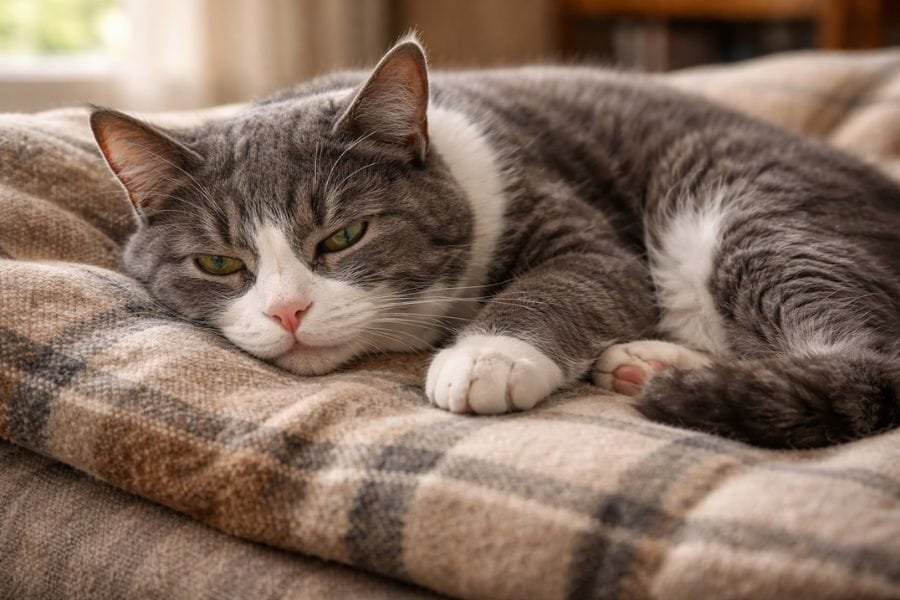
Veterinarians frequently warn about spam health risks for cats, especially with repeated exposure. Many vets report treating cats for dehydration or digestive issues after they consume salty processed foods like Spam. The biggest concern is excessive salt intake, which can trigger salt toxicosis in cats. This condition may cause vomiting and diarrhea, intense thirst, and dangerous dehydration.
Spam also qualifies as calorie-dense foods, contributing to obesity in cats. Over time, this leads to nutritional imbalance, joint strain, diabetes risk, and long-term health risks that reduce a cat’s quality of life.
What to Do If Your Cat Eats Spam
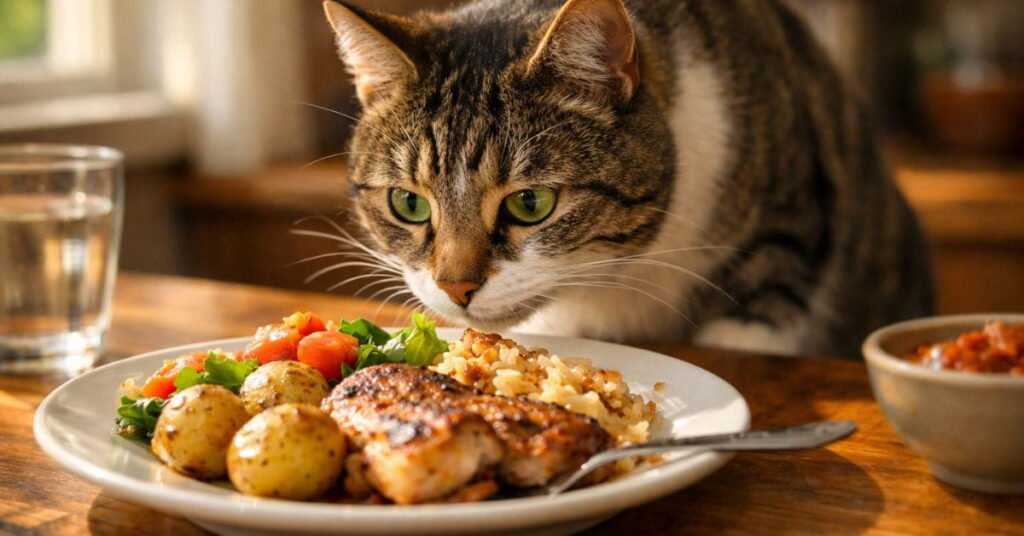
If your cat sneaks a bite, stay calm and monitor your cat carefully. Watch for signs such as gastrointestinal upset, lethargy and tremors, or unusual behavior. Many cats tolerate a very small amount without immediate problems, especially if they drink water afterward.
However, if symptoms appear or your cat eats a larger portion, immediately consult a veterinarian. This follows proper vet advice cats eating spam, especially if flavored or spicy varieties were involved.
Spam Varieties and Safety for Cats
| Spam Variety | Safe for Cats? | Main Concern | Vet Recommendation |
| Spam Classic | Not recommended | high sodium content, preservatives | Avoid regular feeding |
| Spam Lite | Slightly safer | Still processed canned meat | Occasional exposure only |
| Spam 25% Less Sodium | Less risky | Salt levels remain high | Not suitable long-term |
| Spam Oven Roasted Turkey | Comparatively better | added sugar in food, fillers | Still unhealthy |
| Spam Maple / Hickory | Unsafe | Flavorings, seasonings | Avoid completely |
| Spam Hot & Spicy / Jalapeño | Dangerous | Sodium overload, spices | Vet visit if eaten |
Healthy Alternatives to Spam for Cats
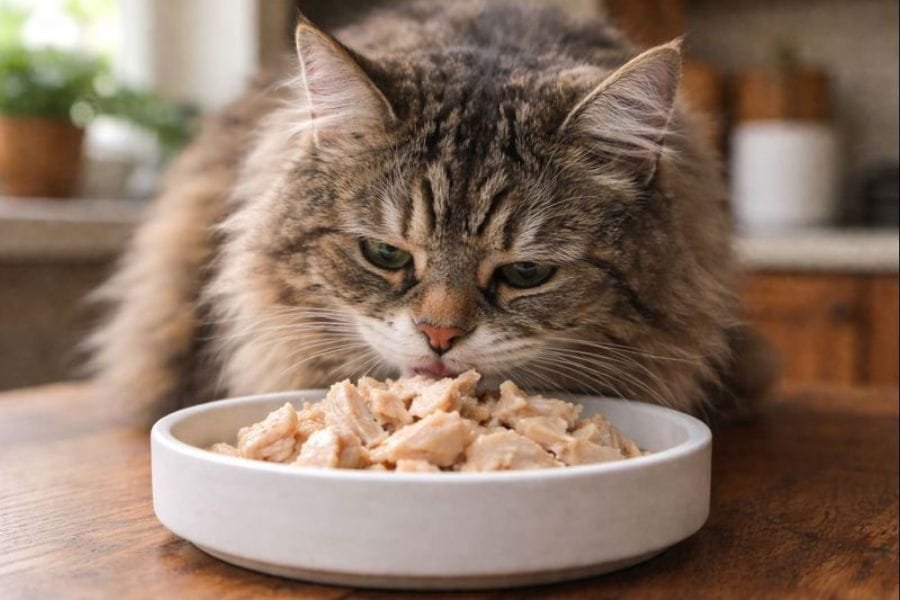
Instead of Spam, choose foods that support feline nutritional needs. High-quality canned cat food closely mimics natural prey and avoids the additives found in processed meat for cats.
Some safe human foods for cats include plain cooked chicken or turkey with no seasoning. These options respect a species-appropriate cat diet and provide protein without unnecessary salt or sugar. For more information about feline coughing, respiratory diseases, and treatment options, visit the Merck Veterinary Manual, one of the most trusted veterinary resources used by professionals worldwide.
Other Human Foods Cats Should Avoid
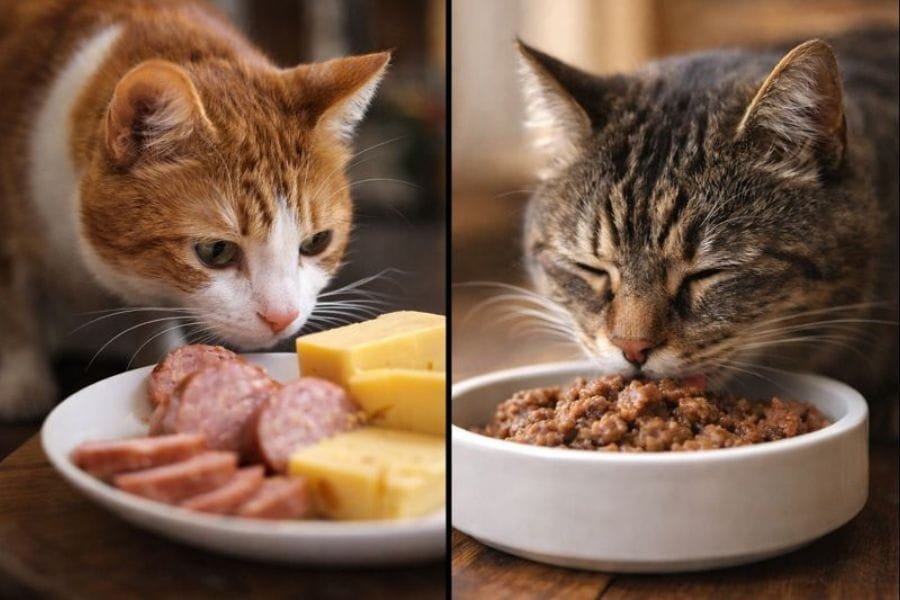
Spam belongs to a broader group of human food cats should not eat. Processed meats, seasoned leftovers, and sugary snacks place stress on a cat’s digestive system and organs.
Many unhealthy cat treats marketed for people seem harmless, but cause issues over time. Cats thrive on simple, consistent meals rather than frequent food variety.
How to Introduce New Foods Safely
When introducing any new food, move slowly. Sudden changes can trigger vomiting and diarrhea, even with safe options. Mix small portions with familiar food and observe reactions over several days.
If problems appear, stop immediately and return to your cat’s usual meals. This careful method helps prevent nutritional imbalance and allows early detection of food intolerance.
Final Thoughts: Keeping Your Cat Safe and Healthy
So, is spam bad for cats? Yes, especially when offered intentionally or repeatedly. While can cats eat canned meat in species-appropriate forms, Spam does not qualify.
Choosing proper nutrition avoids stress, vet visits, and regret. Respect your cat’s biology, skip Spam, and protect their health through informed, loving decisions. This article is for educational purposes and does not replace professional veterinary advice.
FAQs About Cats Eating Spam
How much Spam can a cat safely eat?
Ideally, none. A tiny accidental bite is usually not dangerous, but Spam should never be fed intentionally.
What is the one meat to never feed a cat?
Processed or seasoned meats like Spam, sausages, and deli meats due to salt and preservatives.
Is low sodium Spam okay for cats?
No. Even reduced-sodium versions still strain a cat’s kidneys and digestion.
Can I feed a stray cat Spam?
It’s better to offer plain cooked chicken or proper cat food instead.

Wahsay Ahmed is the founder of FelineNest and a cat care writer. His interest in feline health began in 2023 after adopting two cats, Whisker and Mochi. Since then, he has spent two years studying trusted veterinary resources, feline behavior, nutrition, and preventive care while applying that knowledge through daily care of his own cats.