Cat laryngitis cure is something every cat owner needs to know — especially when your normally chatty cat suddenly goes silent. That raspy meow, that tiny squeak, or that complete loss of voice is more than just cute. It’s your cat’s body telling you something is wrong. The good news? Most cases of feline laryngitis respond well to simple home care and veterinary treatment. This guide covers every cause, every symptom, and every proven cure so you can get your cat’s voice back fast.
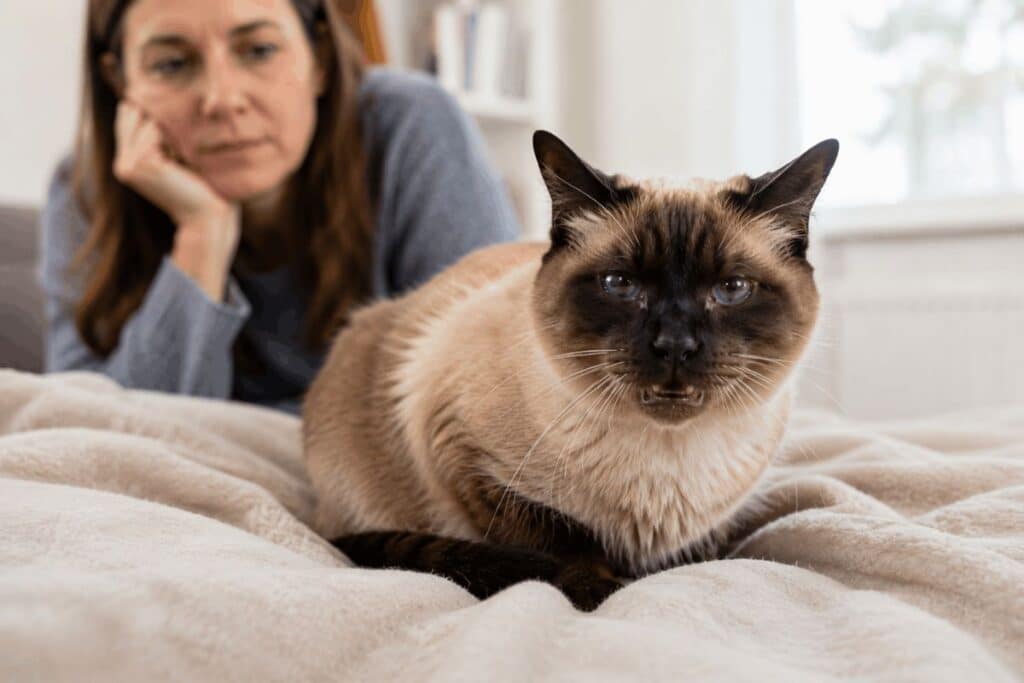
One Siamese cat owner noticed her normally talkative cat suddenly sounded squeaky and stopped meowing at breakfast time. Within two days, the cat developed watery eyes and began refusing dry food. A veterinary exam confirmed a mild upper respiratory infection. With a humidifier, wet food, and supportive care, the cat’s voice gradually returned within a week.
What Is Cat Laryngitis and Why Does It Happen?
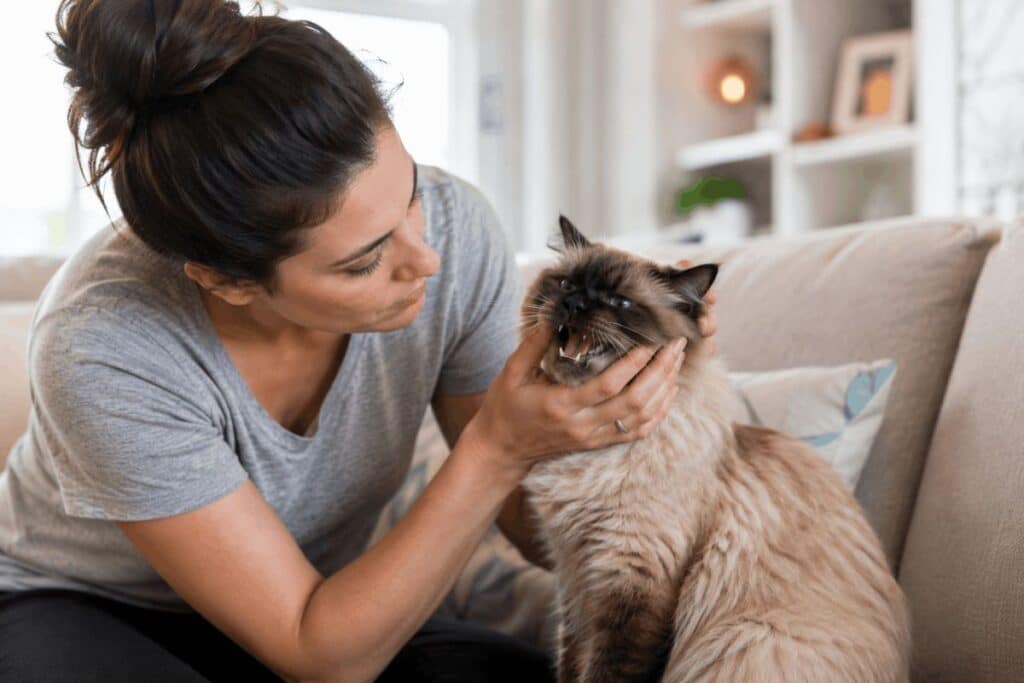
Cat laryngitis is inflammation of the larynx — your cat’s voice box. The larynx controls your cat’s ability to meow, purr, and swallow safely. When it becomes inflamed, the vocal cords can’t vibrate normally. That’s why your cat’s voice sounds raspy or disappears completely.
Feline laryngitis isn’t a disease on its own. It’s usually a symptom of something else — an infection, irritation, or blockage. Understanding the root cause is the key to choosing the right cat laryngitis cure for your specific situation. One of my cats once developed a hoarse, raspy meow after a mild cold. After following my vet’s advice and keeping her comfortable at home, her voice returned within a week. Since then, I never ignore sudden changes in a cat’s voice.
How the Cat Larynx Works
The larynx sits at the top of your cat’s trachea and serves three jobs. It enables vocalization, prevents food from entering the airway, and regulates breathing. When inflammation hits — all three functions become compromised at the same time.
Most Common Causes of Cat Laryngitis
| Cause | How Common | Severity |
| Upper respiratory infection — calicivirus, rhinotracheitis | Very common | Mild to moderate |
| Excessive meowing or vocalization | Common | Mild |
| Inhaled irritants — smoke, dust, chemicals | Common | Mild to moderate |
| Foreign body stuck in throat | Less common | Moderate to severe |
| Eosinophilic granuloma | Uncommon | Moderate |
| Laryngeal paralysis | Rare | Severe |
| Tumors or masses | Rare | Severe |
| Post-anesthesia intubation irritation | Uncommon | Mild |
7 Warning Signs Your Cat Has Laryngitis
Most cat owners notice the voice change first. But cat laryngitis symptoms go beyond just a changed meow. Recognizing all seven warning signs helps you catch the condition early and start the right cure before it worsens.
Veterinarians report that symptoms appear gradually — starting subtle and progressing over one to three days. Never dismiss a voice change in a normally vocal cat. The sooner you spot these signs, the faster recovery happens.
| # | Warning Sign | What to Watch For |
| 1 | Changed or lost meow | Raspy, squeaky, or completely silent voice |
| 2 | Dry persistent cough | Coughing fits repeating throughout the day |
| 3 | Difficulty swallowing | Struggling to eat or drink, gagging at food |
| 4 | Excessive drooling | Saliva pooling — throat too painful to swallow |
| 5 | Eye or nasal discharge | Runny nose or watery eyes alongside voice change |
| 6 | Lethargy | Low energy, sleeping more than usual |
| 7 | Loss of appetite | Refusing food because swallowing is painful |
Cat Laryngitis Cure — Vet Treatments That Work
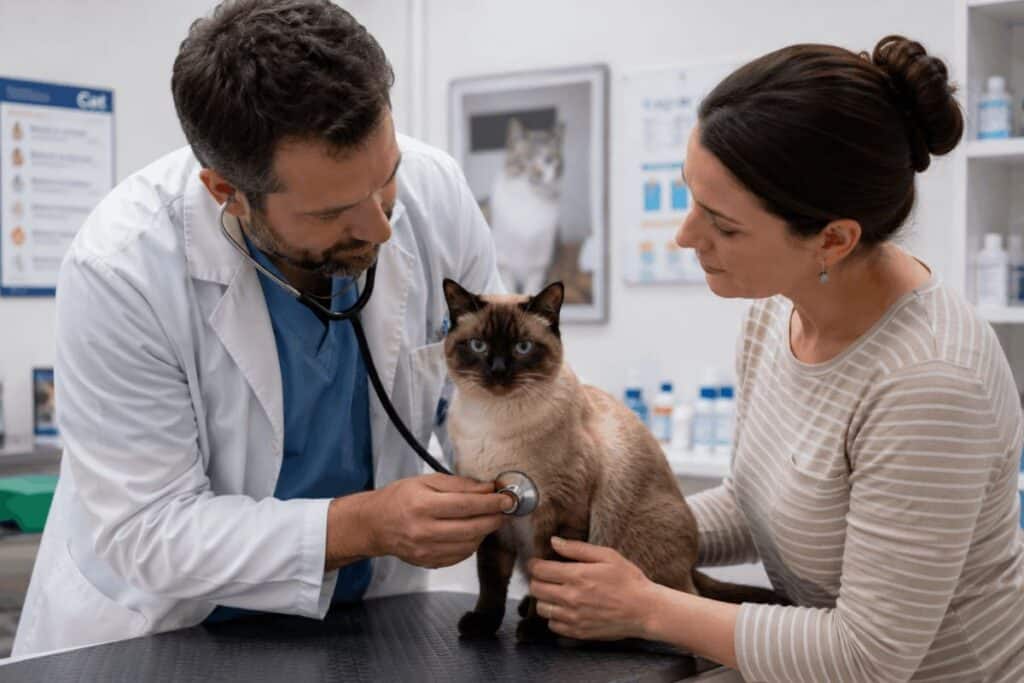
Treatment for cat laryngitis depends entirely on the underlying cause. Mild cases often need nothing more than rest and home care. Severe cases need veterinary intervention fast. Knowing which category your cat falls into is the most important decision you’ll make.
Your vet will perform a physical exam and may recommend X-rays or an endoscopic examination of the larynx under anesthesia. Once the cause is confirmed, treatment becomes highly targeted and significantly more effective than any guesswork approach.
Mild Cat Laryngitis Treatment at Home
For simple mild cases, veterinarians often recommend rest and supportive home care first. Here’s exactly what mild treatment looks like in practice:
| Treatment | Purpose | How to Apply |
| Voice rest | Let vocal cords heal naturally | Minimize stimulation that triggers meowing |
| Humidifier | Moistens dry irritated throat | Run continuously in cat’s sleeping area |
| Wet food only | Easier to swallow — less throat strain | Switch temporarily from all dry kibble |
| Steam therapy | Reduces throat inflammation naturally | Let cat sit in steamy bathroom 10 min daily |
| Warm environment | Prevents cold air irritating larynx | Keep home at 68 to 70°F minimum |
| Clean nose gently | Helps cat breathe and smell food | Soft damp cloth applied twice daily |
Severe Cat Laryngitis — When Vets Must Intervene
Severe cases require prescription treatment without delay. If your cat shows breathing difficulty, severe lethargy, or complete food refusal — contact your vet same day. Veterinarians typically prescribe one or more of these:
Anti-inflammatory medications reduce laryngeal swelling rapidly. Corticosteroids treat eosinophilic granuloma cases effectively. Diuretics address fluid buildup in the larynx or lungs. Antibiotics are prescribed when bacterial infection is suspected alongside the laryngitis. Mild pain medication helps cats swallow more easily — speeding up recovery noticeably. Foreign bodies lodged in the throat may require surgical removal depending on size and exact location. The American Association of Feline Practitioners (AAFP) offers trusted, veterinarian-reviewed guidance on common feline respiratory conditions and overall cat health.
5 Home Remedies for Cat Laryngitis That Vets Approve
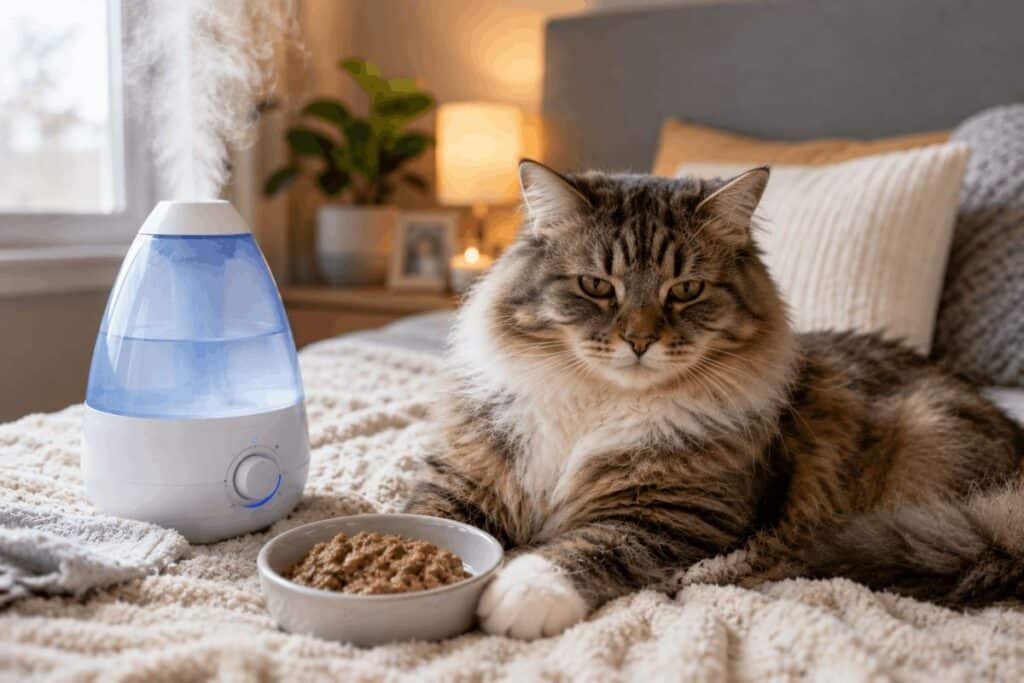
Home remedies work well for mild cases — but always confirm with your vet before starting any treatment at home. These five remedies come directly from veterinary recommendations and cat owner experiences reported across trusted feline health sources consistently.
Cats don’t always cooperate with home treatment. Patience and gentleness matter as much as the remedy itself. Start slowly with dietary changes to avoid digestive upset on top of an already uncomfortable throat situation.
A sudden change in your cat’s voice should never be ignored, especially if it’s accompanied by difficulty breathing or eating. Most cases are treatable, but early evaluation helps us identify more serious underlying causes before they become emergencies.” — Veterinarian advice
| Home Remedy | How It Helps | How to Use |
| Steam humidifier | Moistens inflamed larynx continuously | Run in cat’s room around the clock |
| Wet food only | Reduces swallowing pain significantly | Switch all meals temporarily |
| Hot shower steam | Natural humidity boost — no equipment needed | Let cat relax in steamy bathroom 10 min |
| Immune-boosting supplements | Supports viral illness recovery | Ask vet about specific safe supplement brands |
| Plantago lanceolata herb | Soothes throat and mucous membranes | Available in pet-formulated drops — vet guidance required |
Cleaning your cat’s nasal discharge gently with a warm damp cloth helps them breathe and smell their food more easily. A cat that eats consistently recovers significantly faster than one that refuses food entirely during laryngitis recovery.
How Long Does Cat Laryngitis Last?
Recovery time depends entirely on the underlying cause. The vast majority of cats with laryngitis make a full recovery within a few days with simple home care or prescribed medication from their vet.
Here’s a realistic recovery timeline based on the specific cause:
| Cause | Expected Recovery | Treatment Needed |
| Excessive vocalization | 2 to 5 days | Voice rest and home care only |
| Upper respiratory infection | 7 to 14 days | Home care plus possible antibiotic |
| Inhaled irritant | 3 to 7 days | Remove irritant plus home care |
| Foreign body removed | 1 to 5 days post-removal | Vet procedure required |
| Eosinophilic granuloma | 2 to 4 weeks | Steroids and ongoing vet management |
| Laryngeal paralysis | Ongoing management required | Surgery may be necessary |
| Tumor or mass | Depends on full diagnosis | Surgery and oncology assessment |
If your cat’s laryngitis has not improved after 14 days — or is getting worse — return to your vet immediately. Worsening cat laryngitis can signal something more serious that needs urgent professional investigation right away.
Can You Prevent Cat Laryngitis?
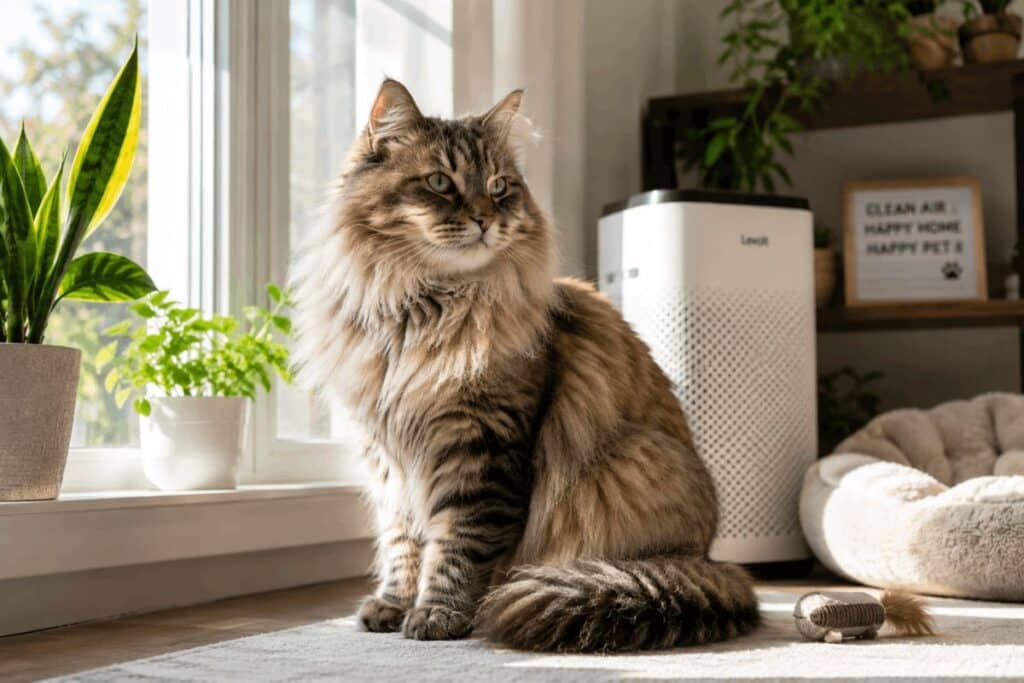
Preventing cat laryngitis isn’t always possible — just like humans can’t always avoid catching colds. However keeping your cat’s vaccinations up to date significantly reduces the risk of viral causes like calicivirus and rhinotracheitis — two of the most common laryngitis triggers in USA cats.
Reduce indoor irritants consistently. Smoke, aerosol sprays, strong cleaning chemicals, and household dust all irritate the larynx over time with repeated exposure. If your cat meows excessively due to stress or separation anxiety — addressing that root cause actively protects their voice long term.
Frequently Asked Questions
Q: Can cat laryngitis go away on its own?
Yes — mild cases caused by excessive meowing or minor irritation often resolve within 2 to 5 days with rest and home care alone.
Q: How long does laryngitis last in cats?
Most cases resolve within 7 to 14 days. Cases caused by infections may take longer with appropriate veterinary treatment.
Q: Is cat laryngitis contagious to other cats?
If caused by calicivirus or rhinotracheitis — yes. Keep an infected cat separated from other cats until fully recovered.
Q: Can I treat cat laryngitis at home without a vet?
Mild cases yes — steam, wet food, humidifier, and rest work well. Always call a vet if symptoms worsen or last beyond 14 days.
Q: What causes a cat to suddenly lose its voice?
Upper respiratory infections, excessive meowing, inhaled irritants, foreign bodies, or laryngeal paralysis are the most common causes.
Q: Should I give my cat honey for laryngitis?
Never give honey to cats without explicit vet approval. Some natural remedies safe for humans are toxic to cats.
Q: When is cat laryngitis a medical emergency?
Immediately if your cat shows difficulty breathing, complete refusal to eat, blue-tinged gums, or visible distress requiring same-day vet care.
Final Thoughts — Cat Laryngitis Cure
Cat laryngitis cure is rarely complicated — but it does require quick attention and the right approach for the underlying cause. Most cats recover fully within two weeks when owners act early and follow veterinary guidance consistently without skipping steps.
Start with home care for mild cases — steam, wet food, humidifier, and rest. Monitor closely for any worsening symptoms every single day. Call your vet immediately if breathing becomes difficult, appetite disappears completely, or voice loss extends beyond 14 days.
For more science-backed cat care tips, explore the rest of the FelineNest blog!

Wahsay Ahmed is the founder of FelineNest and a cat care writer. His interest in feline health began in 2023 after adopting two cats, Whisker and Mochi. Since then, he has spent two years studying trusted veterinary resources, feline behavior, nutrition, and preventive care while applying that knowledge through daily care of his own cats.