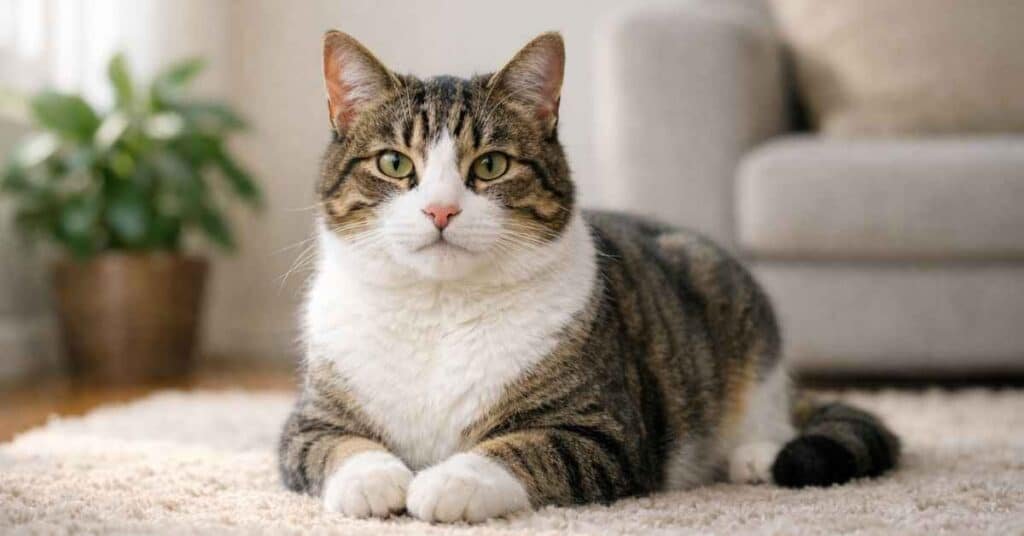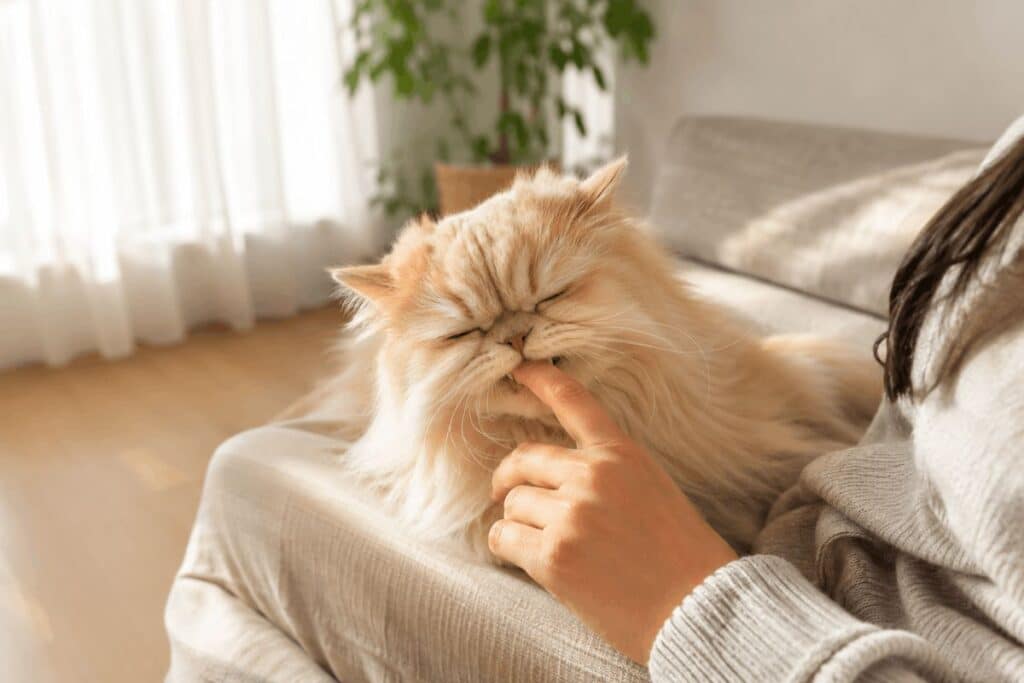
Your cat is purring on your lap, everything is peaceful, and then — nibble. She bites you gently on the hand and goes right back to grooming herself as if nothing happened. If you’ve ever wondered why does my cat bite me gently, you’re asking one of the most common questions in cat behavior. The answer isn’t simple — and it isn’t the same every time. Gentle biting is one of the most nuanced forms of feline communication, and once you understand it, you’ll never see that little nibble the same way again.
What Is a Gentle Cat Bite — And Is It Normal?
A gentle cat bite — sometimes called a love bite or a cat nibble — is a soft, controlled bite that doesn’t break the skin. It feels more like a firm pinch than an actual bite, and it’s almost always accompanied by relaxed body language: soft eyes, a slow blink, or a quiet purr. This type of biting is completely normal feline behavior and is seen in cats of all ages, breeds, and personalities.
What makes gentle biting interesting is how intentional it is. Cats have extraordinary bite control. A cat that wants to hurt you absolutely can — they have sharp teeth and powerful jaw muscles. When your cat chooses to bite softly, that restraint itself is meaningful. It’s a deliberate, conscious act of communication, not a random or accidental one.
Love Bites vs Aggressive Bites — Key Differences
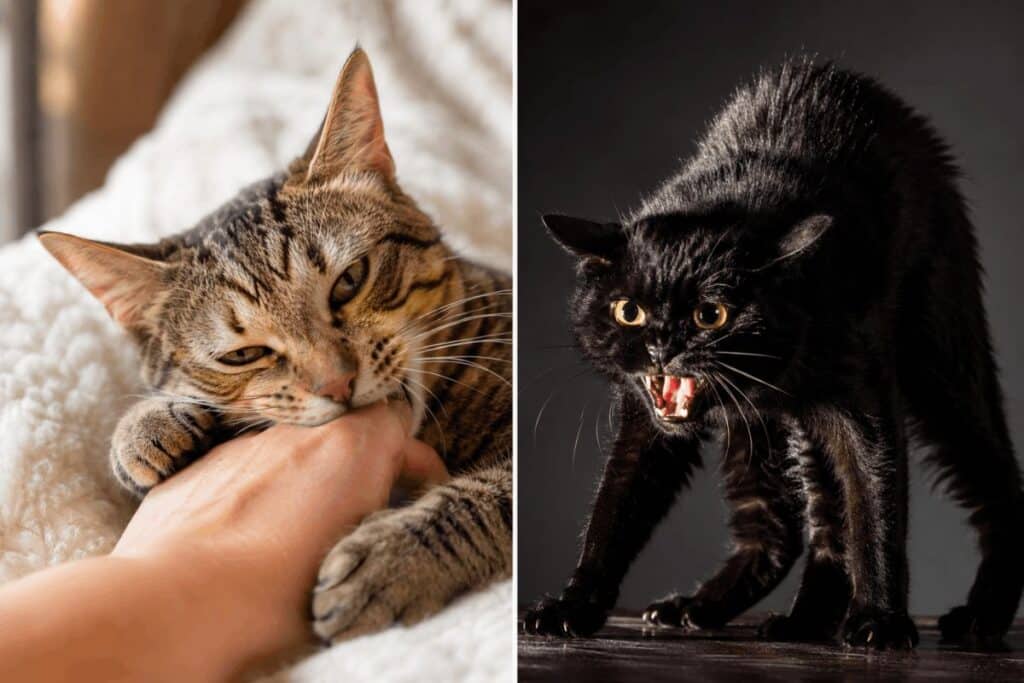
Knowing the difference between a love bite and an aggressive bite matters for your safety and your cat’s well-being. The table below makes it easy to tell them apart:
| Factor | Love Bite (Gentle) | Aggressive Bite |
| Pressure | Very soft — no skin break | Hard — may break skin |
| Body language | Relaxed, purring, slow blink | Tense, ears flat, tail flicking |
| Context | During petting or cuddling | When scared, cornered, or in pain |
| Warning signs | Few or none | Hissing, growling, dilated pupils |
| After the bite | Cat stays relaxed | Cat may flee or escalate |
| Intent | Communication or affection | Defense or warning |
Why Does My Cat Bite Me Gently? The Real Reasons
Gentle biting never happens without a reason. Cats are complex communicators, and every nibble carries a message. Here are the seven most common reasons — and what your cat is actually trying to tell you.
Affection and Allogrooming — Your Cat’s Highest Compliment
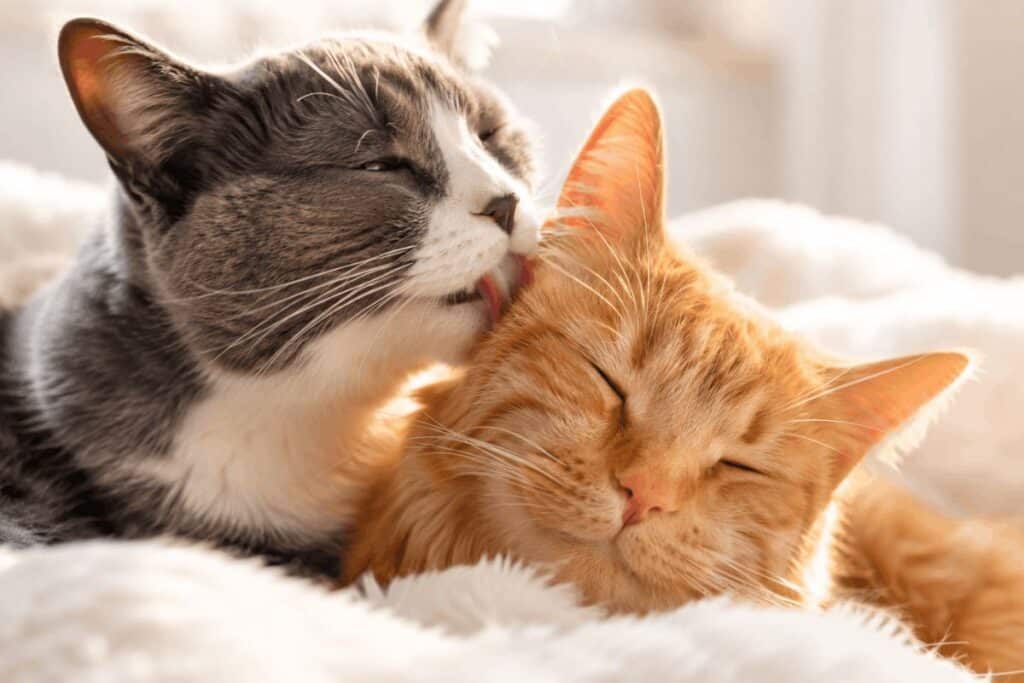
The most heartwarming reason your cat bites you gently is pure, uncomplicated affection. In feline social groups, cats groom each other — a behavior called allogrooming — to reinforce bonds and signal trust. This mutual grooming often includes gentle nibbling with the front incisors to reach deeper into the fur. When your cat extends this behavior to you, they are treating you exactly as they would treat a trusted member of their own colony.
Think of it as the highest compliment a cat can pay. Your cat is not just tolerating your presence — they are actively including you in their social world. Research into feline social behavior consistently shows that allogrooming is reserved for cats a feline genuinely trusts and feels safe with. The gentle bite that comes with a licking session is your cat saying, in the most direct way they know, that you belong to them.
Overstimulation — When Petting Goes Too Far
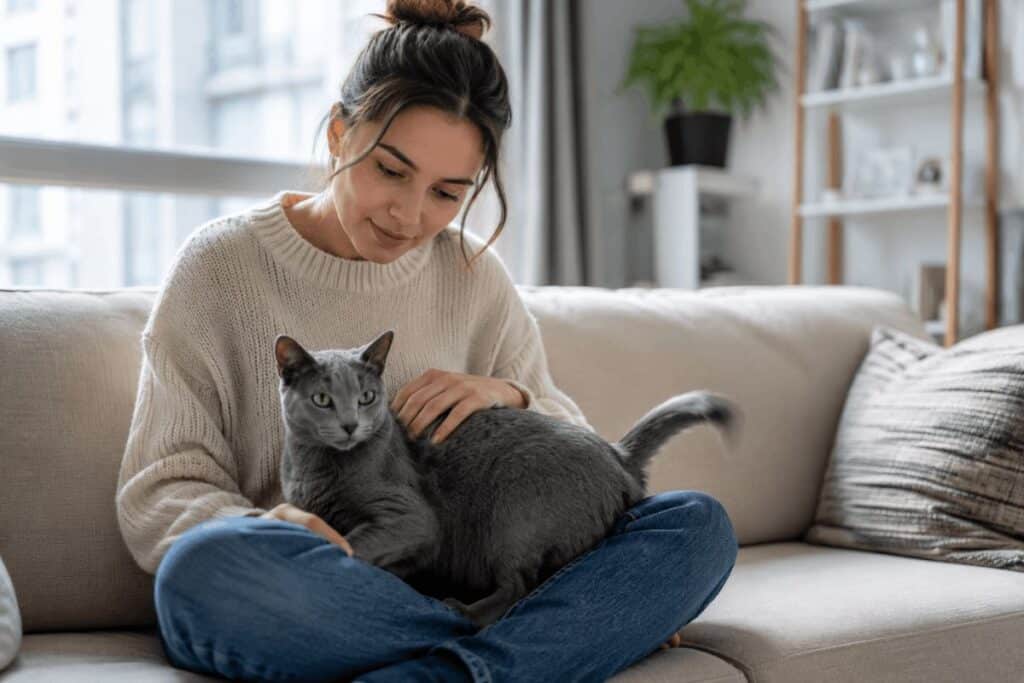
This is the reason most cat owners don’t see coming. Your cat is purring, you’re both relaxed, and then out of nowhere — a bite. This is called petting-induced aggression, and it’s triggered by sensory overstimulation. Cats have a lower tolerance threshold for prolonged physical contact than most people expect. What starts as a pleasant sensation can quickly become overwhelming, and when it does, your cat sends the clearest signal they know: a bite.
The tricky part is that many cats show warning signs before the bite — a flicking tail, skin twitching along the back, a sudden tension in the muscles — but these signs are subtle and easy to miss. Veterinary behaviorists recommend keeping petting sessions shorter than you think necessary, and always stopping before your cat reaches their limit rather than waiting for the nip that tells you they’ve had enough.
Play Biting and Hunting Instinct
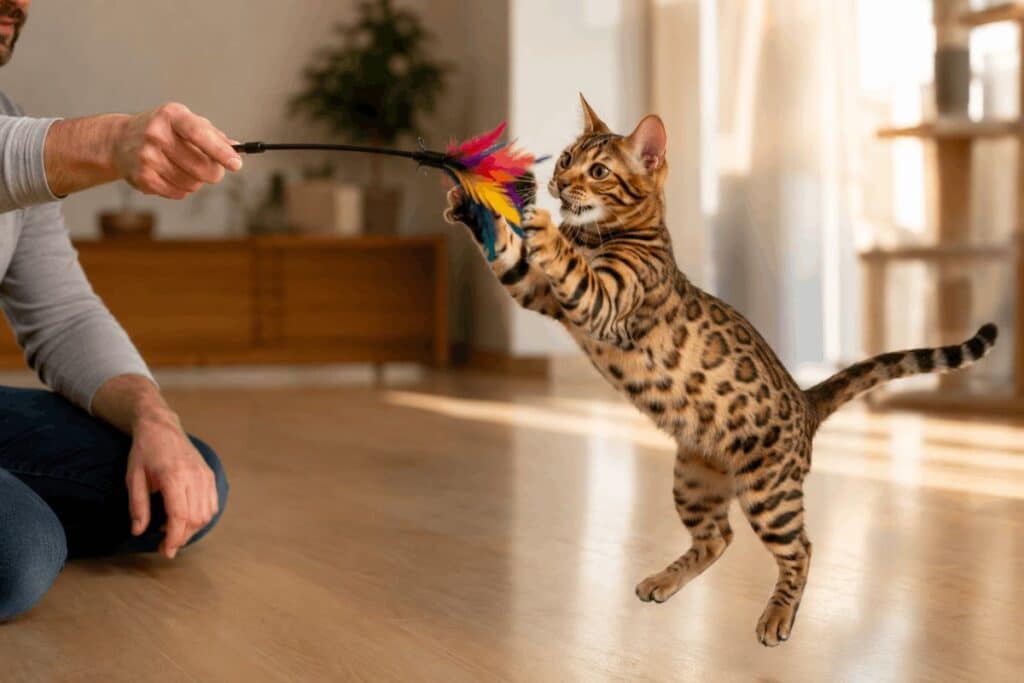
Cats are natural predators, and even the most pampered indoor cat carries millions of years of hunting instinct in their DNA. During play, cats use their mouths and paws to simulate catching prey — and sometimes, you become the prey. Play biting is especially common in kittens and young adult cats who have excess energy and not enough appropriate outlets for it.
Kittens learn bite inhibition from their mothers and littermates — the skill of knowing how hard is too hard. Mother cats will stop playing if a kitten bites too hard, teaching them that force has consequences. Cats who were taken from their litter too early may have missed some of this training, which can make their play bites slightly harder than intended. The solution is always the same: redirect to a toy, never your hands.
Attention Seeking and Communication
Sometimes, the answer to why does my cat bite me gently is simply: they want something. Cats use gentle biting as a direct communication tool when other signals haven’t worked. If your cat has been sitting next to you, meowing softly, or patting your arm, and you haven’t responded, a gentle nibble is their way of escalating the message. It’s the feline equivalent of a tap on the shoulder — firm enough to get attention, gentle enough not to cause alarm.
This type of attention-seeking bite is most common around feeding time, when a cat wants to initiate play, or when they simply want your focus on them rather than your phone or your book. Pay attention to the timing of the bite — it almost always coincides with a need that hasn’t been met yet.
Why Does My Cat Bite Me Gently Then Lick Me?
This specific combination — a gentle bite followed immediately by licking — is one of the purest expressions of feline affection you can receive. When your cat bites you softly and then licks the same spot, they are completing a full grooming sequence, treating you exactly the way they would groom another cat they love. The bite loosens, and the lick cleans — it’s a two-step process that cats use instinctively during social grooming.
Cats who bite-then-lick tend to be highly bonded cats who are deeply comfortable with their human. The lick after the bite is also a reassurance signal — your cat is checking in, making sure the interaction is mutual and positive. If your cat does this regularly, it’s one of the strongest indicators of genuine feline attachment. Far from being confusing, the bite-then-lick sequence is your cat expressing closeness in the most natural feline language they know.
How to Respond When Your Cat Bites You Gently
How you react to a gentle cat bite shapes future behavior more than any training method. The most important rule is to stay calm. Sudden movements, yelling, or pulling your hand away quickly can trigger your cat’s hunting instinct and actually cause a harder bite. Instead, freeze briefly, let your cat disengage naturally, and then calmly redirect attention to a toy or simply end the petting session.
| Situation | Right Response | Wrong Response |
| Love bite during cuddling | Freeze briefly, then offer a toy | Pull your hand away fast or yell |
| Bite during petting | Stop petting calmly, give space | Keep petting, hoping it stops |
| Play bite while using your hands | Replace the hand with a toy immediately | Push the cat away or punish |
| Bite for attention | Check what they need — food, play | Ignore or react with anger |
| Bite then lick | Enjoy it — it’s affection | Worry or misinterpret |
Positive reinforcement is the only effective long-term approach to managing biting behavior. Reward your cat with treats or praise when play stays calm and bite-free. Never use punishment — it increases anxiety, damages trust, and almost always makes biting worse.
My Experience Understanding Gentle Cat Bites
While researching feline behavior for FelineNest, I noticed that many owners assumed every bite meant aggression. After reviewing veterinary resources and real-life experiences from cat owners, it became clear that most gentle bites happened during petting, grooming, or play. What made the biggest difference was paying attention to body language. Once you learn to notice signals like a flicking tail, flattened ears, or a relaxed posture, it’s much easier to understand what your cat is trying to communicate.
When to See a Vet About Cat Biting
Most gentle biting is completely harmless and needs no intervention. However, there are specific situations where biting signals something that deserves veterinary attention. If your cat suddenly starts biting more frequently than before, if the bites are getting harder, or if biting is accompanied by other behavioral changes like hiding, hissing, or loss of appetite, a health issue could be the cause.
Dental pain and gum disease are among the most commonly overlooked triggers of increased biting in cats — a cat with a sore mouth may bite when you touch their face or when they feel generally irritated. Skin conditions like allergies, flea dermatitis, or joint pain from arthritis can also lower a cat’s tolerance for touch and produce more frequent biting. When in doubt, a quick vet checkup rules out pain as the cause and gives you peace of mind. If you’d like to understand your cat’s body language, communication signals, and behavior in greater detail, the International Cat Care (iCatCare) organization offers reliable, expert-reviewed resources for cat owners.
So the next time your cat gives you that deliberate little nibble, you’ll know exactly what it means. Whether it’s affection, overstimulation, a play invitation, or simply a request for dinner, why my cat bites me gently almost always has a warm and completely understandable explanation. Learn your cat’s individual signals, respect their limits, and give them appropriate outlets for play and energy — and those gentle bites will stay gentle for years to come. For more science-backed cat behavior guides, explore the rest of the Feline Nest blog!
Final Thoughts — What Your Cat’s Gentle Bite Really Means
Your cat’s gentle bite is never random — it’s always a message. Whether it’s love, overstimulation, play, or a simple request for attention, understanding the reason behind each nibble brings you closer to your cat than any training guide ever could. The more you learn to read their signals, the stronger your bond becomes. For more science-backed cat behavior insights, explore the rest of the Feline Nest blog!
Frequently Asked Questions
Q1: Why does my cat bite me gently then lick me?
This is a full grooming sequence — your cat is treating you like a trusted companion. The bite loosens, and the lick cleans, exactly as cats groom each other in the wild. It’s one of the strongest signs of feline affection.
Q2: Is a gentle cat bite a sign of love?
Yes — most of the time. Gentle bites during cuddling or petting are called love bites and signal trust, affection, and social bonding. As long as no skin is broken and your cat stays relaxed, it’s a positive behavior.
Q3: Why does my cat bite me gently out of nowhere?
It’s rarely truly “out of nowhere.” Most sudden, gentle bites happen because your cat reached their overstimulation limit during petting, wants attention, or is initiating play. Watch for subtle warning signs like tail flicking or skin twitching before the bite.
Q4: How do I stop my cat from biting me gently?
Stay calm, stop petting immediately, and redirect to a toy. Never pull away fast or punish — this worsens biting. Keeping petting sessions shorter and always stopping before your cat gets overstimulated is the most effective long-term solution.
Q5: Should I be worried if my cat bites me softly?
Usually not — gentle biting is normal feline behavior. However, if biting becomes more frequent, harder, or is paired with hiding or aggression, visit your vet to rule out dental pain, skin issues, or other health problems.

Wahsay Ahmed is the founder of FelineNest and a cat care writer. His interest in feline health began in 2023 after adopting two cats, Whisker and Mochi. Since then, he has spent two years studying trusted veterinary resources, feline behavior, nutrition, and preventive care while applying that knowledge through daily care of his own cats.