If you’ve ever crossed paths with a cinnamon ragdoll cat, you already know — they stop you cold. That warm, reddish-brown coat with creamy undertones is unlike anything else in the cat world. And yet, most people don’t even know this color exists.
Cinnamon ragdolls are one of the rarest variations of an already-beloved breed. They’re gentle, gorgeous, and genuinely hard to find. Whether you’re hoping to adopt one or simply want to understand what makes them so special, this guide covers everything you need to know.
What Is a Cinnamon Ragdoll Cat?
A cinnamon ragdoll cat is a Ragdoll with a warm, reddish-brown coat color caused by a specific recessive gene mutation. Unlike the more familiar seal or blue ragdolls, cinnamon is considered a “nonstandard” color by major cat registries like the CFA.
That doesn’t make them any less stunning. In fact, it makes them rarer and more sought after by serious cat enthusiasts.
What Does a Cinnamon Ragdoll Look Like?
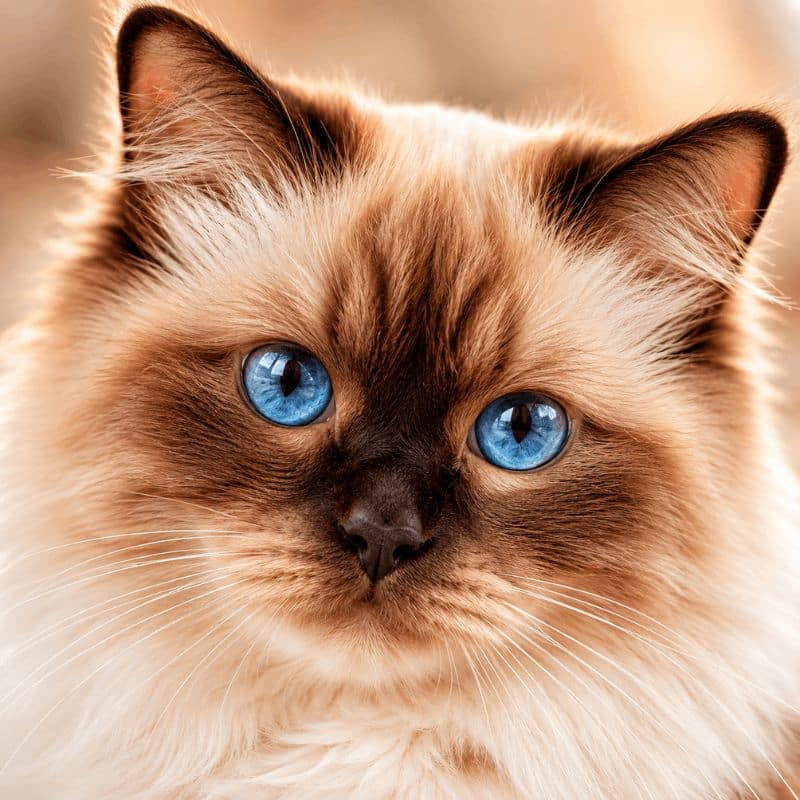
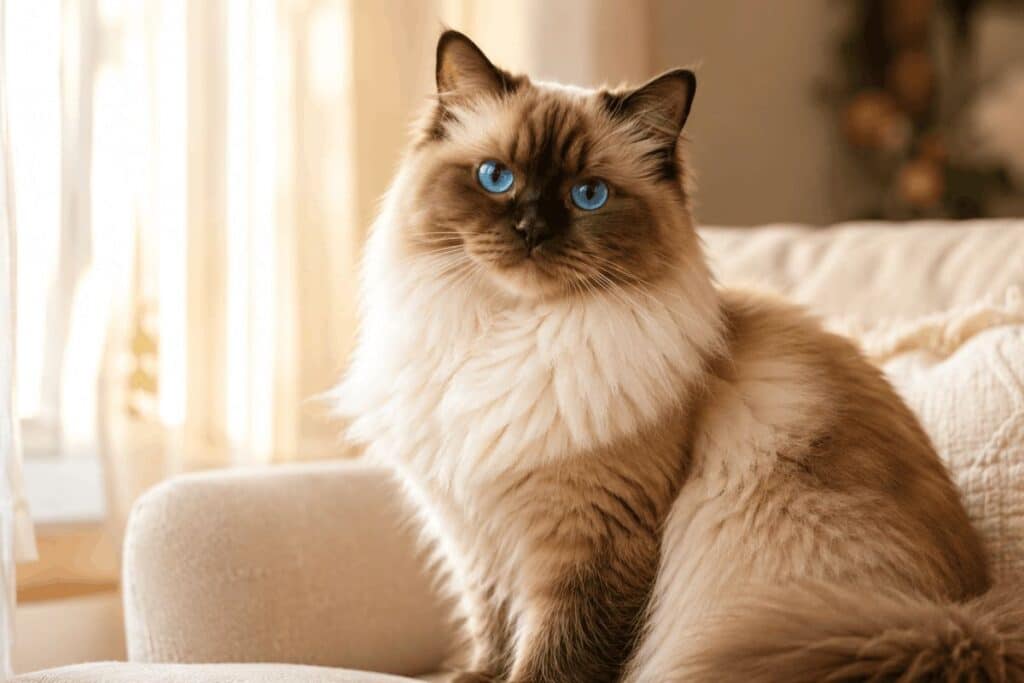
Cinnamon ragdolls display their color most vividly on the “points” — the ears, face mask, legs, and tail. The body stays noticeably lighter, often a pale cream or ivory tone.
The overall effect is like warm spice in fur form. Their nose leather and paw pads usually carry matching cinnamon-pink tones.
Depending on the pattern (pointed, mink, sepia, or solid), the color depth varies. Cinnamon minks show a softer, glowing reddish tone. Cinnamon sepias appear deeper and richer all over.
Cinnamon vs Chocolate vs Seal: What’s the Difference?
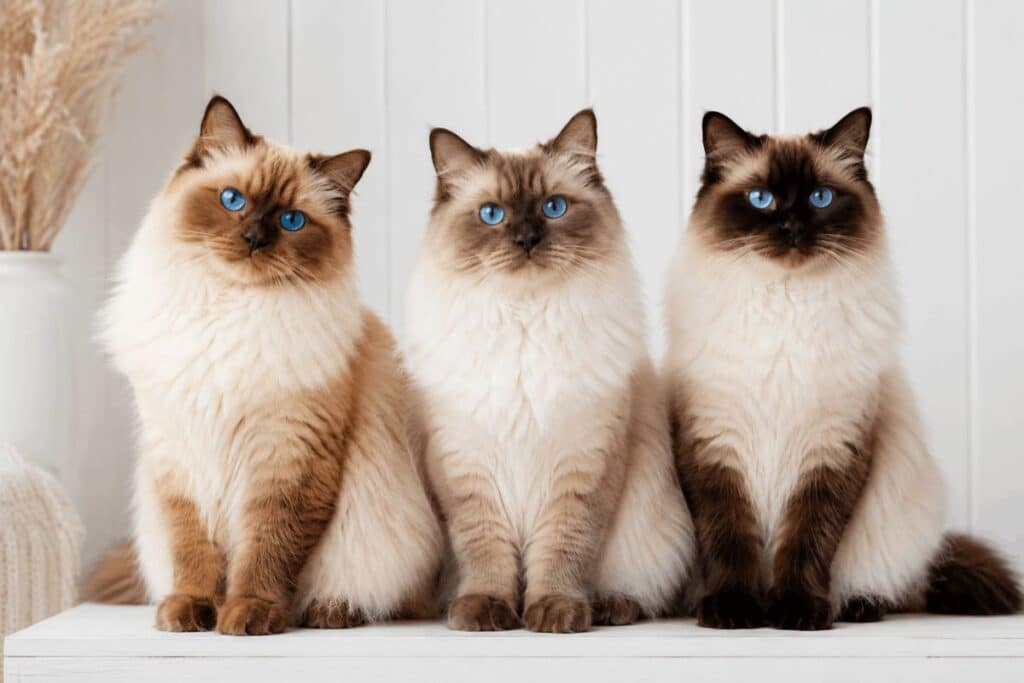
These three colors are easy to mix up at first glance. This table breaks down the key differences:
| Feature | Cinnamon Ragdoll | Chocolate Ragdoll | Seal Ragdoll |
| Point Color | Warm reddish-brown | Rich warm brown | Very dark brown, near-black |
| Body Color | Pale cream to ivory | Light ivory | Cream with slight shading |
| Nose/Paw Pads | Cinnamon-pink | Cinnamon to rose-brown | Dark seal brown |
| Rarity | Extremely rare | Rare | Common (standard color) |
| Show Eligibility (CFA) | Not eligible | Eligible | Eligible |
Seal is the most common ragdoll color. Chocolate is rare but established. Cinnamon is the rarest of the three — even experienced breeders may only produce a handful in their entire program.
The Genetics Behind the Cinnamon Ragdoll Cat
The cinnamon color in cats comes from the B locus — specifically the TYRP1 gene. In the B locus system, three variants exist: B (black/seal), b (chocolate), and b’ (cinnamon).
Cinnamon is the most recessive. A cat must inherit b’ from both parents to visually express the cinnamon coat.
That’s the key challenge. A chocolate carrier can “hide” the b gene without showing it. A cinnamon carrier does the same. Because cinnamon (b’) is recessive to even chocolate (b), producing a visual cinnamon kitten requires very specific pairings.
Veterinarians and geneticists confirm that DNA testing is the only reliable way to identify cinnamon carriers in a breeding program.
Why Cinnamon Is So Rare in Ragdolls
Most Ragdoll breeding programs focus on the four standard TICA-approved colors: seal, blue, chocolate, and lilac. Cinnamon and fawn (the dilute of cinnamon) have been recognized by TICA but remain outside the CFA’s standard Ragdoll palette.
Because fewer breeders work with cinnamon lines, the gene pool is smaller. Finding two genetically compatible cinnamon carriers — with strong health records and good structure — takes years of dedicated work.
Some breeders have spent three to four years building their cinnamon programs before producing their first visual cinnamon kitten.
Can a Cinnamon Ragdoll Be Registered or Shown?
This is where things get nuanced. TICA does recognize cinnamon as a Ragdoll color, so cinnamon ragdolls can be officially registered there.
The CFA, however, does not include cinnamon in its Ragdoll breed standard. You won’t find a cinnamon ragdoll competing in a traditional CFA show ring.
Additionally, starting in May 2025, mink, sepia, and solid Ragdolls have been reclassified as Cherubim cats under a new designation celebrating their unique traits. Many cinnamon ragdolls with mink or sepia patterns now fall under this emerging category.
Cinnamon Ragdoll Cat Personality and Temperament
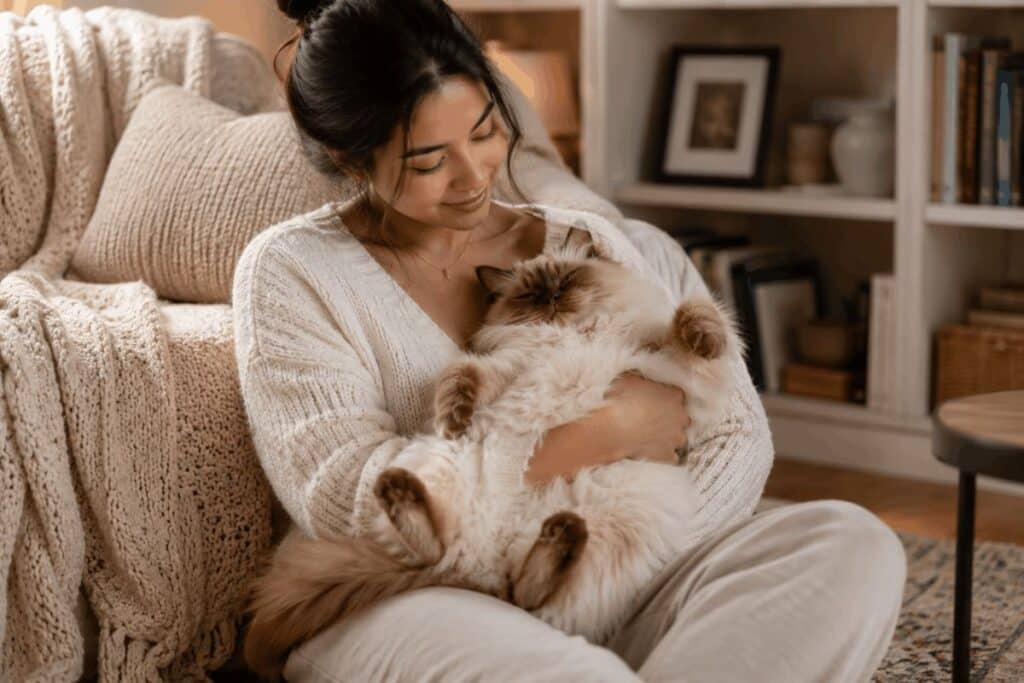
Here’s the great news for anyone considering a cinnamon ragdoll: the personality is everything you’ve heard about Ragdolls — times ten.
Ragdolls are nicknamed “puppy cats” for a reason. They follow their owners from room to room, flop into your arms when picked up, and greet guests like a golden retriever in cat form. Cat owners consistently describe them as the most affectionate breed they’ve ever owned.
Cinnamon ragdolls share all of these traits. Their temperament is gentle, calm, and deeply people-focused. Veterinarians often note that Ragdolls are among the easiest breeds to handle during checkups — they stay relaxed and rarely show aggression.
They’re also playful well into adulthood. Unlike some cats who become aloof with age, ragdolls tend to stay kitten-like in spirit. They enjoy interactive toys, games of fetch, and curling up beside you on the couch.
| Trait | Cinnamon Ragdoll | Typical House Cat |
| Follows owner around | Yes — very common | Occasionally |
| Goes limp when held | Yes — breed signature | Rare |
| Good with children | Excellent | Varies widely |
| Aggression level | Very low | Moderate |
| Energy level | Moderate — playful but calm | Varies |
| Vocalization | Quiet, soft voice | Varies |
Families with children, seniors, and even first-time cat owners find ragdolls to be a wonderful fit. The cinnamon variety is no different.
How Much Does a Cinnamon Ragdoll Cat Cost?
The short answer: significantly more than a standard Ragdoll kitten. Most pet-quality Ragdoll kittens from established US catteries run between $1,800 and $5,000. Cinnamon ragdoll kittens start at around $5,000 and can reach $8,500 from reputable breeders with DNA-tested cinnamon programs.
The premium reflects the rarity of verified cinnamon genetics, the difficulty of the breeding program, and the limited availability of kittens per year.
Expect many quality breeders to have waitlists. Some programs place only a handful of cinnamon kittens per year — and they fill fast.
How to Find a Reputable Cinnamon Ragdoll Breeder
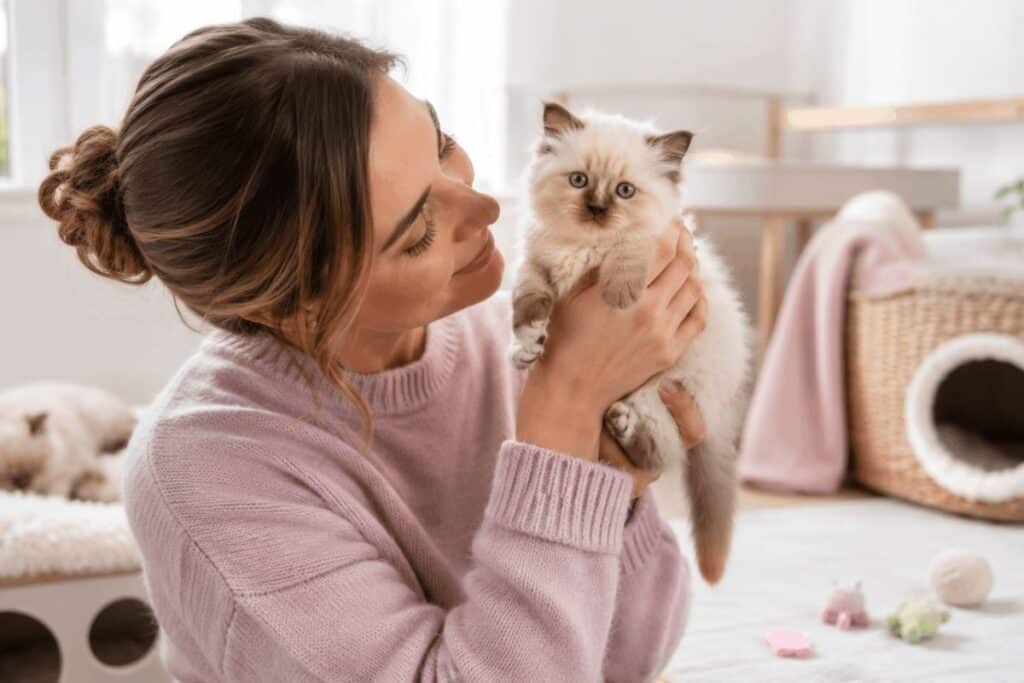
Finding a trustworthy breeder is the most important step. Here’s a table of green flags vs. red flags to guide your search:
| Green Flags ✅ | Red Flags ❌ |
| DNA-tested cinnamon breeding stock | No genetic testing mentioned |
| HCM (heart) testing on parents | “Kittens always available” with no waitlist |
| TICA-registered cattery | No registration or pedigree papers |
| Raises kittens in home environment | Ships kittens under 12 weeks old |
| Transparent about health guarantees | Price far below $3,000 for “cinnamon” |
| Invites visits or video calls | Refuses to show parent cats |
| Provides references from past buyers | No online presence or reviews |
Always ask to see DNA test results proving the cinnamon gene before placing a deposit. Legitimate cinnamon breeders will share this documentation openly.
Frequently Asked Questions
Q: What is a cinnamon ragdoll cat?
A cinnamon ragdoll is a Ragdoll cat with a warm reddish-brown coat caused by the b’ recessive gene. The color shows on the points (face, ears, legs, tail) with a pale cream body.
Q: How rare is a cinnamon ragdoll?
Extremely rare. Even dedicated breeders may take 3–4 years to produce verified cinnamon kittens, since the color requires both parents to carry the recessive b’ gene.
Q: How much does a cinnamon ragdoll cat cost?
Cinnamon ragdoll kittens typically cost $5,000–$8,500 USD from reputable, DNA-tested programs. Standard ragdolls run $1,800–$5,000 by comparison.
Q: What is the difference between cinnamon and chocolate ragdolls?
Chocolate ragdolls have a warmer, medium-brown point color. Cinnamon is lighter and more reddish — think milk chocolate vs. a true spice tone. Cinnamon is also rarer and more recessive genetically.
Q: Can a cinnamon ragdoll be shown at cat shows?
Not in CFA events, as cinnamon is not part of the standard CFA Ragdoll palette. TICA does register cinnamon ragdolls. Many cinnamon mink/sepia cats now fall under the new Cherubim classification.
Final Thoughts — The Magic of the Cinnamon Ragdoll Cat
The cinnamon ragdoll cat is a rare gem in the feline world — gorgeous in color, gentle in spirit, and genuinely hard to find. If you’ve fallen for that warm reddish-brown coat, you’re not alone.
Finding one takes patience. Work with a breeder who DNA tests their lines, is transparent about health clearances, and has a genuine waitlist. The wait is absolutely worth it — owners of cinnamon ragdolls consistently say their cats are unlike any pet they’ve ever had.
For more science-backed cat care tips, breed guides, and everything in between, explore the rest of the Feline Nest blog!

Wahsay Ahmed is the founder of FelineNest and a cat care writer. His interest in feline health began in 2023 after adopting two cats, Whisker and Mochi. Since then, he has spent two years studying trusted veterinary resources, feline behavior, nutrition, and preventive care while applying that knowledge through daily care of his own cats.